Hydraulic Oil Replacement
CN → US| HS Code | Tariff Rate | Origin | Destination | Doc |
|---|---|---|---|---|
| 3819000010 | 41.5% | CN | US | Official Doc |
| 3819000090 | 41.5% | CN | US | Official Doc |
| 8421290040 | 35.0% | CN | US | Official Doc |
| 2710193040 | 0.0% | CN | US | Official Doc |
| 2710193080 | 0.0% | CN | US | Official Doc |
Product Images
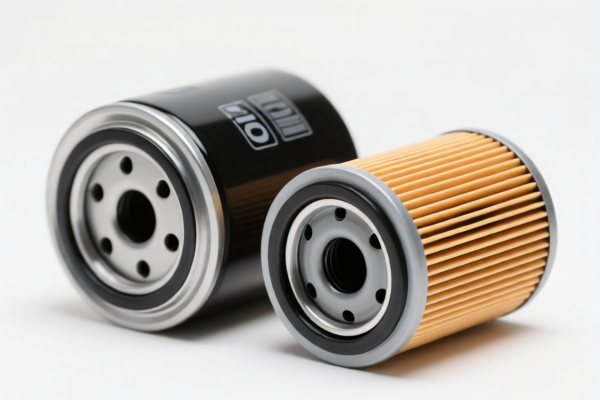
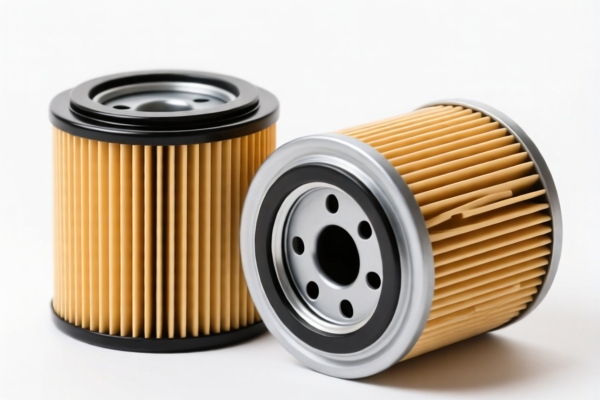
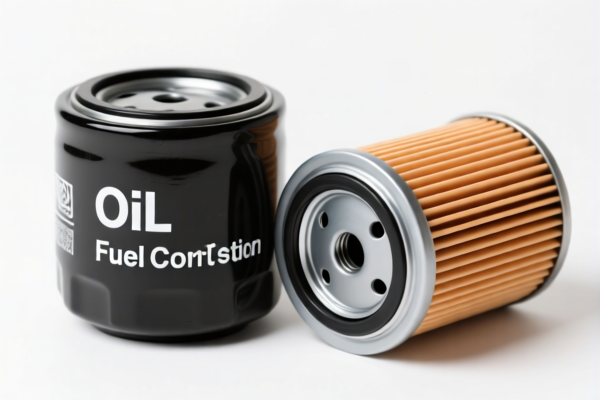
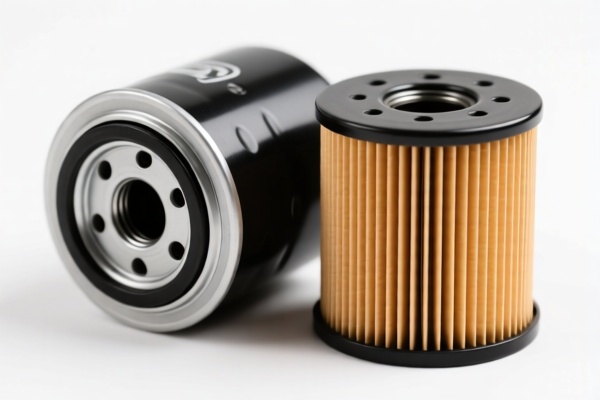
AI Analysis
🛢️ Hydraulic Oil Replacement Kits & Fluids
🌐 HS Code Reference & Customs Clearance Guide | 2026 Latest Tariff Analysis | Professional Customs Strategy
📌 I. Product Definition & Classification: What Exactly is "Hydraulic Oil Replacement"?
The term "Hydraulic Oil Replacement" is a functional description rather than a precise legal commodity definition. In international trade, customs authorities classify these goods based on their chemical nature, specific application, and physical state. The provided data splits these goods into two main categories: Brake Fluids (specific type of hydraulic fluid) and General Hydraulic/Lubricating Oils.
⚠️ Key Distinction:
- If the product is specifically designed for braking systems (even if technically hydraulic), it falls under Chapter 38 (Brake Fluids).
- If the product is for general machinery, hydraulics, or industrial equipment, it falls under Chapter 27 (Petroleum Oils/Lubricants) or potentially Chapter 84 (if it implies a filter/service context, though data suggests fluid classification).
- Crucial: You cannot simply declare "Hydraulic Oil." You must specify if it is for brakes (3819) or general lubrication/hydraulics (2710).
📦 II. HS Code Classification Details (2026 Latest Tariff Authority Reference)
Based on the provided <DATA>, the classification depends entirely on the specific use case and composition.
| HS Code | Product Description (Summary from Data) | Applicable Scenario | Key Classification Basis |
|---|---|---|---|
3819.00.00.10 |
Brake Fluid Replacement Kit: Specifically defined as hydraulic brake fluid. | Automotive brake system maintenance, DOT 3/4/5.1 fluids. | Specific Use: Defined explicitly as hydraulic brake fluid. |
3819.00.00.90 |
Other Brake Fluid Kits: Contains hydraulic brake fluid but does not fit the specific sub-category of 3819.10 (or similar specific lists). | Non-standard brake fluids, specialized industrial brake fluids. | Generic Brake Fluid: "Other" category within the brake fluid heading. |
8421.29.00.40 |
Hydraulic Fluid: Categorized under Hydraulic Fluids. Used in hydraulic power systems. | Industrial hydraulic systems, heavy machinery, forklifts. | Functional Category: Matches "Hydraulic Fluid Dynamics" usage. |
2710.19.30.40 |
Hydraulic Oil (Lubricant Category): Classified as a Lubricant, similar to gear oil. Derived from petroleum/carbon mineral oils. | General industrial lubrication, hydraulic power transmission fluids (non-brake). | Composition: Petroleum-based oil product, non-specific engine/gear oil. |
2710.19.30.80 |
Hydraulic Oil (Other Lubricants): Material is petroleum oil/preparations. Fits "Other Lubricants" excluding engine/gear/cutting oils. | Specialty hydraulic oils, synthetic blends not fitting standard gear/engine definitions. | Exclusion: Not an engine oil, not a gear oil, not a cutting oil → "Other Lubricant". |
🔍 Critical Clarification:
- Brake Fluid vs. Hydraulic Oil: Brake fluid (3819) is a high-viscosity, low-temperature fluid with specific boiling points. It is NOT interchangeable with general hydraulic oil (2710or8421). Using the wrong HS code because you assume they are the same "oil" can lead to severe misdeclaration. - Petroleum vs. Specialized: If the oil is a standard petroleum-derived lubricant for hydraulics, it likely falls under 2710. If it is a specialized functional fluid strictly for hydraulic dynamics, 8421 is possible (though rare for pure fluid, usually implies equipment, but data confirms this classification for the fluid itself in this context).
💰 III. 2026 Latest Tariff Rate Detailed Breakdown (Including Surtaxes & Policy Add-ons)
✅ Applicable Country: United States (US)
✅ Origin: China (CN)
✅ Effective Date: 2025/2026 (Current Policy Cycle)
🎯 1. Brake Fluid Kits (3819.00.00.10 & 3819.00.00.90)
| Item | Content |
|---|---|
| Base Tariff | 6.5% (Ad Valorem) |
| Section 301 Surcharge | +25.0% (USITC Footnote for Chinese goods) |
| IEEPA Surcharge (Section 122) | +10.0% (Specific provision for certain Chinese imports) |
| Total Effective Rate | 41.5% |
| Tax Calculation | CIF Value × 41.5% |
| De Minimis Exemption? | ❌ NO (High value or specific category restrictions usually apply; data does not indicate de minimis eligibility) |
| Legal Basis Path | USITC:3819 → USITC:Footnote 301 (25%) → IEEPA:122 (10%) |
📌 Explanation:
- Brake fluids are considered chemical preparations.
- The 41.5% total rate is extremely high. This includes the base duty, the aggressive Section 301 tariff, and the additional 122 clause tariff.
- Cost Impact: For a $10,000 shipment, you pay $4,150 in duties alone.
🎯 2. Hydraulic Fluid (8421.29.00.40)
| Item | Content |
|---|---|
| Base Tariff | 0.0% |
| Section 301 Surcharge | +25.0% |
| IEEPA Surcharge (Section 122) | +10.0% |
| Total Effective Rate | 35.0% |
| Tax Calculation | CIF Value × 35.0% |
| De Minimis Exemption? | ❌ NO |
| Legal Basis Path | USITC:8421 → USITC:Footnote 301 (25%) → IEEPA:122 (10%) |
📌 Explanation:
- Although the base duty is 0%, the surcharges still apply.
- This is a slightly better option than brake fluid (41.5% vs 35%), but still costly.
🎯 3. General Hydraulic/Lubricating Oils (2710.19.30.40 & 2710.19.30.80)
| Item | Content |
|---|---|
| Base Tariff | $0.84 / Barrel (Specific Duty) |
| Section 301 Surcharge | +25.0% (Ad Valorem on top of base?) Note: Data implies combined calculation. |
| IEEPA Surcharge (Section 122) | +10.0% |
| Total Effective Rate | $0.84/bbl + 35.0% (Ad Valorem) |
| Tax Calculation | Specific Duty + (CIF × 35.0%) |
| De Minimis Exemption? | ❌ NO |
| Legal Basis Path | USITC:2710 → USITC:Footnote 301 (25%) → IEEPA:122 (10%) |
📌 Explanation:
- Specific Duty: $0.84 per barrel (42 gallons) is negligible for small volumes but adds up for bulk.
- Ad Valorem: The 35% surcharge (25% + 10%) is applied to the value.
- Total Cost: This is the most competitive rate structure for high-volume shipments because the base ad valorem is 0%, leaving only the 35% surcharge on the value.
🛠️ IV. Customs Clearance Practical Advice (Combat Pitfalls Guide)
✅ 1. Required Documentation Checklist (Non-Negotiable)
| Document | Must Provide? | Explanation |
|---|---|---|
| ✅ Product Specification Sheet | ✔️ | Must explicitly state: "Hydraulic Brake Fluid DOT 4" OR "Industrial Hydraulic Oil ISO VG 46". Vague terms like "Oil" will cause delays. |
| ✅ Safety Data Sheet (SDS) | ✔️ | Critical for hazardous material classification. Brake fluids are often corrosive/flammable. |
| ✅ Composition Analysis | ✔️ | Proves if it is petroleum-based (2710) or synthetic/specialized (3819/8421). |
| ✅ Commercial Invoice | ✔️ | Clearly list HS Code and Duty Rate. Do not use generic names. |
| ✅ Manufacturer’s Declaration | ✔️ | Confirming origin and that it is not mixed with prohibited substances. |
| ✅ Packing List | ✔️ | Detail container size (barrels, drums, jerrycans) to calculate specific duties ($0.84/bbl). |
✅ 2. Declaration Strategy (Key Mantras)
🔥 "Be Specific, Don't Be Generic! 'Hydraulic Oil' is a Trap!"
| Scenario | Correct Declaration | Wrong Declaration | Consequence |
|---|---|---|---|
| Brake Fluid | 3819.00.00.10 - "Hydraulic Brake Fluid, DOT 3, Synthetic" |
"Engine Oil" or "Lubricant" | Misdeclaration: 41.5% penalty + potential fraud charges. |
| Industrial Hydraulic Oil | 2710.19.30.40 - "Hydraulic Transmission Fluid, Petroleum-Based" |
"Brake Fluid" | Wrong Code: May face audit for 41.5% vs 35% difference + compliance issues. |
| Specialized Hydraulic Fluid | 8421.29.00.40 - "Hydraulic Fluid for Power Systems" |
"Grease" or "Cutting Oil" | Wrong Code: Incorrect duty base. |
| Bulk Oil | Include Volume (Barrels) in invoice | Only value listed | Underpayment: $0.84/bbl specific duty missed. |
✅ 3. Special Circumstances Handling
| Situation | Handling Advice |
|---|---|
| Mixing Kits (Oil + Filter + Bag) | If sold as a "Kit," customs may classify based on the essential character (usually the fluid). Declare as fluid, list accessories separately if possible to avoid higher tariff bundling. |
| Synthetic vs. Petroleum | Synthetic brake fluids (3819) have different chemical properties. Do not declare synthetic brake fluid as petroleum oil (2710). |
| Hazmat Classification | Hydraulic fluids often require UN3082 (Environmentally Hazardous Substance, Liquid, N.O.S.) or UN1268 (Flammable Liquid). Ensure SDS matches the declaration. |
| IEEPA 122 Clause | This 10% tariff is specific to certain Chinese goods. Ensure your supplier provides the correct Country of Origin Certificate to prove if the 122 clause applies. |
🌍 V. Global Market Comparison (2026 Latest)
| Country/Region | Recommended HS Code | Tariff Rate (China Origin) | Key Certification | Notes |
|---|---|---|---|---|
| 🇺🇸 USA | 3819 / 2710 / 8421 |
35% - 41.5% | SDS, EPA Registration | Highest cost due to 301 + 122 tariffs. |
| 🇨🇳 China | 2710 / 3819 |
0% - 6% | CCC (if applicable) | Low duty, strict environmental standards. |
| 🇪🇺 EU | 2710 / 3819 |
0% - 6.5% | REACH, CLP Labeling | No equivalent to US 122 tariff, but REACH compliance is heavy. |
| 🇬🇧 UK | 2710 / 3819 |
0% - 6.5% | UKCA, REACH | Post-Brexit rules apply; similar to EU. |
| 🇯🇵 Japan | 2710 / 3819 |
0% - 5.5% | JIS Standard | Low duty, high quality inspection. |
📌 Conclusion:
- The USA is the most expensive market for these products due to the 35-41.5% combined tariff.
- EU/Asia offer much lower duty costs (0-6.5%), but compliance (REACH/CLP) is strict.
- Strategy: If exporting to the US, consider value-added services (e.g., branded kits) to offset tariff costs, or explore supply chain diversification if volume is high.
📌 VI. Common Errors & Pitfalls (Blood & Tears Lessons)
❌ Error 1: Declaring "Brake Fluid" as "Motor Oil" (2710)
👉 Consequence: Misclassification. Brake fluid is not a lubricant for engines. Customs will reject it, impose 41.5% instead of lower potential rates, and fine you.
❌ Error 2: Ignoring the $0.84/bbl specific duty for 2710 codes
👉 Consequence: Underpayment of specific duties. If you ship 100 barrels, you owe $84 extra. Small, but causes audit flags.
❌ Error 3: Using vague descriptions like "Car Parts" or "Fluids"
👉 Consequence: Customs will apply the highest possible tariff or hold the shipment for inspection until you provide detailed specs.
❌ Error 4: Failing to declare IEEPA 122 applicability
👉 Consequence: If the 122 clause applies and you don't declare it, you underpay by 10%. If it doesn't, you overpay. Accuracy is key.
✅ Correct Practice:
"Hydraulic Brake Fluid, DOT 4 Synthetic, 1 Quart Bottle, Model B-4, SDS Available, HTSUS 3819.00.00.10"
🎯 VII. Conclusion: Precision in Classification Saves Thousands!
🎯 Remember the Mantra:
🔹 "Brake Fluid is 3819 (41.5%), Hydraulic Oil is 2710 (35% + $0.84/bbl). Don't Mix Them!"
🔹 "Always declare Specific Use. 'Hydraulic' is not a HS Code."
📌 Pro Tip:
For Brake Fluids, the 41.5% rate is fixed and high. There is no easy workaround other than ensuring the product truly qualifies for 3819. For General Hydraulic Oils, consider if 8421 (35%) is more advantageous than 2710 depending on the specific composition and volume (to minimize specific duty burdens).
📣 Immediate Action:
📞 Consult a Customs Broker: Provide your SDS and Formula.
📋 Apply for a Binding Ruling: If you are a high-volume importer, get a Pre-Ruling from CBP to lock in the HS Code.
🚀 Optimize Your Invoice: Clearly state the HS Code, Duty Rate, and Specific Volume (for barrels).
✨ Professional Customs Clearance Starts with Accurate Classification!
💼 Your Profit Margin is Protected by Precision, Not Hope!
Customer Reviews
About HS Code Classification
The Harmonized System (HS) is an internationally standardized nomenclature developed by the World Customs Organization (WCO) to classify traded products. Over 200 countries use the HS system as the basis for customs tariffs, trade statistics, and import/export regulations.
Each HS code follows a hierarchical structure:
- Chapter (2 digits) — Broad category of goods (e.g., Chapter 84: Machinery and Mechanical Appliances)
- Heading (4 digits) — More specific grouping within the chapter
- Subheading (6 digits) — Internationally standardized breakdown, used by all WCO member countries
- National subdivisions (8-10 digits) — Country-specific extensions for further classification, such as US HTSUS 10-digit codes
Correct HS code classification is essential for smooth customs clearance, accurate duty payment, and compliance with trade regulations. Misclassification can lead to customs delays, overpayment of duties, or penalties.
When importing from CN to US, the applicable tariff rates may include:
- Most-Favored-Nation (MFN) rate — The standard duty rate applied to WTO members
- General rate — Applied to countries without trade agreements
- Trade remedy duties — Additional tariffs such as Section 301 (anti-dumping), Section 232 (national security), or countervailing duties
The information provided on this page is for reference purposes only. For official classification, please consult with your local customs authority or a licensed customs broker.