Hydraulic Press Machine
CN → US| HS Code | Tariff Rate | Origin | Destination | Doc |
|---|---|---|---|---|
| 8463900080 | 39.4% | CN | US | Official Doc |
| 8463900060 | 39.4% | CN | US | Official Doc |
| 8479810000 | 35.0% | CN | US | Official Doc |
| 8462618090 | 39.4% | CN | US | Official Doc |
| 8462614060 | 39.4% | CN | US | Official Doc |
Product Images
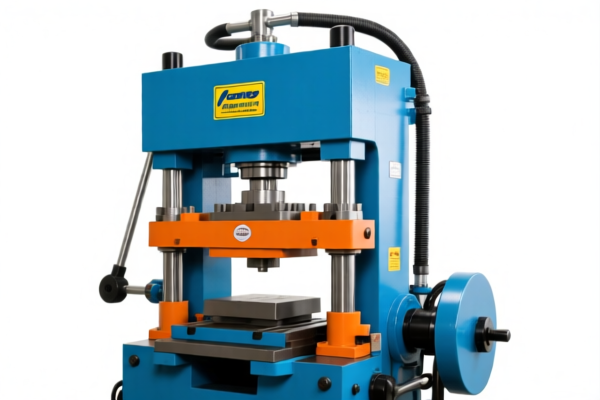
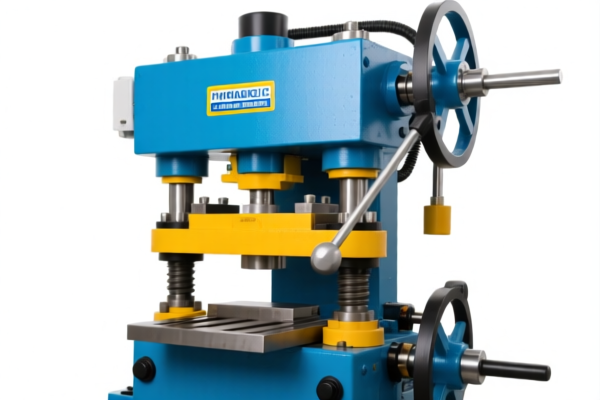
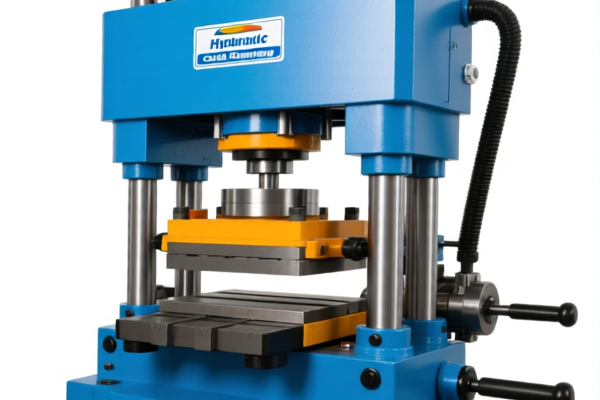
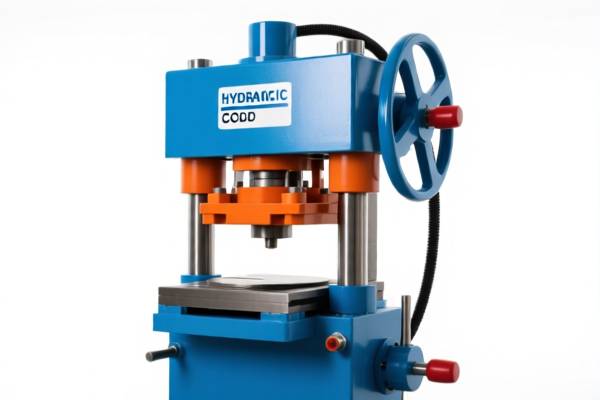
AI Analysis
🏭 Hydraulic Press Machine (Metal Working Machinery)
🌐 HS Code Reference & Customs Clearance Guide | 2026 Latest Tariff Analysis | Professional Compliance Strategy
📌 I. Product Definition & Classification: What is a "Hydraulic Press"?
A Hydraulic Press Machine is a critical piece of industrial equipment that uses a hydraulic pump to generate compressive force for forming, punching, or straightening metal parts. In international trade, classification depends heavily on the mechanical structure and specific function (e.g., is it a dedicated forming machine or a general-purpose pressing unit?).
⚠️ Key Classification Distinction:
- If the machine is specifically designed for cold working of metals (forming, bending, stamping) and fits specific subheadings → It often falls under Chapter 84.62 or 84.63.
- If the machine is a general-purpose independent mechanical device for handling/pressing metal that doesn't fit the specific "machine tool" definitions → It may fall under 84.79.
- Crucial Note: For products originating from China entering the US, Section 301 tariffs and Section 122 tariffs significantly impact the final duty rate, regardless of the base HS code.
📦 II. HS Code Classification Details (Based on Provided Data)
According to the provided data, five potential HS Codes have been identified for Hydraulic Press Machines. Below is the detailed breakdown of why each code applies and the corresponding tax implications.
| HS Code | Product Description & Logic | Tax Rate (Total) | Key Characteristics |
|---|---|---|---|
| 8462.61.80.90 | Hydraulic Press Matching Hydraulic Pressor Inferred as metal material, conforming to metal cold-working press attributes. |
39.4% | Matches specific metal cold-forming press attributes. |
| 8462.61.40.60 | Hydraulic Press / Direct Hydraulic Pressor Directly corresponds to hydraulic presses; falls under "other" fallback categories, conforming to metal processing machine tool attributes. |
39.4% | General metal processing machine tool fallback category. |
| 8463.90.00.80 | Metal/Metal-Ceramic Processing Machine Tool Falls under the "other" fallback logic for machines used for metal or metal-ceramic processing. |
39.4% | Broad category for metal/metal-ceramic machining. |
| 8463.90.00.60 | Metal Processing Machine Tool Falls under "other" machine tools for metal processing purposes. |
39.4% | Specific to metal processing applications. |
| 8479.81.00.00 | Independent Mechanical Appliance Hydraulic press considered an independent mechanical appliance with specific functions for metal handling/processing. |
35.0% | Independent function; lower base tax but still subject to surcharges. |
🔍 Important Observation:
- Four out of five codes (8462.61.80.90,8462.61.40.60,8463.90.00.80,8463.90.00.60) carry a total tax rate of 39.4%.
- One code (8479.81.00.00) carries a slightly lower total tax rate of 35.0%.
- All codes are subject to significant US import surcharges.
💰 III. 2026 Latest Tariff Rate Details (Including Surcharges)
✅ Applicable Country: United States (US)
✅ Origin: China (CN) (Inferred from "122 Clause" and high surcharge structure typical of US-China trade)
✅ Validity: Current effective rates as per provided data.
🎯 1. Codes: 8462.61.80.90 & 8462.61.40.60 & 8463.90.00.80 & 8463.90.00.60
| Item | Content |
|---|---|
| Base Tariff | 4.4% (Ad Valorem) |
| Section 301 Surcharge | +25.0% (Added Tariff) |
| Section 122 Tariff | +10.0% (Specific US Trade Law Provision) |
| Total Tax Rate | 39.4% |
| Tax Calculation | CIF Value × 39.4% |
| De Minimis Exemption | ❌ Not Applicable (High-value machinery typically exceeds de minimis thresholds and is subject to full duties) |
📌 Explanation:
- The 25% surcharge is likely under US Trade Law Section 301 (targeting Chinese goods).
- The 10% surcharge refers to "Section 122 tariffs," which are typically applied to imports that threaten to impair US national security (often used for steel/aluminum or specific machinery).
- Total 39.4% represents a very high duty burden, significantly impacting profit margins.
🎯 2. Code: 8479.81.00.00
| Item | Content |
|---|---|
| Base Tariff | 0.0% (Ad Valorem) |
| Section 301 Surcharge | +25.0% (Added Tariff) |
| Section 122 Tariff | +10.0% (Specific US Trade Law Provision) |
| Total Tax Rate | 35.0% |
| Tax Calculation | CIF Value × 35.0% |
| De Minimis Exemption | ❌ Not Applicable |
📌 Explanation:
- Although the base tariff is 0%, the surcharges remain the same (25% + 10%).
- This results in a 5% saving compared to the other codes, making it the most cost-effective classification if legally justifiable.
- Risk: Classifying a dedicated hydraulic press as an "independent mechanical appliance" (84.79) instead of a "machine tool" (84.62/84.63) requires strong technical justification to avoid customs reclassification penalties.
🛠️ IV. Customs Clearance Practical Advice (Pitfall Avoidance Guide)
✅ 1. Preparation Checklist (Essential Documents)
| Document | Required? | Notes |
|---|---|---|
| ✅ Product Specifications | ✔️ | Must clearly state: Type (Hydraulic), Pressure (tons), Application (Metal Forming), Weight, Dimensions. |
| ✅ Technical Diagrams | ✔️ | Schematic showing hydraulic system, pressing mechanism, and control panel. |
| ✅ Photos | ✔️ | Clear images of the machine, nameplate, and hydraulic pump unit. |
| ✅ Commercial Invoice | ✔️ | Must accurately describe the item as "Hydraulic Press Machine" and include HS Code. |
| ✅ Packing List | ✔️ | Detail contents, especially if hydraulic fluid or tools are included. |
| ✅ Origin Certificate | ✔️ | Proves country of origin (China), triggering applicable surcharges. |
| ✅ Statement of Use | ✔️ | If claiming 84.79 (lower tax), provide a statement explaining why it's an "independent mechanical appliance" rather than a dedicated machine tool. |
✅ 2. Classification Strategy & Tips
🔥 Golden Rule:
"Function Dictates Code; Justification Dictates Duty!"
| Scenario | Recommended HS Code | Reasoning |
|---|---|---|
| Standard Metal Forming Press | 8462.61.80.90 or 8462.61.40.60 |
Fits "Cold-Working Metal" machine tool definition. High tax (39.4%). |
| Multi-Purpose/General Hydraulic Press | 8479.81.00.00 |
If the machine can handle non-metal tasks or is not strictly a "machine tool" per Chapter 84 Note 1. Lower tax (35.0%). |
| Metal/Ceramic Specific | 8463.90.00.80 / 8463.90.00.60 |
If specifically designed for metal-ceramic composites. High tax (39.4%). |
⚠️ Critical Warning:
- Do NOT misclassify a dedicated metal press as8479to save 4.4% without solid technical backing. Customs may audit and demand back taxes + penalties.
- Section 122 Tariffs are dynamic. Verify current status before shipment.
✅ 3. Special Cases
| Case | Handling Advice |
|---|---|
| OEM/Custom Press | Provide detailed engineering drawings to prove specific function. |
| Used Press | Same classification applies, but ensure age/machinery standards meet US safety regulations (OSHA). |
| Hydraulic Fluid Included | Declare separately if significant; fluid may have different HS codes but usually bundled with machinery. |
| Parts vs. Whole Machine | Whole machine = Main HS Code. Spare parts (pumps, valves) may have different codes but should be declared with the main unit to avoid splitting duties. |
🌍 V. Global Market Comparison (2026 Latest)
| Market | Recommended HS Code | Estimated Duty (China Origin) | Notes |
|---|---|---|---|
| 🇺🇸 USA | 8479.81.00.00 (if eligible) or 8462.61.80.90 |
35.0% - 39.4% | High surcharges due to Section 301 & 122. |
| 🇨🇳 China (Import) | 8462.61 or 8479 |
0% - 4.4% | No Section 301/122 surcharges. |
| 🇪🇺 EU | 8462.61 or 8479 |
0% - 4.4% | Generally no high surcharges on machinery, but VAT applies. |
| 🇮🇳 India | 8462.61 |
Varies | Check CBIC latest notifications; potential anti-dumping duties. |
📌 Conclusion:
- USA is the highest-cost market for Chinese hydraulic presses due to叠加 (stacked) tariffs.
- Classify accurately to avoid penalties. If possible, explore supply chain diversification (e.g., manufacturing in Vietnam/Mexico) to bypass Section 301 tariffs, though Section 122 may still apply depending on the good's nature.
📌 VI. Common Mistakes & Pitfalls
❌ Mistake 1: Calling it just "Press Machine" without specifying "Hydraulic" or "Metal Working."
👉 Consequence: Customs may classify incorrectly, leading to delays or incorrect duty assessment.
❌ Mistake 2: Assuming 8479 automatically means lower tax.
👉 Consequence: If the machine is clearly a metal-forming press, Customs will reclassify to 8462, leading to back taxes + interest.
❌ Mistake 3: Ignoring Section 122 Tariffs.
👉 Consequence: Unexpected 10% charge on top of known 25% Section 301.
❌ Mistake 4: Not disclosing "Made in China" clearly.
👉 Consequence: Denied origin benefits, full surcharges applied.
✅ Correct Approach:
"Hydraulic Press Machine, 500 Tons, For Metal Forming, Model XYZ, Made in China, HS 8462.61.80.90 (or 8479.81.00.00 if applicable)"
🎯 VII. Conclusion: Professional Classification, Cost Optimization
🎯 Key Takeaways:
🔹 Tax Rate Range: 35.0% - 39.4% for Chinese-origin hydraulic presses in the US.
🔹 Biggest Cost Driver: Section 301 (25%) + Section 122 (10%).
🔹 Optimization Tip: If the machine can be technically justified as an "independent mechanical appliance" (84.79), it saves 4.4% on the CIF value.
📌 Pro Tip:
If your supply chain allows, consider assembling or finishing the hydraulic press in a third country (e.g., Mexico, Vietnam) to potentially qualify for different tariff treatment. However, verify Rules of Origin carefully.
📣 Immediate Action:
📞 Consult a US Customs Broker to review technical specs before shipment.
📄 Prepare a Detailed Product Description including photos, diagrams, and intended use.
💡 Request a Binding Ruling from US Customs (CBP) if the classification is borderline between8462and8479.
✨ Precision in Classification, Protection in Trade!
💼 Every percent counts in heavy machinery imports!
Customer Reviews
About HS Code Classification
The Harmonized System (HS) is an internationally standardized nomenclature developed by the World Customs Organization (WCO) to classify traded products. Over 200 countries use the HS system as the basis for customs tariffs, trade statistics, and import/export regulations.
Each HS code follows a hierarchical structure:
- Chapter (2 digits) — Broad category of goods (e.g., Chapter 84: Machinery and Mechanical Appliances)
- Heading (4 digits) — More specific grouping within the chapter
- Subheading (6 digits) — Internationally standardized breakdown, used by all WCO member countries
- National subdivisions (8-10 digits) — Country-specific extensions for further classification, such as US HTSUS 10-digit codes
Correct HS code classification is essential for smooth customs clearance, accurate duty payment, and compliance with trade regulations. Misclassification can lead to customs delays, overpayment of duties, or penalties.
When importing from CN to US, the applicable tariff rates may include:
- Most-Favored-Nation (MFN) rate — The standard duty rate applied to WTO members
- General rate — Applied to countries without trade agreements
- Trade remedy duties — Additional tariffs such as Section 301 (anti-dumping), Section 232 (national security), or countervailing duties
The information provided on this page is for reference purposes only. For official classification, please consult with your local customs authority or a licensed customs broker.