Hydrogen rich Water Cup
CN → US| HS Code | Tariff Rate | Origin | Destination | Doc |
|---|---|---|---|---|
| 7323999080 | 88.4% | CN | US | Official Doc |
| 3924104000 | 13.4% | CN | US | Official Doc |
| 3924102000 | 24.0% | CN | US | Official Doc |
| 7323999030 | 88.4% | CN | US | Official Doc |
| 8421290065 | 35.0% | CN | US | Official Doc |
Product Images
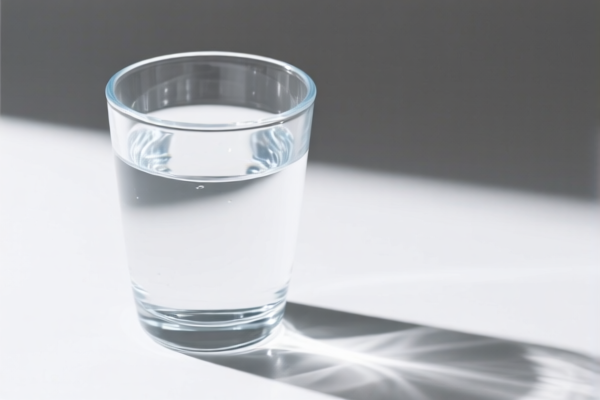
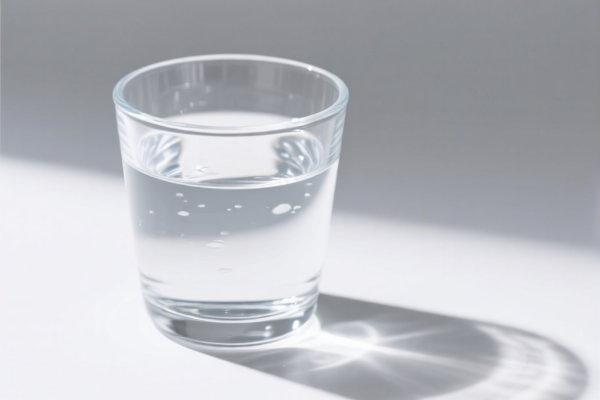
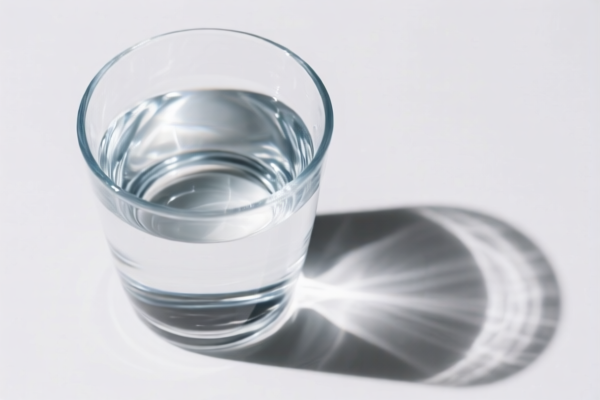
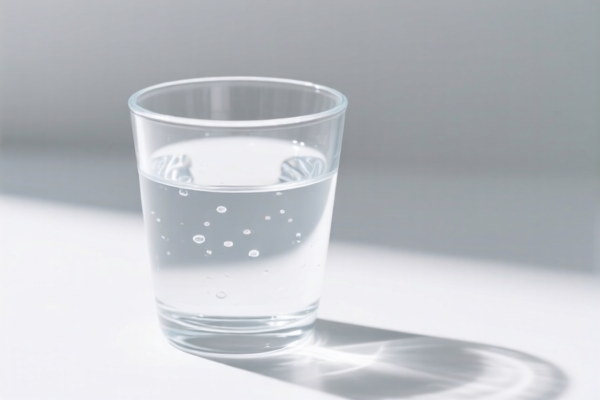
AI Analysis
💧 Hydrogen-Rich Water Cup (Hydrogen Infused Water Bottle)
🌐 HS Code Reference & Customs Clearance Guide | 2026 Latest Tariff Analysis | Professional Level Clearance Strategy
📌 I. Product Definition & Classification: Do You Really Understand "Hydrogen Water Cups"?
A Hydrogen-Rich Water Cup is a specialized drinking container that generates or retains dissolved hydrogen gas ($H_2$) in water, marketed for health and wellness purposes. In international trade, its classification is highly sensitive because it sits at the intersection of consumer goods (tableware) and technical devices (filtration/processing equipment).
The key to correct classification lies in determining the primary function and material composition:
1. Material-Based Classification (Passive/Container Type): * Stainless Steel/Iron: If the cup is merely a container (even if insulated) that holds water, classified under Chapter 73. * Plastic/Non-Metal: If the cup is a simple container without complex electronics or filtration mechanisms, classified under Chapter 39.
2. Function-Based Classification (Active/Electronic Type): * Liquid Processing/Filtration: If the cup contains an electrolysis cell, pump, or filter system to generate or purify hydrogen-rich water, it is considered a "machine" or "apparatus" for treating liquids, classified under Chapter 84.
⚠️ Critical Distinction Point: - If it is just a bottle (even a high-end one) without active electrolysis or filtration mechanisms → Tableware (73 or 39). - If it has a battery, electrode, or filtration core that actively changes the water composition → Water Treatment Device (8421.29).
📦 II. HS Code Classification Details (2026 Latest Tariff Authority Comparison)
Based on the provided data, here are the specific HS Codes and their corresponding tax implications for Hydrogen-Rich Water Cups:
| HS Code | Product Description | Applicable Scenario | Material/Function Key |
|---|---|---|---|
7323.99.90.80 |
Other kitchen/table utensils, of iron or steel | Stainless steel hydrogen cups (passive) | Stainless Steel/Iron |
7323.99.90.30 |
Other kitchen/table utensils, of iron or steel | Specifically identified as beverage containers | Iron/Steel + Beverage Use |
3924.10.40.00 |
Tableware, of plastics or other non-metallic materials | Plastic cups, no active electronics | Plastic/Non-Metal |
3924.10.20.00 |
Tableware, of plastics | Plastic cups with specific plastic designation | Plastic (Specific Subheading) |
8421.29.00.65 |
Machines for filtering or purifying liquids | Cups with active electrolysis/filtration cores | Active Liquid Processing |
🔍 Key Reminder: - Stainless Steel Cups: If the product is made of stainless steel and does not have an active electrolysis mechanism, it is classified as tableware (
7323). Do not classify as a machine just because it is marketed for "hydrogen water." - Active Cups: If the cup includes a charging port, button, or internal battery to generate hydrogen, it must be classified as a liquid treatment machine (8421.29.00.65). Misclassification here leads to severe penalties. - Plastic Cups: Simple plastic cups are classified under3924. The specific subheading depends on the exact plastic composition and form.
💰 III. 2026 Latest Tariff Rate Breakdown (Including Additional Taxes & Policies)
✅ Applicable Country: United States (US)
✅ Origin: China (CN)
✅ Effective Date: November 10, 2025 onwards
🎯 1. 7323.99.90.80 & 7323.99.90.30 —— Stainless Steel/Iron Tableware
These codes apply to stainless steel or iron-based water cups, whether they are simple containers or specifically for beverages.
| Item | Content |
|---|---|
| Base Tariff | 3.4% (ad valorem) |
| Section 301 Additional Tariff | +25.0% (USITC Footnote) |
| Section 122 Tariff | +10% (Specific additional duty) |
| Section 232 Tariff (Steel/Aluminum) | +50% (Specific duty for steel/aluminum products) |
| Total Tariff Rate | 88.4% |
| Tax Calculation | CIF Value × 88.4% |
| De Minimis Exemption | ❌ Not Eligible (High rate exceeds threshold for exclusion) |
| Legal Basis Path | Base: 3.4% → Sec 301: 25% → Sec 122: 10% → Sec 232: 50% |
📌 Explanation: - The 88.4% rate is extremely high. It combines the base duty with multiple "trade remedy" tariffs. - Section 232 (50%) applies specifically because the product is made of steel (stainless steel is still steel for customs purposes). - This makes stainless steel hydrogen cups one of the most heavily taxed consumer goods entering the US.
🎯 2. 3924.10.40.00 —— Plastic Tableware (Other)
Applies to plastic water cups that do not fall under other specific plastic tableware subheadings.
| Item | Content |
|---|---|
| Base Tariff | 3.4% |
| Section 301 Additional Tariff | 0.0% |
| Section 122 Tariff | +10% |
| Total Tariff Rate | 13.4% |
| Tax Calculation | CIF Value × 13.4% |
| De Minimis Exemption | ✅ Potentially Eligible (if under $800, subject to current de minimis rules) |
| Legal Basis Path | Base: 3.4% → Sec 122: 10% |
📌 Note: - This is a much more favorable classification than steel. - No Section 301 (25%) or Section 232 (50%) applies to plastic. - Total tax is only 13.4%, making plastic cups significantly more cost-effective for US import.
🎯 3. 3924.10.20.00 —— Plastic Tableware (Specific)
Applies to plastic tableware under a different specific subheading.
| Item | Content |
|---|---|
| Base Tariff | 6.5% |
| Section 301 Additional Tariff | +7.5% |
| Section 122 Tariff | +10% |
| Total Tariff Rate | 24.0% |
| Tax Calculation | CIF Value × 24.0% |
| De Minimis Exemption | ✅ Potentially Eligible (if under $800) |
| Legal Basis Path | Base: 6.5% → Sec 301: 7.5% → Sec 122: 10% |
📌 Note: - Slightly higher than
3924.10.40.00due to the 7.5% Section 301 duty. - Still much lower than steel options (13.4% vs 24.0% vs 88.4%).
🎯 4. 8421.29.00.65 —— Liquid Filter/Purification Machine
Applies to cups with active electronic/mechanical components for generating or filtering hydrogen.
| Item | Content |
|---|---|
| Base Tariff | 0.0% |
| Section 301 Additional Tariff | +25.0% |
| Section 122 Tariff | +10% |
| Total Tariff Rate | 35.0% |
| Tax Calculation | CIF Value × 35.0% |
| De Minimis Exemption | ❌ Not Eligible (Machine classification often excludes de minimis) |
| Legal Basis Path | Base: 0.0% → Sec 301: 25% → Sec 122: 10% |
📌 Explanation: - Although the base tariff is 0%, the addition of Section 301 (25%) and Section 122 (10%) brings the total to 35%. - This is significantly cheaper than stainless steel cups (88.4%) but more expensive than simple plastic cups (13.4% or 24.0%). - Crucial Risk: If customs determines the cup is just tableware, but you declared it as a machine, or vice versa, it will cause delays. You must declare the actual function.
🛠️ IV. Customs Clearance Practical Advice (Battle-Tested Pitfall Avoidance)
✅ 1. Preparation Checklist (Mandatory Documents)
| Document | Required | Description |
|---|---|---|
| ✅ Product Specification Sheet | ✔️ | Must detail: Material (Steel/Plastic), Dimensions, Weight, and Function (Passive vs. Active). |
| ✅ Structure Diagram | ✔️ | Crucial for distinguishing between Tableware (73/39) and Machine (84). Show if there is an electrolysis cell. |
| ✅ Product Photos | ✔️ | Clear photos of the product, including any buttons, ports, or internal components. |
| ✅ Commercial Invoice | ✔️ | Must accurately describe the product: e.g., "Stainless Steel Insulated Water Bottle" vs. "Hydrogen Generation Water Cup." |
| ✅ Packing List | ✔️ | Detail items included (e.g., cup, cap, charging cable). Do not split invoice for single unit. |
| ✅ FCC Certification | ✔️ | Mandatory if the cup has electronic components (battery, circuit board). Required for 8421.29.00.65. |
| ✅ FDA Compliance | ✔️ | If marketed as a food-contact item, ensure material compliance with FDA standards. |
✅ 2. Declaration Strategy (Key Mnemonics)
🔥 "Material First, Function Second: Steel is Heavy, Plastic is Light, Electronics are Machines!"
| Scenario | Correct HS Code | Incorrect Declaration | Consequence |
|---|---|---|---|
| Stainless Steel Cup (No electronics) | 7323.99.90.80 / 7323.99.90.30 |
Declare as "Plastic" or "Machine" | 88.4% Tax + Penalty for misclassification |
| Plastic Cup (No electronics) | 3924.10.40.00 |
Declare as "Steel" | 88.4% Tax + Penalty |
| Active Hydrogen Cup (Electronics) | 8421.29.00.65 |
Declare as "Tableware" | Customs Audit: May force reclassification to 35% + fines |
| Mixed Package (Cup + Charger) | 8421.29.00.65 (for the system) |
Split into Cup + Charger | Charger may be taxed separately at 0% but complex logistics |
📌 Strategic Advice: - If you are using Stainless Steel, the 88.4% tax is prohibitive. Consider: 1. Third-country assembly: Assemble final product in Vietnam/Mexico to change origin. 2. Material Change: Use Plastic (
3924.10.40.00at 13.4%) if product design allows. 3. Value Engineering: Reduce weight/cost to mitigate tax impact.
✅ 3. Special Case Handling
| Situation | Handling Advice |
|---|---|
| OEM Custom Cups | Provide design drawings to prove material. Avoid vague terms like "Hydrogen Cup." Use "Stainless Steel Water Bottle" or "Plastic Beverage Container." |
| Cups with Filters | If it has a replaceable filter cartridge, it may be classified as a "purification machine" (8421.29.00.65). Ensure FCC/UL certification for any electronic control. |
| Sample Shipments | Even for samples, if the HS Code leads to high tax, consider using DDP (Delivered Duty Paid) terms if the buyer is in the US. |
| De Minimis ($800) | For plastic cups (3924), if shipped via small package (e.g., USPS), they may qualify for de minimis entry, avoiding duties. Not applicable for steel (7323) due to high rate and potential restrictions. |
🌍 V. Global Market Comparison (2026 Latest)
| Country/Region | Recommended HS Code | Tariff (China Origin) | Certification Required | Notes |
|---|---|---|---|---|
| 🇺🇸 USA | 7323.99.90.80 (Steel) 3924.10.40.00 (Plastic) 8421.29.00.65 (Active) |
88.4% (Steel) 13.4% (Plastic) 35.0% (Active) |
FCC (if active) FDA (food contact) |
Steel is extremely expensive to import. |
| 🇨🇳 China | 7323.99.90 3924.10 |
0% - 9% (Import Duty) | CCC (if active) | Low import duty. High domestic consumption. |
| 🇪🇺 EU | 7323.99 3924.10 |
0% - 4% | CE LFGB (Germany) REACH |
No high "trade war" tariffs. Standard duties apply. |
| 🇯🇵 Japan | 7323.99 3924.10 |
0% - 3% | PSE (if active) | Strict food safety standards. |
📌 Conclusion: - USA is the most challenging market due to Section 232 (Steel) and Section 301 tariffs. - Plastic cups offer the best tariff advantage in the US (13.4%). - Active/Electronic cups face a moderate tariff (35%) in the US but require FCC certification.
📌 VI. Common Errors & Pitfall Guide (Lessons Learned)
❌ Mistake 1: Declaring a stainless steel cup as "Plastic" to avoid Section 232 tax.
👉 Result: Customs inspection reveals steel. Penalty + 88.4% Tax + Legal Action.
❌ Mistake 2: Declaring an active hydrogen cup as "Tableware" (7323/3924).
👉 Result: Customs detects electronics. Reclassified to 8421. You pay the difference + Interest.
❌ Mistake 3: Ignoring FCC certification for electronic cups.
👉 Result: Seized at US Border. No FCC ID = No entry.
❌ Mistake 4: Using "Hydrogen Cup" as the product name without material details.
👉 Result: Customs requests clarification. Delay in clearance.
✅ Correct Practice:
- Steel Cup: "Stainless Steel Insulated Water Bottle, Double Wall, Vacuum Insulated"
- Plastic Cup: "Plastic Beverage Container, BPA-Free, Leak-Proof Lid"
- Active Cup: "Portable Hydrogen Water Generator Cup, 500ml, Rechargeable Battery, FCC Certified"
🎯 VII. Conclusion: Professional Declaration Saves Money!
🎯 Remember the Mnemonic:
🔹 "Steel Suffers 88%, Plastic Pays 13%, Machines Pay 35%."
🔹 "FCC is Key for Electronics, FDA is Key for Food Contact."
📌 Pro Tip:
If you are importing Stainless Steel cups to the US, strongly consider:
1. Switching to Plastic (3924.10.40.00) to save 75% in taxes.
2. Third-Country Sourcing (Vietnam/India) to avoid Section 232/301.
3. Advance Ruling: Apply for a CBP Advance Ruling to confirm classification before shipment.
📣 Immediate Action:
📞 Consult a Customs Broker with your product samples.
📄 Ensure FCC/FDA compliance documents are ready.
🚀 Optimize your HS Code to maximize profit margins!
✨ Professional Clearance Starts with Accurate Classification!
💼 Every dollar saved in tariffs is pure profit!
Customer Reviews
About HS Code Classification
The Harmonized System (HS) is an internationally standardized nomenclature developed by the World Customs Organization (WCO) to classify traded products. Over 200 countries use the HS system as the basis for customs tariffs, trade statistics, and import/export regulations.
Each HS code follows a hierarchical structure:
- Chapter (2 digits) — Broad category of goods (e.g., Chapter 84: Machinery and Mechanical Appliances)
- Heading (4 digits) — More specific grouping within the chapter
- Subheading (6 digits) — Internationally standardized breakdown, used by all WCO member countries
- National subdivisions (8-10 digits) — Country-specific extensions for further classification, such as US HTSUS 10-digit codes
Correct HS code classification is essential for smooth customs clearance, accurate duty payment, and compliance with trade regulations. Misclassification can lead to customs delays, overpayment of duties, or penalties.
When importing from CN to US, the applicable tariff rates may include:
- Most-Favored-Nation (MFN) rate — The standard duty rate applied to WTO members
- General rate — Applied to countries without trade agreements
- Trade remedy duties — Additional tariffs such as Section 301 (anti-dumping), Section 232 (national security), or countervailing duties
The information provided on this page is for reference purposes only. For official classification, please consult with your local customs authority or a licensed customs broker.