Ice Bucket
CN → US| HS Code | Tariff Rate | Origin | Destination | Doc |
|---|---|---|---|---|
| 7323999030 | 88.4% | CN | US | Official Doc |
| 7323999080 | 88.4% | CN | US | Official Doc |
| 7615109100 | 70.6% | CN | US | Official Doc |
| 7615107180 | 63.1% | CN | US | Official Doc |
| 3924104000 | 13.4% | CN | US | Official Doc |
| 3924103000 | 22.8% | CN | US | Official Doc |
Product Images
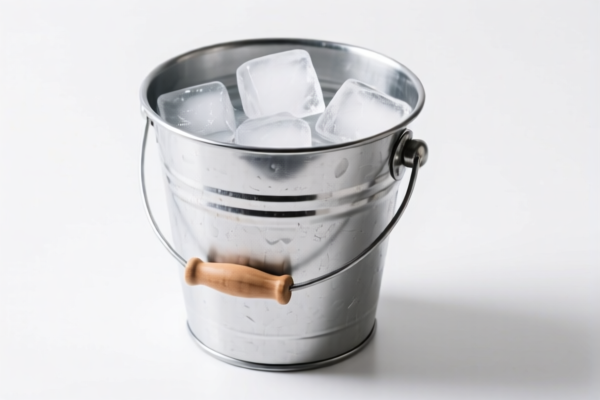
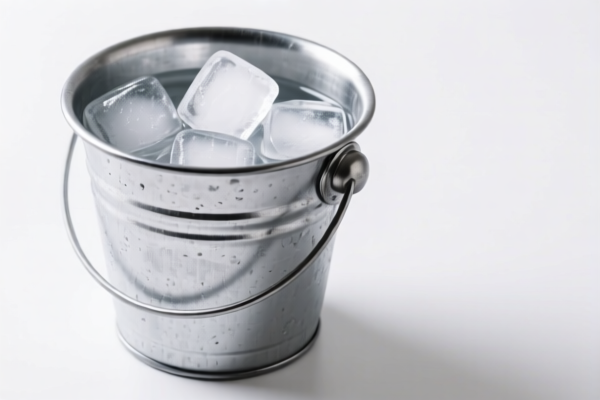
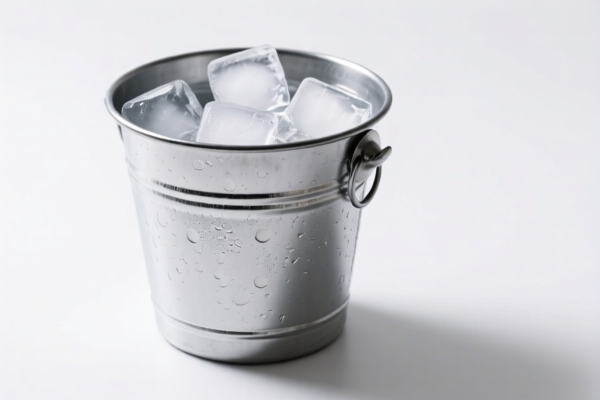
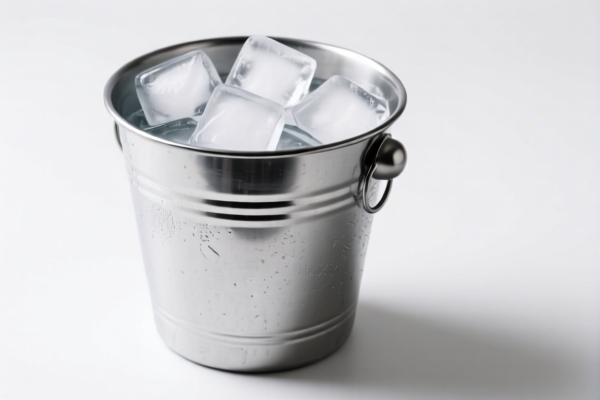
AI Analysis
❄️ Ice Bucket & Cooler Accessories (Plastics, Metal, Aluminum)
🌐 HS Code Reference & Customs Clearance Guide | 2026 Latest Tariff Analysis | Professional Tier 1 Strategy
📌 I. Product Definition & Classification: Do You Truly Understand "Ice Buckets"?
In international trade, "Ice Buckets" are not a single homogeneous category. They are split based on material and specific function. Misclassification here leads to catastrophic tax shocks due to recent "Steel, Aluminum, and Copper" surcharges.
Plastic Ice Buckets: Lightweight, molded plastic containers. Often classified under general "Tableware" or "Household Articles." Metal/Aluminum Ice Buckets: Double-walled stainless steel, aluminum, or coated metal coolers. These face aggressive Section 301 + Additional Section Tariffs.
⚠️ Key Distinction Point:
- If it is Plastic → Generally lower base duty, but subject to specific 7.5% add-ons depending on form (Tray vs. Other).
- If it is Stainless Steel/Iron → HIGHEST TAX BRACKET. Subject to 50% "Steel/Copper/Aluminum" surcharge + 25% Section 301.
- If it is Aluminum → Subject to 50% "Steel/Copper/Aluminum" surcharge + partial Section 301.
📦 II. HS Code Classification Details (2026 Latest Tariff Authority)
Below is the strict mapping based ONLY on the provided <DATA>.
| HS Code | Product Description | Material | Key Characteristics |
|---|---|---|---|
3924.10.40.00 |
Tableware, kitchenware, other household articles... of plastics: Other | Plastic | Generic plastic ice buckets, non-tray shaped, standard household use. |
3924.10.30.00 |
Tableware, kitchenware... of plastics: Trays | Plastic | Ice buckets designed as or included in plastic trays (e.g., bar serving trays with integrated ice wells). |
7323.99.90.30 |
Table, kitchen or other household articles... of iron or steel... | Iron/Steel | Food-Contact Specific: Other kitchen/tableware suitable for food/drink contact, not coated/plated with precious metal. |
7323.99.90.80 |
Table, kitchen or other household articles... of iron or steel... | Iron/Steel | Other: Not specified for food contact or general other steel household items. |
7615.10.91.00 |
Table, kitchen or other household articles... of aluminum... | Aluminum | Other aluminum tableware (non-cooking, non-enamelled/glazed specific variants). |
7615.10.71.80 |
Table, kitchen or other household articles... of aluminum... | Aluminum | Cooking/Kitchen ware: Not enameled/glazed, no non-stick finish. |
🔍 Critical Alert:
- Plastic items have relatively low base tariffs (3.1%-3.4%) but can jump to 12.8% if classified as "Trays."
- Steel/Iron items trigger the 50% "Steel, Aluminum, Copper Products" surcharge, resulting in a massive 78.4% total tax rate.
- Aluminum items trigger the 50% surcharge, resulting in 53.1% - 60.6% total tax rates.
- Do NOT assume all ice buckets are the same. Material declaration is the #1 factor in duty calculation.
💰 III. 2026 Latest Tariff Rate Breakdown (Detailed Clauses)
✅ Applicable Market: USA (US)
✅ Origin: China (CN)
✅ Effective Date: Current (Includes all active Section 301 and Sensitive Goods Surcharges)
🎯 1. 3924.10.40.00 —— Plastic Ice Bucket (Other)
| Item | Content |
|---|---|
| Base Duty | 3.4% |
| Add-on Duty | 0.0% |
| Total Tax Rate | 3.4% |
| Tax Clause Detail | Base Tariff: 3.4%, Additional Tariff: 0.0% |
| Why this rate? | Plastic tableware is not subject to the 50% "Steel/Al/Cu" surcharge. It is also exempt from the 25% Section 301 steel/aluminum tax. |
📌 Strategy:
- This is the LOWEST COST option.
- Ensure the product is NOT a "Tray" (see below).
- Use clear descriptions: "Plastic Ice Bucket, Molded, Non-Tray."
🎯 2. 3924.10.30.00 —— Plastic Ice Bucket (Tray)
| Item | Content |
|---|---|
| Base Duty | 5.3% |
| Add-on Duty | 7.5% |
| Total Tax Rate | 12.8% |
| Tax Clause Detail | Base Tariff: 5.3%, Additional Tariff: 7.5% |
| Why this rate? | Classified specifically as "Trays." The 7.5% add-on is likely a specific anti-dumping or supplementary duty on plastic trays or kitchenware trays. |
📌 Strategy:
- Avoid this code if possible. If your ice bucket is part of a bar tray, you may be forced into this code.
- If it is a standalone bucket, argue for3924.10.40.00.
🎯 3. 7323.99.90.30 —— Steel/Iron Ice Bucket (Food Contact)
| Item | Content |
|---|---|
| Base Duty | 3.4% |
| Section 301 Add-on | 25.0% |
| Steel/Al/Cu Surcharge | 50.0% |
| Total Tax Rate | 78.4% |
| Tax Clause Detail | Base: 3.4%, Add-on: 25.0%, Steel/Al/Cu Surcharge: 50% |
| Why this rate? | This is the PEAK TAX BRACKET. Iron/Steel household articles are hit with BOTH the 25% Section 301 tariff AND the 50% surcharge on steel products. |
📌 Strategy:
- Extremely High Cost. Only use if you have no alternative.
- Ensure the "Food Contact" designation is accurate (...suitable for food or drink contact).
- Consider switching to Aluminum or Plastic if margins are thin.
🎯 4. 7323.99.90.80 —— Steel/Iron Ice Bucket (Other)
| Item | Content |
|---|---|
| Base Duty | 3.4% |
| Section 301 Add-on | 25.0% |
| Steel/Al/Cu Surcharge | 50.0% |
| Total Tax Rate | 78.4% |
| Tax Clause Detail | Base: 3.4%, Add-on: 25.0%, Steel/Al/Cu Surcharge: 50% |
| Why this rate? | Same as above. The "Other" classification does not exempt it from the 50% steel surcharge. |
🎯 5. 7615.10.91.00 —— Aluminum Ice Bucket (Other)
| Item | Content |
|---|---|
| Base Duty | 3.1% |
| Section 301 Add-on | 7.5% |
| Al/Surcharge | 50.0% |
| Total Tax Rate | 60.6% |
| Tax Clause Detail | Base: 3.1%, Add-on: 7.5%, Steel/Al/Cu Surcharge: 50% |
| Why this rate? | Aluminum is subject to the 50% surcharge but typically only 7.5% in Section 301 add-ons (compared to 25% for steel). |
📌 Strategy:
- Moderate-High Cost. Better than Steel (78.4%) but still expensive due to the 50% Al surcharge.
- Ensure it is not "Enamelled/Glazed" (see next code).
🎯 6. 7615.10.71.80 —— Aluminum Ice Bucket (Non-Enamelled)
| Item | Content |
|---|---|
| Base Duty | 3.1% |
| Section 301 Add-on | 0.0% |
| Al/Surcharge | 50.0% |
| Total Tax Rate | 53.1% |
| Tax Clause Detail | Base: 3.1%, Add-on: 0.0%, Steel/Al/Cu Surcharge: 50% |
| Why this rate? | This is the OPTIMAL Aluminum Code. It avoids the 7.5% Section 301 add-on (likely because it's classified as "Cooking/Kitchen Ware" rather than general tableware) but still pays the 50% Al surcharge. |
📌 Strategy:
- Best Metal Option. If you must sell aluminum, ensure the description matches: "Aluminum kitchen ware, not enamelled, no non-stick finish."
- Savings vs. Steel: 25.3% lower total tax.
🛠️ IV. Customs Clearance Practical Advice (Real-World Pitfall Guide)
✅ 1. Documentation Checklist (Non-Negotiable)
| Document | Required | Notes |
|---|---|---|
| ✅ Product Specification Sheet | ✔️ | Must explicitly state Material (Plastic/Steel/Aluminum). |
| ✅ HS Code Pre-Advice | ✔️ | Request a binding ruling if the value is >$10,000. |
| ✅ Commercial Invoice | ✔️ | Must distinguish between "Ice Bucket" and "Ice Bucket Tray." |
| ✅ Material Declaration | ✔️ | CRITICAL: "100% Plastic" vs. "304 Stainless Steel" vs. "Aluminum Alloy." |
| ✅ Food Contact Compliance | ✔️ | For steel/plastic: FDA compliance statement if intended for food/drink. |
✅ 2. Declaration Strategy (The "Save 50%" Rules)
| Scenario | Correct HS Code | Avoid | Why? |
|---|---|---|---|
| Standard Plastic Ice Bucket | 3924.10.40.00 |
3924.10.30.00 |
Avoid "Tray" classification to save 9.4% (3.4% vs 12.8%). |
| Aluminum Bucket (Plain) | 7615.10.71.80 |
7615.10.91.00 |
Select "Non-Enamelled/Kitchen Ware" to save 7.5% (53.1% vs 60.6%). |
| Steel Bucket | 7323.99.90.30 |
Any Aluminum Code | Cannot avoid 78.4%. Consider switching material if volume is high. |
🔥 Golden Rule:
"Plastic is Cheap, Aluminum is Medium, Steel is Expensive."
- If you can switch from Steel to Aluminum, you save 25.3%.
- If you can switch from Aluminum to Plastic, you save 49.7%.
✅ 3. Special Handling & Pitfalls
| Pitfall | Consequence | Solution |
|---|---|---|
| Mislabeling Plastic as "Tray" | Tax jumps from 3.4% to 12.8% | Use "Ice Bucket" in title, not "Serving Tray with Ice Well." |
| Describing Aluminum as "Steel" | Tax becomes 78.4% instead of 53.1% | Be precise! "Aluminum Alloy" ≠ "Stainless Steel." |
| Ignoring "Food Contact" Status | Potential seizure or wrong code (80 vs 30) |
For steel, specify "Suitable for food contact" to use 7323.99.90.30 (same tax as .80 but more compliant). |
| Overlooking the 50% Surcharge | Cash flow crisis | All Metal ice buckets (Steel/Al) face the 50% surcharge. Budget accordingly. |
🌍 V. Global Market Comparison (Contextual Note)
| Market | Plastic Ice Bucket | Steel Ice Bucket | Aluminum Ice Bucket |
|---|---|---|---|
| 🇺🇸 USA | 3.4% (Optimal) | 78.4% (Avoid) | 53.1% (Moderate) |
| 🇨🇳 China | ~5-10% (Import) | ~5-10% (Import) | ~5-10% (Import) |
| 🇪🇺 EU | ~1.7% | ~1.7% | ~1.7% |
📌 Conclusion:
- The USA market is uniquely punitive for metal household goods.
- Plastic is the only cost-effective material for the US market among these options.
- If you must sell Metal, Aluminum is significantly better than Steel due to lower Section 301 add-ons.
📌 VI. Common Errors & Blood-Curdling Lessons
❌ Error 1: Declaring a "Stainless Steel Ice Bucket" as "Plastic"
👉 Consequence: Fraud investigation, seizure, and fines. Customs uses X-ray and density tests.
❌ Error 2: Calling a "Plastic Bucket with Metal Lid" a "Steel Product"
👉 Consequence: You pay 78.4% on the entire value.
👉 Fix: If it's mostly plastic, argue for plastic code, but be prepared to justify. If 50%+ metal by value, it may be classified as metal.
❌ Error 3: Ignoring the "Tray" Clause for Plastic
👉 Consequence: Paying 12.8% instead of 3.4%.
👉 Fix: If the item is a standalone bucket, do NOT call it a "Tray" in the commercial invoice.
✅ Correct Declaration Example:
"Plastic Ice Bucket, Model XYZ, 2L Capacity, Food Grade Polypropylene, Not a Tray."
HS Code:3924.10.40.00| Tax: 3.4%"Aluminum Insulated Ice Bucket, Non-Enamelled, Kitchen Use, Model ABC."
HS Code:7615.10.71.80| Tax: 53.1%
🎯 VII. Conclusion: Precision Saves Millions
🎯 Remember the Mantra:
🔹 "Plastic First, Aluminum Second, Steel is the Last Resort."
🔹 "Check for 'Tray' – it costs 9.4% more on plastic."
🔹 "Aluminum saves 25% vs Steel due to lower Section 301."
📌 Pro Tip:
For high-volume imports, apply for an Advance Ruling from CBP if your product design is unique (e.g., "Plastic bucket with steel liner"). This locks in the HS Code and prevents post-entry audits.
📣 Immediate Action:
📞 Audit Your BOM (Bill of Materials): Is it Plastic, Steel, or Aluminum?
📝 Revise Your Invoice: Remove "Tray" from plastic buckets.
🚀 Optimize Your Material Choice: Switch to Plastic or Aluminum to save tens of thousands in duties.
✨ Professional Customs Clearance Starts with Accurate Material Declaration!
💼 Every 1% of Tax Saved is Pure Profit!
Customer Reviews
About HS Code Classification
The Harmonized System (HS) is an internationally standardized nomenclature developed by the World Customs Organization (WCO) to classify traded products. Over 200 countries use the HS system as the basis for customs tariffs, trade statistics, and import/export regulations.
Each HS code follows a hierarchical structure:
- Chapter (2 digits) — Broad category of goods (e.g., Chapter 84: Machinery and Mechanical Appliances)
- Heading (4 digits) — More specific grouping within the chapter
- Subheading (6 digits) — Internationally standardized breakdown, used by all WCO member countries
- National subdivisions (8-10 digits) — Country-specific extensions for further classification, such as US HTSUS 10-digit codes
Correct HS code classification is essential for smooth customs clearance, accurate duty payment, and compliance with trade regulations. Misclassification can lead to customs delays, overpayment of duties, or penalties.
When importing from CN to US, the applicable tariff rates may include:
- Most-Favored-Nation (MFN) rate — The standard duty rate applied to WTO members
- General rate — Applied to countries without trade agreements
- Trade remedy duties — Additional tariffs such as Section 301 (anti-dumping), Section 232 (national security), or countervailing duties
The information provided on this page is for reference purposes only. For official classification, please consult with your local customs authority or a licensed customs broker.