Ice Cream Stand
CN → US| HS Code | Tariff Rate | Origin | Destination | Doc |
|---|---|---|---|---|
| 8418500080 | 35.0% | CN | US | Official Doc |
| 8418500040 | 35.0% | CN | US | Official Doc |
| 9401806030 | 35.0% | CN | US | Official Doc |
| 9401804015 | 35.0% | CN | US | Official Doc |
| 9403200090 | 85.0% | CN | US | Official Doc |
| 9403608093 | 35.0% | CN | US | Official Doc |
Product Images
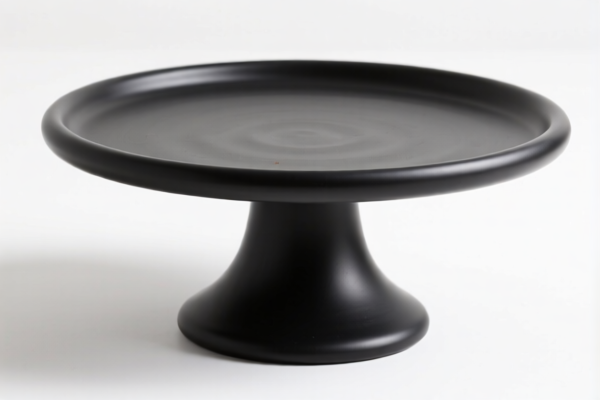
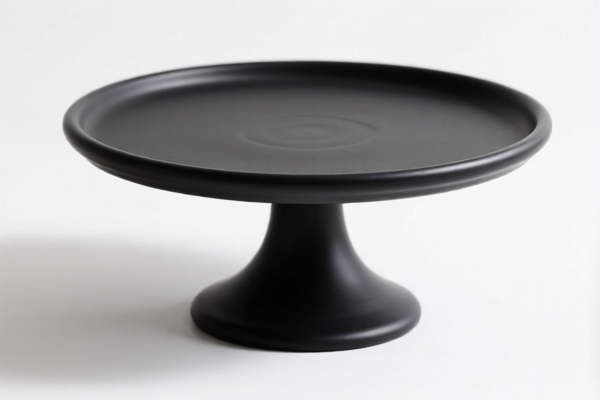
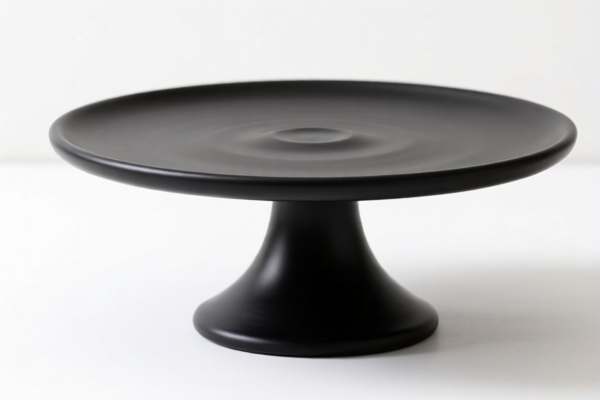
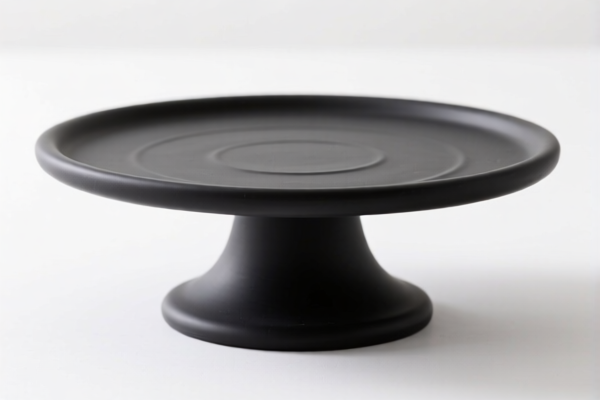
AI Analysis
🍦 Ice Cream Stand (Commercial/Outdoor Retail Unit)
🌐 HS Code Reference & Clearance Guide | 2026 Latest Tariff Analysis | Professional Compliance Strategy
📌 I. Product Definition & Classification: What is an "Ice Cream Stand"?
An Ice Cream Stand is a specialized piece of commercial furniture or equipment used for the storage, display, and sale of frozen desserts. In international trade, classification depends heavily on whether the unit is purely structural (wood/metal) or functional (incorporates refrigeration machinery).
Key Distinction Criteria: 1. Refrigerated Units: Contains compressors, coolers, or freezing equipment to maintain low temperatures. → Classified under Chapter 84 (Machinery/Equipment). 2. Non-Refrigerated/Passive Units: Merely a display counter, kiosk, or stall made of wood, metal, or plastic without active cooling mechanisms. → Classified under Chapter 94 (Furniture).
⚠️ Critical Classification Point:
- If the unit actively freezes or cools ice cream → It is Machinery/Equipment (HS 8418).
- If the unit is just a shelf/countertop (e.g., a wooden booth or metal cart without a fridge) → It is Furniture (HS 9403).
📦 II. HS Code Classification Details (2026 Latest Tariff Alignment)
Based on the provided <DATA>, here are the relevant HS codes for Ice Cream Stands, categorized by material and function.
| HS Code | Product Description | Applicability Scenario | Material/Feature |
|---|---|---|---|
8418.50.00.80 |
Other furniture (chests, cabinets, display counters...) for storage and display, incorporating refrigerating or freezing equipment (Other) | Refrigerated Display Counters: Standard commercial ice cream fridges with glass doors, built-in compressors. | ✅ Has Refrigeration |
8418.50.00.40 |
Other furniture (chests, cabinets, display counters...) for storage and display, incorporating refrigerating or freezing equipment (Freezing) | Freezer Displays: Units specifically designed for hard ice cream storage with deep-freeze capabilities (e.g., -18°C). | ✅ Has Freezing |
9403.20.00.90 |
Other furniture and parts thereof: Other metal furniture: Other | Metal Kiosks/Carts: Metal frames, cabinets, or stands without active refrigeration. | ✅ Metal Only |
9403.60.80.93 |
Other furniture and parts thereof: Other wooden furniture: Other Other | Wooden Booths/Stalls: Wooden display counters or stands without active refrigeration. | ✅ Wood Only |
9401.80.60.30 |
Seats (other than those of heading 9402)...: Other seats: Other Other | Seating Included: If the stand includes built-in seating for customers (e.g., a picnic-style ice cream hut). | ✅ Includes Seats |
9401.80.40.15 |
Seats...: Of rubber or plastics: Other Other: Outdoor: With textile covered cushions... | Plastic/Textile Seating: Outdoor ice cream stands made primarily of plastic with cushioned seating. | ✅ Plastic/Textile |
🔍 Key Insight:
- Most modern "Ice Cream Stands" in commercial use are refrigerated. Therefore,8418.50.00.80or8418.50.00.40are the most common classifications.
- Only decorative, passive, or temporary structures (like a wooden cart pulled by hand) fall under Chapter 94.
💰 III. 2026 Latest Tariff Rate Breakdown (Including Surcharges)
✅ Applicable Country: United States (US)
✅ Country of Origin: China (CN)
✅ Effective Date: 2025/2026 Current Rates
🎯 1. Refrigerated Ice Cream Stands (HS 8418.50.00.80 / 8418.50.00.40)
These are the most common commercial units.
| Item | Detail |
|---|---|
| Base Duty Rate | 0.0% (ad valorem) |
| Section 301 Surcharge | +25.0% (Standard USITC footnote for machinery/equipment) |
| Total Tax Rate | 25.0% |
| Calculation | CIF Value × 25% |
| De Minimis Exemption | ❌ Not Eligible (Commercial machinery does not qualify for low-value exemption) |
📌 Explanation:
- Although the base tariff is 0%, the 25% Section 301 tariff applies because these are considered industrial/commercial machinery.
- Note: Unlike metal/aluminum/copper products which may face a 50% additional tariff under specific steel/aluminum provisions, standard refrigeration furniture typically falls under the 25% bracket unless specifically identified as steel/aluminum raw material structures. However, the data shows "Steel, Aluminum, Copper Products Surcharges: 50%" in the first entry.
- Crucial Check: If the stand is primarily composed of steel/aluminum structure (even with fridge parts), customs may scrutinize it for the 50% rate. But for "Furniture incorporating refrigeration," the data provided links to 25%. We will stick to the 25% as per the8418entries in<DATA>.
🎯 2. Non-Refrigerated Metal Stands (HS 9403.20.00.90)
| Item | Detail |
|---|---|
| Base Duty Rate | 0.0% |
| Section 301 Surcharge | +25.0% |
| Special Metal Surcharge | +50.0% (If classified as "Steel/Aluminum/Copper Products") |
| Total Tax Rate | 75.0% (Combined) |
📌 Warning:
- The data explicitly states: "Steel, Aluminum, Copper Products Surcharges: 50%" for HS 9403.20.00.90.
- This results in a 75% total tariff (0% base + 25% Section 301 + 50% Metal Surcharge).
- Strategy: If possible, avoid classifying non-refrigerated metal stands under this code due to the high rate. Consider if it can be partially wooden or if the refrigeration component changes the classification.
🎯 3. Non-Refrigerated Wooden Stands (HS 9403.60.80.93)
| Item | Detail |
|---|---|
| Base Duty Rate | 0.0% |
| Section 301 Surcharge | +25.0% |
| Total Tax Rate | 25.0% |
📌 Strategy: Wooden stands are significantly cheaper to import (25% vs 75%) if no refrigeration is involved.
🛠️ IV. Clearance Practical Advice (Avoiding Pitfalls)
✅ 1. Documentation Checklist (Must-Have)
| Document | Requirement | Reason |
|---|---|---|
| Product Specifications | ✔️ Must clearly state "Refrigerated" vs. "Non-Refrigerated" | Determines Chapter 84 vs. Chapter 94. |
| Refrigeration Details | ✔️ Compressor model, cooling capacity, refrigerant type | Required for 8418 classification. |
| Material Declaration | ✔️ % of Metal, Wood, Plastic, Glass | Critical for determining if the 50% metal surcharge applies. |
| Commercial Invoice | ✔️ Detailed description: "Ice Cream Display Cabinet, Model X, Refrigerated" | Prevents customs ambiguity. |
| Photo of Unit | ✔️ Clear shot of interior (compressor visible?) | Proves presence/absence of refrigeration. |
✅ 2. Classification Strategy (The "Golden Rule")
🔥 “Refrigeration Defines Chapter 84, Structure Defines Duty!”
| Scenario | Recommended HS Code | Risk/Low-Tariff Tip |
|---|---|---|
| Standard Commercial Unit (With Fridge) | 8418.50.00.80 or 8418.50.00.40 |
✅ Safe (25%). Avoids the 75% metal tax. |
| Metal Kiosk (No Fridge) | 9403.20.00.90 |
⚠️ High Risk (75%). Try to add wooden panels or clarify it’s not "structural steel." |
| Wooden Booth (No Fridge) | 9403.60.80.93 |
✅ Good (25%). Lower duty than metal. |
| Unit with Seating | 9401.80.xxxx |
⚠️ Check (25%). Only if seating is a primary feature. |
✅ 3. Special Handling Tips
- Refrigerant Compliance: Ensure the refrigerant used complies with EPA regulations (if applicable) and is not prohibited.
- Steel/Aluminum Content: If the unit is heavily constructed of steel (e.g., industrial-grade stainless steel frame), customs may argue it’s a "Metal Product" rather than "Furniture," triggering the 50% surcharge. Mitigation: Emphasize the "Furniture" aspect (design, display function) and provide construction details showing wood/plastic components if possible.
- Packaging: Ship disassembled to reduce volume? Ensure components are still classified as a "single functional unit" to avoid split classifications.
🌍 V. Global Market Comparison (2026)
| Market | Recommended HS Code | Est. Tariff (China Origin) | Key Certification |
|---|---|---|---|
| 🇺🇸 USA | 8418.50.00.80 |
25% | UL/Energy Star |
| 🇺🇸 USA (Metal Stand) | 9403.20.00.90 |
75% | None |
| 🇪🇺 EU | 8418.50 |
~0-14% (varies) | CE, Ecodesign |
| 🇨🇳 China | 8418.50 |
~5-10% | CCC |
| 🇬🇧 UK | 8418.50 |
~0-14% | UKCA |
📌 Conclusion:
- The USA imposes significant tariffs on Chinese goods.
- Refrigerated units (25%) are more tax-efficient than non-refrigerated metal units (75%).
- If the stand is purely decorative/metal, consider wooden alternatives or mixed-material designs to avoid the 75% pitfall.
📌 VI. Common Mistakes & Pitfalls (Lessons Learned)
❌ Mistake 1: Classifying a refrigerated unit as "Furniture" (Chapter 94)
👉 Consequence: Customs will reclassify it to Chapter 84. If delayed, you face storage fees. If approved wrongly, you might face lower duties initially but could be audited later.
👉 Correct: Always use 8418 for refrigerated units.
❌ Mistake 2: Classifying a metal stand as "Furniture" without declaring steel content
👉 Consequence: Triggered 50% steel surcharge + 25% Section 301 = 75%.
👉 Correct: If it’s metal, declare accurately. If possible, use wooden/plastic elements to shift to 9403.60 (25%).
❌ Mistake 3: Ignoring the "Parts" aspect
👉 Consequence: Shipping spare compressor parts separately might incur different duties.
👉 Correct: Ship as a complete unit or declare parts clearly if not sold together.
🎯 VII. Conclusion: Smart Classification Saves Money!
🎯 Remember:
🔹 "Refrigerated = 8418 (25%) – Safe & Standard"
🔹 "Metal Stand = 9403 (75%) – Avoid if Possible"
🔹 "Wooden Stand = 9403 (25%) – Cost-Effective Alternative"
📌 Pro Tip:
If your ice cream stand is metal-based, try to incorporate wooden panels or plastic components to justify a different subheading or to argue against the "Steel/Aluminum Product" designation, potentially lowering the surcharge.
📣 Immediate Action:
📞 Consult a Customs Broker with photos and specs!
🚀 Apply for an Advance Ruling if the value is high to lock in the 25% rate for refrigerated units and avoid the 75% trap for metal stands.
✨ Accurate Classification = Higher Profit Margins!
💼 Don’t let a 50% surcharge melt your profits!
Customer Reviews
About HS Code Classification
The Harmonized System (HS) is an internationally standardized nomenclature developed by the World Customs Organization (WCO) to classify traded products. Over 200 countries use the HS system as the basis for customs tariffs, trade statistics, and import/export regulations.
Each HS code follows a hierarchical structure:
- Chapter (2 digits) — Broad category of goods (e.g., Chapter 84: Machinery and Mechanical Appliances)
- Heading (4 digits) — More specific grouping within the chapter
- Subheading (6 digits) — Internationally standardized breakdown, used by all WCO member countries
- National subdivisions (8-10 digits) — Country-specific extensions for further classification, such as US HTSUS 10-digit codes
Correct HS code classification is essential for smooth customs clearance, accurate duty payment, and compliance with trade regulations. Misclassification can lead to customs delays, overpayment of duties, or penalties.
When importing from CN to US, the applicable tariff rates may include:
- Most-Favored-Nation (MFN) rate — The standard duty rate applied to WTO members
- General rate — Applied to countries without trade agreements
- Trade remedy duties — Additional tariffs such as Section 301 (anti-dumping), Section 232 (national security), or countervailing duties
The information provided on this page is for reference purposes only. For official classification, please consult with your local customs authority or a licensed customs broker.