Ice Cube Mold
CN → US| HS Code | Tariff Rate | Origin | Destination | Doc |
|---|---|---|---|---|
| 7323999080 | 88.4% | CN | US | Official Doc |
| 7323999030 | 88.4% | CN | US | Official Doc |
| 3924104000 | 13.4% | CN | US | Official Doc |
| 3924905650 | 20.9% | CN | US | Official Doc |
| 6911900050 | 22.9% | CN | US | Official Doc |
| 6911108090 | 38.3% | CN | US | Official Doc |
Product Images
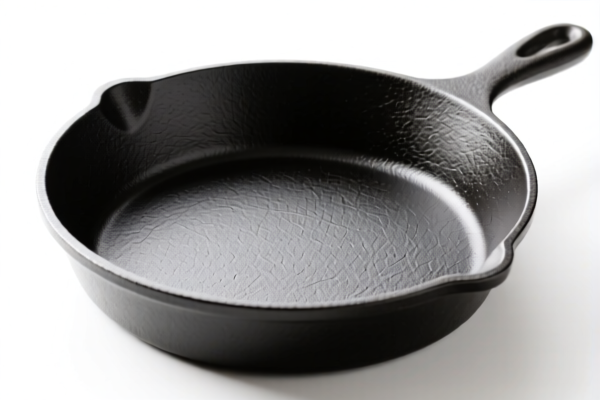
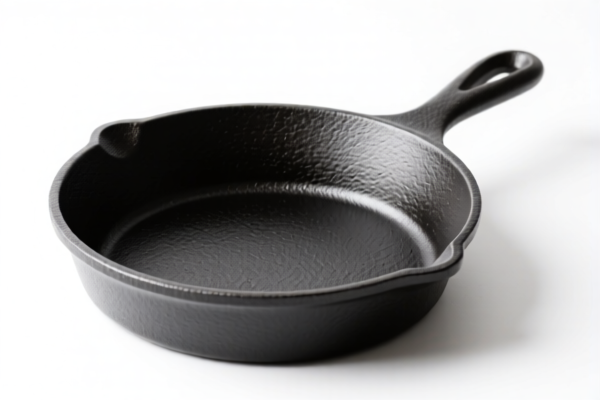
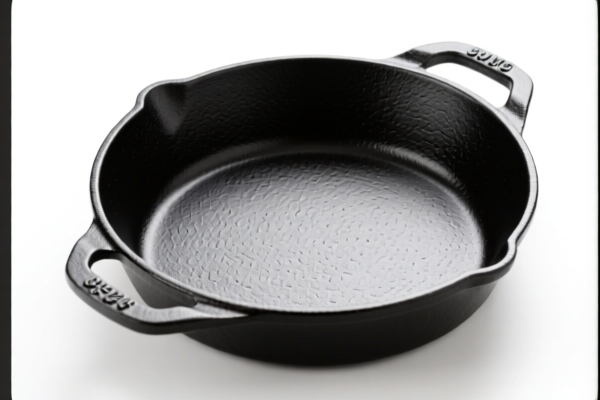
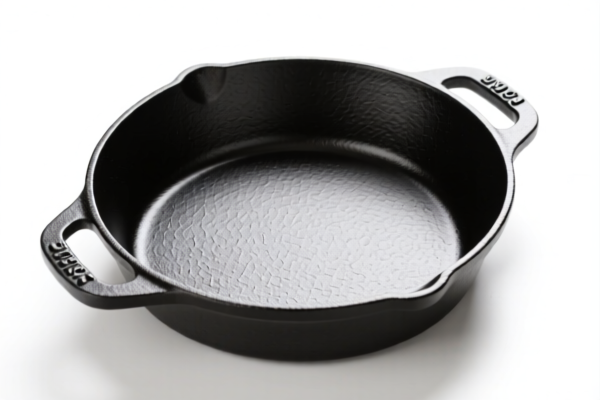
AI Analysis
🧊 Ice Cube Mold (Trays & Accessories)
🌐 HS Code Reference & Customs Clearance Guide | 2024/2025 Latest Tariff Rates | Professional-Level Strategy
📌 I. Product Definition & Classification: Do You Truly Understand "Ice Cube Molds"?
Ice cube molds are essential kitchenware used for freezing water into solid cubes. In international trade, they are strictly categorized by material. The tariff impact varies drastically between plastics, porcelain, and metal.
⚠️ Critical Distinction:
- Plastic Molds: Flexible (silicone/TPR) or Rigid (Polycarbonate/PP).
- Ceramic/China Molds: Rigid, brittle, glazed.
- Metal Molds: Stainless steel or other alloys, often with handles or lids.
📦 II. HS Code Classification Details (Based on Provided Data)
| HS Code | Product Description | Material | Applicable Scenario |
|---|---|---|---|
3924.10.40.00 |
Tableware and kitchenware, of plastics: Other | Plastic | Silicone, PP, or PC molds. General purpose. |
3924.90.56.50 |
Tableware, kitchenware... of plastics: Other: Other Other | Plastic | Non-standard plastic molds or accessories not listed in 3924.10. |
6911.90.00.50 |
Tableware... of porcelain or china: Other Other | Porcelain/China | Ceramic ice trays, often decorative or for slow-melt ice. |
6911.10.80.90 |
Tableware and kitchenware, of porcelain or china: Other | Porcelain/China | Standard porcelain tableware intended for food/drink contact. |
7323.99.90.30 |
Articles of iron or steel: Other Kitchen or tableware suitable for food or drink contact | Stainless Steel/Metal | Reusable stainless steel ice cube trays (e.g., magnetic or hinged). |
7323.99.90.80 |
Articles of iron or steel: Other: Other Other | Stainless Steel/Metal | Other metal household articles (less specific for food contact). |
🔍 Key Insight:
- Plastic and Porcelain items have low base tariffs but may face different Section 301/Retaliatory tariffs.
- Metal (Steel) items face extremely high tariffs due to recent trade measures (Steel/Aluminum/Copper surcharges).
- Do not mix materials in one HS Code declaration. Silicone is classified as Plastic (3924) in many jurisdictions for trade purposes, not Rubber.
💰 III. 2024/2025 Tariff Rate Breakdown (Detailed Tax Clauses)
✅ Applicable Context: Based on the provided tax data, this analysis reflects rates involving Base Tariffs + Additional Surcharges (likely reflecting US-China trade war or similar retaliatory measures).
✅ Note: The "Additional Tariff" column includes Section 301/Retaliatory duties as indicated in thetax_detail.
🎯 1. 3924.10.40.00 – Plastic Tableware/Kitchenware (Most Common)
| Item | Detail |
|---|---|
| Product | Plastic Ice Cube Molds (Silicone/PP) |
| Base Tariff | 3.4% |
| Additional Tariff | 0.0% |
| Total Effective Rate | 3.4% |
| Tax Detail | 基础关税: 3.4%, 加征关税: 0.0% |
| Legal Basis | HS 3924.10.40.00 under Plastic Articles Chapter |
📌 Explanation:
- This is the most cost-effective classification for standard plastic ice trays.
- No additional surcharges are applied to this specific sub-code in the provided data.
- Recommendation: Use this code for standard silicone, PP, or polycarbonate molds.
🎯 2. 3924.90.56.50 – Other Plastic Kitchenware
| Item | Detail |
|---|---|
| Product | Other Plastic Tableware/Kitchenware |
| Base Tariff | 0.0% |
| Additional Tariff | 0.0% |
| Total Effective Rate | 0.0% |
| Tax Detail | 基础关税: 0.0%, 加征关税: 0.0% |
| Legal Basis | HS 3924.90.56.50 |
📌 Explanation:
- If your plastic mold is considered "other" (not standard tableware), it may qualify for 0% duty.
- Risk: Customs may dispute this if the item is clearly "tableware," forcing reclassification to3924.10.40.00.
- Strategy: Only use if your product is not strictly "tableware" (e.g., specialized laboratory or industrial plastic trays).
🎯 3. 6911.90.00.50 – Porcelain/China Household Articles
| Item | Detail |
|---|---|
| Product | Porcelain/China Ice Trays |
| Base Tariff | 5.4% |
| Additional Tariff | 7.5% |
| Total Effective Rate | 12.9% |
| Tax Detail | 基础关税: 5.4%, 加征关税: 7.5% |
| Legal Basis | HS 6911.90.00.50 |
📌 Explanation:
- Ceramic molds incur a 12.9% total tariff.
- The 7.5% additional tariff is significant.
- Strategy: Use this only if you are exporting high-end, decorative ceramic ice molds.
🎯 4. 6911.10.80.90 – Porcelain/Tableware (Specific)
| Item | Detail |
|---|---|
| Product | Porcelain Tableware/Kitchenware |
| Base Tariff | 20.8% |
| Additional Tariff | 7.5% |
| Total Effective Rate | 28.3% |
| Tax Detail | 基础关税: 20.8%, 加征关税: 7.5% |
| Legal Basis | HS 6911.10.80.90 |
📌 Explanation:
- This code has the highest tariff among porcelain items (28.3%).
- It applies to specific porcelain tableware items.
- Warning: Avoid this code for ice molds unless strictly required; prefer6911.90.00.50for lower rates.
🎯 5. 7323.99.90.30 – Stainless Steel Tableware (Food Contact)
| Item | Detail |
|---|---|
| Product | Stainless Steel Ice Cube Trays |
| Base Tariff | 3.4% |
| Additional Tariff | 25.0% (Steel) + 50% (Steel/Aluminum/Copper Surcharge) |
| Total Effective Rate | 78.4% |
| Tax Detail | 基础关税: 3.4%, 加征关税: 25.0%钢,铝铜制品加征关税: 50% |
| Legal Basis | HS 7323.99.90.30 |
📌 Explanation:
- DANGEROUS RATE: 78.4% total tariff.
- The 50% surcharge for "Steel, Aluminum, Copper Products" is applied on top of the 25% Section 301 tariff.
- Strategy: AVOID importing stainless steel ice molds from China to these markets. The cost will be prohibitive.
- Note: This code specifically requires the item to be "suitable for food or drink contact."
🎯 6. 7323.99.90.80 – Other Stainless Steel Articles
| Item | Detail |
|---|---|
| Product | Other Steel Household Articles |
| Base Tariff | 3.4% |
| Additional Tariff | 25.0% (Steel) + 50% (Steel/Aluminum/Copper Surcharge) |
| Total Effective Rate | 78.4% |
| Tax Detail | 基础关税: 3.4%, 加征关税: 25.0%钢,铝铜制品加征关税: 50% |
| Legal Basis | HS 7323.99.90.80 |
📌 Explanation:
- Same 78.4% tariff as the food-contact steel code.
- Applies to non-specific steel articles.
- Strategy: Not recommended for commercial ice mold imports.
🛠️ IV. Customs Clearance Practical Advice (Real-World Pitfall Guide)
✅ 1. Material Declaration is Key
| Material | Correct HS Code | Tariff Rate | Risk Level |
|---|---|---|---|
| Silicone/PP/PC | 3924.10.40.00 |
3.4% | ✅ Low |
| Porcelain/Ceramic | 6911.90.00.50 |
12.9% | ⚠️ Medium |
| Stainless Steel | 7323.99.90.30 |
78.4% | ❌ High |
📌 Critical Tip:
- Silicone is NOT Rubber. In many tariff schedules, silicone rubber goods are classified under Chapter 39 (Plastics) if they are not vulcanized rubber in the strict legal sense, or under specific subheadings. However, the provided data places "Tableware... of plastics" at3924.10.40.00. Ensure your supplier classifies silicone as "Plastic" for HS purposes if aiming for the 3.4% rate.
- Metal molds are heavily penalized. If you must import steel molds, consider sourcing from Vietnam, Mexico, or Thailand to avoid the "China-origin" surcharges (50% + 25%).
✅ 2. Documentation Checklist
| Document | Requirement |
|---|---|
| Product Description | Must specify material: "Food-Grade Silicone Ice Mold" vs. "Stainless Steel Ice Tray". |
| Photos | Clear images showing flexibility (for plastic) or rigidity (for metal/ceramic). |
| Material Certificate | FDA/ LFGB compliance for food-contact items. |
| Commercial Invoice | Clearly state "HS Code: 3924.10.40.00" and "Value: $X". |
✅ 3. Special Cases
| Case | Advice |
|---|---|
| Mixed Packaging | Do not pack steel molds with plastic molds in one shipment under one HS Code. Declare separately. |
| Custom Design | If the mold has a unique shape, still classify by material. Shape does not change HS Code for tableware. |
| Gift Sets | If ice molds are part of a kitchen gift set, the principal item determines the classification. If ice mold is main item, classify as ice mold. |
🌍 V. Global Market Comparison (2024/2025)
| Market | Recommended HS Code | Estimated Tariff (China Origin) | Notes |
|---|---|---|---|
| USA | 3924.10.40.00 |
3.4% | Best for plastic. Avoid steel (78.4%). |
| EU | 3924.10.00 |
0-4% | Standard plastic tableware. |
| China | 3924.10.40.00 |
3.4% | Base rate. No additional surcharges. |
| Vietnam | 3924.10.40.00 |
0% (if local content) | Consider reshaping supply chain. |
📌 Conclusion:
- Plastic (Silicone/PP) is the safest and cheapest option for importing ice cube molds.
- Stainless Steel is prohibitively expensive due to dual surcharges (25% + 50%).
- Porcelain is moderate but heavier and more fragile for shipping.
📌 VI. Common Errors & Pitfalls (Lessons Learned)
❌ Error 1: Declaring Silicone as "Rubber" (4016.93)
👉 Consequence: May face different tariffs or regulatory hurdles. Stick to 3924 for tableware.
👉 Result: Potential misclassification penalties.
❌ Error 2: Using 7323.99.90.80 for a Food-Contact Steel Tray
👉 Consequence: Customs may require 7323.99.90.30 (food contact), but both have 78.4% tariff.
👉 Result: No savings, just administrative hassle. Avoid steel entirely.
❌ Error 3: Not specifying Material in Invoice
👉 Consequence: Customs may inspect and reclassify, leading to delays and higher duties.
👉 Result: Shipment held for inspection.
✅ Correct Practice:
"Ice Cube Mold, Food-Grade Silicone, BPA-Free, 12-Cavity, HS Code: 3924.10.40.00"
🎯 VII. Conclusion: Smart Sourcing for Maximum Profit
🎯 Key Takeaway:
🔹 Plastic (Silicone/PP) = 3.4% Tariff → BEST OPTION
🔹 Porcelain = 12.9% Tariff → GOOD FOR LUXURY
🔹 Stainless Steel = 78.4% Tariff → AVOID FROM CHINA
📌 Pro Tip:
If you must use Stainless Steel, consider sourcing from non-China origins (e.g., Vietnam, Turkey) to avoid the 50% Steel Surcharge. The 3.4% base tariff remains, but you save the 75% in surcharges.
📣 Action Plan:
✅ For Plastic Molds: Use HS
3924.10.40.00.
✅ For Steel Molds: Source from Vietnam/Mexico or switch to Plastic.
✅ Documentation: Clearly state material and food-contact compliance.
✨ Customs Clearance Starts with Accurate Classification!
💼 Save 75% by Avoiding Steel from China!
Customer Reviews
About HS Code Classification
The Harmonized System (HS) is an internationally standardized nomenclature developed by the World Customs Organization (WCO) to classify traded products. Over 200 countries use the HS system as the basis for customs tariffs, trade statistics, and import/export regulations.
Each HS code follows a hierarchical structure:
- Chapter (2 digits) — Broad category of goods (e.g., Chapter 84: Machinery and Mechanical Appliances)
- Heading (4 digits) — More specific grouping within the chapter
- Subheading (6 digits) — Internationally standardized breakdown, used by all WCO member countries
- National subdivisions (8-10 digits) — Country-specific extensions for further classification, such as US HTSUS 10-digit codes
Correct HS code classification is essential for smooth customs clearance, accurate duty payment, and compliance with trade regulations. Misclassification can lead to customs delays, overpayment of duties, or penalties.
When importing from CN to US, the applicable tariff rates may include:
- Most-Favored-Nation (MFN) rate — The standard duty rate applied to WTO members
- General rate — Applied to countries without trade agreements
- Trade remedy duties — Additional tariffs such as Section 301 (anti-dumping), Section 232 (national security), or countervailing duties
The information provided on this page is for reference purposes only. For official classification, please consult with your local customs authority or a licensed customs broker.