Ice Cube Silicone Mold
CN → US| HS Code | Tariff Rate | Origin | Destination | Doc |
|---|---|---|---|---|
| 3926909905 | 22.8% | CN | US | Official Doc |
| 3924905650 | 20.9% | CN | US | Official Doc |
| 3924104000 | 13.4% | CN | US | Official Doc |
| 3926909989 | 22.8% | CN | US | Official Doc |
| 3926909905 | 22.8% | CN | US | Official Doc |
Product Images
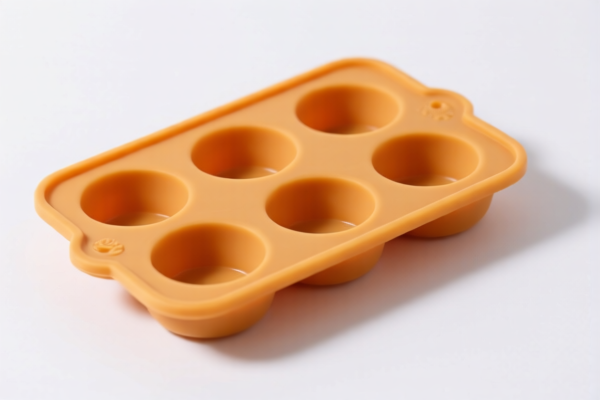
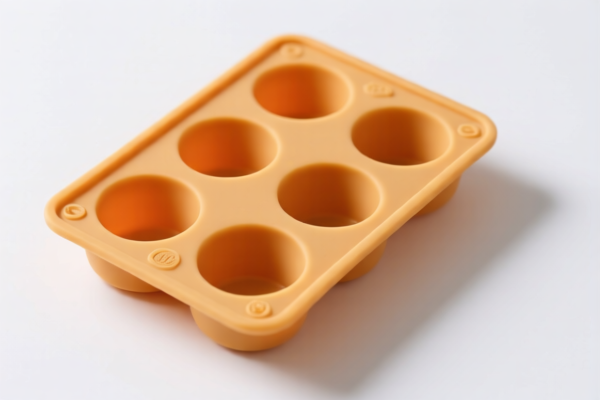
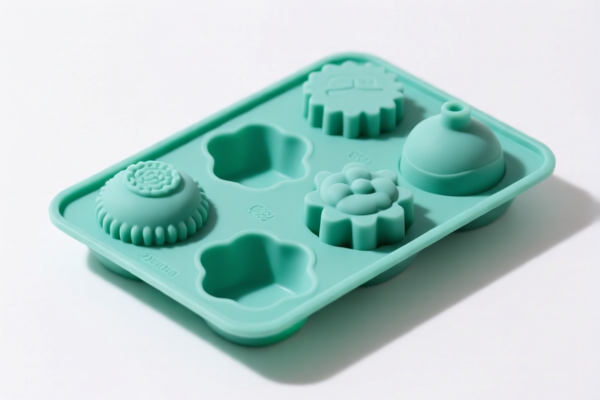
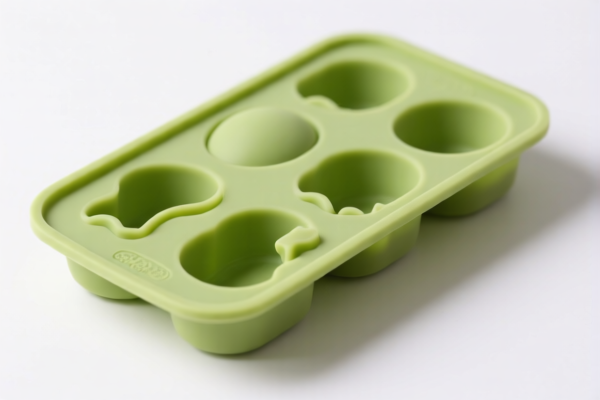
AI Analysis
🧊 Ice Cube Silicone Mold (Silicone Ice Trays)
🌐 HS Code Reference & Customs Clearance Guide | 2026 Latest Tariff Analysis | Professional Clearance Strategy
📌 Part I: Product Definition & Classification: Do You Really Understand "Silicone Ice Cubes"?
Silicone ice cube molds, widely used in households and commercial bars, are primarily classified under Chapter 39 (Plastics and Articles Thereof) in international trade. Because silicone is technically a polymer, customs authorities often categorize these items as "plastic articles," but the specific subheading depends heavily on their intended use (kitchenware vs. general industrial/general purpose).
⚠️ Key Distinction Point:
- If the mold is specifically designed as kitchenware/tableware (e.g., for making ice cubes, baking cakes) → It generally falls under Heading 3924 (Tableware, Kitchenware, etc.).
- If the mold is used for non-food purposes (e.g., industrial casting, general crafts, or lacks specific kitchenware designation) → It falls under Heading 3926 (Other plastic articles).
📦 Part II: HS Code Classification Details (2026 Latest Tariff Authority Comparison)
| HS Code | Product Description | Application Scenario | Tax Rate Breakdown |
|---|---|---|---|
3924.90.56.50 |
Kitchenware, plastic, other (Silicone Ice Mold) | Silicone ice trays for household use | 20.9% |
3924.10.40.00 |
Tableware/Kitchenware, plastic, other (兜底/Other) | Silicone ice molds as generic kitchen tools | 13.4% |
3926.90.99.05 |
Other plastic articles, other (General Purpose) | Silicone molds classified as general plastic goods | 22.8% |
3926.90.99.89 |
Other plastic articles, other (Unspecified) | Silicone molds as unlisted general items | 22.8% |
🔍 Critical Reminder:
- Food Contact Matters: Customs officials look closely at whether the product is for food contact. Items like3924.*are specifically for tableware/kitchenware and may offer lower or different tariff structures compared to general plastic goods (3926.*).
- "Silicone" vs. "Plastic": Although marketed as "Silicone," HS codes often group silicone under plastic chapters unless a specific heading exists (which it generally doesn't for pure silicone in this context). Thus, 3924 or 3926 are the primary destinations.
💰 Part III: 2026 Latest Tariff Rate Details (Including Surcharges & Policy Add-ons)
✅ Applicable Country: United States (US)
✅ Origin: China (CN)
✅ Effective Date: From November 10, 2025 (and subsequent imports)
🎯 1. 3924.90.56.50 —— Kitchenware, Plastic, Other
| Item | Content |
|---|---|
| Base Tariff | 3.4% |
| Section 301 Surcharge | +7.5% (Trade War Tariff) |
| Section 122 Surcharge | +10% (Specific US Trade Policy Surcharge) |
| Total Tariff | 20.9% |
| Tax Calculation | CIF Value × 20.9% |
| De Minimis Exemption | ❌ Not Eligible (High tariff rates generally exclude small package exemptions for certain origins, or require strict scrutiny) |
| Legal Basis Path | Base: 3924.90.56.50 → Sec301: +7.5% → Sec122: +10% |
📌 Explanation:
- This code is preferred for food-grade silicone ice molds as it aligns with "Kitchenware."
- The 10% Section 122 tariff is a critical addition that applies to many consumer goods from China.
- Total cost impact: 20.9% is relatively moderate compared to general plastic goods due to the lower base rate (3.4%).
🎯 2. 3924.10.40.00 —— Tableware/Kitchenware, Plastic, Other (Fallback)
| Item | Content |
|---|---|
| Base Tariff | 3.4% |
| Section 301 Surcharge | +0.0% (No additional 301 tariff in this specific fallback line per data) |
| Section 122 Surcharge | +10% |
| Total Tariff | 13.4% |
| Tax Calculation | CIF Value × 13.4% |
| De Minimis Exemption | ❌ Not Eligible |
| Legal Basis Path | Base: 3924.10.40.00 → Sec122: +10% |
📌 Important Note:
- This code offers the lowest total tariff (13.4%) if the product can be legally classified as "Tableware/Kitchenware" under this specific subheading.
- Risk: Customs may scrutinize whether your "ice mold" qualifies as "Tableware" (usually for eating/drinking vessels) vs. "Kitchenware" (tools). Ice trays are often considered kitchen tools, so 3924.90.56.50 is safer, but if3924.10.40.00is accepted, it saves 7.5%.
🎯 3. 3926.90.99.05 & 3926.90.99.89 —— Other Plastic Articles (General Purpose)
| Item | Content |
|---|---|
| Base Tariff | 5.3% |
| Section 301 Surcharge | +7.5% |
| Section 122 Surcharge | +10% |
| Total Tariff | 22.8% |
| Tax Calculation | CIF Value × 22.8% |
| De Minimis Exemption | ❌ Not Eligible |
| Legal Basis Path | Base: 3926.90.99.xx → Sec301: +7.5% → Sec122: +10% |
📌 Warning:
- These codes apply if the ice mold is not considered kitchenware/tableware (e.g., used for crafts, or customs rejects the kitchenware classification).
- The base rate is higher (5.3%) compared to 3924 items (3.4%).
- Total cost impact: 22.8% is the highest among the options. Avoid this classification if possible for food-grade ice molds.
🛠️ Part IV: Customs Clearance Practical Advice (Real-World Pitfall Guide)
✅ 1. Required Documentation Checklist (None Can Be Missing)
| Document | Must Provide | Explanation |
|---|---|---|
| ✅ Product Specifications | ✔️ | Must state material: "100% Food Grade Silicone," "BPA-Free," "FDA Compliant." |
| ✅ Usage Description | ✔️ | Clearly state: "For making ice cubes in household kitchens." Avoid vague terms like "craft mold." |
| ✅ Product Photos | ✔️ | Clear images showing the mold, packaging, and any "Food Safe" logos. |
| ✅ Commercial Invoice | ✔️ | Description should read: "Silicone Ice Cube Tray, Food Grade, Plastic Article" (not just "Mold"). |
| ✅ Certificate of Origin (CO) | ✔️ | Essential for verifying China origin for Section 301/122 tariffs. |
| ✅ FDA Compliance Proof | ✔️ | Since it’s food contact, proving FDA compliance prevents health/safety hold-ups. |
✅ 2. Declaration Tips (Key Mnemonics)
🔥 “Food Grade Claims Kitchen, General Purpose Pays More!”
| Scenario | Correct Declaration | Wrong Action |
|---|---|---|
| Food-Grade Ice Mold | Use 3924.90.56.50 (or 3924.10.40.00 if accepted) | Misdeclare as 3926 → 22.8% Tax |
| Craft/Industrial Mold | Use 3926.90.99.05 or 89 | Declare as Kitchenware → Customs Audit & Fine |
| Mixed Package (Ice Mold + Whiskey Glass) | Split items correctly | Package all as "Kitchen Set" → Complex Valuation |
✅ 3. Special Handling Situations
| Situation | Handling Advice |
|---|---|
| OEM Custom Shapes | Provide design files to prove it’s a "mold for ice" (kitchen use), not a general plastic part. |
| Packaging Includes Instructions | Ensure instructions explicitly mention "Food Use" to support 3924 classification. |
| High-Value Silicone | If using premium platinum-cure silicone, provide material safety data sheets (MSDS) to justify quality and food safety. |
🌍 Part V: Global Market Comparison (2026 Latest)
| Country/Region | Recommended HS Code | Tariff (China Origin) | Certification | Notes |
|---|---|---|---|---|
| 🇺🇸 USA | 3924.90.56.50 |
20.9% | FDA + Prop 65 | High scrutiny on Section 122. |
| 🇪🇺 EU | 3924.90.90 |
~0-2% | LFGB / EU 10/2011 | No Section 301/122. |
| 🇨🇳 China | 3924.90.90 |
~5-10% | GB 4806 | Lower base rates. |
| 🇬🇧 UK | 3924.90.90 |
~0-2% | UKCA | Post-Brexit rules. |
| 🇨🇦 Canada | 3924.90.90 |
~0-5% | Health Canada | CITES not applicable. |
📌 Conclusion:
- The US market is the most expensive due to the combination of Section 301 (7.5%) and Section 122 (10%) tariffs on top of the base rate.
- 3924 (Kitchenware) is the preferred classification for ice molds to avoid the higher 5.3% base rate of 3926.
📌 Part VI: Common Mistakes & Pitfall Guide (Blood & Tears Lessons)
❌ Mistake 1: Declaring "Silicone Mold" without specifying "Food Grade" or "Ice Cube."
👉 Consequence: Customs may classify it as 3926 (General Plastic) → 22.8% Tax instead of 20.9%.
❌ Mistake 2: Using vague terms like "Household Item" on the Invoice.
👉 Consequence: Customs asks for clarification, leading to delayed clearance and potential storage fees.
❌ Mistake 3: Ignoring Section 122 Tariff.
👉 Consequence: Underpayment of 10% on the CIF value → Back Taxes + Penalties.
✅ Correct Approach:
"Food Grade Silicone Ice Cube Tray, Plastic Kitchenware, FDA Compliant, Model XYZ, Made in China"
🎯 Part VII: Conclusion: Precise Classification Saves Money!
🎯 Remember the Mnemonic:
🔹 "Kitchen Use = 3924 (Lower Base), General = 3926 (Higher Base)."
🔹 "US Tariff = Base + 7.5% + 10%. Know the total!"
🔹 "Food Grade is King for 3924; Lose the label, Lose the savings."
📌 Pro Tip:
If your silicone mold is very low cost and shipped via DHL/FedEx/UPS, check if De Minimis ($800) applies. However, Section 301 and 122 tariffs often override de minimis exemptions for Chinese goods in certain scenarios. Always consult a broker for small packages.
📣 Immediate Action:
📞 Confirm with your freight forwarder: "Can we declare Silicone Ice Trays under 3924.90.56.50 to get the 20.9% rate?"
🚀 Clear Customs Smoothly, Avoid 22.8% Pitfalls, Boost Profits!
✨ Professional Clearance Starts with Accurate Classification!
💼 Every Percent Saved is Pure Profit!
Customer Reviews
About HS Code Classification
The Harmonized System (HS) is an internationally standardized nomenclature developed by the World Customs Organization (WCO) to classify traded products. Over 200 countries use the HS system as the basis for customs tariffs, trade statistics, and import/export regulations.
Each HS code follows a hierarchical structure:
- Chapter (2 digits) — Broad category of goods (e.g., Chapter 84: Machinery and Mechanical Appliances)
- Heading (4 digits) — More specific grouping within the chapter
- Subheading (6 digits) — Internationally standardized breakdown, used by all WCO member countries
- National subdivisions (8-10 digits) — Country-specific extensions for further classification, such as US HTSUS 10-digit codes
Correct HS code classification is essential for smooth customs clearance, accurate duty payment, and compliance with trade regulations. Misclassification can lead to customs delays, overpayment of duties, or penalties.
When importing from CN to US, the applicable tariff rates may include:
- Most-Favored-Nation (MFN) rate — The standard duty rate applied to WTO members
- General rate — Applied to countries without trade agreements
- Trade remedy duties — Additional tariffs such as Section 301 (anti-dumping), Section 232 (national security), or countervailing duties
The information provided on this page is for reference purposes only. For official classification, please consult with your local customs authority or a licensed customs broker.