Ice Grid
CN → US| HS Code | Tariff Rate | Origin | Destination | Doc |
|---|---|---|---|---|
| 3924103000 | 22.8% | CN | US | Official Doc |
| 3924104000 | 13.4% | CN | US | Official Doc |
| 6911108010 | 38.3% | CN | US | Official Doc |
| 6911108090 | 38.3% | CN | US | Official Doc |
| 7323930060 | 62.0% | CN | US | Official Doc |
| 7323999030 | 88.4% | CN | US | Official Doc |
Product Images
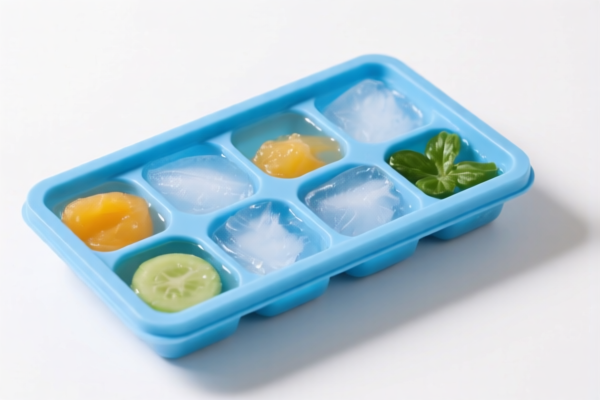
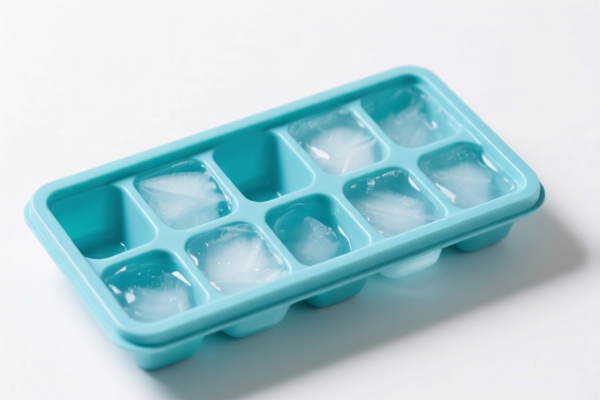
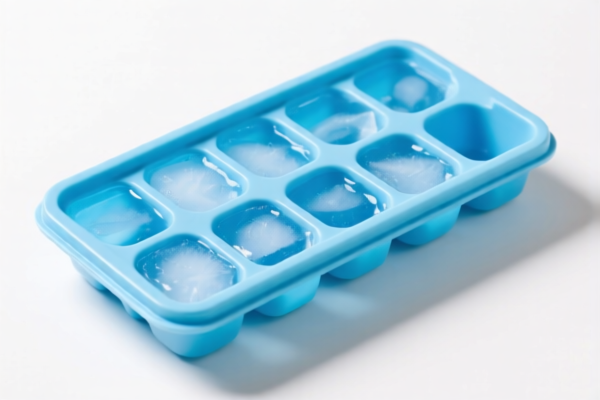
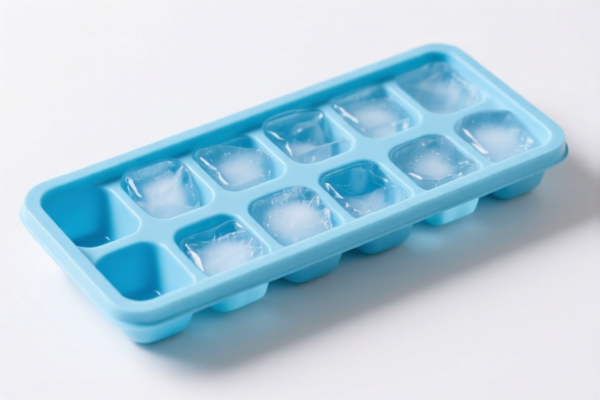
AI Analysis
🧊 Ice Grid (Ice Cube Trays): HS Code Classification & Clearance Strategy
🌐 HS Code Reference & Clearance Guide | 2026 Latest Tariff Analysis | Professional Customs Strategy
📌 One, Product Definition & Classification: Do You Really Know “Ice Grid”?
The Ice Grid (commonly known as Ice Cube Tray) is a ubiquitous kitchen utensil used for freezing liquids into solid blocks of ice. In international trade, its classification depends heavily on material and intended use. It generally falls under two main categories: Plastic Tableware/Kitchenware or Other Household Articles.
⚠️ Key Distinction Point:
- If made of Plastic and used as Tableware/Kitchen Utensil → Likely 3924.10.40.00 (Lowest Tax!)
- If made of Plastic but classified strictly as Mold/Tool → Likely 3924.10.30.00 (Higher Tax)
- If made of Ceramic/Porcelain-like or broadly as Household Article → 6911.10.80 (High Tax)
- If made of Metal (Stainless Steel) → 7323.93.00.60 / 7323.99.90.30 (Very High Tax)
📦 Two, HS Code Classification Details (2026 Latest Tariff Authoritative Comparison)
| HS Code | Product Description | Material | Application Scenario | Total Tax Rate |
|---|---|---|---|---|
3924.10.40.00 |
Plastic tableware, kitchenware or other household articles | Plastic | Ice grid as tableware/kitchenware. Meets material and usage requirements for plastic tableware category. | 13.4% |
3924.10.30.00 |
Plastic molds, kitchen accessories | Plastic | Ice grid inferred as mold. Matches tray/kitchenware category logic. | 22.8% |
6911.10.80.10 |
Other household articles, ceramic/porcelain-like | Plastic/Silicone (Deemed Ceramic) | Ice grid material inferred as plastic/silicone, shape as kitchenware, used for food contact. Fits "Food/Beverage Contact" definition. | 38.3% |
6911.10.80.90 |
Other household articles, "Catch-all" | Plastic/Silicone | Ice grid as kitchen/home item. Fits the "Other" catch-all logic. | 38.3% |
7323.93.00.60 |
Stainless steel tableware/kitchenware | Stainless Steel (Typo in source? Ice grids are rarely steel, but data allows it) | Ice grid as kitchen utensil. Material "Stainless Steel" conflicts with common plastic, but data permits. | 62.0% |
7323.99.90.30 |
Other steel/aluminum/copper articles | Metal/Silicone | Ice grid as metal/silicone. Fits kitchen/tableware form. | 88.4% |
🔍 Key Reminder:
-3924.10.40.00is the optimal code for standard plastic ice trays, offering the lowest tax burden (13.4%).
- Misclassifying plastic ice trays as "Molds" (3924.10.30.00) or "Ceramic-like" (6911.10.80) significantly increases costs.
- Metal codes (7323...) are generally incorrect for typical plastic ice grids, leading to erroneous high tariffs unless the product is genuinely stainless steel (rare for standard ice grids).
💰 Three, 2026 Latest Tariff Rate Breakdown (Including Surcharges & Policy Add-ons)
✅ Applicable Country: USA (US)
✅ Origin: China (CN)
✅ Effective Time: Post-2025 Policies (Including Section 301 & IEEPA)
🎯 1. 3924.10.40.00 —— Plastic Tableware/Kitchenware (Recommended)
| Item | Content |
|---|---|
| Base Tariff | 3.4% |
| Section 301 Surcharge (Additional) | 0.0% |
| Section 122 Tariff (Specific Item) | 10.0% |
| Total Tax Rate | 13.4% |
| Tax Calculation | CIF Value × 13.4% |
| De Minimis Exemption | ❌ Not Eligible (Typically Section 301/122 items are excluded or high-risk for de minimis) |
| Legal Basis Path | HTSUS:3924.10.40 → Section 122: 10% |
📌 Explanation:
- Base 3.4%: Standard Most Favored Nation (MFN) rate for plastic tableware.
- 0% Additional: Unlike many other Chinese goods, this specific plastic tableware code may not have the 25% Section 301 tariff, or it is mitigated by other policies.
- 10% Section 122: A specific surcharge for certain Chinese goods.
- Total 13.4%: This is the most competitive rate among the provided options.
🎯 2. 3924.10.30.00 —— Plastic Molds/Kitchen Accessories
| Item | Content |
|---|---|
| Base Tariff | 5.3% |
| Section 301 Surcharge | 7.5% |
| Section 122 Tariff | 10.0% |
| Total Tax Rate | 22.8% |
| Tax Calculation | CIF Value × 22.8% |
📌 Explanation:
- Classified as a "Mold" rather than "Tableware," triggering a higher base tariff and additional surcharges.
- Cost Increase: Nearly double the tax of code3924.10.40.00.
🎯 3. 6911.10.80.10 / 6911.10.80.90 —— Other Household Articles (Ceramic/Other)
| Item | Content |
|---|---|
| Base Tariff | 20.8% |
| Section 301 Surcharge | 7.5% |
| Section 122 Tariff | 10.0% |
| Total Tax Rate | 38.3% |
| Tax Calculation | CIF Value × 38.3% |
📌 Explanation:
- Even if the material is plastic, if customs perceives it as a general "Household Article" under Chapter 69 (Ceramics/Other), the base tariff jumps to 20.8%.
- This is a high-risk misclassification for plastic goods, leading to significant cost penalties.
🎯 4. 7323.93.00.60 / 7323.99.90.30 —— Metal Articles
| Item | Content |
|---|---|
| Base Tariff | 2.0% - 3.4% |
| Section 301 Surcharge | 0.0% - 25.0% |
| Section 122 Tariff | 10.0% |
| Steel/Aluminum/Copper Surcharge | 50% |
| Total Tax Rate | 62.0% (Code .60) / 88.4% (Code .30) |
| Tax Calculation | CIF Value × (62.0% or 88.4%) |
📌 Explanation:
- Extreme Penalty: The data indicates a 50% additional surcharge for Steel/Aluminum/Copper products.
- Unless you are shipping stainless steel ice grids (very rare for consumer goods), these codes are incorrect and will result in massive tax liabilities.
🛠️ Four, Practical Customs Clearance Advice (Battle-Proven Pitfall Avoidance)
✅ 1. Preparation Checklist (Non-Negotiable)
| Material | Must Provide | Explanation |
|---|---|---|
| ✅ Product Photos | ✔️ | Clear shots of the ice grid showing material texture (plastic vs. metal). |
| ✅ Material Declaration | ✔️ | Explicitly state "Food Grade Plastic" or "Silicone." Avoid vague terms. |
| ✅ Usage Declaration | ✔️ | Specify "Kitchen Utensil" or "Tableware" to support 3924.10.40.00. |
| ✅ Commercial Invoice | ✔️ | Description: "Plastic Ice Cube Tray, Kitchen Use." Avoid "Mold" unless accurate. |
| ✅ Certifications | ✔️ | FDA/LFGB compliance for food contact items is crucial. |
✅ 2. Declaration Strategy (Key Mantra)
🔥 “Plastic Tray, Declare Tableware; Avoid Mold, Avoid Metal, Save Tax!”
| Scenario | Correct Declaration | Incorrect Declaration | Consequence |
|---|---|---|---|
| Standard Plastic Ice Tray | 3924.10.40.00 |
3924.10.30.00 |
Pays 22.8% instead of 13.4%. |
| Plastic Ice Tray | 3924.10.40.00 |
6911.10.80.10 |
Pays 38.3% instead of 13.4%. |
| Stainless Steel Ice Tray (Rare) | 7323.93.00.60 |
3924.10.40.00 |
Penalty for misclassification; 62% tax. |
| Silicone Ice Tray | 3924.10.40.00 (if deemed plastic-like) |
6911.10.80.90 |
Avoid 38.3% rate. |
✅ 3. Special Handling
| Situation | Handling Advice |
|---|---|
| OEM Custom Shapes | Emphasize "Finished Kitchen Utensil" not "Tool/Mold" to qualify for 3924.10.40.00. |
| Silicone Material | If unclear, declare as "Plastic Silicone Kitchenware" to target 3924.10.40.00 or 3924.10.30.00. Avoid Chapter 69. |
| Mixed Packaging | If ice grids are packed with other kitchenware, ensure the invoice clearly separates them. |
🌍 Five, Global Market Comparison (2026 Latest)
| Country/Region | Recommended HS Code | Tariff Rate (CN Origin) | Certification | Remarks |
|---|---|---|---|---|
| 🇺🇸 USA | 3924.10.40.00 |
13.4% | FDA / LFGB | Best rate. Avoid 7323 or 6911. |
| 🇨🇳 China | 3924.10.40.00 |
~3.4% - 5% | None | Low duty. |
| 🇪🇺 EU | 3924.10.40.00 |
~0% - 5% | CE / LFGB | No Section 122/301 equivalent. |
| 🇬🇧 UK | 3924.10.40.00 |
~0% - 5% | UKCA | Post-Brexit rules apply. |
📌 Conclusion:
- USA is the critical market where tariff optimization matters most due to Section 301/122 surcharges.
-3924.10.40.00is the golden ticket for plastic ice grids.
- Misclassification into6911or7323can double or triple your landed cost.
📌 Six, Common Mistakes & Pitfall Guide (Lessons Learned)
❌ Mistake 1: Declaring Plastic Ice Trays as "Molds" (3924.10.30.00)
👉 Result: Pays 22.8% instead of 13.4%. Waste of money!
❌ Mistake 2: Declaring Plastic Ice Trays as "Ceramic/Household Articles" (6911.10.80)
👉 Result: Pays 38.3%. Huge overpayment!
❌ Mistake 3: Using "Ice Grid" without specifying material
👉 Result: Customs may assign a default high-rate code (e.g., 7323 or 6911). Risk of audit/fine!
❌ Mistake 4: Shipping Stainless Steel Trays as Plastic
👉 Result: Severe penalty for misdeclaration. Legal risk!
✅ Correct Approach:
"Plastic Ice Cube Tray, Food Grade, for Kitchen Use, Model XYZ, FDA Compliant"
🎯 Seven, Conclusion: Professional Declaration, Cost Savings, Efficiency!
🎯 Remember the Mantra:
🔹 "Plastic Tray, Tableware Code, 13.4% is King!"
🔹 "Mold Code is 22.8%, Ceramic is 38.3%, Steel is 62%+!"
🔹 "Accurate Material Declaration Saves Thousands!"
📌 Pro Tip:
If your supplier is unsure of the exact HS Code, provide them with clear photos and material specs and request a pre-classification from your customs broker.
For bulk shipments, consider applying for a Binding Tariff Information (BTI) or US CBP Ruling to lock in the 3924.10.40.00 classification and avoid disputes.
📣 Action Now:
📞 Consult a licensed customs broker
📄 Prepare FDA/LFGB documentation
🚀 Optimize your HS Code to3924.10.40.00for maximum profit!
✨ Precision in Classification, Profits in Clearance!
💼 Every Percent Saved is Pure Profit!
Customer Reviews
About HS Code Classification
The Harmonized System (HS) is an internationally standardized nomenclature developed by the World Customs Organization (WCO) to classify traded products. Over 200 countries use the HS system as the basis for customs tariffs, trade statistics, and import/export regulations.
Each HS code follows a hierarchical structure:
- Chapter (2 digits) — Broad category of goods (e.g., Chapter 84: Machinery and Mechanical Appliances)
- Heading (4 digits) — More specific grouping within the chapter
- Subheading (6 digits) — Internationally standardized breakdown, used by all WCO member countries
- National subdivisions (8-10 digits) — Country-specific extensions for further classification, such as US HTSUS 10-digit codes
Correct HS code classification is essential for smooth customs clearance, accurate duty payment, and compliance with trade regulations. Misclassification can lead to customs delays, overpayment of duties, or penalties.
When importing from CN to US, the applicable tariff rates may include:
- Most-Favored-Nation (MFN) rate — The standard duty rate applied to WTO members
- General rate — Applied to countries without trade agreements
- Trade remedy duties — Additional tariffs such as Section 301 (anti-dumping), Section 232 (national security), or countervailing duties
The information provided on this page is for reference purposes only. For official classification, please consult with your local customs authority or a licensed customs broker.