Ice Hockey Defense Gloves
CN → US| HS Code | Tariff Rate | Origin | Destination | Doc |
|---|---|---|---|---|
| 6116100500 | 10.0% | CN | US | Official Doc |
| 6116930500 | 17.5% | CN | US | Official Doc |
| 9506992580 | 17.5% | CN | US | Official Doc |
| 6216003300 | 17.5% | CN | US | Official Doc |
| 6216000500 | 17.5% | CN | US | Official Doc |
Product Images
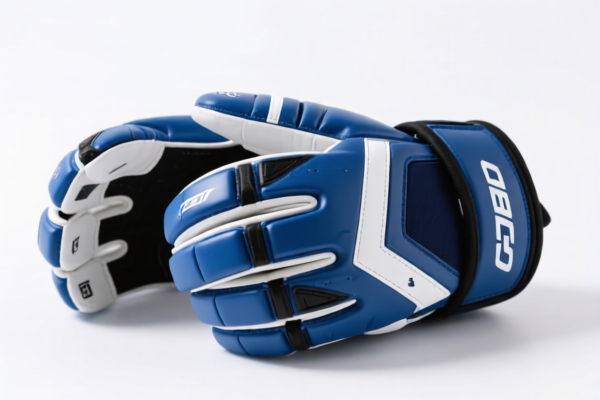
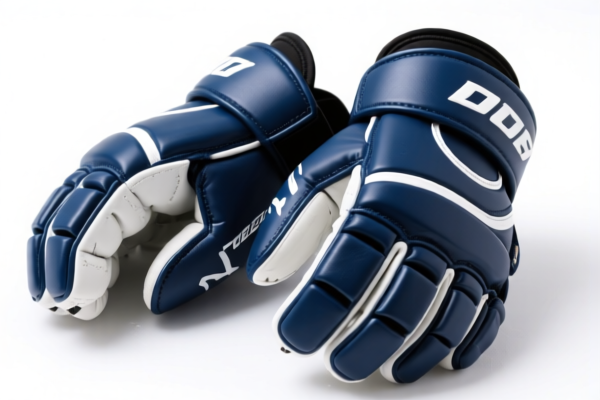
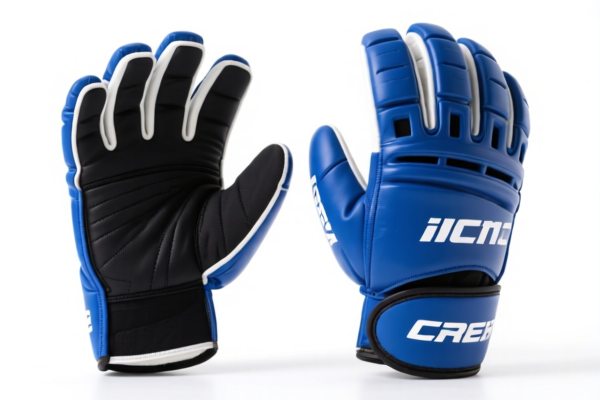
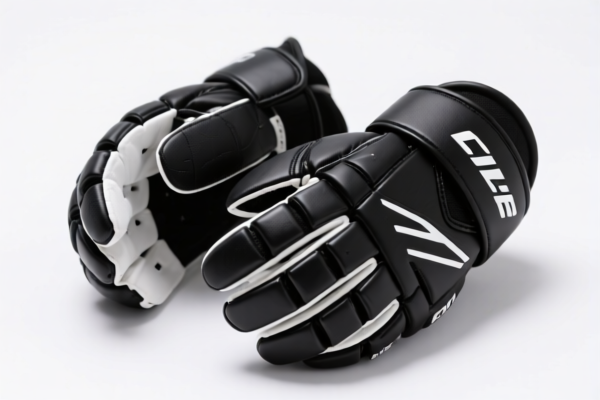
AI Analysis
🧤 Ice Hockey Defense Gloves | Premium Protection for the Blue Line
🌐 HS Code Reference & Customs Clearance Guide | 2026 Latest Tariff Analysis | Professional Entry Strategy
📌 I. Product Definition & Classification: What Exactly Are "Defense Gloves"?
Ice Hockey Defense Gloves (often referred to as hockey gloves or goalies' blockers/trapper depending on specific role, but generally "gloves" for skaters) are specialized protective equipment. In international trade, they are classified based on material composition and manufacturing process.
Two Main Categories:
1. Coated Textile Gloves (Knitted Base + Rubber/Plastic Coating):
- Inner layer is knitted fabric; outer layer is impregnated, coated, or covered with rubber or plastics for waterproofing and impact resistance.
- Key Feature: The coating constitutes the primary protective feature.
2. Other Textile/Synthetic Gloves (No Heavy Coating):
- Made primarily of cotton, synthetic fibers, or other textile materials without significant rubber/plastic impregnation that changes the essential character of the item.
- Key Feature: Fabric-based, suitable for grip and light protection.
⚠️ Critical Distinction Point:
- If the glove has a visible rubber/plastic coating (common in modern hockey gloves for water resistance and durability) → Classify under Chapter 61 (Knitted).
- If the glove is purely fabric/cotton/synthetic without heavy coating → Classify under Chapter 62 (Non-knitted/Other).
- If declared purely as "Sports Equipment" without specific glove details → Risk of being misclassified under Chapter 95 (Toys/Sports Articles), which carries higher scrutiny.
📦 II. HS Code Classification Details (2026 Latest Tariff Authority Comparison)
| HS Code | Product Description | Applicable Scenario | Material Key | Tax Rate (CN Origin) |
|---|---|---|---|---|
6116.10.05.00 |
Knitted gloves, coated with rubber or plastic | Most Common for Modern Hockey Gloves | Knitted base + Rubber/Plastic Coating | 10.0% |
6116.93.05.00 |
Other knitted gloves, of synthetic fibers | Gloves made of synthetic knit, no heavy coating | Synthetic Fiber Knit | 17.5% |
6216.00.33.00 |
Gloves, other, of cotton | Cotton-based hockey gloves (less common for pro gear) | Cotton | 17.5% |
6216.00.05.00 |
Gloves impregnated/coated with plastic/rubber | Non-knitted gloves with coating (e.g., leather/fabric blend) | Plastic/Rubber Coated Fabric | 17.5% |
9506.99.25.80 |
Other sports articles (non-ball/non-stick) | Generic Classification if specific glove details are missing | Any | 17.5% |
🔍 Key Insight:
-6116.10.05.00offers the lowest tax rate (10%) because it specifically covers knitted gloves with rubber/plastic coating, which matches the construction of most professional ice hockey gloves.
- Misclassifying as9506.99.25.80(General Sports Gear) leads to a 17.5% tax rate and increases customs audit risk due to lack of specificity.
- If the glove is purely cotton or synthetic without coating, it falls into the 17.5% bracket.
💰 III. 2026 Latest Tariff Rate Breakdown (Including Surcharges & Policy Add-ons)
✅ Applicable Country: United States (US)
✅ Country of Origin: China (CN)
✅ Effective Date: November 10, 2025 onwards (including subsequent imports)
🎯 1. 6116.10.05.00 —— Knitted Gloves, Coated with Rubber/Plastic (Recommended)
| Item | Details |
|---|---|
| Base Tariff | 0% (ad valorem) |
| Section 301 Surcharge | 0.0% (No additional 25% tariff for this specific subheading under current trade war adjustments for apparel/footwear accessories) |
| Section 122 Tariff | +10% (Specific surcharge for certain textile/glove categories from China) |
| Total Tax Rate | 10.0% |
| Tax Calculation | CIF Value × 10% |
| De Minimis Eligibility | ❌ No (Deny De Minimis) |
| Legal Basis Path | Section 122: 10% → USITC: 6116.10.05.00 |
📌 Explanation:
- This code benefits from the lowest possible rate (10%) among the options.
- The Section 122 Tariff (10%) applies specifically to certain imported goods, including specific glove categories.
- Unlike electronics or steel, apparel/textile gloves do not face the 25% Section 301 tariff, making this the most cost-effective classification.
🎯 2. 6116.93.05.00 —— Other Knitted Gloves, Synthetic Fiber
| Item | Details |
|---|---|
| Base Tariff | 0% |
| Section 301 Surcharge | +7.5% (Part of broader textile/apparel surcharges) |
| Section 122 Tariff | +10% |
| Total Tax Rate | 17.5% |
| Tax Calculation | CIF Value × 17.5% |
| De Minimis Eligibility | ❌ No |
| Legal Basis Path | Section 301: 7.5% + Section 122: 10% |
📌 Note:
- If the gloves are not coated with rubber/plastic but are still knitted synthetic, they fall here.
- Higher tax burden due to additional Section 301 surcharge.
🎯 3. 9506.99.25.80 —— Other Sports Articles (Generic)
| Item | Details |
|---|---|
| Base Tariff | 0% |
| Section 301 Surcharge | +7.5% |
| Section 122 Tariff | +10% |
| Steel/Aluminum/Copper Surcharge | +50% (If any metal components are present, e.g., reinforced hard plastic inserts with metal cores) |
| Total Tax Rate | 17.5% (Base) up to 67.5% (If metal components trigger Section 122 metal surcharge) |
| Tax Calculation | CIF Value × 17.5%–67.5% |
| De Minimis Eligibility | ❌ No |
| Legal Basis Path | Section 301: 7.5% + Section 122: 10% + Metal Surcharge: 50% |
📌 Warning:
- This classification is high-risk. Customs officers often reject generic "sports equipment" codes for specific items like gloves.
- If the gloves contain any metal-reinforced hard plastic parts, the 50% steel/aluminum surcharge may apply, pushing the total tax to 67.5%!
- Avoid this code unless the item is truly a generic sports accessory (e.g., a puck, not a glove).
🎯 4. 6216.00.33.00 & 6216.00.05.00 —— Non-Knitted Gloves (Cotton/Plastic-Coated)
| Item | Details |
|---|---|
| Base Tariff | 0% |
| Section 301 Surcharge | +7.5% |
| Section 122 Tariff | +10% |
| Total Tax Rate | 17.5% |
| Tax Calculation | CIF Value × 17.5% |
| De Minimis Eligibility | ❌ No |
| Legal Basis Path | Section 301: 7.5% + Section 122: 10% |
📌 Note:
- These codes apply if the gloves are not knitted (e.g., woven cotton or leather/fabric).
- Still higher than6116.10.05.00.
🛠️ IV. Customs Clearance Practical Advice (Combat Pitfalls Guide)
✅ 1. Preparation Checklist (Missing Documents = Delays)
| Document | Mandatory | Description |
|---|---|---|
| ✅ Product Specification Sheet | ✔️ | Must detail material: e.g., "Knitted polyester outer, rubber-coated palm, foam padding." |
| ✅ Product Photos (Labeled) | ✔️ | Clear images of inner lining, outer coating, and any metal/plastic reinforcements. |
| ✅ Commercial Invoice | ✔️ | Explicitly state: "Ice Hockey Gloves, Knitted, Rubber-Coated, Model XYZ" |
| ✅ Origin Certificate (CO) | ✔️ | Required for US import; must confirm Chinese origin to apply correct surcharges. |
| ✅ Packing List | ✔️ | List quantities, weights, and dimensions. Avoid combining gloves with other unrelated sports gear in one line item. |
✅ 2. Declaration Tips (Critical Mnemonic)
🔥 "Coating Defines Code, Material Defines Tax!"
| Scenario | Correct HS Code | Wrong Code | Consequence |
|---|---|---|---|
| Gloves with Rubber/Plastic Coating (Standard Pro Gloves) | 6116.10.05.00 |
9506.99.25.80 |
7.5% Tax Savings + Avoids generic scrutiny |
| Gloves without Coating (Pure Fabric) | 6116.93.05.00 or 6216.00.33.00 |
6116.10.05.00 |
Overpayment (10% vs 17.5%) + Potential audit for misclassification |
| Gloves with Metal-Reinforced Hard Parts | 9506.99.25.80 (if metal core) |
6116.10.05.00 |
67.5% Tax! (17.5% base + 50% metal surcharge) |
✅ 3. Special Situations
| Situation | Handling Advice |
|---|---|
| Goalie Blockers/Trappers | Still classified as "Gloves" under Chapter 61 if knitted/coated. Use 6116.10.05.00. Do not declare as "Sports Equipment" to avoid 9506 scrutiny. |
| OEM Custom Gloves | Provide client design specs to prove material composition. |
| Mixed Shipments | Declare gloves separately from pucks/sticks. Do not bundle under a generic "Hockey Kit" invoice line if components have different HS codes. |
🌍 V. Global Market Comparison (2026 Latest)
| Country/Region | Recommended HS Code | Tax Rate (CN Origin) | Certification | Note |
|---|---|---|---|---|
| 🇺🇸 USA | 6116.10.05.00 |
10.0% | No special certs | Lowest risk & cost |
| 🇨🇳 China | 6116.10.05.00 |
~10-13% | CCC (if applicable) | Domestic trade rates may vary |
| 🇪🇺 EU | 6116.10.05.00 |
4-6% | CE (if safety equipment) | No Section 301/122 equivalent |
| 🇦🇺 Australia | 6116.10.05.00 |
5% | No special certs | Low duty |
| 🇯🇵 Japan | 6116.10.05.00 |
4-6% | PSE (if safety gear) | Low duty |
📌 Conclusion:
- USA is the most complex market due to Section 122 and potential metal surcharges.
- Correct classification (6116.10.05.00) saves 7.5% compared to generic codes.
- Avoid metal-containing classifications to prevent the 50% surcharge.
📌 VI. Common Mistakes & Pitfalls (Lessons Learned)
❌ Mistake 1: Declaring gloves as "Sports Equipment" (9506.99.25.80)
👉 Consequence: Higher tax (17.5%) + High audit risk. If metal parts are detected, tax jumps to 67.5%!
❌ Mistake 2: Ignoring the "Coating" detail
👉 Consequence: Misclassifying coated gloves as non-coated (6116.93.05.00) leads to overpaying 7.5%.
❌ Mistake 3: Bundling gloves with sticks/pucks in one invoice line
👉 Consequence: Customs may separate items, leading to multiple duties and delays. Declare gloves separately.
✅ Correct Practice:
"Ice Hockey Gloves, Knitted, Rubber-Coated, Synthetic Fiber, Model ABC, For Skaters, Not for Goalies (if applicable)"
🎯 VII. Conclusion: Precision Classification, Maximum Profit!
🎯 Remember the Golden Rule:
🔹 "Coating = Chapter 61, No Coating = Chapter 62/95"
🔹 "6116.10.05.00is the Sweet Spot: 10% Tax, Low Risk!"
🔹 "Avoid9506unless you want to pay 17.5%+ and face audits!"
📌 Pro Tip:
If your gloves contain metal-reinforced hard plastic (e.g., goalie blocker frames), consider if they can be classified under 9506.99.25.80 with mandatory disclosure of metal content to avoid penalties. However, for standard skater gloves, 6116.10.05.00 is the optimal choice.
📣 Immediate Action:
📞 Contact your customs broker with material specs
📝 Ensure invoice states "Knitted, Rubber-Coated Gloves"
🚀 Optimize your import cost by 7.5% today!
✨ Professional Clearance Starts with Accurate Classification!
💼 Every percent saved is pure profit!
Customer Reviews
About HS Code Classification
The Harmonized System (HS) is an internationally standardized nomenclature developed by the World Customs Organization (WCO) to classify traded products. Over 200 countries use the HS system as the basis for customs tariffs, trade statistics, and import/export regulations.
Each HS code follows a hierarchical structure:
- Chapter (2 digits) — Broad category of goods (e.g., Chapter 84: Machinery and Mechanical Appliances)
- Heading (4 digits) — More specific grouping within the chapter
- Subheading (6 digits) — Internationally standardized breakdown, used by all WCO member countries
- National subdivisions (8-10 digits) — Country-specific extensions for further classification, such as US HTSUS 10-digit codes
Correct HS code classification is essential for smooth customs clearance, accurate duty payment, and compliance with trade regulations. Misclassification can lead to customs delays, overpayment of duties, or penalties.
When importing from CN to US, the applicable tariff rates may include:
- Most-Favored-Nation (MFN) rate — The standard duty rate applied to WTO members
- General rate — Applied to countries without trade agreements
- Trade remedy duties — Additional tariffs such as Section 301 (anti-dumping), Section 232 (national security), or countervailing duties
The information provided on this page is for reference purposes only. For official classification, please consult with your local customs authority or a licensed customs broker.