Ice Pack
CN → US| HS Code | Tariff Rate | Origin | Destination | Doc |
|---|---|---|---|---|
| 4202920809 | 42.0% | CN | US | Official Doc |
| 6307909891 | 24.5% | CN | US | Official Doc |
| 3923290000 | 38.0% | CN | US | Official Doc |
| 6307909884 | 24.5% | CN | US | Official Doc |
| 4202920807 | 42.0% | CN | US | Official Doc |
| 3923210095 | 38.0% | CN | US | Official Doc |
Product Images
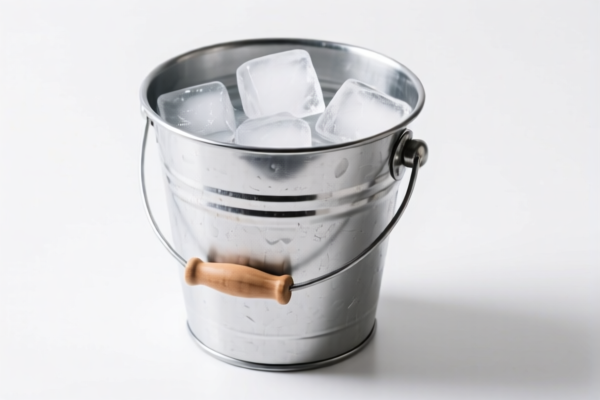
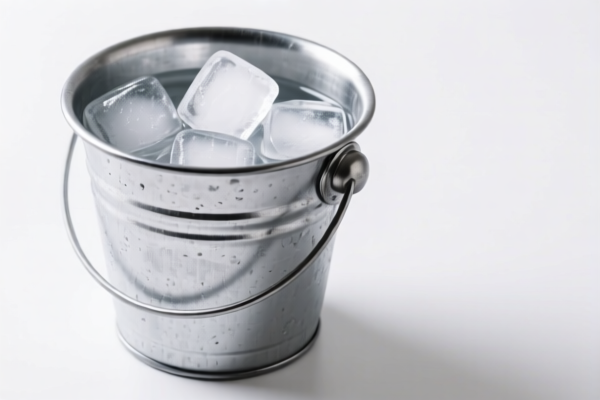

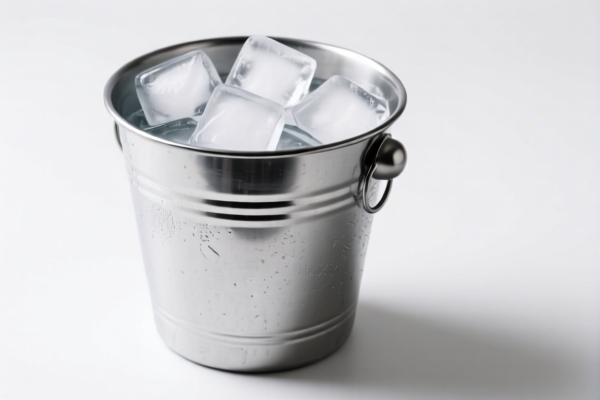
AI Analysis
🧊 Ice Pack (Reusable & Disposable Cold Compress)
🌐 HS Code Reference & Customs Clearance Guide | 2026 Latest Tariff Analysis | Professional Level Strategy
📌 I. Product Definition & Classification: Do You Really Know the "Ice Pack"?
The "Ice Pack" is a critical component in cold chain logistics, medical storage, and food preservation. In international trade, it is not a single HS code but a product whose classification depends heavily on material composition and primary function (insulation vs. packaging vs. simple bag).
Key Distinction Logic: * Insulating/Refrigerating Function: If the pack contains gel/powder for temperature control or acts as an insulator for food/medical samples → Often classified under Chapter 42 (Articles of Leather; Saddle harness). * Packaging/Bag Form: If it is primarily a container (bag/casing) made of plastic, textile, or composite materials → Classified under Chapter 39 (Plastics) or Chapter 63 (Other Made-up Articles).
⚠️ Critical Classification Point:
- If it is a finished insulated bag/case holding the ice core → Chapter 42 (Textile/Leather outer).
- If it is a plastic pouch/bag containing the cooling agent → Chapter 39 (Plastic).
- If it is a textile/plastic composite bag without specific insulating claims (simple storage) → Chapter 63 (Other made-up articles).
📦 II. HS Code Classification Matrix (Based on Provided Data)
| HS Code | Product Description | Material/Shape | Primary Function | Total Tax Rate |
|---|---|---|---|---|
4202.92.08.09 |
Insulated/Refrigerating Bag, Textile Material | Textile/Fabric | Thermal Insulation | 42.0% |
4202.92.08.07 |
Insulated Food Bag, Artificial Fiber | Artificial Fiber/Textile | Food Preservation/Insulation | 42.0% |
6307.90.98.91 |
Finished Bag, Plastic/Composite | Plastic/Composite | General Storage Bag | 24.5% |
6307.90.98.84 |
Bag-shaped Article, Plastic/Artificial Fiber | Plastic/Artificial Fiber | Other Made-up Article | 24.5% |
3923.29.00.00 |
Sack/Bag, Plastic, for Cargo | Plastic Film | Transport/Packaging | 38.0% |
3923.21.00.95 |
Sack/Bag, Polyethylene (PE) Film | PE Plastic | Packaging | 38.0% |
💰 III. Detailed Tariff Breakdown (2026 U.S. Import from China)
✅ Applicable Country: United States (US)
✅ Origin: China (CN)
✅ Effective Date: 2025/2026 Season
🎯 1. Chapter 42: Insulated/Refrigerating Bags (Textile Based)
HS Codes: 4202.92.08.09 & 4202.92.08.07
| Item | Detail |
|---|---|
| Product Type | Insulated bags, lunch bags, medical cooler bags, or food thermal bags. |
| Material | Outer material is textile (nylon, polyester) or artificial fiber. |
| Base Tariff | 7.0% |
| Section 301 Tariff (Retaliation) | 25.0% |
| Section 122 Tariff | 10.0% |
| Total Tax Rate | 42.0% |
| De Minimis Exemption | ❌ Not Eligible |
📌 Explanation:
These codes apply when the product is perceived as a "bag for transporting goods" with insulating properties. The high tax rate (42%) is due to the aggressive Section 301 tariffs on textile-based goods. If your ice pack is a finished insulated lunch box or cooler bag, this is likely your code.
🎯 2. Chapter 63: Other Made-up Articles (Plastic/Textile Composite Bags)
HS Codes: 6307.90.98.91 & 6307.90.98.84
| Item | Detail |
|---|---|
| Product Type | Finished bags made of plastic or artificial fibers that do not fall under specific Chapter 39 or 42 headings. Often used for general storage or non-specialized packaging. |
| Material | Plastic, composite materials, or artificial fibers. |
| Base Tariff | 7.0% |
| Section 301 Tariff (Retaliation) | 7.5% |
| Section 122 Tariff | 10.0% |
| Total Tax Rate | 24.5% |
| De Minimis Exemption | ❌ Not Eligible |
📌 Explanation:
This category is often used for plastic bags or textile bags that are "made-up" articles but lack the specific "insulating" function defined in Chapter 42. If the ice pack is a simple plastic pouch or a generic storage bag containing ice gel, and customs does not view it as a "thermal insulated container," this lower tax bracket (24.5%) may apply. Note: Misclassifying an insulated bag here to save tax can lead to audits.
🎯 3. Chapter 39: Plastic Sacks and Bags (Pure Plastic)
HS Codes: 3923.29.00.00 & 3923.21.00.95
| Item | Detail |
|---|---|
| Product Type | Sacks and bags, of plastics, for the transport or packaging of goods. |
| Material | Pure plastic (PE, PP, PVC) films or sheets. |
| Base Tariff | 3.0% |
| Section 301 Tariff (Retaliation) | 25.0% |
| Section 122 Tariff | 10.0% |
| Total Tax Rate | 38.0% |
| De Minimis Exemption | ❌ Not Eligible |
📌 Explanation:
If the ice pack is essentially a plastic pouch (like a Ziploc-style bag filled with gel) and is classified strictly as a packaging material rather than a reusable insulated container, it falls here. The base tariff is low (3%), but the Section 301 tariff (25%) and Section 122 (10%) push the total to 38.0%. This is common for disposable ice packs or those used solely as internal lining.
🛠️ IV. Customs Clearance Practical Advice (Pitfall Avoidance)
✅ 1. Documentation Checklist (Must-Haves)
| Document | Required? | Description |
|---|---|---|
| ✅ Product Specification Sheet | ✔️ | Detail material layers (e.g., "Outer: 600D Polyester, Inner: PE Liner, Core: Sodium Polyacrylate Gel"). |
| ✅ Commercial Invoice | ✔️ | Clearly state "Reusable Ice Pack" or "Insulated Cooler Bag," not just "Bag." |
| ✅ Packing List | ✔️ | List components separately if sold as kits (e.g., "Bag + Ice Gel Packs"). |
| ✅ Photos (Exterior & Interior) | ✔️ | Show zippers, handles, lining, and gel packs to prove "insulating function" vs. "simple packaging." |
| ✅ Material Declaration | ✔️ | Specify % of textile vs. plastic to help customs determine Chapter 42 vs. 39/63. |
✅ 2. Declaration Strategy (Key Tips)
🔥 "Function Dictates Code, Material Dictates Rate!"
| Scenario | Recommended HS Code | Why? |
|---|---|---|
| Reusable Insulated Lunch Bag | 4202.92.08.09 / 4202.92.08.07 |
It is a "bag for goods" with thermal function. High tax (42%), but correct for durable goods. |
| Disposable Gel Ice Pack in Plastic Pouch | 3923.21.00.95 / 3923.29.00.00 |
It is a plastic sack/bag. Tax 38%. Avoid claiming "insulation" if it's disposable. |
| Generic Plastic Storage Bag (No Insulation) | 6307.90.98.91 / 6307.90.98.84 |
If it's just a bag, not for thermal use. Lowest tax (24.5%), but risky if it contains ice gel. |
⚠️ Warning:
Do not declare a reusable insulated cooler bag as a "plastic sack" (3923...) to save tax. If customs inspects and finds thermal lining, they will reclassify it to Chapter 42 or 63, leading to back taxes, penalties, and seizure.
✅ 3. Special Cases
| Case | Advice |
|---|---|
| Kit: Bag + Gel Packs | Declare separately if possible. Bag under Chapter 42/63, Gel Pack under Chapter 39 (if plastic) or Chapter 30 (if medical/pharma gel). Do not bundle unless sold as a single unit. |
| Medical Cold Storage | If for medical use, ensure documentation highlights "medical grade" to potentially avoid certain Section 122 tariffs (check latest exemption lists). |
| Section 122 Tariff (10%) | Applies to many goods from China. Ensure your invoice does not allow misclassification to avoid this. It is currently hard to exempt. |
🌍 V. Global Market Comparison (2026)
| Market | Likely HS Code | Est. Total Tax (China Origin) | Notes |
|---|---|---|---|
| 🇺🇸 USA | 4202.92.08.09 / 3923.21.00.95 |
24.5% – 42.0% | High Section 301 & 122 tariffs. |
| 🇨🇳 China | 4202.92.00 / 3923.29.00 |
0% - 5% | No retaliatory tariffs. |
| 🇪🇺 EU | 4202.92 / 3923.29 |
4% - 10% | No Section 122 equivalent, but VAT applies. |
| 🇬🇧 UK | 4202.92 / 3923.29 |
4% - 10% | Post-Brexit tariffs apply. |
📌 Conclusion:
The US market is the most expensive for ice packs due to the combination of Base Tariffs, Section 301 (25% or 7.5%), and Section 122 (10%).
- Textile/Insulated: 42%
- Plastic/Packaging: 38%
- Other Bags: 24.5%
📌 VI. Common Mistakes & Pitfalls
❌ Mistake 1: Calling an "Insulated Cooler Bag" a "Plastic Bag" (3923...)
👉 Result: Customs reclassification → 42% tax + Penalties.
❌ Mistake 2: Ignoring Section 122 Tariff (10%)
👉 Result: Underpayment by 10% on every shipment. Always include it in cost calculations.
❌ Mistake 3: Misdeclaring "Gel Packs" as "Food Items"
👉 Result: FDA seizure. Gel packs must be declared as "Industrial/Commercial Cold Packs," not food.
✅ Correct Declaration Example:
"Reusable Insulated Cooler Bag, Outer Material: 600D Polyester, Inner: Aluminum Foil Liner, Model: CP-100, For Food Transport."
🎯 VII. Conclusion: Optimize Cost & Compliance
🎯 Key Takeaway:
🔹 Insulated/Textile = 42% (Highest Risk, Highest Cost)
🔹 Plastic Packaging = 38% (Moderate Cost)
🔹 Generic Bag = 24.5% (Lowest Cost, but must be genuine "bag")
📌 Action Plan:
1. Design for Classification: If cost is critical, consider if the product can be marketed as a "storage bag" rather than "insulated container" (only if functional).
2. Pre-Ruling: Apply for an Advance Ruling from US Customs (CBP) if shipping large volumes.
3. Source Alternatives: Consider sourcing from countries exempt from Section 301 (e.g., Vietnam, Mexico) to reduce tariff burden.
📣 Immediate Action:
📞 Consult a licensed customs broker.
📝 Prepare detailed material breakdowns.
🚀 Accurate classification saves money. Misclassification costs everything.
✨ Professional Clearance, Precision Starts Here!
💼 Every Percentage Point Counts!
Customer Reviews
About HS Code Classification
The Harmonized System (HS) is an internationally standardized nomenclature developed by the World Customs Organization (WCO) to classify traded products. Over 200 countries use the HS system as the basis for customs tariffs, trade statistics, and import/export regulations.
Each HS code follows a hierarchical structure:
- Chapter (2 digits) — Broad category of goods (e.g., Chapter 84: Machinery and Mechanical Appliances)
- Heading (4 digits) — More specific grouping within the chapter
- Subheading (6 digits) — Internationally standardized breakdown, used by all WCO member countries
- National subdivisions (8-10 digits) — Country-specific extensions for further classification, such as US HTSUS 10-digit codes
Correct HS code classification is essential for smooth customs clearance, accurate duty payment, and compliance with trade regulations. Misclassification can lead to customs delays, overpayment of duties, or penalties.
When importing from CN to US, the applicable tariff rates may include:
- Most-Favored-Nation (MFN) rate — The standard duty rate applied to WTO members
- General rate — Applied to countries without trade agreements
- Trade remedy duties — Additional tariffs such as Section 301 (anti-dumping), Section 232 (national security), or countervailing duties
The information provided on this page is for reference purposes only. For official classification, please consult with your local customs authority or a licensed customs broker.