Ice Silk Scarf
CN → US| HS Code | Tariff Rate | Origin | Destination | Doc |
|---|---|---|---|---|
| 6211398090 | 20.3% | CN | US | Official Doc |
| 6117102010 | 21.3% | CN | US | Official Doc |
| 6117909090 | 32.1% | CN | US | Official Doc |
| 6117102030 | 21.3% | CN | US | Official Doc |
| 6214400000 | 22.8% | CN | US | Official Doc |
| 6214300000 | 15.3% | CN | US | Official Doc |
Product Images
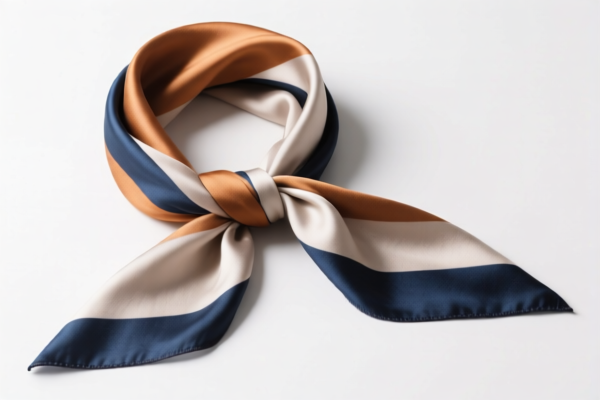
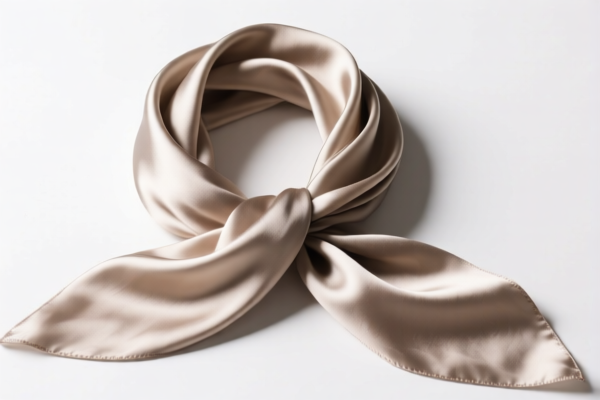
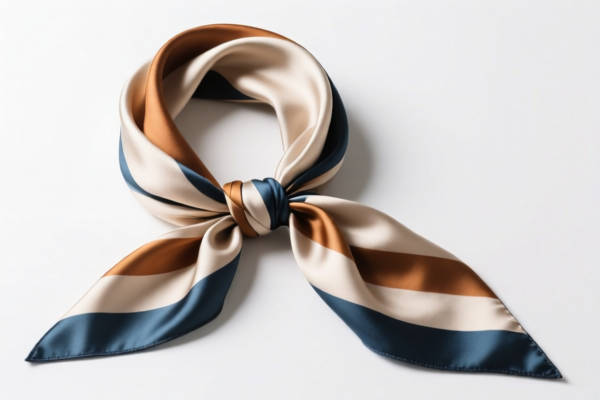
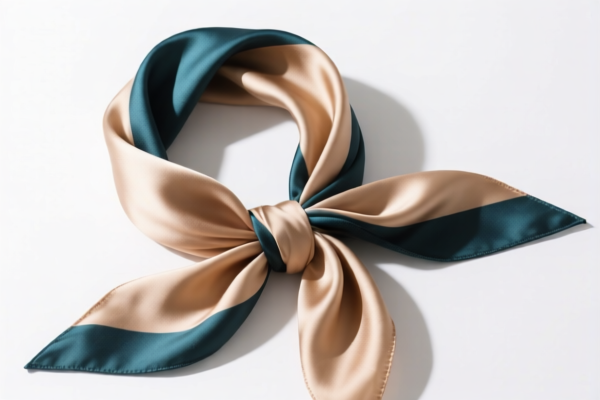
AI Analysis
🧣 Ice Silk Scarf (Fashion Accessory & Apparel)
🌐 HS Code Reference & Customs Clearance Guide | 2026 Latest Tariff Analysis | Professional Strategy
📌 I. Product Definition & Classification: What is "Ice Silk"?
"Ice Silk" is not a single scientific fiber definition but a commercial term often used for synthetic fiber knitted or woven fabrics (typically Viscose/Rayon, Polyester, or Nylon blends) that feel cool to the touch. In international trade, the classification depends strictly on the material composition (Man-made vs. Synthetic) and the product form (Scarf vs. Accessory).
Below is the precise breakdown based on your specific product data.
📦 II. HS Code Classification Details (2026 Latest Tariff Authority)
The following table maps the commercial term "Ice Silk" to the correct HS Codes based on material and form.
| HS Code | Product Description | Material Logic | Form Logic | Total Tax Rate |
|---|---|---|---|---|
| 6211.39.80.90 | Men's/Boys' Apparel Accessories | Synthetic Fiber ("Ice Silk" inferred as textile/synthetic) | Other made-up clothing accessories (not scarves) | 20.3% |
| 6117.10.20.10 | Scarves/Shawls | Artificial Fiber (Viscose/Rayon) | Knitted Scarf | 21.3% |
| 6117.90.90.90 | Other Made-up Accessories | Artificial Fiber | Knitted Scarf Accessory | 32.1% |
| 6117.10.20.30 | Scarves/Shawls | Artificial Fiber (Viscose/Rayon) | Knitted Scarf | 21.3% |
| 6214.40.00.00 | Scarves/Shawls | Synthetic Fiber (Polyester/Nylon) | Woven Scarf | 22.8% |
⚠️ Key Distinction:
- If the "Ice Silk" is Viscose/Rayon → It is classified as Artificial Fiber.
- If the "Ice Silk" is Polyester/Nylon/Acrylic → It is classified as Synthetic Fiber.
- If it is Knitted → Look at Chapter 61 (e.g.,6117.10...).
- If it is Woven → Look at Chapter 62 (e.g.,6214.40...).
💰 III. 2026 Latest Tariff Rate Breakdown (Detailed Tax Clauses)
✅ Applicable Country: United States (US)
✅ Origin: China (CN)
✅ Effective Date: Current rates include Section 301 and IEEPA tariffs.
🎯 1. 6211.39.80.90 – Men’s/Boys’ Apparel Accessories (Synthetic)
Best for: Non-scarf accessories like neck gaiters, hats, or belts made of synthetic "ice silk."
| Item | Content |
|---|---|
| Base Tariff | 2.8% |
| Section 301 Tariff | +7.5% |
| IEEPA 122 Clause | +10.0% |
| Total Rate | 20.3% |
| Calculation | CIF Value × 20.3% |
| Legal Basis | USITC:6211.39.80.90 → 301:7.5% → IEEPA:10% |
📌 Note: This is for Synthetic materials. If your product is actually Viscose, this code is incorrect.
🎯 2. 6117.10.20.10 & 6117.10.20.30 – Knitted Scarves (Artificial Fiber)
Best for: Knitted scarves made of Viscose/Rayon "Ice Silk." These two codes share the same tax rate.
| Item | Content |
|---|---|
| Base Tariff | 11.3% |
| Section 301 Tariff | 0.0% |
| IEEPA 122 Clause | +10.0% |
| Total Rate | 21.3% |
| Calculation | CIF Value × 21.3% |
| Legal Basis | USITC:6117.10.20.xx → IEEPA:10% |
📌 Note:
- Section 301 Tariff is 0% for these specific subheadings, which is a significant advantage over synthetic apparel.
- However, the Base Tariff is higher (11.3%) compared to woven synthetics.
- Choose...20.10or...20.30based on specific knitted scarf details (e.g., material blend nuances).
🎯 3. 6214.40.00.00 – Woven Scarves (Synthetic Fiber)
Best for: Woven scarves made of Polyester or Nylon "Ice Silk."
| Item | Content |
|---|---|
| Base Tariff | 5.3% |
| Section 301 Tariff | +7.5% |
| IEEPA 122 Clause | +10.0% |
| Total Rate | 22.8% |
| Calculation | CIF Value × 22.8% |
| Legal Basis | USITC:6214.40.00.00 → 301:7.5% → IEEPA:10% |
📌 Note:
- This is for Woven (not knitted) synthetic scarves.
- Total rate is 22.8%, which is slightly higher than knitted artificial fiber scarves.
🎯 4. 6117.90.90.90 – Other Knitted Accessories (Artificial Fiber)
Best for: Knitted items that are NOT standard scarves (e.g., fashion accessories, headbands) made of Artificial Fiber.
| Item | Content |
|---|---|
| Base Tariff | 14.6% |
| Section 301 Tariff | +7.5% |
| IEEPA 122 Clause | +10.0% |
| Total Rate | 32.1% |
| Calculation | CIF Value × 32.1% |
| Legal Basis | USITC:6117.90.90.90 → 301:7.5% → IEEPA:10% |
⚠️ Warning: This is the HIGHEST RATE in the list. Only use if the item is clearly an accessory but NOT a scarf, and made of Artificial Fiber.
🛠️ IV. Customs Clearance Practical Advice (Pitfall Avoidance)
✅ 1. Material Testing Report is Mandatory
"Ice Silk" is a marketing term. Customs will reject it. You must provide:
- Fiber Content Label: e.g., "100% Viscose" or "100% Polyester".
- Test Report: From a third-party lab (SGS, BV, Intertek) confirming the fiber composition.
- Why?
- If you declare "Ice Silk" → Customs may reclassify or detain.
- If it's Viscose → Aim for 6117.10... (21.3%) if knitted.
- If it's Polyester → Aim for 6214.40... (22.8%) if woven.
✅ 2. Knitted vs. Woven Distinction
- Knitted: Stretchy, looped structure (like t-shirt fabric). Use Chapter 61 (
6117...). - Woven: Interlaced threads, no stretch (like dress shirt fabric). Use Chapter 62 (
6214...). - Risk: Misdeclaring a Woven Scarf as Knitted will lead to penalties and back taxes.
✅ 3. "Scarf" vs. "Accessory"
- If the item is clearly a Scarf (wrap-around, rectangular/square, worn for warmth/fashion) → Use
6117.10or6214.40. - If it is a Neck Gaiter, Headband, or Belt → Use
6211.39or6117.90. - Tip:
6211.39(Men's Accessories) has a lower rate (20.3%) than6117.90(32.1%) for synthetic/artificial items. However, you cannot misclassify a scarf as an accessory to save tax.
✅ 4. Declaration Template
Use this format to avoid ambiguity:
Commodity Name: Women's Knitted Scarf
Material: 100% Viscose (Artificial Fiber)
Usage: Fashion Accessory / Neck Wear
HS Code:6117.10.20.10
Brand: [Brand Name]
Model: [Model Number]
Origin: China❌ Bad Declaration: "Ice Silk Fashion Scarf" (Vague, non-compliant)
❌ Bad Declaration: "Polyester Neck Warmer" when it is actually a Knitted Scarf (Misclassification)
🌍 V. Global Market Comparison (2026)
| Market | Recommended HS Code | Total Tariff (China Origin) | Notes |
|---|---|---|---|
| 🇺🇸 USA | 6117.10.20.10 |
21.3% | Lowest for Artificial Knitted Scarves |
| 🇺🇸 USA | 6214.40.00.00 |
22.8% | For Woven Synthetic Scarves |
| 🇪🇺 EU | 6117.10 / 6214.40 |
Varies (often 0-12%) | No Section 301/IEEPA tariffs. Much cheaper! |
| 🇨🇳 China | 6117.10 / 6214.40 |
10-15% | Import duty into China |
📌 Strategy:
- If selling to the US, ensure your "Ice Silk" is Viscose (Artificial) and Knitted to hit the 21.3% rate.
- If it is Polyester (Synthetic), expect 22.8% (Woven) or 20.3% (if classified as men's accessory, which is risky for unisex scarves).
- Avoid6117.90.90.90(32.1%) unless it is clearly not a scarf.
📌 VI. Common Mistakes & Avoidance Guide (Blood Lessons)
❌ Mistake 1: Declaring "Ice Silk" without fiber content.
👉 Consequence: Customs delays, additional testing fees, potential reclassification to highest tariff.
✅ Fix: Always declare "100% Viscose" or "100% Polyester".
❌ Mistake 2: Confusing Knitted vs. Woven.
👉 Consequence: 6117 (Knitted) vs 6214 (Woven) have different base rates.
✅ Fix: Check fabric structure. Knitted = Stretchy loops. Woven = Interlaced.
❌ Mistake 3: Misclassifying Scarves as "Other Accessories" to save tax.
👉 Consequence: If a scarf is declared as 6211.39 (20.3%) instead of 6214.40 (22.8%), it might seem cheaper, but if Customs detects it's a scarf, they may penalize for fraud.
✅ Fix: Be honest about product form. The rate difference is small (2.5%); compliance is key.
🎯 VII. Conclusion: Professional Clearance, Cost Efficiency
🎯 Remember the Golden Rules for "Ice Silk" Scarves:
🔹 "Viscose + Knitted = 21.3%" (Best rate for scarves)
🔹 "Polyester + Woven = 22.8%" (Second best)
🔹 "Ice Silk" is not a valid HS Code! Use Viscose or Polyester.
📌 Action Plan:
1. Get a fiber test report to confirm if it's Viscose (Artificial) or Polyester (Synthetic).
2. Determine construction: Knitted or Woven?
3. Select HS Code:
- Viscose + Knitted → 6117.10.20.10 or ...30
- Polyester + Woven → 6214.40.00.00
4. Declare Accurately: Use technical fiber names, not "Ice Silk".
✨ Professional Clearance Starts with Accurate Classification!
💼 Every percentage point of tariff matters! Optimize your supply chain today!
Customer Reviews
About HS Code Classification
The Harmonized System (HS) is an internationally standardized nomenclature developed by the World Customs Organization (WCO) to classify traded products. Over 200 countries use the HS system as the basis for customs tariffs, trade statistics, and import/export regulations.
Each HS code follows a hierarchical structure:
- Chapter (2 digits) — Broad category of goods (e.g., Chapter 84: Machinery and Mechanical Appliances)
- Heading (4 digits) — More specific grouping within the chapter
- Subheading (6 digits) — Internationally standardized breakdown, used by all WCO member countries
- National subdivisions (8-10 digits) — Country-specific extensions for further classification, such as US HTSUS 10-digit codes
Correct HS code classification is essential for smooth customs clearance, accurate duty payment, and compliance with trade regulations. Misclassification can lead to customs delays, overpayment of duties, or penalties.
When importing from CN to US, the applicable tariff rates may include:
- Most-Favored-Nation (MFN) rate — The standard duty rate applied to WTO members
- General rate — Applied to countries without trade agreements
- Trade remedy duties — Additional tariffs such as Section 301 (anti-dumping), Section 232 (national security), or countervailing duties
The information provided on this page is for reference purposes only. For official classification, please consult with your local customs authority or a licensed customs broker.