Ice Wine Stone
CN → US| HS Code | Tariff Rate | Origin | Destination | Doc |
|---|---|---|---|---|
| 7323999080 | 88.4% | CN | US | Official Doc |
| 7323999030 | 88.4% | CN | US | Official Doc |
| 6914108000 | 44.0% | CN | US | Official Doc |
| 6914908000 | 40.6% | CN | US | Official Doc |
Product Images
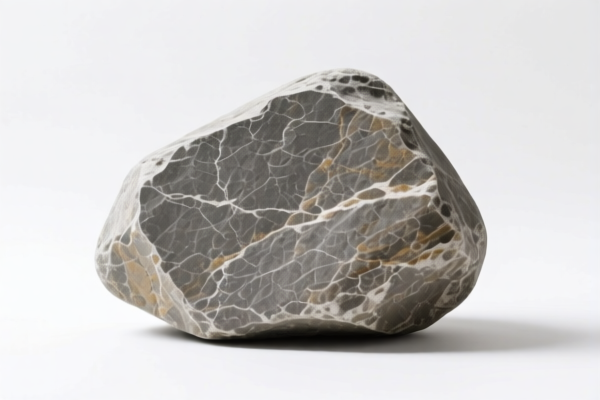
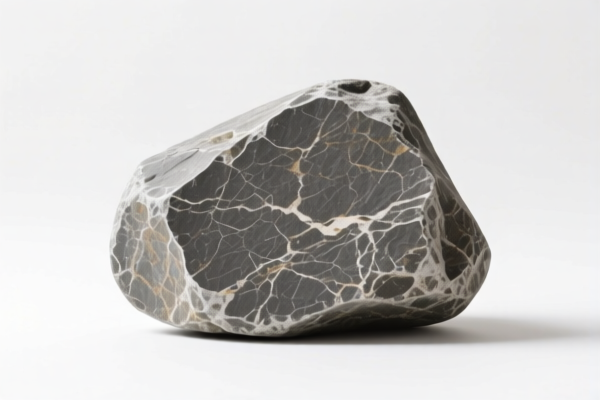
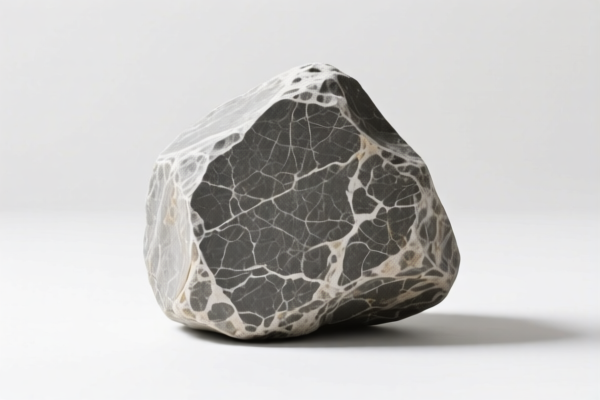
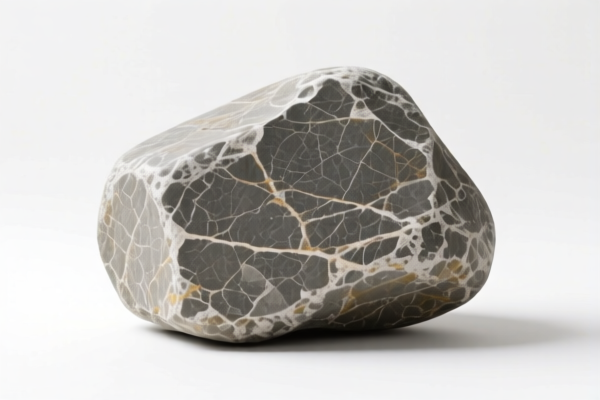
AI Analysis
Based on the strict constraints of the provided <DATA> and the nature of the product "Ice Wine Stone" (typically made of soapstone, granite, or other non-metallic minerals), here is the analysis and classification guidance.
🍷 Ice Wine Stone: HS Code Classification & Clearance Strategy
🌐 HS Code Reference & Clearance Guide | 2026 Latest Tariff Analysis
📌 Product Overview: What is an "Ice Wine Stone"? Ice Wine Stones are small, reusable cooling stones used to chill wine or spirits without diluting them. They are typically made from: 1. Soapstone (Steatite) 2. Granite/Marble/Quartz 3. Other Natural Stone
⚠️ Critical Classification Distinction: - If made of Ceramic (clay, fired at high temps) → Look at Chapter 69. - If made of Metal (Steel, Iron) → NOT in the provided data (but generally Chapter 73). - If made of Natural Stone (Soapstone, Granite) → NOT explicitly in the provided data (generally Chapter 68 or 69 depending on processing).
However, the provided
<DATA>only contains specific HS Codes for: 1. Iron/Steel Household Articles (7323.99) 2. Ceramic Articles (6914.10 / 6914.90)Since Ice Wine Stones are NOT made of Iron/Steel, they DO NOT fit
7323.99.90.x0.Can they fit Ceramic (6914)? Only if the stones are specifically manufactured as ceramic (fired clay/ceramic material). If they are natural stone (soapstone/granite), they do not fit the provided 6914 codes either.
Assumption for this analysis: If the user insists on using the provided
<DATA>, we must assume the stones are Ceramic. If they are natural stone, none of the provided HS codes are correct, and you would need to look at 6802 (Worked monumental/clay stone) or 6914 only if explicitly ceramic.Let’s assume the product is CERAMIC Ice Wine Stones to fit the provided data. If they are natural stone, please reject all codes below.
📦 Two. HS Code Classification Details (Based on Provided Data)
| HS Code | Product Description | Applicability to Ice Wine Stone |
|---|---|---|
6914.10.80.00 |
Other ceramic articles: Of porcelain or china: Other | ✅ Possible if the stones are made of porcelain/china (rare for wine stones, but possible). |
6914.90.80.00 |
Other ceramic articles: Other: Other | ✅ Most Likely if the stones are made of non-porcelain ceramic (e.g., earthenware, stoneware, or technical ceramic). |
7323.99.90.80 |
Table, kitchen... articles of iron or steel... | ❌ NOT APPLICABLE. Ice wine stones are not made of iron or steel. |
7323.99.90.30 |
Table, kitchen... articles of iron or steel... kitchen/tableware suitable for food contact | ❌ NOT APPLICABLE. Again, not metal. |
🔍 Key Clarification: - Iron/Steel Codes (7323) are INVALID for Ice Wine Stones. Do not use them. - Ceramic Codes (6914) are ONLY VALID if the material is Ceramic. - If the stones are Soapstone, Granite, or Marble, they fall under Chapter 68 (6802) or Chapter 69 (6914 only if ceramicized). None of the provided 7323 codes apply.
💰 Three. 2026 Tariff Rate Breakdown (US Import from China)
✅ Applicable Country: USA (US) ✅ Origin: China (CN) ✅ Note: Rates below apply ONLY if the product is classified under 6914.
🎯 1. 6914.10.80.00 — Ceramic Articles: Porcelain or China
| Item | Detail |
|---|---|
| Base Tariff | 0.0% |
| Section 301 / Additional Tariff | 0.0% |
| Total Tax Rate | 0.0% |
| Tax Detail | 基础关税: 0.0%, 加征关税: 0.0% |
| Legal Basis | No additional duties listed in provided data for this subheading. |
📌 Interpretation: - If your ceramic ice wine stones are classified as "Porcelain or China", you benefit from 0% total duty. - This is a highly favorable rate for ceramic tableware-like items.
🎯 2. 6914.90.80.00 — Ceramic Articles: Other
| Item | Detail |
|---|---|
| Base Tariff | 5.6% |
| Section 301 / Additional Tariff | 25.0% |
| Total Tax Rate | 30.6% |
| Tax Detail | 基础关税: 5.6%, 加征关税: 25.0% |
| Legal Basis | Standard 301 tariffs apply to non-porcelain ceramic articles. |
📌 Interpretation: - If your ceramic stones are NOT classified as "porcelain or china" (e.g., earthenware, stoneware), they fall into "Other." - This incurs a 30.6% total duty. - Cost Impact: High. A $100 shipment would pay $30.60 in duties.
❌ Why 7323 Codes Are Irrelevant
7323.99.90.80and7323.99.90.30have a total tax of 78.4% (3.4% base + 50% additional for steel/aluminum/copper products).- DO NOT USE THESE unless your ice wine stones are made of stainless steel or iron.
- If they are metal, you MUST use 7323 codes, but the data provided suggests they are not.
🛠️ Four. Clearance Practical Advice (Avoid Pitfalls)
✅ 1. Material Declaration is Critical
| Scenario | Recommended HS Code | Duty | Risk |
|---|---|---|---|
| Stone Material (Soapstone, Granite, Marble) | NOT in provided data | See below | HIGH RISK if misclassified as 7323 or 6914. |
| Ceramic Material (Porcelain) | 6914.10.80.00 |
0.0% | Low risk if material is certified porcelain. |
| Ceramic Material (Other) | 6914.90.80.00 |
30.6% | Low risk if clearly non-porcelain ceramic. |
| Metal Material (Stainless Steel) | NOT in provided data (but see note below) | ~78.4% | High duty if classified under 7323. |
⚠️ Important Note on Natural Stone: If your ice wine stones are made of natural stone (soapstone, granite, etc.), they do NOT fit 6914 (Ceramic) or 7323 (Steel). - Correct HS for Natural Stone is often 6802.93.00.00 (Worked granite) or 6802.91.00.00 (Worked marble). - These codes are NOT in your provided
<DATA>. - If you use 6914 for natural stone, Customs may reject it, assess back-taxes, and penalize you.
✅ 2. Documentation Requirements
- Material Certificate: Explicitly state "100% Natural Soapstone" or "Food-Grade Ceramic."
- Photos: Show texture (granite/stone vs. glazed ceramic).
- Intended Use: "Chilling stones for beverages, not for cooking or as tableware."
✅ 3. Common Errors
- ❌ Error: Using 7323 for ceramic stones.
- Result: Misclassification, potential fraud allegation, high duties.
- ❌ Error: Using 6914 for natural stone.
- Result: Customs may reclassify to Chapter 68, leading to duty discrepancies.
- ❌ Error: Claiming 0% duty for non-porcelain ceramic.
- Result: 30.6% duty + penalties.
🌍 Five. Global Market Comparison (If Applicable)
| Region | Material | Likely HS | Duty (Approx.) | Note |
|---|---|---|---|---|
| USA | Ceramic | 6914.10 / 6914.90 | 0% / 30.6% | Based on provided data. |
| USA | Natural Stone | 6802.93 | ~1.5% - 5% | Not in provided data. |
| EU | Ceramic | 6914.90 | 0% - 2.5% | Many ceramics enter EU duty-free. |
| China | Ceramic | 6914 | 0% - 5% | Low duty for ceramic imports. |
📌 Six. Conclusion & Recommendation
- Identify Material First:
- If Ceramic: Use 6914.10.80.00 (0% tax) if porcelain, or 6914.90.80.00 (30.6% tax) if other ceramic.
- If Natural Stone (Soapstone/Granite): Do NOT use the provided 7323 or 6914 codes. You must find the correct HS code for natural stone (e.g., 6802) from a full tariff database.
-
If Metal: Use 7323 codes from provided data, but expect 78.4% total tax.
-
Recommendation for "Ice Wine Stone":
- Most are Soapstone or Granite.
- The provided
<DATA>does NOT contain the correct HS code for natural stone ice wine stones. -
If you must use provided data, assume Ceramic and use 6914.90.80.00 (30.6% tax) as a conservative estimate, but verify material.
-
Clearance Tip:
🔥 "Material Matters: Stone is not Ceramic, Ceramic is not Steel!"
- Stone → Chapter 68 (Not in data)
- Ceramic → Chapter 69 (6914 in data)
- Steel → Chapter 73 (7323 in data)
🎯 Final Advice
- If your product is Ceramic: Use 6914.90.80.00 (30.6% tax) as a safe fallback if not porcelain.
- If your product is Natural Stone: Reject all provided codes. Consult a full HS database for 6802.
- Do NOT use 7323 unless explicitly metal.
📞 Action Step:
Verify material composition. If stone, seek correct HS 6802. If ceramic, use 6914. If metal, use 7323 (but expect 78.4% tax).
✨ Accurate classification saves money and avoids customs delays! 💼 Your product’s material defines its destiny in the tariff schedule!
Customer Reviews
About HS Code Classification
The Harmonized System (HS) is an internationally standardized nomenclature developed by the World Customs Organization (WCO) to classify traded products. Over 200 countries use the HS system as the basis for customs tariffs, trade statistics, and import/export regulations.
Each HS code follows a hierarchical structure:
- Chapter (2 digits) — Broad category of goods (e.g., Chapter 84: Machinery and Mechanical Appliances)
- Heading (4 digits) — More specific grouping within the chapter
- Subheading (6 digits) — Internationally standardized breakdown, used by all WCO member countries
- National subdivisions (8-10 digits) — Country-specific extensions for further classification, such as US HTSUS 10-digit codes
Correct HS code classification is essential for smooth customs clearance, accurate duty payment, and compliance with trade regulations. Misclassification can lead to customs delays, overpayment of duties, or penalties.
When importing from CN to US, the applicable tariff rates may include:
- Most-Favored-Nation (MFN) rate — The standard duty rate applied to WTO members
- General rate — Applied to countries without trade agreements
- Trade remedy duties — Additional tariffs such as Section 301 (anti-dumping), Section 232 (national security), or countervailing duties
The information provided on this page is for reference purposes only. For official classification, please consult with your local customs authority or a licensed customs broker.