Imitation Pearl Accessories
CN → US| HS Code | Tariff Rate | Origin | Destination | Doc |
|---|---|---|---|---|
| 7113205000 | 22.7% | CN | US | Official Doc |
| 7113202900 | 22.7% | CN | US | Official Doc |
| 7116201500 | 24.0% | CN | US | Official Doc |
| 8306290000 | 10.0% | CN | US | Official Doc |
| 8306210000 | 22.0% | CN | US | Official Doc |
Product Images


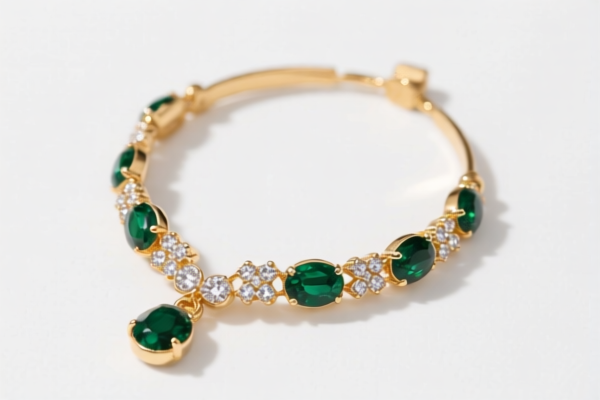

AI Analysis
🌸 Imitation Pearl Accessories: The Ultimate HS Code & Taxation Guide (2026 Edition)
🌐 HS Code Reference & Customs Clearance Strategy | 2026 Tariff Breakdown | Professional Logistics Protocol
📌 I. Product Definition & Classification: Are You Declaring "Pearls" or "Plastic"?
Imitation Pearl Accessories are decorative items designed to mimic the appearance of natural pearls using artificial materials. In international trade, the distinction lies not in the look, but in the composition and function:
- Base Metal Gold-Plated Imitation Pearls: Made of base metals (zinc, copper) coated with gold or other precious metal finishes, often set with synthetic pearls. (Jewelry/Adornment).
- Simulated Precious Metal Pearls: Made of glass, plastic, or resin coated to look like pearls, often used in jewelry chains or earrings.
- Non-Jewelry Metallic Ornaments: Pure base metal decorations (e.g., buckles, beads for crafts) not intended as wearable jewelry.
⚠️ Critical Distinction Point:
- Wearable Jewelry (Earrings, Necklaces, Bracelets made of Base Metal + Imitation Pearls) → Usually classified under Chapter 71 (Pearls/Gems) or 8306 (Base Metal Ornaments).
- General Decorative Metal Parts (Buckles, Beads for crafts, non-jewelry use) → Classified under Chapter 83.
- Material Matters: "Base Metal" + "Gold Plated" triggers specific 122% and Section 301 tariffs in the US market.
📦 II. HS Code Classification Matrix (2026 Authorized Reference)
Based on the provided tariff data, here is the precise mapping for Imitation Pearl Accessories:
| HS Code | Product Description | Material & Use Case | Tax Rate | Composition Breakdown |
|---|---|---|---|---|
| 7113.20.50.00 | Imitation Gold Jewelry | Base Metal + Gold Plated Use: Jewelry/Ornaments |
22.7% | 5.2% (Basic) + 7.5% (Add-on) + 10% (122 Clause) |
| 7113.20.29.00 | Imitation Gold Jewelry (Other) | Base Metal + Gold Plated Use: Jewelry/Ornaments |
22.7% | 5.2% (Basic) + 7.5% (Add-on) + 10% (122 Clause) |
| 7116.20.15.00 | Imitation Pearl/Plastic Jewelry | Simulated Precious Metal (Glass/Resin) Use: Jewelry/Ornaments |
24.0% | 6.5% (Basic) + 7.5% (Add-on) + 10% (122 Clause) |
| 8306.29.00.00 | Base Metal Ornaments (General) | Base Metal (No Plating) Use: General Decorations |
10.0% | 0.0% (Basic) + 0.0% (Add-on) + 10% (122 Clause) |
| 8306.21.00.00 | Base Metal Statuary/Ornaments | Base Metal (No Plating) Use: Decorative Statues/Parts |
22.0% | 4.5% (Basic) + 7.5% (Add-on) + 10% (122 Clause) |
🔍 Key Logic:
- Items 7113.xx & 7116.xx: If the item is clearly Jewelry (wearable on body), it falls here. The tax rate is high (22.7% - 24.0%) due to the "122 Clause" (US Section 301 retaliation) + "Add-on Tariff". - Items 8306.xx: If the item is NOT jewelry (e.g., loose beads, craft parts, home decor), it falls here. - 8306.29.00.00: Lowest tax (10%) if strictly "Base Metal" with no gold plating. - 8306.21.00.00: Higher tax (22.0%) if classified under specific ornament sub-categories with basic duty.
💰 III. 2026 Tariff Rate Deep Dive (Tax Clause Explanation)
✅ Applicable Market: USA (US)
✅ Origin: China (CN)
✅ Effective Date: 2026 (Current Trade Policy)
🎯 1. Jewelry Category (7113.20.50.00 / 7113.20.29.00 / 7116.20.15.00)
| Tax Component | Rate | Legal Basis & Explanation |
|---|---|---|
| Basic Duty (MFN) | 5.2% (for 7113) / 6.5% (for 7116) | Standard Most-Favored-Nation rate for "Other Articles of Precious Metal" or "Imitation Jewelry". |
| Section 301 / Add-on | +7.5% | Retaliatory tariff on Chinese consumer goods; often applied to non-metallic or gold-plated items. |
| 122 Clause (Retaliation) | +10.0% | CRITICAL: This is the "Section 301 Retaliatory Tariff" specifically targeting Chinese goods (often linked to trade disputes). It applies to all listed codes here. |
| TOTAL EFFECTIVE RATE | 22.7% (Jewelry) / 24.0% (Simulated) | Formula: (Basic + Add-on + 122 Clause). |
📌 Calculation Example:
Value: $1,000 USD
Duty = $1,000 × 22.7% = $227.00
Note: No de minimis exemption applies to these high-value industrial goods in most commercial shipments.
🎯 2. General Decorative Category (8306.29.00.00)
| Tax Component | Rate | Legal Basis & Explanation |
|---|---|---|
| Basic Duty | 0.0% | Base metal ornaments often enjoy lower MFN rates. |
| Section 301 / Add-on | 0.0% | Specific classification 8306.29.00.00 may be exempt from the 7.5% add-on if classified strictly as "other base metal articles". |
| 122 Clause (Retaliation) | +10.0% | MANDATORY: The 10% retaliatory tariff still applies to almost all Chinese-origin goods under this section. |
| TOTAL EFFECTIVE RATE | 10.0% | Formula: 0% + 0% + 10%. |
📌 Strategic Insight:
If your "Imitation Pearl" product is NOT being sold as a wearable necklace/earring (e.g., sold as "craft beads" or "home decor"), you might argue for 8306.29.00.00 to save 12.7% in taxes (22.7% - 10.0%).
🛠️ IV. Customs Clearance Practical Advice (Avoiding Pitfalls)
✅ 1. Documentation Checklist (Must-Have)
| Document | Requirement | Purpose |
|---|---|---|
| Commercial Invoice | Must clearly state "Imitation Pearl" and "Base Metal/Gold Plated" | Prevents misclassification as "Real Gold" (0% duty) which triggers fraud alerts. |
| Product Photos | High-res images showing the material (plastic/glass vs. metal) and finish | Proves whether it is "Simulated" (7116) or "Gold Plated Base Metal" (7113). |
| Bill of Materials (BOM) | List exact composition: e.g., "Zinc Alloy + 18K Gold Plating + Resin Pearls" | Determines the specific HS Code (7113 vs 8306). |
| Packaging Description | Clearly label contents as "Decorative Beads" OR "Fashion Jewelry" | Crucial: Declaring as "Jewelry" forces 22.7% tax; declaring as "Craft Beads" may allow 10% tax. |
| Country of Origin | Must be marked "Made in China" | Triggers the 10% 122 Clause tariff. |
✅ 2. Classification Strategy (The "Jewelry vs. Ornament" Trap)
🔥 Rule of Thumb:
"If it is worn, it's 22.7%. If it's for decoration, it might be 10%."
| Scenario | Correct HS Code | Reasoning | Risk if Wrong |
|---|---|---|---|
| Pearl Earrings | 7113.20.50.00 |
It is wearable jewelry. | Under-declaration: Fines + 22.7% back-dated. |
| Pearl Necklace | 7113.20.29.00 |
Wearable jewelry. | Same as above. |
| Loose Pearl Beads | 8306.29.00.00 |
Sold for crafts/decoration, not directly worn. | Risk: Customs may reject if they look like finished jewelry. |
| Gold-Plated Frames | 8306.21.00.00 |
Base metal frames, not necessarily "jewelry". | Risk: Higher tax (22%) but still better than 24%. |
✅ 3. Special Handling for "Imitation" Claims
- Do Not Say "Gold": If the product is "Base Metal Gold Plated", never simply declare "Gold". Use "Gold Plated Base Metal".
- Simulated vs. Real: If the pearls are resin/plastic, use 7116.20.15.00.
- The 10% "122 Clause" is Non-Negotiable: Even if you argue for
8306.29.00.00(10% tax), you cannot avoid the 10% retaliatory tariff. The only savings is avoiding the additional 7.5% or higher basic duty.
🌍 V. Global Market Comparison (2026 Snapshot)
| Market | Recommended HS Code | Estimated Duty (China Origin) | Key Note |
|---|---|---|---|
| 🇺🇸 USA | 7113.20.50.00 (Jewelry) / 8306.29.00.00 (Ornaments) |
22.7% or 10.0% | High Risk: The 10% 122 Clause is strict. Jewelry classification is heavily audited. |
| 🇨🇳 China | Varies | Low (5-10%) | Exports to China have different rules; this guide is for exporting from China. |
| 🇪🇺 EU | 7113 / 8306 | ~0% - 6% | No Section 301/122 Clause equivalent. Lower overall tax burden. |
| 🇯🇵 Japan | 7113 / 8306 | ~0% - 5% | No punitive tariffs on Chinese imitation jewelry. |
📌 Conclusion:
The USA is the most expensive market for Imitation Pearl Accessories due to the 122 Clause (10%) and Add-on Tariffs (7.5%).
- Strategy: If the product can be classified as General Decoration (8306.29.00.00) rather than Jewelry, you save ~12.7% in duty.
- Warning: If the product is clearly jewelry (necklaces, earrings), you must pay the 22.7% total.
📌 VI. Common Mistakes & Blood-Tears Lessons
❌ Mistake 1: Declaring "Gold Jewelry" when it is "Base Metal Plated".
👉 Result: Customs flags for fraud, fines, and seizure.
❌ Mistake 2: Declaring "Pearl Beads" as "Jewelry" when they are sold as "Craft Supplies".
👉 Result: Overpaying 12.7% in taxes (22.7% vs 10.0%).
✅ Fix: Change invoice description to "Imitation Pearl Craft Beads for Decorative Use".
❌ Mistake 3: Ignoring the "122 Clause" in cost calculations.
👉 Result: Profit margin eroded by the unexpected 10% penalty.
❌ Mistake 4: Splitting a jewelry set into parts to avoid classification.
👉 Result: Customs will reassemble the set and charge the higher jewelry rate anyway.
🎯 VII. Final Verdict: Strategic Pricing & Compliance
🎯 Remember the Formula:
"Jewelry = 22.7% (High Tax)"
"Ornaments = 10.0% (Low Tax)"
✅ Action Plan: 1. Audit Product: Is it wearable? If yes, accept 22.7%. If no (craft/decor), aim for 10%. 2. Update Invoice: Explicitly state "Base Metal, Gold Plated" or "Simulated Precious Metal". 3. Check Origin: Ensure "Made in China" is marked to trigger the correct 122 Clause application. 4. Prepare for Audit: Have photos of the material (plastic/metal) ready for Customs.
📌 Pro Tip:
For US imports, the 10% 122 Clause is the biggest cost driver. If you are importing non-jewelry imitation pearls (beads, craft parts), insist on 8306.29.00.00 to minimize tax. If you are importing finished jewelry, you must budget for 22.7% total duty.
✨ Professional Customs Clearance Starts with Accurate Classification!
💼 Don't let a 12% tax difference eat your profit margin.
🚀 Optimize your HS Code, clear customs faster, and maximize returns!
Customer Reviews
About HS Code Classification
The Harmonized System (HS) is an internationally standardized nomenclature developed by the World Customs Organization (WCO) to classify traded products. Over 200 countries use the HS system as the basis for customs tariffs, trade statistics, and import/export regulations.
Each HS code follows a hierarchical structure:
- Chapter (2 digits) — Broad category of goods (e.g., Chapter 84: Machinery and Mechanical Appliances)
- Heading (4 digits) — More specific grouping within the chapter
- Subheading (6 digits) — Internationally standardized breakdown, used by all WCO member countries
- National subdivisions (8-10 digits) — Country-specific extensions for further classification, such as US HTSUS 10-digit codes
Correct HS code classification is essential for smooth customs clearance, accurate duty payment, and compliance with trade regulations. Misclassification can lead to customs delays, overpayment of duties, or penalties.
When importing from CN to US, the applicable tariff rates may include:
- Most-Favored-Nation (MFN) rate — The standard duty rate applied to WTO members
- General rate — Applied to countries without trade agreements
- Trade remedy duties — Additional tariffs such as Section 301 (anti-dumping), Section 232 (national security), or countervailing duties
The information provided on this page is for reference purposes only. For official classification, please consult with your local customs authority or a licensed customs broker.