Immersion Heater
CN → US| HS Code | Tariff Rate | Origin | Destination | Doc |
|---|---|---|---|---|
| 8419190160 | 35.0% | CN | US | Official Doc |
| 8516100080 | 17.5% | CN | US | Official Doc |
| 8516100040 | 17.5% | CN | US | Official Doc |
Product Images
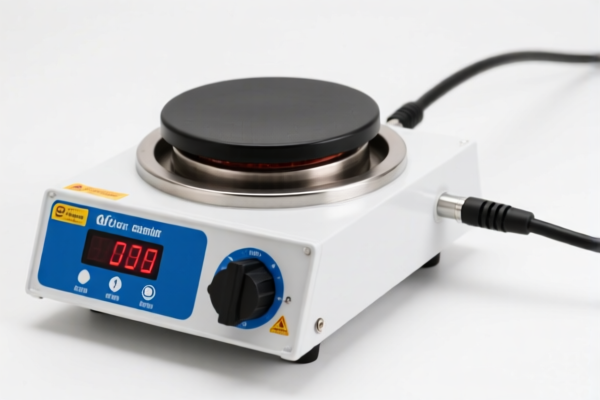
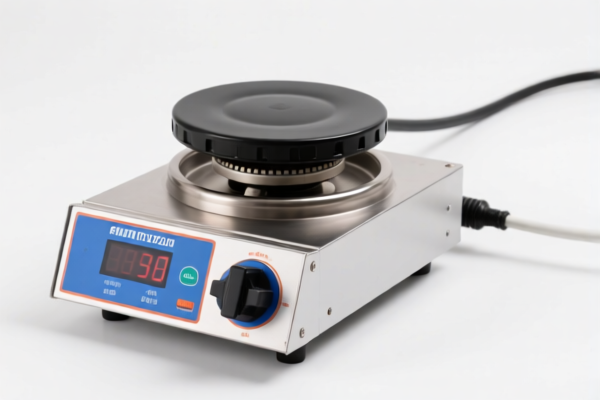
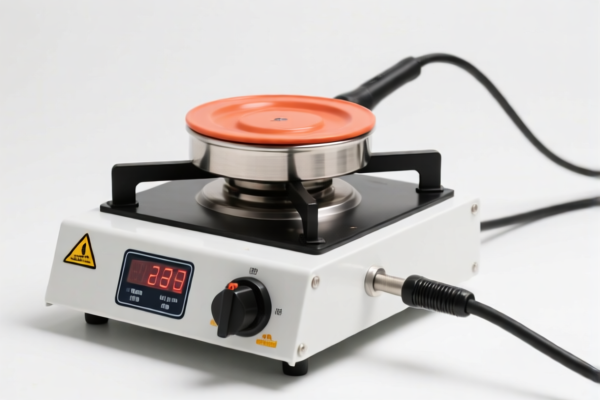
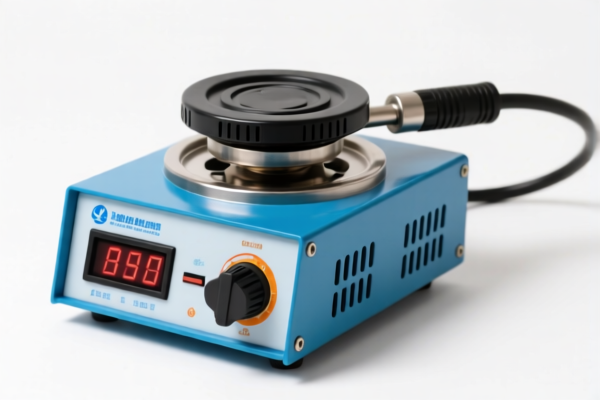
AI Analysis
🌡️ Immersion Heater (浸入式加热器)
🌐 HS Code Reference & Customs Clearance Guide | 2026 Latest Tariff Analysis | Professional Clearance Strategy
📌 I. Product Definition & Classification: What exactly is an "Immersion Heater"?
An Immersion Heater is a heating device designed to be submerged directly into a liquid (water, oil, chemical solutions, etc.) to transfer heat efficiently. Unlike surface heaters or radiators, the heating element is fully or partially immersed in the medium being heated.
In international trade, the classification depends heavily on whether the heater is electric or non-electric, and its specific structural integration. The provided data highlights three distinct classifications based on technical nuances:
- Electric Immersion Heaters: The most common type, where electrical resistance generates heat.
- Non-Electric/Other Heating Devices: Devices that may use steam, hot water jackets, or other non-electric methods, classified under general heating machinery.
⚠️ Key Distinction Point:
- If the device is electric and specifically designed for immersion → It falls under 8516.10.00 (Electric Immersion Heaters).
- If the device is non-electric or considered a general "heating apparatus" not specifically exempted as electric immersion → It may fall under 8419.19.01.60.
📦 II. HS Code Classification Details (2026 Latest Tariff Authority Comparison)
Based on the provided dataset, here are the two primary classification paths for "Immersion Heaters":
| HS Code | Product Description | Applicability & Logic | Electric vs. Non-Electric |
|---|---|---|---|
8516.10.00.80 |
Immersion Heaters (Electric) | Specifically designed electric heating elements for direct immersion. Matches the definition exactly. | ✅ Electric |
8516.10.00.40 |
Immersion Heaters (Electric) | Another sub-category for electric immersion heaters, functionally identical to 8516.10.00.80. | ✅ Electric |
8419.19.01.60 |
Other Machinery for Heating/Processing Liquids | Classified as a general "heating apparatus" or element when not strictly fitting the specific electric immersion heater subheadings, or for non-electric variants. | ❌ Non-Electric / General Category |
🔍 Critical Note:
- Codes 8516.10.00.80 and 8516.10.00.40 are essentially the same product category ("Immersion Heaters") but may differ slightly in specific domestic sub-classifications or reporting requirements. Both share the same tax rate. - Code 8419.19.01.60 is a broader category for "Machinery, plant or laboratory equipment..." for heating liquids. It is used when the item is classified as a general heating device rather than a specific electric immersion heater. This path carries a significantly higher tariff.
💰 III. 2026 Latest Tariff Rate Breakdown (Including Surcharge & Policy Add-ons)
✅ Applicable Country: United States (US)
✅ Origin: China (CN)
✅ Effective Time: Current trade policies (Section 301 / Section 122)
🎯 1. 8516.10.00.80 & 8516.10.00.40 —— Electric Immersion Heaters
| Item | Content |
|---|---|
| Base Duty Rate | 0.0% (ad valorem) |
| Section 301 Surcharge (China) | +7.5% (Additional Duty) |
| Section 122 Surcharge (China) | +10.0% (Additional Duty) |
| Total Tariff Rate | 17.5% |
| Tax Calculation | CIF Value × 17.5% |
| De Minimis Exemption | ❌ Not Eligible (High duties usually block de minimis clearance for these types of goods from China) |
| Legal Basis Path | HTS:8516.10.00 → Section 301: Footnote 9903.01.24 → Section 122: 10% Surcharge |
📌 Explanation:
- The Base Duty is 0%, which is typical for certain heating elements under Chapter 85. - The Section 301 Surcharge of 7.5% applies to most Chinese-origin electrical goods. - The Section 122 Surcharge of 10% is a recent/additional measure targeting specific categories. - Total Impact: A 17.5% duty is relatively moderate compared to other industrial goods, but it is still significant for low-margin components.
🎯 2. 8419.19.01.60 —— Other Heating Machinery/Apparatus
| Item | Content |
|---|---|
| Base Duty Rate | 0.0% (ad valorem) |
| Section 301 Surcharge (China) | +25.0% (Standard Additional Duty) |
| Section 122 Surcharge (China) | +10.0% (Additional Duty) |
| Total Tariff Rate | 35.0% |
| Tax Calculation | CIF Value × 35.0% |
| De Minimis Exemption | ❌ Not Eligible |
| Legal Basis Path | HTS:8419.19.01.60 → Section 301: Footnote 9903.03.99 (or applicable footnote) → Section 122: 10% Surcharge |
📌 Explanation:
- Misclassification into this broader "Machinery" category results in a 25% Section 301 surcharge instead of 7.5%. - Combined with the 10% Section 122 surcharge, the total duty is 35.0%, which is double the cost of the electric immersion heater classification. - Risk: This highlights the critical importance of declaring the product as an "Immersion Heater" (8516) rather than a generic "Heating Device" (8419) to save 17.5% in duties.
🛠️ IV. Customs Clearance Practical Advice (Battle-Tested Pitfall Avoidance)
✅ 1. Documentation Checklist (Essential)
| Document | Required | Purpose |
|---|---|---|
| ✅ Product Specification Sheet | ✔️ | Must explicitly state "Immersion Heater," voltage, wattage, and immersion depth. |
| ✅ Technical Diagram | ✔️ | Shows the heating element is designed to be submerged (key for 8516 vs 8419). |
| ✅ Commercial Invoice | ✔️ | Description must match HS Code logic: "Electric Immersion Heater, Model XYZ." |
| ✅ Certificate of Origin (CO) | ✔️ | To confirm Chinese origin and apply correct surcharges. |
| ✅ Packaging List | ✔️ | Ensure no non-compliant parts (e.g., untreated wood pallets) delay clearance. |
✅ 2. Classification Strategy (Key Mantra)
🔥 "Electric Immersion = 8516 (17.5%) vs. Generic Heater = 8419 (35.0%)!"
| Scenario | Correct Classification | Risk of Misclassification |
|---|---|---|
| Standard electric heating rod for water tanks | 8516.10.00.80 or .40 |
If declared as "Heating Element," risk of moving to 8419 → +17.5% cost increase |
| Non-electric steam immersion heater | 8419.19.01.60 |
Must provide proof of non-electric nature (steam pipes, etc.) |
| Heated tank with built-in heater | 8419.19.01.60 or 8419.89 |
If the heater is integral to a machine, it may be classified as part of the machine, not the heater itself |
📌 Advice:
- Always specify "Electric" in the product description to support classification under Chapter 85 (8516). - Avoid vague terms like "Heating Device" or "Boiler Part" without further clarification.
✅ 3. Special Case Handling
| Situation | Recommendation |
|---|---|
| OEM Custom Heaters | Provide client-specific engineering drawings showing immersion design. |
| Mixed Shipments | If shipping both electric (8516) and non-electric (8419) items, declare separately to apply correct rates. Do not lump into one generic code. |
| Section 122 Compliance | Ensure the supplier can verify the 10% surcharge applicability, as this is a newer/variable policy component. |
🌍 V. Global Market Comparison (2026 Context)
| Market | Recommended HS Code | Estimated Duty (China Origin) | Notes |
|---|---|---|---|
| 🇺🇸 USA | 8516.10.00.80 |
17.5% | High sensitivity to Section 301 & 122. Accurate classification is vital. |
| 🇪🇺 EU | 8516.10.00 |
~0-2.7% | No Section 301/122 equivalent, but VAT and CE marking required. |
| 🇨🇳 China | 8516.10.00 |
0% (Import) | Domestic consumption. No additional surcharges. |
| 🇬🇧 UK | 8516.10.00 |
~0-2.5% | Post-Brexit tariffs apply, but generally lower than US surcharges. |
📌 Conclusion:
- The US market is the most challenging due to the 17.5%–35.0% duty structure. - Accurate classification under 8516 saves 17.5% compared to misclassification under 8419. - Suppliers should emphasize the "Electric Immersion" nature of the product in all commercial documents.
📌 VI. Common Errors & Pitfalls (Lessons Learned)
❌ Error 1: Describing the product simply as "Heater" or "Heating Element"
👉 Consequence: Customs may default to a broader machinery code (8419), triggering the 25% Section 301 duty.
👉 Fix: Use precise terminology: "Electric Immersion Heater."
❌ Error 2: Ignoring Section 122 Surcharge
👉 Consequence: Underpaying duties by 10% leads to penalties and interest upon audit.
👉 Fix: Always include the 10% Section 122 in cost calculations for China-origin goods.
❌ Error 3: Mixing Electric and Non-Electric Heaters in One Shipment Without Separate Declaration
👉 Consequence: Customs may audit the entire shipment, applying the highest duty rate to all items.
👉 Fix: Separate shipments or clearly itemize with distinct HS codes.
✅ Correct Declaration Example:
"Electric Immersion Heater, Stainless Steel Sheath, 380V 50Hz, 3000W, Designed for Direct Liquid Submersion, Model IH-300"
🎯 VII. Conclusion: Precision Classification Saves Money!
🎯 Key Takeaway:
🔹 "Immersion Heater = 8516 (17.5%) is better than Generic Heater = 8419 (35.0%)."
🔹 "Specify 'Electric' to qualify for lower Chapter 85 duties."
🔹 "Always account for Section 301 (7.5% or 25%) + Section 122 (10%)."
📌 Pro Tip:
If your immersion heaters are originally manufactured in Vietnam, Mexico, or Malaysia, you may qualify for lower or zero Section 301 duties. Always verify the Country of Origin on the bill of lading and certificate of origin.
📣 Immediate Action:
📞 Confirm HS Code with your freight forwarder.
📄 Ensure "Electric Immersion Heater" is on the Commercial Invoice.
💡 Calculate landed cost including 17.5% total duty for accurate pricing.
✨ Professional Clearance Starts with Accurate Classification!
💼 Every 1% of duty saved is pure profit!
Customer Reviews
About HS Code Classification
The Harmonized System (HS) is an internationally standardized nomenclature developed by the World Customs Organization (WCO) to classify traded products. Over 200 countries use the HS system as the basis for customs tariffs, trade statistics, and import/export regulations.
Each HS code follows a hierarchical structure:
- Chapter (2 digits) — Broad category of goods (e.g., Chapter 84: Machinery and Mechanical Appliances)
- Heading (4 digits) — More specific grouping within the chapter
- Subheading (6 digits) — Internationally standardized breakdown, used by all WCO member countries
- National subdivisions (8-10 digits) — Country-specific extensions for further classification, such as US HTSUS 10-digit codes
Correct HS code classification is essential for smooth customs clearance, accurate duty payment, and compliance with trade regulations. Misclassification can lead to customs delays, overpayment of duties, or penalties.
When importing from CN to US, the applicable tariff rates may include:
- Most-Favored-Nation (MFN) rate — The standard duty rate applied to WTO members
- General rate — Applied to countries without trade agreements
- Trade remedy duties — Additional tariffs such as Section 301 (anti-dumping), Section 232 (national security), or countervailing duties
The information provided on this page is for reference purposes only. For official classification, please consult with your local customs authority or a licensed customs broker.