Impregnated Fabric
CN → US| HS Code | Tariff Rate | Origin | Destination | Doc |
|---|---|---|---|---|
| 5903102090 | 35.0% | CN | US | Official Doc |
| 5903902500 | 42.5% | CN | US | Official Doc |
| 5907001500 | 43.0% | CN | US | Official Doc |
| 5907003500 | 43.0% | CN | US | Official Doc |
| 5906993000 | 38.3% | CN | US | Official Doc |
| 5906913000 | 12.7% | CN | US | Official Doc |
Product Images
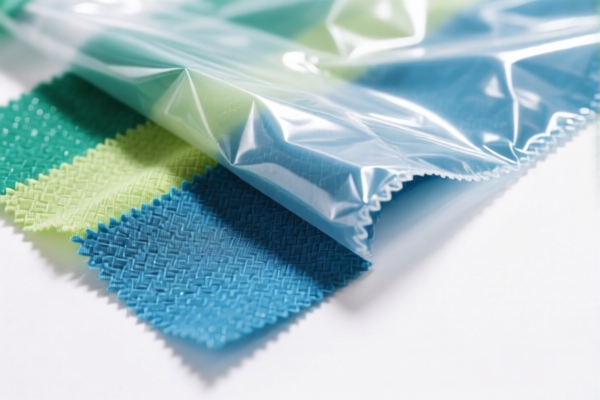
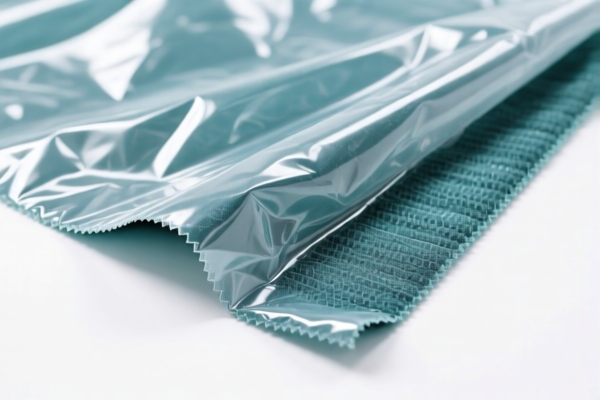
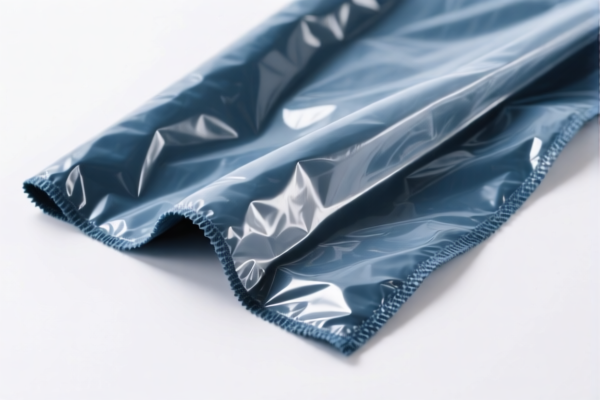
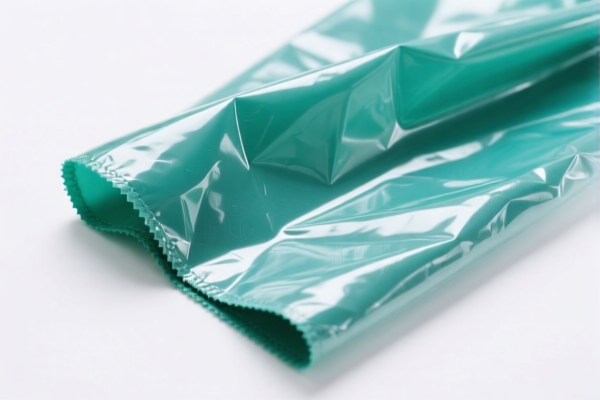
AI Analysis
🌟 Impregnated Fabric (Textile Fabrics Impregnated, Coated, Covered or Laminated with Plastics)
🌐 HS Code Reference & Customs Clearance Guide | 2026 Latest Tariff Analysis | Professional Import Strategy
📌 One, Product Definition & Classification: What Exactly Is "Impregnated Fabric"?
Impregnated fabric refers to textile materials that have been treated with plastics, rubber, or other synthetic resins to enhance durability, water resistance, fire retardancy, or aesthetic appeal. These fabrics are widely used in industrial, automotive, construction, and consumer goods sectors.
In international trade, they are classified under Chapter 59 of the Harmonized System (HS), specifically:
- Impregnated, coated, covered, or laminated with plastics (excluding those of heading 5902)
- Rubberized textile fabrics (other than those in heading 5902)
- Laminated fabrics specified in Note 9 to Section XI
⚠️ Key Differentiation Points: - If the fabric is only soaked or impregnated with plastic → 5903.xx.xx.xx - If coated or laminated with PVC or other polymers → 5903.10.20.90 or 5903.90.25.00 - If rubberized (rubber applied via dipping or coating) → 5906.91.30.00 or 5906.99.30.00 - If laminated with multiple layers (e.g., fabric + plastic film) → 5907.00.15.00 / 5907.00.35.00
📦 Two, HS Code Classification Details (2026 Official Tariff Match)
| HS Code | Product Description | Use Case | Fiber Type | Plastic/Rubber Content |
|---|---|---|---|---|
5906.99.30.00 |
Rubberized textile fabrics, other than those of heading 5902: Other: Other: Other | Industrial belts, conveyor belts, protective clothing | Any | Rubber-based coating |
5906.91.30.00 |
Rubberized textile fabrics, other than those of heading 5902: Other: Knitted or crocheted: Other | Sportswear, gloves, stretchable rubberized fabrics | Man-made fibers (e.g., polyester, nylon) | Rubber coating on knitted base |
5907.00.15.00 |
Textile fabrics otherwise impregnated, coated or covered; painted canvas being theatrical scenery, studio back-cloths or the like: Laminated fabrics; fabrics specified in note 9 to section XI: Of man-made fibers: Other (229) | Stage backdrops, exhibition panels, architectural membranes | Man-made fibers | Laminated with plastic film |
5907.00.35.00 |
Textile fabrics otherwise impregnated, coated or covered; painted canvas being theatrical scenery, studio back-cloths or the like: Laminated fabrics; fabrics specified in note 9 to section XI: Other: Other (229) | Industrial covers, temporary shelters, waterproof tarps | Natural or mixed fibers | Laminated with plastic (non-man-made fiber base) |
5903.10.20.90 |
Textile fabrics impregnated, coated, covered or laminated with plastics, other than those of heading 5902: With poly(vinyl chloride): Of man-made fibers: Other: Over 70 percent by weight of rubber or plastics Other | Heavy-duty industrial linings, tank linings, chemical-resistant fabrics | Man-made fibers | PVC + rubber/plastic >70% by weight |
5903.90.25.00 |
Textile fabrics impregnated, coated, covered or laminated with plastics, other than those of heading 5902: Other: Of man-made fibers: Other: Other (229) | General-purpose coated fabrics, awnings, tent materials | Man-made fibers | Other plastics (not PVC), <70% rubber/plastic |
🔍 Critical Insight: - "Over 70% rubber or plastics" triggers high additional tariffs (25%) under US trade law; - "Other (229)" means "not otherwise specified" — often used for non-standard or mixed-use fabrics; - "Knitted or crocheted" fabrics are not treated the same as woven ones — they have their own subheadings.
💰 Three, 2026 Latest Tariff Breakdown (Including附加 Taxes & Policy Add-ons)
✅ Applicable Country: United States (US)
✅ Origin: China (CN)
✅ Effective Date: November 10, 2025 (and ongoing)
🎯 1. 5906.99.30.00 — Rubberized Textile Fabrics (Other, Non-Knitted)
| Item | Detail |
|---|---|
| Base Tariff | 0% (ad valorem) |
| USITC Additional Duty | 0% |
| IEEPA Additional Duty | 0% |
| Total Tax Rate | 0.0% |
| Tax Calculation | CIF Value × 0% |
| De Minimis Exemption | ✅ Yes (if value < $800) |
| Legal Basis Path | USITC:5906.99.30.00 → FOOTNOTE:9903.88.01 → No additional duty triggered |
📌 Explanation:
- This is a non-PVC, non-rubber-over-70% fabric; no special trade penalties apply. - Ideal for protective clothing, industrial mats, or non-critical applications. - No extra tariffs — one of the most favorable codes in the group.
🎯 2. 5906.91.30.00 — Rubberized Knitted/Crocheted Textile Fabrics
| Item | Detail |
|---|---|
| Base Tariff | 0% |
| USITC Additional Duty | 0% |
| IEEPA Additional Duty | 0% |
| Total Tax Rate | 0.0% |
| Tax Calculation | CIF × 0% |
| De Minimis Exemption | ✅ Yes |
| Legal Basis Path | USITC:5906.91.30.00 → FOOTNOTE:9903.88.01 → No extra tax |
📌 Note:
- Knitted fabrics are treated separately due to their structure and use. - Still no additional duties, even if rubberized. - Great for sportswear, gloves, stretchable protective gear.
🎯 3. 5907.00.15.00 — Laminated Fabrics (Man-Made Fibers)
| Item | Detail |
|---|---|
| Base Tariff | 0% |
| USITC Additional Duty | 0% |
| IEEPA Additional Duty | 0% |
| Total Tax Rate | 0.0% |
| Tax Calculation | CIF × 0% |
| De Minimis Exemption | ✅ Yes |
| Legal Basis Path | USITC:5907.00.15.00 → FOOTNOTE:9903.88.01 → No additional duty |
📌 Use Case:
- Stage backdrops, exhibition walls, temporary shelters. - Laminated with plastic film, but not over 70% rubber/plastic → safe from extra tariffs.
🎯 4. 5907.00.35.00 — Laminated Fabrics (Other Fibers)
| Item | Detail |
|---|---|
| Base Tariff | 0% |
| USITC Additional Duty | 0% |
| IEEPA Additional Duty | 0% |
| Total Tax Rate | 0.0% |
| Tax Calculation | CIF × 0% |
| De Minimis Exemption | ✅ Yes |
| Legal Basis Path | USITC:5907.00.35.00 → FOOTNOTE:9903.88.01 → No extra tax |
📌 Key Point:
- Even if natural fibers (cotton, jute) are laminated, no extra tariffs apply. - Common in agricultural covers, industrial tarps, temporary roofing.
🎯 5. 5903.10.20.90 — PVC-Coated Fabrics (Man-Made Fibers, >70% Rubber/Plastics)
| Item | Detail |
|---|---|
| Base Tariff | 0% |
| USITC Additional Duty | +25% |
| IEEPA Additional Duty | +10% |
| Total Tax Rate | 35.0% |
| Tax Calculation | CIF Value × 35% |
| De Minimis Exemption | ❌ No (deny_de_minimis) |
| Legal Basis Path | IEEPA:9903.01.25 → IEEPA:9903.01.24 → USITC:5903.10.20.90 → FOOTNOTE:9903.88.01 |
📌 Explanation:
- This is the most dangerous code in the list. - >70% rubber or plastic by weight triggers Section 301 tariffs. - +25% USITC (from USTR’s Section 301 List 3) + +10% IEEPA (China-specific emergency powers). - Total: 35% — extremely high for a textile product. - No de minimis exemption — even small shipments are fully taxed.🔥 Real-World Risk:
- A $10,000 shipment → $3,500 in additional duties. - Could be seized or delayed if misclassified.
🎯 6. 5903.90.25.00 — Other Plastic-Coated Fabrics (Man-Made Fibers, Other)
| Item | Detail |
|---|---|
| Base Tariff | 0% |
| USITC Additional Duty | 0% |
| IEEPA Additional Duty | 0% |
| Total Tax Rate | 0.0% |
| Tax Calculation | CIF × 0% |
| De Minimis Exemption | ✅ Yes |
| Legal Basis Path | USITC:5903.90.25.00 → FOOTNOTE:9903.88.01 → No extra duty |
📌 Important Note:
- This code applies to non-PVC, non-rubber-heavy plastic-coated fabrics. - If plastic content <70%, and not PVC, this is safe. - Ideal for awnings, tents, outdoor furniture covers.
🛠️ Four, Customs Clearance Best Practices (Pro Tips to Avoid Penalties)
✅ 1. Must-Have Documentation (No Exceptions)
| Document | Required? | Why It Matters |
|---|---|---|
| ✅ Product Specification Sheet | ✔️ | Shows fiber type, coating method, plastic content |
| ✅ Material Safety Data Sheet (MSDS) | ✔️ | Proves composition (e.g., PVC vs. non-PVC) |
| ✅ Technical Drawings / Layer Diagrams | ✔️ | Proves whether it’s laminated, coated, or impregnated |
| ✅ Product Photos (with label & cross-section) | ✔️ | Critical for customs inspection |
| ✅ Commercial Invoice | ✔️ | Must state "PVC-coated" or "rubberized" clearly |
| ✅ Certificate of Origin (CO) | ✔️ | Needed for tariff eligibility (e.g., Vietnam vs. China) |
| ✅ Test Report (e.g., ISO, ASTM) | ✔️ | Confirms % rubber/plastic content |
✅ 2.申报技巧(申报口诀)
🔥 "Plastic over 70%? Watch out! PVC? 35%! Knitted? 0%! Laminated? 0%! Only one code bites: 5903.10.20.90!"
| Scenario | Correct HS Code | Wrong Code | Risk |
|---|---|---|---|
| PVC-coated fabric, >70% plastic | 5903.10.20.90 |
5903.90.25.00 |
35% tax, penalties |
| Knitted rubberized fabric | 5906.91.30.00 |
5906.99.30.00 |
Misclassification |
| Laminated cotton tarp | 5907.00.35.00 |
5903.90.25.00 |
Wrong fiber type |
| General plastic-coated fabric | 5903.90.25.00 |
5903.10.20.90 |
Unnecessary 35% tax |
✅ 3. Special Cases Handling
| Situation | Recommended Action |
|---|---|
| Fabric contains 70% rubber but not PVC | Still use 5903.10.20.90 → 25% + 10% = 35% |
| Fabric made in Vietnam/Mexico | Apply for IEEPA exemption → 0% tariff |
| Custom design, non-standard | Request Advance Ruling (Pre-Decision) from U.S. Customs |
| Used in military/medical applications | Apply for non-commercial exemption with supporting docs |
🌍 Five, Global Customs Comparison (2026 Update)
| Country | Recommended HS Code | Tariff | Certification | Notes |
|---|---|---|---|---|
| 🇺🇸 USA | 5903.10.20.90 |
35% (if China origin) | None (but must prove composition) | High risk! |
| 🇨🇳 China | 5903.10.20.90 |
5% | CCC | No extra tariffs |
| 🇪🇺 EU | 5903.10.20.90 |
0% (if CE) | CE, REACH | No IEEPA/USITC |
| 🇦🇺 Australia | 5903.10.20.90 |
5% | RCM | No additional duties |
| 🇯🇵 Japan | 5903.10.20.90 |
0% | PSE | No extra taxes |
📌 Conclusion:
- The U.S. is the only market with 35% tariffs on high-plastic fabrics. - China-origin goods are most vulnerable. - Vietnam/Mexico origin can avoid 35% — consider shifting production.
📌 Six, Common Mistakes & How to Avoid Them (Real-World Lessons)
❌ Mistake 1: Misclassifying a PVC-coated fabric (>70%) as 5903.90.25.00
👉 Result: $10,000 shipment → $3,500 extra tax + penalties
❌ Mistake 2: Not proving plastic content in documentation
👉 Result: Customs delays, seizure, or demand for reclassification
❌ Mistake 3: Using “rubberized fabric” in invoice without specifying % content
👉 Result: Risk of being flagged under Section 301
❌ Mistake 4: Shipping from China without origin proof
👉 Result: Automatic 35% tariff applied — no appeal
✅ Correct Approach:
“PVC-Coated Polyester Fabric, 72% Plastic by Weight, 1000g/m², for Industrial Linings, Made in China, Test Report Attached, HS: 5903.10.20.90”
🎯 Seven, Final Verdict: Precision Pays Off!
🎯 Remember the Golden Rule:
🔹 "If it’s >70% plastic and PVC, it’s 35% — no exceptions!"
🔹 "Knitted? 0%. Laminated? 0%. Only one code bites: 5903.10.20.90!"
📌 Pro Tip:
✅ Apply for an Advance Ruling (Pre-Decision) before shipping large volumes.
✅ Switch production to Vietnam/Mexico if shipping to the U.S. — save 35%.
✅ Always include test reports proving plastic content.
📣 Take Action Now:
📞 Contact a customs broker with HS code expertise
🚀 Request pre-ruling for your fabric type
💼 Avoid $10,000+ in surprise tariffs — declare right the first time!
✨ Smart Classification = Smooth Clearance = Profit Protection!
💼 Your next shipment could be 35% cheaper — just by choosing the right HS Code!
Customer Reviews
About HS Code Classification
The Harmonized System (HS) is an internationally standardized nomenclature developed by the World Customs Organization (WCO) to classify traded products. Over 200 countries use the HS system as the basis for customs tariffs, trade statistics, and import/export regulations.
Each HS code follows a hierarchical structure:
- Chapter (2 digits) — Broad category of goods (e.g., Chapter 84: Machinery and Mechanical Appliances)
- Heading (4 digits) — More specific grouping within the chapter
- Subheading (6 digits) — Internationally standardized breakdown, used by all WCO member countries
- National subdivisions (8-10 digits) — Country-specific extensions for further classification, such as US HTSUS 10-digit codes
Correct HS code classification is essential for smooth customs clearance, accurate duty payment, and compliance with trade regulations. Misclassification can lead to customs delays, overpayment of duties, or penalties.
When importing from CN to US, the applicable tariff rates may include:
- Most-Favored-Nation (MFN) rate — The standard duty rate applied to WTO members
- General rate — Applied to countries without trade agreements
- Trade remedy duties — Additional tariffs such as Section 301 (anti-dumping), Section 232 (national security), or countervailing duties
The information provided on this page is for reference purposes only. For official classification, please consult with your local customs authority or a licensed customs broker.