Impregnated/Covered Fabric
CN → US| HS Code | Tariff Rate | Origin | Destination | Doc |
|---|---|---|---|---|
| 5906993000 | 38.3% | CN | US | Official Doc |
| 5907003500 | 43.0% | CN | US | Official Doc |
| 5903102090 | 35.0% | CN | US | Official Doc |
| 5906913000 | 37.7% | CN | US | Official Doc |
| 5907001500 | 43.0% | CN | US | Official Doc |
Product Images
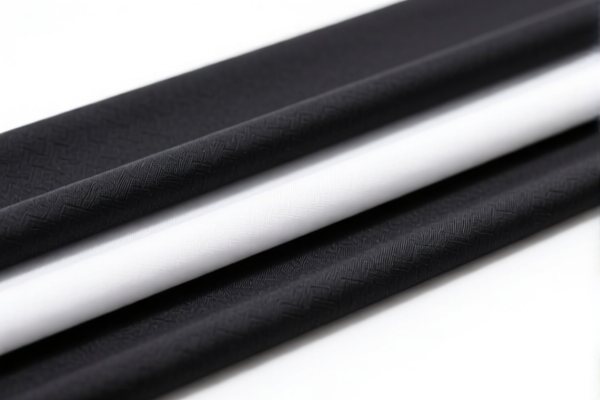
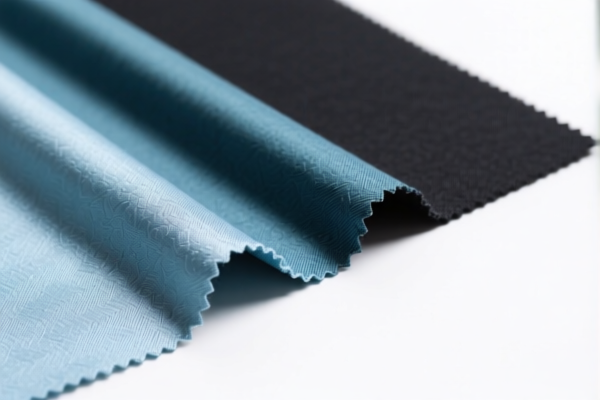
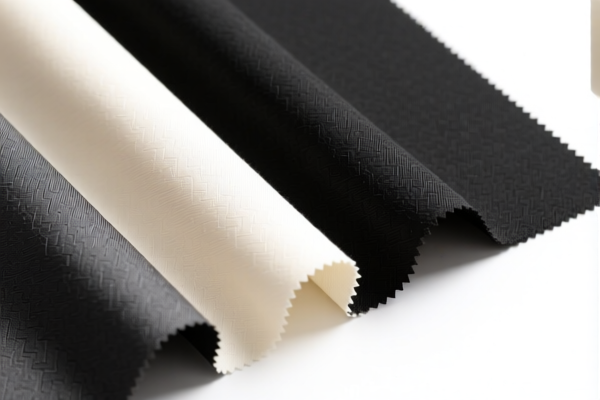
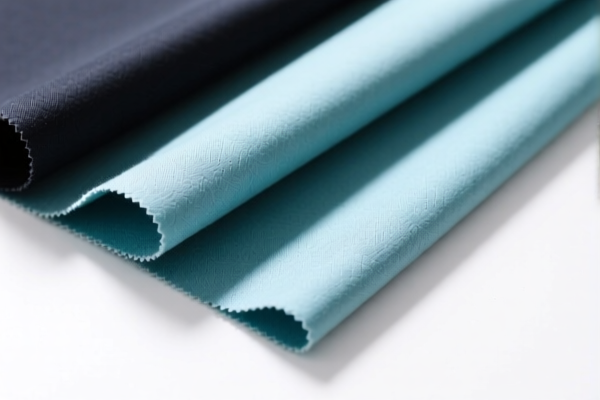
AI Analysis
🧵 Impregnated/Covered Fabric (Immersed Textiles)
🌐 HS Code Reference & Customs Clearance Guide | 2026 Latest Tariff Analysis | Professional Entry Strategy
📌 1. Product Definition: What is "Impregnated/Covered Fabric"?
Impregnated or covered fabrics are textile materials that have been treated with rubber, plastics, or other substances to enhance durability, water resistance, or specific functional properties. In international trade, classification depends heavily on the nature of the impregnation (rubber vs. other substances) and the degree of saturation/coating.
⚠️ Key Classification Logic:
- Rubberized Textiles: If impregnated with rubber, they generally fall under Heading 59.06.
- Plastic-Coated Textiles: If covered with plastic, they generally fall under Heading 59.03.
- Other Impregnated Textiles: If impregnated with substances other than rubber or plastic (e.g., chemicals, starches), they generally fall under Heading 59.07.
📦 2. HS Code Classification Details (Based on Provided Data)
The following HS codes are derived strictly from the provided dataset. Each code represents a specific match between the product's physical characteristics and the customs tariff description.
| HS Code | Product Description / Match Summary | Applicable Scenario | Key Characteristic |
|---|---|---|---|
5906.99.30.00 |
Impregnated fabric matches rubberized textile fabric features | General rubberized textiles (other than knitted/looped) | ✅ Rubberized: Fits the characteristics of "rubberized textile fabrics." |
5907.00.35.00 |
Impregnated fabric completely matches in material and form | Textiles impregnated, coated, covered, or laminated with plastics (other than PVC) | ✅ Material Match: Complete match in material and morphology for non-rubber/plastic-specific impregnation. |
5903.10.20.90 |
Impregnated fabric fully matches classification and morphology | Textiles impregnated, coated, covered, or laminated with PVC | ✅ PVC Coated: Perfect match for PVC-impregnated textiles. |
5906.91.30.00 |
Impregnated fabric meets features of textiles coated or laminated | Rubberized textiles (knitted or looped) | ✅ Coated/Laminated: Fits "rubberized textile fabrics, knitted or looped" or coated/laminated characteristics. |
5907.00.15.00 |
Impregnation matches the term "impregnated" in the code | Textiles painted with design patterns, etc. (specific subheading for impregnated textiles) | ✅ Impregnation Match: Direct match with the "impregnated" descriptor in the tariff heading. |
🔍 Important Note:
- The classification hinges on what substance is used for impregnation (Rubber vs. PVC vs. Other) and how it is applied (Coating vs. Lamination vs. Full Impregnation).
-5906is for Rubber.5903is for Plastics (PVC).5907is for other substances (paints, starches, etc.) or specific impregnation types not covered by 5906/5903.
💰 3. 2026 Latest Tariff Rate Breakdown (Including Additional Duties)
✅ Applicable Country: United States (US)
✅ Origin: China (CN)
✅ Effective Date: Current rates apply (including Section 301 and IEEPA additions)
🎯 1. 5906.99.30.00 – Rubberized Textiles (Other than Knitted/Looped)
| Item | Details |
|---|---|
| Base Tariff | 3.3% |
| Section 301 Additional Tariff | +25.0% |
| Section 122 Tariff | +10.0% |
| Total Effective Rate | 38.3% |
| Tax Calculation | CIF Value × 38.3% |
| De Minimis Eligibility | ❌ Not Eligible (High tariff rates typically exclude de minimis benefits) |
📌 Explanation:
- This code applies to rubberized textiles that do not fit other specific rubberized subheadings (e.g., knitted).
- The 38.3% rate is a composite of base, Section 301 (25%), and Section 122 (10%) tariffs.
- Section 301 is the primary driver of high costs for Chinese textiles.
🎯 2. 5907.00.35.00 – Other Impregnated Textiles (Material/Form Match)
| Item | Details |
|---|---|
| Base Tariff | 8.0% |
| Section 301 Additional Tariff | +25.0% |
| Section 122 Tariff | +10.0% |
| Total Effective Rate | 43.0% |
| Tax Calculation | CIF Value × 43.0% |
| De Minimis Eligibility | ❌ Not Eligible |
📌 Explanation:
- Higher base rate (8.0%) compared to5906codes.
- Still subject to full Section 301 (25%) and Section 122 (10%) additions.
- This is the highest effective rate in the provided data.
🎯 3. 5903.10.20.90 – PVC-Impregnated Textiles
| Item | Details |
|---|---|
| Base Tariff | 0.0% |
| Section 301 Additional Tariff | +25.0% |
| Section 122 Tariff | +10.0% |
| Total Effective Rate | 35.0% |
| Tax Calculation | CIF Value × 35.0% |
| De Minimis Eligibility | ❌ Not Eligible |
📌 Explanation:
- Lowest total rate (35.0%) in the dataset due to a 0% base tariff.
- Despite 0% base, the 35% total is still significant due to punitive tariffs.
- Ideal if the product is PVC-coated and can be classified here.
🎯 4. 5906.91.30.00 – Rubberized Textiles (Knitted/Looped or Coated/Laminated)
| Item | Details |
|---|---|
| Base Tariff | 2.7% |
| Section 301 Additional Tariff | +25.0% |
| Section 122 Tariff | +10.0% |
| Total Effective Rate | 37.7% |
| Tax Calculation | CIF Value × 37.7% |
| De Minimis Eligibility | ❌ Not Eligible |
📌 Explanation:
- Slightly higher total rate than PVC (5903) but lower than5907codes.
- Base rate is 2.7%.
- Applicable if the fabric is knitted/looped rubberized or meets "coated/laminated" criteria under 5906.
🎯 5. 5907.00.15.00 – Impregnated Textiles (Specific Impregnation Match)
| Item | Details |
|---|---|
| Base Tariff | 8.0% |
| Section 301 Additional Tariff | +25.0% |
> 📌 Note: The provided data lists the same tax detail for this code as 5907.00.35.00. |
|
| Section 122 Tariff | +10.0% |
| Total Effective Rate | 43.0% |
| Tax Calculation | CIF Value × 43.0% |
| De Minimis Eligibility | ❌ Not Eligible |
📌 Explanation:
- Same high-rate profile as5907.00.35.00.
- Use only if the product specifically matches the "impregnated" descriptor in this subheading and not the others.
🛠️ 4. Customs Clearance Practical Advice (Avoiding Pitfalls)
✅ 1. Documentation Checklist (Mandatory)
| Document | Required? | Purpose |
|---|---|---|
| Product Specification Sheet | ✔️ | Must detail the type of impregnation (Rubber, PVC, Plastic, Other), percentage of saturation, and fabric base (woven, knitted, non-woven). |
| Composition Analysis Report | ✔️ | Third-party lab test confirming the chemical composition of the coating/impregnation. |
| Product Photos | ✔️ | Clear images of the fabric surface, cross-section, and labeling. |
| Commercial Invoice | ✔️ | Must accurately describe the goods as "Impregnated Fabric" with specific HS Code references. |
| Packing List | ✔️ | Details weight, dimensions, and packaging type. |
| Certificate of Origin (CO) | ✔️ | Required to verify origin and apply punitive tariffs correctly. |
✅ 2. Classification Strategy (Key Tips)
🔥 "Right Code, Right Cost!"
| Scenario | Recommended HS Code | Why? |
|---|---|---|
| PVC-Coated Fabric | 5903.10.20.90 |
Lowest Total Rate (35%). Ensure the coating is PVC. |
| Rubberized Fabric (Woven) | 5906.99.30.00 |
Standard rubberized textile. Rate: 38.3%. |
| Rubberized Fabric (Knitted) | 5906.91.30.00 |
Knitted/looped rubberized. Rate: 37.7%. |
| Chemically Impregnated (Non-Rubber/Plastic) | 5907.00.15.00 or 5907.00.35.00 |
Highest Rate (43%). Only use if no other category fits. |
⚠️ Common Mistakes:
- Misidentifying Impregnation Type: Calling PVC "Plastic" generally leads to5903, but calling Rubber "Plastic" leads to5907(43%). Always specify the chemical.
- Ignoring Knitted vs. Woven: For rubberized fabrics, knitted (5906.91) and woven (5906.99) have different base rates.
- Overusing5907: This heading is a "catch-all" for impregnation not covered by 5906/5903. It has the highest base rate (8%). Avoid it if the fabric can be classified under 5906 or 5903.
✅ 3. Special Considerations
| Situation | Advice |
|---|---|
| Hybrid Fabrics | If the fabric has multiple layers (e.g., rubber + plastic), classify based on the chief character or the layer that defines its essential function. |
| Sample Submission | If classification is uncertain, submit a physical sample to Customs for a Pre-Ruling. This is crucial for high-value shipments. |
| De Minimis Exclusion | Given the high tariffs (35-43%), these goods are unlikely to qualify for de minimis exemptions (Section 321). Ensure full duty payment. |
🌍 5. Global Market Comparison (2026)
| Country/Region | Recommended HS Code | Approx. Total Tariff (China Origin) | Notes |
|---|---|---|---|
| 🇺🇸 USA | 5903.10.20.90 (Best Option) |
35.0% | Lowest among the provided options due to 0% base. |
| 🇺🇸 USA | 5907.00.35.00 |
43.0% | Highest tariff. Avoid if possible. |
| 🇪🇺 EU | Similar codes (e.g., 5903, 5906) | Varies (0-12% base) | No Section 301/122 tariffs. Focus on base rate. |
| 🇨🇳 China | Same HS Codes | Base Rate Only | No punitive tariffs. Import duties apply. |
📌 Conclusion for US Imports:
- Priority 1: Classify as PVC-Impregnated (5903.10.20.90) if applicable. It saves 7.7% vs. the next best option (5906.99.30.00).
- Priority 2: If rubberized, choose Knitted (5906.91.30.00) over Woven (5906.99.30.00) to save 0.6%.
- Avoid:5907codes unless absolutely necessary, as they carry the highest burden (43%).
📌 6. Common Errors & Pitfalls (Lessons Learned)
❌ Error 1: Generic Description "Impregnated Fabric"
👉 Consequence: Customs may assign the highest default rate or delay clearance for classification review.
✅ Fix: Specify "PVC-Coated Fabric" or "Rubberized Woven Fabric" on the invoice.
❌ Error 2: Misclassifying PVC as "Other Plastic" under 5907
👉 Consequence: Paying 43% instead of 35%.
✅ Fix: Confirm the coating material. PVC has its own specific heading (5903).
❌ Error 3: Ignoring Section 122 and 301 in Cost Calculations
👉 Consequence: Underestimating landed cost by ~35%.
✅ Fix: Always calculate Total Rate = Base + 25% + 10%.
🎯 7. Conclusion: Optimize Your Classification for Cost Savings
🎯 Key Takeaway:
🔹 PVC Impregnation (
5903) is the most tariff-efficient option in the provided data (35%).
🔹 Rubberized Fabrics (5906) follow closely (37.7-38.3%).
🔹 Other Impregnations (5907) are the most expensive (43.0%).
📌 Pro Tip:
If your fabric can be reasonably classified under 5903.10.20.90 (PVC), do so. It offers the lowest total tax rate among all options provided. Ensure your technical data sheet explicitly states "PVC Impregnation."
📣 Immediate Action:
📞 Consult with a customs broker to review your product's material composition.
📄 Request a Pre-Ruling from US Customs and Border Protection (CBP) if the classification is ambiguous.
🚀 Correct classification = Significant cost savings!
✨ Professional Customs Clearance Starts with Accurate Classification!
💼 Every percentage point saved goes straight to your bottom line!
Customer Reviews
About HS Code Classification
The Harmonized System (HS) is an internationally standardized nomenclature developed by the World Customs Organization (WCO) to classify traded products. Over 200 countries use the HS system as the basis for customs tariffs, trade statistics, and import/export regulations.
Each HS code follows a hierarchical structure:
- Chapter (2 digits) — Broad category of goods (e.g., Chapter 84: Machinery and Mechanical Appliances)
- Heading (4 digits) — More specific grouping within the chapter
- Subheading (6 digits) — Internationally standardized breakdown, used by all WCO member countries
- National subdivisions (8-10 digits) — Country-specific extensions for further classification, such as US HTSUS 10-digit codes
Correct HS code classification is essential for smooth customs clearance, accurate duty payment, and compliance with trade regulations. Misclassification can lead to customs delays, overpayment of duties, or penalties.
When importing from CN to US, the applicable tariff rates may include:
- Most-Favored-Nation (MFN) rate — The standard duty rate applied to WTO members
- General rate — Applied to countries without trade agreements
- Trade remedy duties — Additional tariffs such as Section 301 (anti-dumping), Section 232 (national security), or countervailing duties
The information provided on this page is for reference purposes only. For official classification, please consult with your local customs authority or a licensed customs broker.