Impregnated/Finished Paper Sheets
CN → US| HS Code | Tariff Rate | Origin | Destination | Doc |
|---|---|---|---|---|
| 5907003500 | 43.0% | CN | US | Official Doc |
| 5907008090 | 35.0% | CN | US | Official Doc |
| 4811596000 | 35.0% | CN | US | Official Doc |
| 4811909080 | 35.0% | CN | US | Official Doc |
Product Images
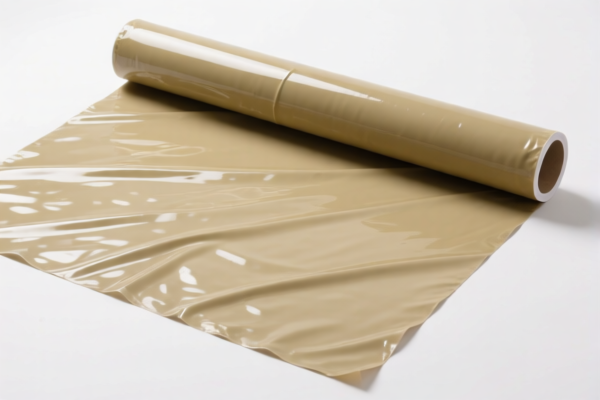
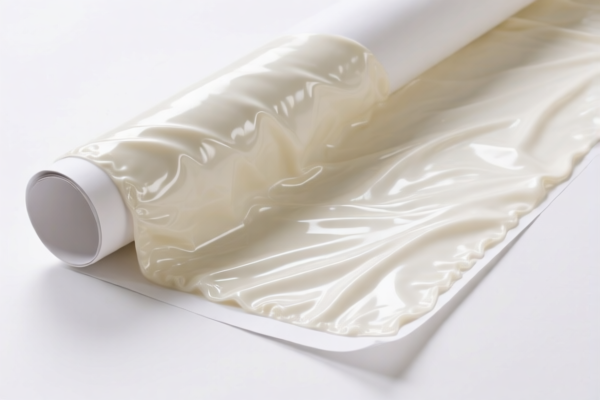
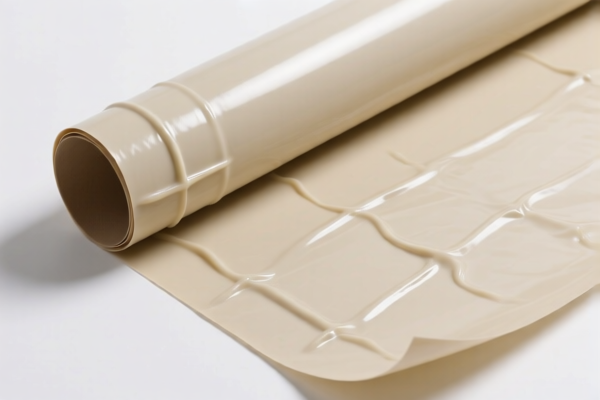
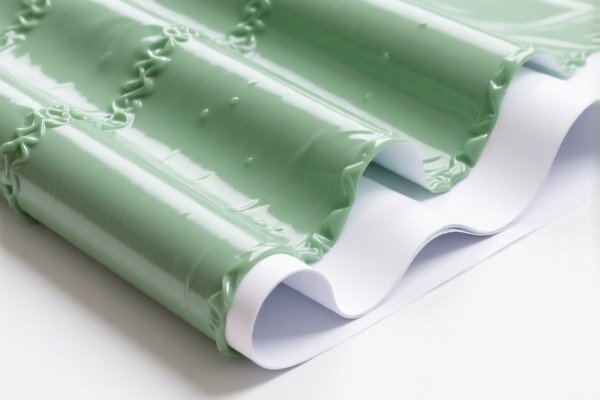
AI Analysis
📄 Impregnated/Finished Paper Sheets (Impermeable/Coated Paper Substrates)
🌐 HS Code Reference & Customs Clearance Guide | 2026 Latest Tariff Structure | Professional Compliance Strategy
📌 I. Product Definition & Classification: Do You Truly Understand "Impregnated Paper"?
Impregnated or finished paper sheets are specialized substrates treated with resins, plastics, rubber, or other coatings to alter their properties (e.g., water resistance, electrical insulation, durability). In international trade, classification hinges on material composition (paper vs. textile/fiber composite) and processing method.
1. Pure Paper Substrates (Chapter 48):
- Sheets where the base material is clearly identified as paper/cardboard.
- Processes include coating, impregnation, surface sizing, or finishing.
- Key HS Codes: 4811.59.60.00, 4811.90.90.80.
2. Textile/Fiber Composite Substrates (Chapter 59):
- Sheets where the base material is textile, felt, or non-woven fabric, even if coated with paper-like materials.
- Often used for industrial applications (e.g., sandpaper backing, laminating films).
- Key HS Codes: 5907.00.35.00, 5907.00.80.90.
⚠️ Critical Distinction Point:
- If the core substrate is paper (cellulose-based, <0.07mm thickness usually) → Classify under Chapter 48.
- If the core substrate is textile/non-woven (regardless of coating) → Classify under Chapter 59.
- Misclassification leads to massive tariff discrepancies (8% vs. 0% base duty).
📦 II. HS Code Classification Details (2026 Latest Tariff Authority Mapping)
| HS Code | Product Description | Applicable Scenario | Base Material | Process Type |
|---|---|---|---|---|
5907.00.35.00 |
Impregnated/coated paper-like sheets, matching impregnation工艺及纸张基材 | Industrial linings, decorative laminates | Paper-like/Composite | Impregnation/Coating |
5907.00.80.90 |
Impregnated/faced paper sheets, fallback category for textile/paper composites | General textile-paper hybrids | Textile/Fiber Composite | Coating/Facing |
4811.59.60.00 |
Impregnated/covered paper sheets,符合纸类涂布/浸渍工艺 | Packaging, printing substrates | Pure Paper | Coating/Impregnation |
4811.90.90.80 |
Impregnated/covered paper sheets,明确材质为纸类且符合涂布定义 | High-end packaging, technical paper | Pure Paper | Coating/Impregnation |
4811.59.60.00 |
Impregnated/covered paper sheets,重复确认纸类浸渍工艺匹配 | Redundant check for paper-based impregnation | Pure Paper | Impregnation |
🔍 Key Reminder:
- Chapter 59 items (5907...) often face higher base duties (8%) compared to Chapter 48 items (4811...) which are typically 0% base duty.
- However, both categories attract the same additional US tariffs under current trade policies.
💰 III. 2026 Latest Tariff Rate Breakdown (Including Surtaxes & Policy Add-ons)
✅ Applicable Country: United States (US)
✅ Country of Origin: China (CN)
✅ Effective Date: November 10, 2025 onwards (including subsequent imports)
🎯 1. 5907.00.35.00 — Impregnated/Coated Sheets (Textile/Composite Base)
| Item | Content |
|---|---|
| Base Tariff | 8.0% (ad valorem) |
| Section 301 Surcharge | +25.0% (USITC Footnote 9903.88.01) |
| Section 122 Surtax | +10.0% (Specific China-related provision) |
| Total Tariff Rate | 43.0% |
| Tax Calculation | CIF Value × 43.0% |
| De Minimis Eligibility | ❌ Not Eligible (deny_de_minimis) |
| Legal Authority Path | USITC:5907.00.35.00 → FOOTNOTE:9903.88.01 → Section 122 Policy |
📌 Explanation:
- The 8% base duty applies because it is classified under Chapter 59 (Textiles/Non-wovens).
- The 25% Section 301 surcharge applies to all Chinese-origin goods in this category.
- The 10% Section 122 surcharge is a specific additional duty for certain imported goods.
- Total 43% is significantly higher than paper-only imports.
🎯 2. 5907.00.80.90 — Fallback Category (Textile/Paper Composite)
| Item | Content |
|---|---|
| Base Tariff | 0.0% (ad valorem) |
| Section 301 Surcharge | +25.0% |
| Section 122 Surtax | +10.0% |
| Total Tariff Rate | 35.0% |
| Tax Calculation | CIF Value × 35.0% |
| De Minimis Eligibility | ❌ Not Eligible |
| Legal Authority Path | USITC:5907.00.80.90 → FOOTNOTE:9903.88.01 → Section 122 Policy |
📌 Note:
- Although the base duty is 0%, the 35% total is still very high due to surcharges.
- This code is often used as a "catch-all" when the exact textile composition is unclear.
🎯 3. 4811.59.60.00 & 4811.90.90.80 — Pure Paper-Based Impregnated Sheets
| Item | Content |
|---|---|
| Base Tariff | 0.0% (ad valorem) |
| Section 301 Surcharge | +25.0% |
| Section 122 Surtax | +10.0% |
| Total Tariff Rate | 35.0% |
| Tax Calculation | CIF Value × 35.0% |
| De Minimis Eligibility | ❌ Not Eligible |
| Legal Authority Path | USITC:4811.59.60.00 / 4811.90.90.80 → FOOTNOTE:9903.88.01 → Section 122 Policy |
📌 Crucial Insight:
- If you can prove the base material is pure paper (Chapter 48), you save 8% on the base duty compared to Chapter 59 items.
- However, the total effective rate (35%) remains identical to5907.00.80.90because the base duty for Chapter 48 is 0%.
- Strategic Advantage: Classifying as4811...avoids the higher base duty risk if challenged, but the main saving is compliance clarity and potentially lower audit risks.
🛠️ IV. Customs Clearance Practical Advice (Real-World Pitfall Avoidance)
✅ 1. Documentation Checklist (Mandatory)
| Document | Must Provide | Description |
|---|---|---|
| ✅ Product Specification Sheet | ✔️ | Detailed composition: base material %, coating type, thickness, weight per square meter. |
| ✅ Composition Declaration | ✔️ | Explicitly state if base is "Paper" (Chapter 48) or "Textile/Felt" (Chapter 59). |
| ✅ Coating/Impregnation Details | ✔️ | Specify chemicals used (e.g., resin, plastic, rubber) to justify "Finished" status. |
| ✅ Commercial Invoice | ✔️ | Must match HS Code description exactly. Avoid vague terms like "Paper Products." |
| ✅ Packing List | ✔️ | Clear weight and volume measurements for duty calculation. |
| ✅ Third-Party Test Report | ✔️ | Preferred: SGS or Intertek report confirming base material composition. |
✅ 2. Declaration Strategy (Key Mantra)
🔥 "Base Material First, Coating Second. Paper is 0%, Textile is 8%. Total 35% or 43%."
| Scenario | Correct Declaration | Error to Avoid |
|---|---|---|
| Pure Paper + Resin Coating | 4811.59.60.00 (35% Total) |
Misclassifying as 5907... → 43% Total (+8% extra!) |
| Textile Backing + Paper Layer | 5907.00.80.90 (35% Total) |
Claiming "Paper" to save 8% → Customs audit risk |
| Industrial Sandpaper Backing | 5907.00.35.00 (43% Total) |
Under-declaring base duty |
| Decorative Laminate Core | 4811.59.60.00 (35% Total) |
If core is paper, not textile |
✅ 3. Special Case Handling
| Situation | Handling Advice |
|---|---|
| Hybrid Material (Paper + Fiber) | If fiber content >10%, Customs may classify under Chapter 59. Provide lab tests. |
| Multi-layer Lamination | Classify based on essential character. If paper is dominant, use 4811.... |
| OEM Custom Sheets | Provide client specifications + material safety data sheets (MSDS) for coatings. |
| Small Samples | NOT eligible for de minimis. All shipments, regardless of value, are subject to full tariffs. |
🌍 V. Global Market Clearance Comparison (2026 Latest)
| Country/Region | Recommended HS Code | Base Tariff | Surcharges | Total Effective Rate (CN Origin) | Remarks |
|---|---|---|---|---|---|
| 🇺🇸 USA | 4811.59.60.00 |
0% | 25% (301) + 10% (122) | 35% | Paper-based preferred for lower base risk |
| 🇺🇸 USA | 5907.00.35.00 |
8% | 25% (301) + 10% (122) | 43% | Textile-based incurs higher base duty |
| 🇨🇳 China | 4811.59.60.00 |
5-10% | None | 5-10% | Domestic import friendly |
| 🇪🇺 EU | 4811.59.60.00 |
4.5% | None | 4.5% | No Section 301 equivalents |
| 🇦🇺 Australia | 4811.59.60.00 |
5% | None | 5% | Preferential rates for some FTAs |
📌 Conclusion:
- USA is the critical market with complex surcharges.
- Classifying as Chapter 48 (Paper) is safer if the material is predominantly paper, avoiding the 8% base duty trap of Chapter 59.
- Always provide composition proof to defend against Chapter 59 misclassification.
📌 VI. Common Errors & Pitfall Guide (Lessons Learned)
❌ Error 1: Declaring "Textile Composite" when base is Paper
👉 Consequence: Pay 43% instead of 35% → 8% unnecessary cost!
❌ Error 2: Declaring "Paper" when base is Non-woven Fabric
👉 Consequence: Customs reclassifies to 5907..., adds 8% base duty + penalties.
❌ Error 3: Omitting "Impregnated" from description
👉 Consequence: Customs views as plain paper → Audit for misdeclaration.
❌ Error 4: Assuming de minimis applies to small batches
👉 Consequence: Full 35-43% tariff applied even for $100 samples.
✅ Correct Practice:
"Impregnated Paper Sheets, 100% Cellulose Base, Resin Coated, 50gsm, for Packaging Use, Model XYZ, No De Minimis Eligible"
🎯 VII. Conclusion: Precision Classification Saves Money!
🎯 Remember the Mantra:
🔹 "Paper Base = 0% Duty (Base), Textile Base = 8% Duty (Base)"
🔹 "Total US Rate: 35% (Paper/Textile Fallback) vs. 43% (Textile Specific)"
🔹 "Proof is King: Lab Reports Defend Your HS Code!"
📌 Pro Tip:
- If you are unsure if your product is "Paper" or "Textile," request a binding ruling from CBP before shipment.
- Ensure your supplier provides a detailed material composition breakdown.
- For US exports, always budget for the 25% Section 301 + 10% Section 122 surcharges.
📣 Immediate Action:
📞 Consult a customs broker with your material safety data sheet (MSDS).
🚀 Accurate classification = Lower costs + Faster clearance.
✨ Professional clearance starts with precise classification!
💼 Your every cent in duty savings is worth the effort!
Customer Reviews
About HS Code Classification
The Harmonized System (HS) is an internationally standardized nomenclature developed by the World Customs Organization (WCO) to classify traded products. Over 200 countries use the HS system as the basis for customs tariffs, trade statistics, and import/export regulations.
Each HS code follows a hierarchical structure:
- Chapter (2 digits) — Broad category of goods (e.g., Chapter 84: Machinery and Mechanical Appliances)
- Heading (4 digits) — More specific grouping within the chapter
- Subheading (6 digits) — Internationally standardized breakdown, used by all WCO member countries
- National subdivisions (8-10 digits) — Country-specific extensions for further classification, such as US HTSUS 10-digit codes
Correct HS code classification is essential for smooth customs clearance, accurate duty payment, and compliance with trade regulations. Misclassification can lead to customs delays, overpayment of duties, or penalties.
When importing from CN to US, the applicable tariff rates may include:
- Most-Favored-Nation (MFN) rate — The standard duty rate applied to WTO members
- General rate — Applied to countries without trade agreements
- Trade remedy duties — Additional tariffs such as Section 301 (anti-dumping), Section 232 (national security), or countervailing duties
The information provided on this page is for reference purposes only. For official classification, please consult with your local customs authority or a licensed customs broker.