Improved Aromatic Insecticide
CN → US| HS Code | Tariff Rate | Origin | Destination | Doc |
|---|---|---|---|---|
| 3809921000 | 41.5% | CN | US | Official Doc |
| 3809931000 | 41.5% | CN | US | Official Doc |
| 3808591000 | 16.5% | CN | US | Official Doc |
| 3808912501 | 41.5% | CN | US | Official Doc |
Product Images
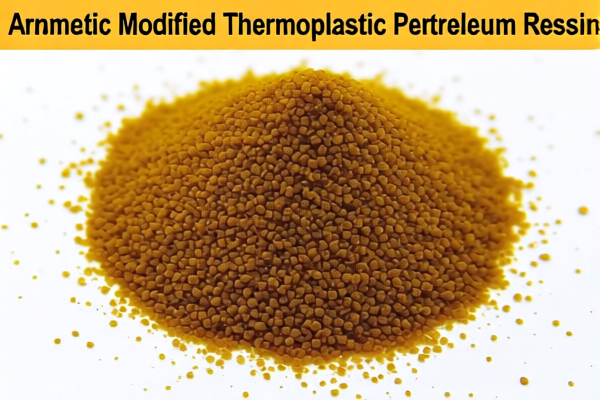
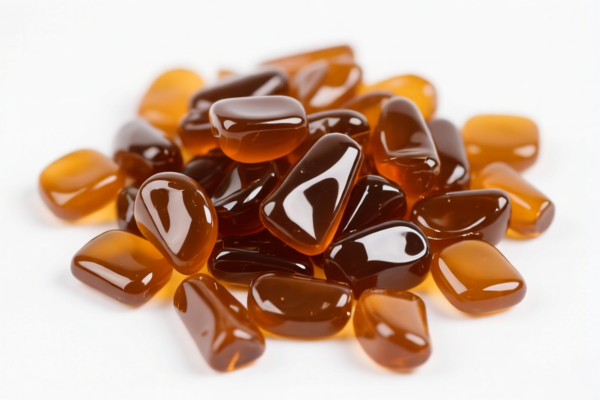
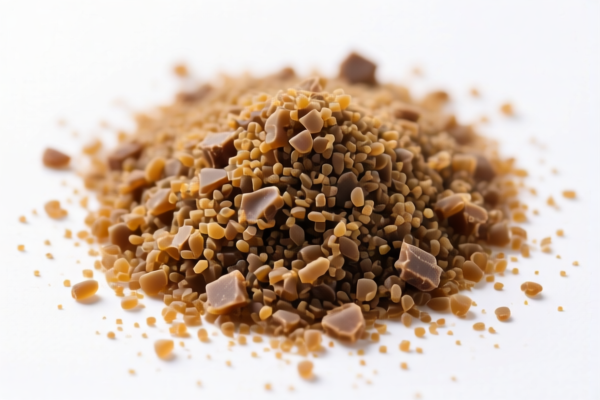
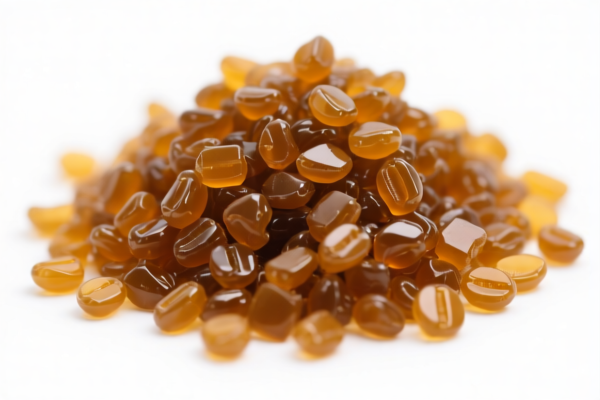
AI Analysis
🛡️ Improved Aromatic Insecticide Mixtures: HS Code Classification & US Customs Clearance Guide | 2026 Update
🌐 HS Code Reference & Customs Strategy | Precise Tariff Analysis & Compliance Guide
📌 I. Product Definition & Core Classification: What is "Improved Aromatic Insecticide"?
"Improved Aromatic Insecticide" refers to specialized pesticide mixtures that utilize aromatic compounds or modified aromatic substances as their primary active ingredients or carriers. In international trade, these products are not classified as simple consumer goods but are strictly regulated chemical preparations.
The classification hinges on two critical factors: 1. Chemical Composition: Does it contain ≥5% aromatic substances? Is it a chemical preparation or a formulated product? 2. Function & Legal Status: Is it classified under the Pesticide Chapter (Chapter 38, Heading 3808) or the Other Chemical Preparations Chapter (Heading 3809)?
⚠️ Critical Distinction:
- If classified as a Pesticide (3808): It enjoys lower base tariffs but is subject to strict regulatory scrutiny.
- If classified as an Other Chemical Preparation (3809): It is often subject to higher "Section 301" punitive tariffs due to its chemical nature.
📦 II. HS Code Classification Matrix (Based on Provided Data)
The following table details the four potential HS Codes derived from the provided dataset, categorized by their technical description and tax implications.
| HS Code | Product Description Summary | Key Classification Logic |
|---|---|---|
| 3809.92.10.00 | Improved aromatic insecticide mixture, containing aromatic substances, classified as Chemical Preparations. | Classified under "Other preparations" because it may not meet the strict definition of a standalone pesticide formulation or contains specific non-pesticide aromatic carriers. |
| 3809.93.10.00 | Improved aromatic insecticide mixture, containing ≥5% aromatic substances, classified as Products & Formulations. | Specifically targets mixtures with a higher concentration of aromatic components, triggering a different sub-heading within the "Other Preparations" category. |
| 3808.59.10.00 | Improved aromatic insecticide mixture, used as a Pesticide, containing aromatic or modified aromatic pesticides. | Classified under Chapter 38 (Pharmaceutical/Pesticide Products). This is the most favorable tariff scenario regarding punitive taxes. |
| 3808.91.25.01 | Improved aromatic insecticide mixture, containing aromatic or modified aromatic insecticides, with material and use perfectly matched. | A highly specific sub-category under Pesticides. Requires exact matching of material composition and intended use to qualify. |
🔍 Classification Insight:
- 3808 Codes (59/91): Treat the product as a functional pesticide. Lower punitive tariffs.
- 3809 Codes (92/93): Treat the product as a general chemical mixture/preparation. Higher punitive tariffs.
💰 III. 2026 US Tariff Rate Breakdown (Detailed Policy Analysis)
✅ Target Market: United States (US)
✅ Origin: Likely China (Implied by the presence of "Section 122" and high combined rates)
✅ Effective Date: Current 2024-2025 Policy Framework
🎯 Scenario A: The "Pesticide" Classification (Lower Tax Burden)
Applicable HS Codes: 3808.59.10.00 & 3808.91.25.01
| Tax Component | Rate | Source/Legal Basis |
|---|---|---|
| MFN Base Tariff | 6.5% | General Most-Favored-Nation rate for Chapter 38. |
| Section 301 Tariff | 0.0% | Crucial Advantage! Pesticides often have specific exclusions or lower rates under Section 301 compared to general chemicals. |
| Section 122 Tariff | 10.0% | Specific additional duty applied to this category. |
| TOTAL RATE | 16.5% | Significantly Lower than Scenario B. |
📌 Analysis:
- By classifying under 3808, you avoid the hefty 25% Section 301 tariff.
- This classification requires proving the product is primarily a pesticide with aromatic components.
- Warning: Misclassifying a pesticide as a general chemical here can lead to severe audits.
🎯 Scenario B: The "Chemical Preparation" Classification (Higher Tax Burden)
Applicable HS Codes: 3809.92.10.00 & 3809.93.10.00
| Tax Component | Rate | Source/Legal Basis |
|---|---|---|
| MFN Base Tariff | 6.5% | General rate for other chemical preparations. |
| Section 301 Tariff | 25.0% | Full punitive tariff applied to general chemical preparations from China. |
| Section 122 Tariff | 10.0% | Additional specific duty. |
| TOTAL RATE | 41.5% | High Cost Impact. |
📌 Analysis:
- 3809.93.10.00 (≥5% aromatic substances) is particularly vulnerable to the 25% rate if deemed a non-excluded chemical good.
- The difference between 16.5% and 41.5% is a massive 25% cost increase per unit value.
- This classification is used if the product is seen as a "mixture" rather than a registered pesticide formulation.
🛠️ IV. Customs Clearance Practical Advice (Strategic Compliance)
✅ 1. Documentation Strategy (Must-Haves)
To secure the favorable 16.5% rate (Scenario A), you must provide robust evidence that your product is a Pesticide, not just a chemical mixture.
| Document | Requirement | Purpose |
|---|---|---|
| EPA Registration | ✔️ Essential | Proof that the product is registered as a pesticide in the US (EPA number required). |
| Technical Data Sheet (TDS) | ✔️ Essential | Must explicitly state the active ingredients are aromatic pesticides. |
| Formula Breakdown | ✔️ Essential | Detailed percentage of aromatic substances vs. inert carriers. |
| Safety Data Sheet (SDS) | ✔️ Required | Must align with pesticide hazard classifications. |
| Commercial Invoice | ✔️ Required | Description must match HS Code logic (e.g., "Pesticide Formulation" vs. "Chemical Mixture"). |
✅ 2. Classification Strategy & Risk Mitigation
| Strategy | Action | Risk |
|---|---|---|
| Priority Classification | Aim for 3808.59.10.00 or 3808.91.25.01 | Lower taxes (16.5%). Requires strong EPA proof. |
| Fallback Classification | Use 3809.93.10.00 if EPA status is unclear | Higher taxes (41.5%). Safer if product is ambiguous, but costly. |
| Avoid "Generic" Descriptions | Never use "Insect Repellent" or "Bug Spray" | These terms trigger random audits. Use "Pesticide Mixture, Aromatic". |
| Check Exclusions | Verify if your specific chemical formula is on the Section 301 Exclusion List | If excluded, 301 tariff (25%) may drop to 0%, making 3809 codes cheaper (16.5% total). |
✅ 3. Common Pitfalls to Avoid
❌ Pitfall 1: Calling it "Repellent" instead of "Pesticide"
👉 Consequence: If it kills insects, it's a pesticide. Mislabeling leads to rejection by USDA/EPA.
❌ Pitfall 2: Ignoring the "Aromatic" Content Threshold
👉 Consequence: If >5% aromatic substances, it falls under 3809.93. Ensure the formula is documented to prevent reclassification.
❌ Pitfall 3: Assuming All Chemicals Are Taxed Equally
👉 Consequence: The 25% difference between 3808 and 3809 is due to trade policy, not product function. Always argue for the Pesticide (3808) category if legally defensible.
🌍 V. Global Market Note (2026 Context)
| Market | Recommended HS Code | Estimated Tariff | Key Regulation |
|---|---|---|---|
| 🇺🇸 USA | 3808.59.10.00 (Preferred) |
16.5% | EPA Registration is mandatory. |
| 🇨🇳 China (Import) | Varies | ~6.5% + VAT | Depends on active ingredient list. |
| 🇪🇺 EU | 3808 or 3809 | 6.5% | Requires EU Biocidal Products Regulation (BPR) compliance. |
📌 Conclusion:
For US exports, classification is everything.
- If your product has an EPA registration, fight for HS 3808 to save 25% in tariffs.
- If it is a generic mixture without pesticide status, expect HS 3809 and a 41.5% tariff burden.
🎯 VI. Final Recommendation
🎯 Action Plan:
1. Confirm EPA Status: Is the product registered as a pesticide in the US?
- YES → Declare as 3808.59.10.00 or 3808.91.25.01. Tax: 16.5%.
- NO → Declare as 3809.93.10.00. Tax: 41.5%.
2. Documentation: Ensure the Technical Data Sheet explicitly lists "Aromatic Insecticide" as the function.
3. Pre-Clearance: If value is high, apply for a US Customs Ruling to lock in the HS Code.
💡 Pro Tip:
"Don't let 'Aromatic' imply 'High Tax'. Prove it's a 'Pesticide' to unlock the lower 3808 rate!"
✨ Professional customs clearance starts with precise classification!
💼 Save 25% on tariffs by getting your HS Code right!
Customer Reviews
About HS Code Classification
The Harmonized System (HS) is an internationally standardized nomenclature developed by the World Customs Organization (WCO) to classify traded products. Over 200 countries use the HS system as the basis for customs tariffs, trade statistics, and import/export regulations.
Each HS code follows a hierarchical structure:
- Chapter (2 digits) — Broad category of goods (e.g., Chapter 84: Machinery and Mechanical Appliances)
- Heading (4 digits) — More specific grouping within the chapter
- Subheading (6 digits) — Internationally standardized breakdown, used by all WCO member countries
- National subdivisions (8-10 digits) — Country-specific extensions for further classification, such as US HTSUS 10-digit codes
Correct HS code classification is essential for smooth customs clearance, accurate duty payment, and compliance with trade regulations. Misclassification can lead to customs delays, overpayment of duties, or penalties.
When importing from CN to US, the applicable tariff rates may include:
- Most-Favored-Nation (MFN) rate — The standard duty rate applied to WTO members
- General rate — Applied to countries without trade agreements
- Trade remedy duties — Additional tariffs such as Section 301 (anti-dumping), Section 232 (national security), or countervailing duties
The information provided on this page is for reference purposes only. For official classification, please consult with your local customs authority or a licensed customs broker.