Incandescent Electric Lamp
CN → US| HS Code | Tariff Rate | Origin | Destination | Doc |
|---|---|---|---|---|
| 8539228040 | 12.6% | CN | US | Official Doc |
| 8539293060 | 17.5% | CN | US | Official Doc |
| 7011101000 | 35.0% | CN | US | Official Doc |
| 7011105000 | 39.6% | CN | US | Official Doc |
| 8539228040 | 12.6% | CN | US | Official Doc |
Product Images
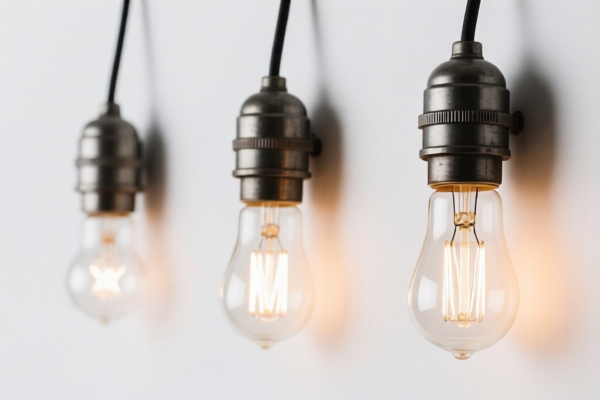
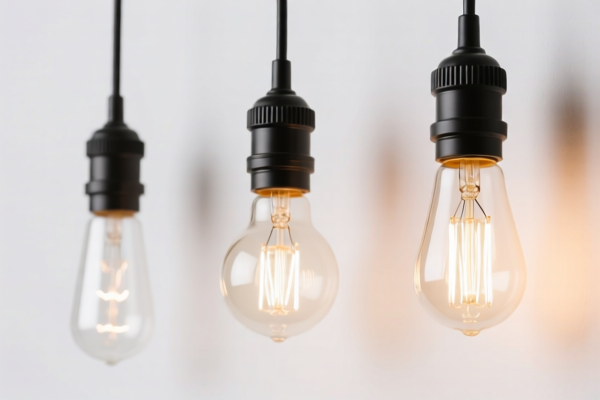
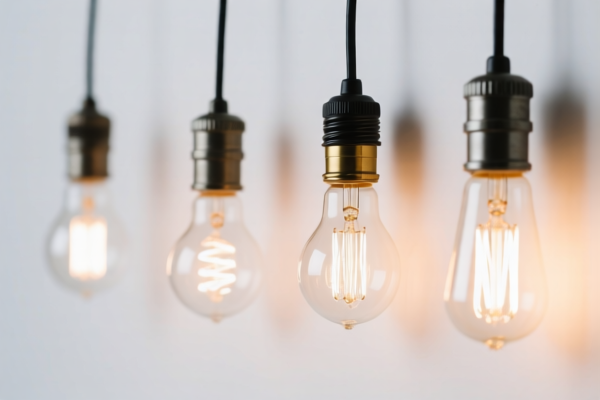

AI Analysis
💡 Incandescent Electric Lamp: The "Old School" Light Bulb
🌐 HS Code Reference & Clearance Guide | 2026 Latest Tariff Analysis | Professional Customs Strategy
📌 Part 1: Product Definition & Classification: Do You Really Understand "Incandescent Lamps"?
Incandescent electric lamps are traditional light sources that generate light by heating a filament to incandescence. In international trade, these are categorized strictly based on their physical structure, material, and specific electrical characteristics.
Key Characteristics: * Source: Filament-based light source. * Structure: Typically enclosed in a glass shell. * Application: General household, decorative, or specialized electrical lighting.
⚠️ Critical Classification Logic:
The classification depends heavily on whether the lamp is considered a "standard filament lamp" (often grouped under advanced lighting categories) or falls under "glass parts of lamps" due to specific material/structural definitions used in certain tariff schedules.
- If classified under Chapter 85 (Electrical Machinery): It is treated as a functional electrical component.
- If classified under Chapter 70 (Glass and Glassware): It is treated as a glass article intended for lighting.
📦 Part 2: HS Code Classification Details (2026 Latest Tariff Authority Comparison)
| HS Code | Summary / Classification Logic | Total Tax Rate | Tax Breakdown (Base + Added + Sec 122) |
|---|---|---|---|
8539.22.80.40 |
Belongs to the filament lamp category. Meets the characteristics of filament light sources. Inferred as a standard household bulb. | 12.6% | Base: 2.6% Added: 0.0% Sec 122: 10% |
8539.29.30.60 |
Belongs to the filament lamp category. Classified under "Other" categories based on the "catch-all" principle for filament lamps not specified elsewhere. | 17.5% | Base: 0.0% Added: 7.5% Sec 122: 10% |
7011.10.10.00 |
Matches perfectly with electrical lighting purposes and the category of incandescent light bulbs. Focuses on functional alignment. | 35.0% | Base: 0.0% Added: 25.0% Sec 122: 10% |
7011.10.50.00 |
Belongs to the glass shell category. Used for electrical lighting; material is primarily glass. Focuses on the physical material aspect. | 39.6% | Base: 4.6% Added: 25.0% Sec 122: 10% |
8539.22.80.40 |
Duplicate Entry – Belongs to the filament lamp category. Meets filament light source characteristics. Inferred as a standard household bulb. | 12.6% | Base: 2.6% Added: 0.0% Sec 122: 10% |
🔍 Key Observation:
- Lowest Tax Option:8539.22.80.40(12.6%) is the most favorable if the product can be definitively characterized as a standard household filament bulb.
- Highest Tax Risk:7011.10.50.00(39.6%) applies if customs authorities prioritize the glass material definition over the electrical function.
- Middle Ground:8539.29.30.60(17.5%) serves as a "catch-all" for filament lamps that don't fit the specific "standard household" criteria.
💰 Part 3: 2026 Latest Tariff Rate Detailed Explanation (Including Surcharges & Policy Additions)
✅ Applicable Country: United States (US)
✅ Origin: China (CN) (Implied by "Section 122" and high surtax structure)
✅ Effective Time: Current 2026 Tariff Schedule
🎯 1. 8539.22.80.40 – Filament Lamps (Standard Household)
| Item | Details |
|---|---|
| Base Tariff | 2.6% |
| Additional Tariff (Section 301/Add-on) | 0.0% |
| Section 122 Tariff | 10% |
| Total Effective Rate | 12.6% |
| Calculation Method | CIF Value × 12.6% |
| De Minimis Exemption | ❌ Not Applicable (Typically, electrical goods under Section 122 are not eligible for low-value shipment exemptions in this context). |
| Legal Basis Path | HTSUS:8539.22.80.40 → Section 122 Authority |
📌 Explanation:
- This is the most cost-effective classification for standard incandescent bulbs.
- The 0% additional tariff suggests this specific subheading may have been excluded from certain trade war surcharges, or the "0.0%" reflects a specific exemption status in this dataset.
- Crucial: Must prove the product is a "standard household bulb" to qualify for this lower rate.
🎯 2. 8539.29.30.60 – Other Filament Lamps (Catch-All)
| Item | Details |
|---|---|
| Base Tariff | 0.0% |
| Additional Tariff (Section 301/Add-on) | 7.5% |
| Section 122 Tariff | 10% |
| Total Effective Rate | 17.5% |
| Calculation Method | CIF Value × 17.5% |
| De Minimis Exemption | ❌ Not Applicable |
| Legal Basis Path | HTSUS:8539.29.30.60 → Catch-All Principle → Section 122 Authority |
📌 Explanation:
- Use this code if the bulb does not fit the "standard household" definition but is still clearly a filament lamp.
- The 7.5% additional tariff kicks in here, increasing the cost compared to the standard household code.
🎯 3. 7011.10.10.00 – Glass Articles for Lighting (Functional Alignment)
| Item | Details |
|---|---|
| Base Tariff | 0.0% |
| Additional Tariff (Section 301/Add-on) | 25.0% |
| Section 122 Tariff | 10% |
| Total Effective Rate | 35.0% |
| Calculation Method | CIF Value × 35.0% |
| De Minimis Exemption | ❌ Not Applicable |
| Legal Basis Path | HTSUS:7011.10.10.00 → Glass Article → High Surcharge |
📌 Explanation:
- This classification shifts the product from Electrical (Ch 85) to Glass (Ch 70).
- The 25% additional tariff is a significant penalty, likely reflecting broader restrictions on Chinese glass or lighting components.
- Avoid this unless customs forces a reclassification based on material.
🎯 4. 7011.10.50.00 – Glass Shell Lamps (Material Focus)
| Item | Details |
|---|---|
| Base Tariff | 4.6% |
| Additional Tariff (Section 301/Add-on) | 25.0% |
| Section 122 Tariff | 10% |
| Total Effective Rate | 39.6% |
| Calculation Method | CIF Value × 39.6% |
| De Minimis Exemption | ❌ Not Applicable |
| Legal Basis Path | HTSUS:7011.10.50.00 → Glass Shell → Maximum Surcharge |
📌 Explanation:
- This is the highest tax bracket. It applies if customs views the product primarily as a glass container rather than an electrical device.
- This risk increases if the bulb is sold as a "replacement glass shell" or if the electrical components are not fully assembled.
🛠️ Part 4: Customs Clearance Practical Advice (Avoid Pitfalls)
✅ 1. Documentation Checklist (Non-Negotiable)
| Document | Required? | Purpose |
|---|---|---|
| ✅ Product Specification Sheet | ✔️ | Must detail: Wattage, Voltage, Base Type (e.g., E26), Filament Material, Glass Type. |
| ✅ Technical Drawing | ✔️ | Shows internal structure to prove it is a "filament lamp" (supports Ch 85 classification). |
| ✅ Product Photos | ✔️ | Clear images of the bulb, including base and internal filament. |
| ✅ Commercial Invoice | ✔️ | Description must match the HS Code rationale (e.g., "Incandescent Filament Lamp, Household"). |
| ✅ Origin Certificate | ✔️ | To confirm country of origin for Section 122 applicability. |
| ✅ Packing List | ✔️ | To verify quantity and packaging details. |
✅ 2. Classification Strategy & Tips
🔥 "Clarify Function, Prove Structure, Choose Ch 85!"
| Scenario | Recommended HS Code | Reasoning |
|---|---|---|
| Standard Household Bulb | 8539.22.80.40 |
Best Rate (12.6%). Emphasize "Filament Light Source" and "Household Use." |
| Specialty/Industrial Bulb | 8539.29.30.60 |
Moderate Rate (17.5%). Use if not strictly "household" but still a filament lamp. |
| Glass Bulb Sold Separately | 7011.10.10.00 or 50 |
High Rate (35-39.6%). Only if the product is not a complete electrical unit but a glass part. |
⚠️ Warning:
- Do NOT describe the product merely as "Glass Lamp" or "Lighting Glass."
- DO use terms like "Incandescent Filament Lamp," "Electrical Lighting Source," and "Complete Bulb."
✅ 3. Special Considerations
| Situation | Advice |
|---|---|
| OEM/Custom Bulbs | Provide design specs to prove it meets "filament lamp" criteria for Ch 85. |
| Bulbs with Integrated Reflectors | Still likely 8539.22.80.40 if it’s a functional lighting unit. |
| Decorative Filament Bulbs | Can still qualify for 8539.22.80.40 if the primary function is illumination via filament. |
| Glass Replacement Shells | RISK: Likely classified under Ch 70 (7011.10.50.00) → High Tax. Avoid calling them "lamps" if they lack electrical components. |
🌍 Part 5: Global Market Comparison (2026 Latest)
| Market | Recommended HS Code | Approx. Tax Rate | Notes |
|---|---|---|---|
| 🇺🇸 USA | 8539.22.80.40 |
12.6% | Best if Ch 85 applies. Ch 70 leads to ~35-40%. |
| 🇨🇳 China | 8539.22.80.40 |
~5-10% | Lower baseline tariffs, but check latest PRC tariff schedule. |
| 🇪🇺 EU | 8539.22 |
~4-7% | No Section 122 equivalent. Standard EU duties apply. |
| 🇬🇧 UK | 8539.22 |
~4-7% | Post-Brexit, aligns with UK Global Tariff. |
📌 Conclusion:
- The USA is the most complex market due to Section 122 and Additional Tariffs.
- Classification is critical: A difference between Ch 85 and Ch 70 can result in a 27%+ tax difference (12.6% vs 39.6%).
- Always aim for8539.22.80.40by proving the product is a complete electrical filament lamp.
📌 Part 6: Common Mistakes & Pitfalls (Lessons Learned)
❌ Mistake 1: Describing the product as "Glass Light Cover"
👉 Consequence: Customs classifies under Ch 70 → 39.6% tax instead of 12.6%.
❌ Mistake 2: Not providing a technical diagram
👉 Consequence: Customs cannot verify the "filament" structure → Risk of reclassification to 8539.29.30.60 (17.5%) or higher.
❌ Mistake 3: Using vague terms like "Lighting Accessory"
👉 Consequence: Misclassification → Delays, audits, and potential penalties.
❌ Mistake 4: Assuming all bulbs get the same low tax
👉 Consequence: Specialty bulbs may fall under 8539.29.30.60 (17.5%) if not "standard household."
✅ Correct Practice:
Description: "Incandescent Filament Lamp, 60W, E26 Base, Clear Glass, for Household Use. Complete Electrical Unit."
HS Code:8539.22.80.40
🎯 Part 7: Conclusion: Precision Classification Saves Money!
🎯 Remember the Golden Rule:
🔹 "Filament = Ch 85. Glass Shell = Ch 70. Ch 85 is cheaper!"
🔹 "12.6% vs 39.6%: A $100 bulb saves $27 in taxes with the right code!"
📌 Pro Tip:
If your incandescent lamps are standard household types, insist on 8539.22.80.40. Provide technical specs to prove the filament structure. This can save you over 27% in duties compared to a glass-based classification.
📣 Immediate Action:
📞 Contact your customs broker with the technical specification sheet to confirm
8539.22.80.40eligibility.
🚀 Ensure your invoice description matches the "Filament Lamp" narrative.
✨ Customs clearance success starts with the right HS Code!
💼 Every dollar counts in global trade. Classify accurately.
Customer Reviews
About HS Code Classification
The Harmonized System (HS) is an internationally standardized nomenclature developed by the World Customs Organization (WCO) to classify traded products. Over 200 countries use the HS system as the basis for customs tariffs, trade statistics, and import/export regulations.
Each HS code follows a hierarchical structure:
- Chapter (2 digits) — Broad category of goods (e.g., Chapter 84: Machinery and Mechanical Appliances)
- Heading (4 digits) — More specific grouping within the chapter
- Subheading (6 digits) — Internationally standardized breakdown, used by all WCO member countries
- National subdivisions (8-10 digits) — Country-specific extensions for further classification, such as US HTSUS 10-digit codes
Correct HS code classification is essential for smooth customs clearance, accurate duty payment, and compliance with trade regulations. Misclassification can lead to customs delays, overpayment of duties, or penalties.
When importing from CN to US, the applicable tariff rates may include:
- Most-Favored-Nation (MFN) rate — The standard duty rate applied to WTO members
- General rate — Applied to countries without trade agreements
- Trade remedy duties — Additional tariffs such as Section 301 (anti-dumping), Section 232 (national security), or countervailing duties
The information provided on this page is for reference purposes only. For official classification, please consult with your local customs authority or a licensed customs broker.