Indoor Color Film Roll
CN → US| HS Code | Tariff Rate | Origin | Destination | Doc |
|---|---|---|---|---|
| 3919102055 | 40.8% | CN | US | Official Doc |
| 3919905060 | 40.8% | CN | US | Official Doc |
| 3920992000 | 39.2% | CN | US | Official Doc |
| 3920620090 | 39.2% | CN | US | Official Doc |
| 3920620090 | 39.2% | CN | US | Official Doc |
Product Images

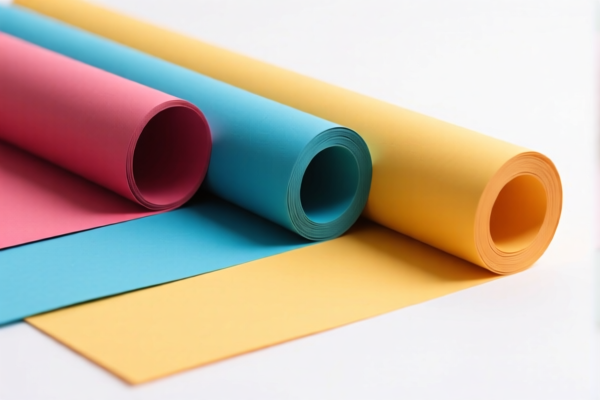
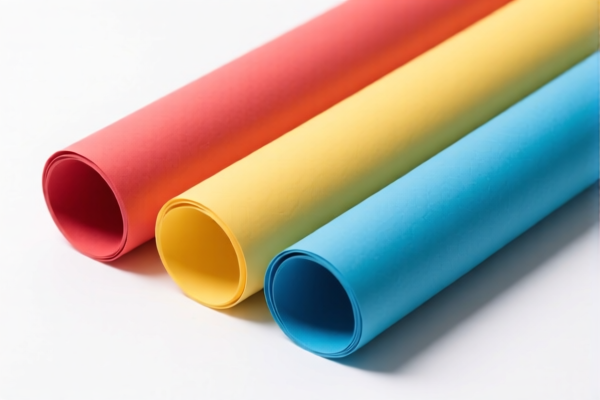
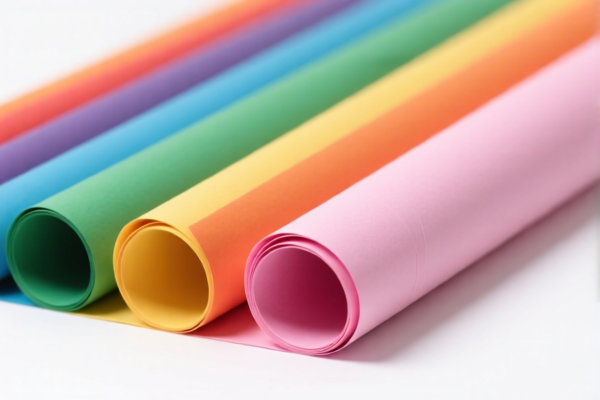
AI Analysis
🎨 Indoor Color Film Roll (Plastic/PET/PVC)
🌐 HS Code Reference & Customs Clearance Guide | 2026 Latest Tariff Analysis | Professional Compliance Strategy
📌 I. Product Definition & Classification: Do You Truly Understand "Color Film"?
An Indoor Color Film Roll is typically a flexible, self-adhesive or non-adhesive plastic sheeting used for decoration, protection, signage, or industrial lining. In international trade, its classification depends heavily on its material composition (PET, PVC, or other plastics), form (rolls/films), and surface treatment (colored, laminated, or untreated).
⚠️ Key Classification Criteria:
- Adhesive vs. Non-Adhesive: Is it self-adhesive (sticky backing) or just a plain film?
- Material Specificity: Is it PVC or PET (polyethylene terephthalate), or a "other" plastic?
- Processing Level: Is it merely colored, or does it have complex laminations/coatings?
📦 II. HS Code Classification Details (2026 Latest Tariff Authority Match)
Based on the provided data, here are the most relevant HS Codes for "Indoor Color Film Roll," sorted by likelihood and fit.
| HS Code | Product Description | Matching Logic (Based on DATA) | Total Tax Rate (China→US) |
|---|---|---|---|
| 3919.10.20.55 | Self-Adhesive Plates, Sheets, Film, Roll... of Plastics, Colored | Best Fit for Adhesive Films: Matches form (roll/film) + material (plastic) + "Color" as functional description. Uses "Other" category fallback. | 40.8% |
| 3919.90.50.60 | Other Plates, Sheets, Film... of Plastics | Best Fit for Self-Adhesive Non-Color Specific: Matches form (roll/film) + material (plastic). Fits the generic self-adhesive plastic film description. | 40.8% |
| 3920.62.00.90 | Other plates, sheets, film, flexible, of Polyesters (e.g., PET) | Best Fit for PET/PVC Non-Adhesive: Matches form (film roll) + material (PET/PVC plastic) + non-metalized. No material conflict with other categories. | 39.2% |
| 3920.99.20.00 | Other plates, sheets, film, flexible, of plastics | Fallback for Other Plastics: Matches form (flexible film roll) + material (other plastic). Uses "Other" category fallback logic. | 39.2% |
🔍 Priority Analysis:
- If the film is Self-Adhesive (has glue on one side): Choose 3919.xx.xx (Options 1 or 2).
- If the film is Non-Adhesive (plain plastic film, like shrink wrap or decorative liner): Choose 3920.xx.xx (Options 3 or 4).
- Material Check:
- If it is PET (polyester), 3920.62.00.90 is the most precise fit.
- If it is PVC or "Other" plastic, 3920.99.20.00 is the standard fallback.
💰 III. 2026 Latest Tariff Rate Breakdown (Including Surcharges & Policy Add-ons)
✅ Applicable Country: United States (US)
✅ Country of Origin: China (CN)
✅ Effective Date: November 10, 2025 (and subsequent imports)
🎯 1. For Self-Adhesive Films (3919.10.20.55 / 3919.90.50.60)
| Item | Content |
|---|---|
| Base Tariff | 5.8% (Ad Valorem) |
| Section 301 Surcharge | +25.0% (USITC Footnote for Chinese Goods) |
| 122 Clause Tariff | +10.0% (Targeted Chinese Import Surcharge) |
| Total Effective Rate | 40.8% |
| Tax Calculation | CIF Value × 40.8% |
| De Minimis Exemption | ❌ Not Applicable (Deny de minimis for Chinese goods under these clauses) |
| Legal Basis Path | Section 301 → 122 Clause → USITC:3919.xx.xx |
📌 Explanation:
- The 5.8% is the standard MFN (Most Favored Nation) duty for plastic films.
- The 25% is the core Section 301 tariff on Chinese plastics.
- The 10% is an additional surcharge under "122 Clause" (often related to specific Chinese industrial policies).
- Total: 40.8%. This is a high-cost item for US importers.
🎯 2. For Non-Adhesive Plastic Films (3920.62.00.90 / 3920.99.20.00)
| Item | Content |
|---|---|
| Base Tariff | 4.2% (Ad Valorem) |
| Section 301 Surcharge | +25.0% |
| 122 Clause Tariff | +10.0% |
| Total Effective Rate | 39.2% |
| Tax Calculation | CIF Value × 39.2% |
| De Minimis Exemption | ❌ Not Applicable |
| Legal Basis Path | Section 301 → 122 Clause → USITC:3920.xx.xx |
📌 Explanation:
- The 4.2% base rate is slightly lower than adhesive films.
- However, the 35% in surcharges (25% + 10%) remain the same.
- Total: 39.2%. Still a significant cost burden.
🛠️ IV. Customs Clearance Practical Advice (Real-World Pitfall Guide)
✅ 1. Documentation Checklist (Mandatory)
| Document | Required | Description |
|---|---|---|
| ✅ Product Specification Sheet | ✔️ | Must detail: Material (PET/PVC/Other), Thickness, Width, Length, Adhesive Type (if any). |
| ✅ Technical Data Sheet (TDS) | ✔️ | Proves the film is "flexible" and "plastic-based." |
| ✅ Commercial Invoice | ✔️ | Must clearly state: "Indoor Color Plastic Film Roll, [Material], [Dimensions]." Avoid vague terms like "Wrap." |
| ✅ Certificate of Origin (CO) | ✔️ | Critical for proving Chinese origin (to determine surcharge applicability). |
| ✅ Packaging List | ✔️ | Shows roll dimensions and weight. |
| ✅ Photos of Product & Label | ✔️ | Must show the roll, the color, and any warning labels or material codes (e.g., "PET"). |
✅ 2. Declaration Tips (Key Mnemonic)
🔥 "Adhesive goes to 3919, Non-Adhesive to 3920. Material specifies the subheading. Color is just a feature, not a class!"
| Scenario | Correct HS Code | Wrong Practice | Consequence |
|---|---|---|---|
| Self-Adhesive Vinyl (e.g., window tint, sticker roll) | 3919.10.20.55 or 3919.90.50.60 |
Declare as "Plastic Sheet" (3920) |
⚠️ Misclassification Risk:海关 may reclassify, leading to penalties or delayed release. |
| Non-Adhesive PET Film (e.g., protective liner, shrink film) | 3920.62.00.90 |
Declare as "Adhesive Film" (3919) |
⚠️ Overpay Duty: Higher base rate (5.8% vs 4.2%) though total is similar due to surcharges. |
| PVC Film | 3920.99.20.00 |
Declare as "Polyester" (3920.62) |
❌ Material Mismatch: Customs will reject if lab test shows PVC. |
| Metalized Film | Not Listed in DATA | Use 3920.62.00.90 |
⚠️ Ineligible: Metalized films often have different classifications (e.g., 3920.61). Ensure film is non-metalized. |
✅ 3. Special Considerations
| Situation | Handling Advice |
|---|---|
| "Color" as a Feature | Do not try to find a "Color" specific HS Code. Color is a functional description, not a primary classifier. Stick to material/form. |
| Sample Shipments | Even for small samples, the 40.8% / 39.2% rate applies. No de minimis exemption for Chinese goods under 122/301. |
| Multi-Material Rolls | If the film has a metal layer, it may not fit the "Non-metalized" description in 3920.62.00.90. You may need a different code (e.g., 3920.61). |
| Origin Labeling | Ensure the product and packaging clearly state "Made in China" to avoid disputes over surcharge applicability. |
🌍 V. Global Market Comparison (2026 Latest)
| Country/Region | Recommended HS Code | Base Tariff | China Surcharges | Total Effective Rate | Notes |
|---|---|---|---|---|---|
| 🇺🇸 USA | 3919.xx or 3920.xx |
4.2% - 5.8% | +35% (25% + 10%) | 39.2% - 40.8% | Highest Cost. Must prepare for high duty. |
| 🇨🇳 China (Export) | 3919 / 3920 |
N/A | N/A | 0% (Export Duty) | No export tax on these items from China. |
| 🇪🇺 EU | 3920 / 3919 |
6.5% | None | 6.5% | No Section 301/122 equivalents. Much cheaper. |
| 🇨🇦 Canada | 3920 / 3919 |
5.0% | None | 5.0% | CUSMA preferential if from US/Mexico. |
| 🇦🇺 Australia | 3920 / 3919 |
5.0% | None | 5.0% | No major surcharges on plastics. |
📌 Conclusion:
- The US market is exceptionally expensive for Chinese plastic films due to the 35% in surcharges.
- For non-US markets (EU, Canada, Australia), the effective duty is ~5-7%, making them far more competitive.
- Strategy: If targeting the US, consider supply chain diversification (e.g., sourcing from Vietnam/Malaysia if possible) to mitigate the 35% surcharge.
📌 VI. Common Errors & Pitfall Guide (Lessons Learned)
❌ Error 1: Declaring "Color Film" as "Plastic Packaging" without specifying material
👉 Consequence: Customs will request additional info, causing delay.
❌ Error 2: Using HS Code 3920.62.00.90 for PVC film
👉 Consequence: Misclassification. PVC is not Polyester (PET). Should use 3920.99.20.00 or 3920.4x.
❌ Error 3: Assuming "Adhesive" films can use 3920 codes
👉 Consequence: High Risk. Adhesive films belong to Chapter 3919. Using 3920 is a common error that triggers audits.
❌ Error 4: Ignoring the "122 Clause"
👉 Consequence: Underpaying Duty. Many importers only account for 25% (301) and forget the extra 10%, leading to back taxes + penalties.
✅ Correct Declaration Example:
"Indoor Decorative Color Plastic Film Roll, Made of PET, Non-Adhesive, Width: 1m, Length: 50m, HS Code: 3920.62.00.90"
🎯 VII. Conclusion: Precise Classification Saves Money!
🎯 Remember the Mantra:
🔹 "Adhesive = 3919, Non-Adhesive = 3920."
🔹 "Material Matters: PET is 62, PVC is 99 (or 4x)."
🔹 "USA Tax is 40.8%: Don't forget the 122 Clause!"
📌 Pro Tip:
If your "Indoor Color Film Roll" is highly specialized (e.g., optical film, anti-static, or coated with metals), it may not fit the generic "Other" categories. Request a Pre-Ruling (PB2966) from US Customs and Border Protection (CBP) before shipping large volumes to avoid surprise bills.
📣 Immediate Action:
📞 Verify Material: Confirm if it is PET, PVC, or Other.
📞 Check Adhesion: Confirm if it has a glue backing.
📞 Calculate Cost: Add 40.8% (for 3919) or 39.2% (for 3920) to your landed cost model for the US market.
🚀 Clear Customs Smoothly: Accurate HS Codes mean faster clearance and predictable costs!
✨ Professional Customs Clearance Starts with Precise Classification!
💼 Every Percentage Point of Duty Counts in Your Profit Margin!
Customer Reviews
About HS Code Classification
The Harmonized System (HS) is an internationally standardized nomenclature developed by the World Customs Organization (WCO) to classify traded products. Over 200 countries use the HS system as the basis for customs tariffs, trade statistics, and import/export regulations.
Each HS code follows a hierarchical structure:
- Chapter (2 digits) — Broad category of goods (e.g., Chapter 84: Machinery and Mechanical Appliances)
- Heading (4 digits) — More specific grouping within the chapter
- Subheading (6 digits) — Internationally standardized breakdown, used by all WCO member countries
- National subdivisions (8-10 digits) — Country-specific extensions for further classification, such as US HTSUS 10-digit codes
Correct HS code classification is essential for smooth customs clearance, accurate duty payment, and compliance with trade regulations. Misclassification can lead to customs delays, overpayment of duties, or penalties.
When importing from CN to US, the applicable tariff rates may include:
- Most-Favored-Nation (MFN) rate — The standard duty rate applied to WTO members
- General rate — Applied to countries without trade agreements
- Trade remedy duties — Additional tariffs such as Section 301 (anti-dumping), Section 232 (national security), or countervailing duties
The information provided on this page is for reference purposes only. For official classification, please consult with your local customs authority or a licensed customs broker.