Indoor Photography Color Film
CN → US| HS Code | Tariff Rate | Origin | Destination | Doc |
|---|---|---|---|---|
| 3706106090 | 35.0% | CN | US | Official Doc |
| 3706900060 | 35.0% | CN | US | Official Doc |
| 3702520130 | 38.7% | CN | US | Official Doc |
| 3704000000 | 35.0% | CN | US | Official Doc |
| 3702310100 | 38.7% | CN | US | Official Doc |
Product Images
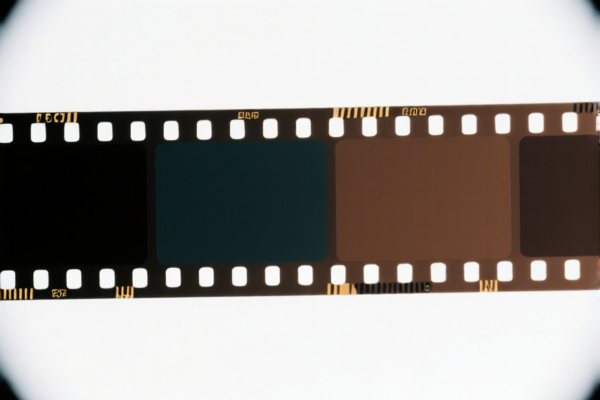
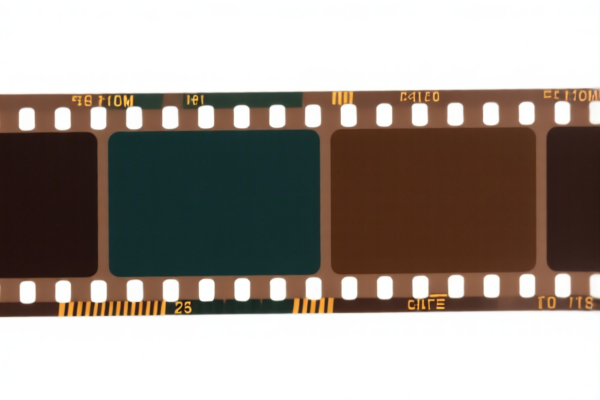
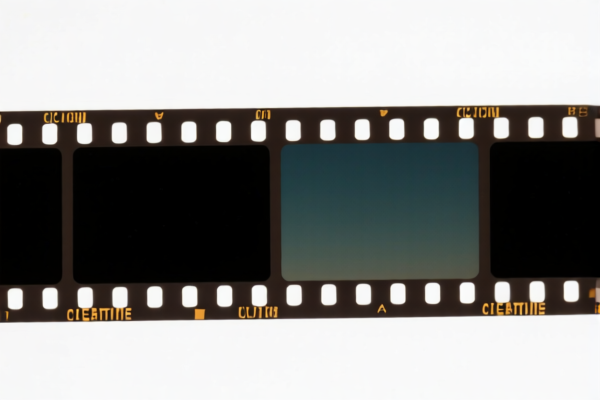

AI Analysis
🎞️ Indoor Photography Color Film (Indoor Color Film)
🌐 HS Code Reference & Customs Clearance Guide | 2026 Latest Tariff Analysis | Professional Customs Strategy
📌 I. Product Definition & Classification: Do You Really Understand "Color Film"?
Indoor Photography Color Film refers to photographic film specifically sensitized for lighting conditions found in indoor environments (such as artificial lighting from incandescent, fluorescent, or LED sources). It is a type of sensitized material used in traditional photography and specialized imaging.
In international trade, these products are classified under Chapter 37: Photographic or Cinematographic Goods. The key distinction lies in the format (sheet/film vs. roll) and the specific chemical composition/sensitivity.
⚠️ Key Distinction Points:
- Sheet Film / Copier Film: Often used for document reproduction, scientific imaging, or large format cameras. Classified under 3706 (Coping film, sheet, unperforated). - Roll Film (Cassettes): Standard photographic film for cameras. Classified under 3702 (Photographic film in rolls). - Unexposed Photographic Plates/Film: Any unexposed film not falling under specific subheadings for printing or cinematography.
📦 II. HS Code Classification Details (2026 Latest Tariff Authority Comparison)
Based on the provided data, the following HS Codes are relevant for "Indoor Photography Color Film," differentiated by form and specific use case.
| HS Code | Product Description (Summary) | Format/Material | Key Attributes |
|---|---|---|---|
3706.10.60.90 |
Indoor Color Copier Film | Sheet (Film) | Sensitized material; specifically for copier/flatbed use. |
3706.90.00.60 |
Indoor Color Copier Film or Motion Picture Color Roll | Roll (Film) | Sensitized material; includes motion picture rolls for indoor use. |
3702.52.01.30 |
Color Roll Film (Reversal Slide Film) | Roll (Film) | Matches color reversal (slide) film use; photosensitive roll material. |
3704.00.00.00 |
Color Film (General) | Sheet (Film) | Fits general film material and form requirements; unexposed photographic paper/film. |
3702.31.01.00 |
Color Roll Film (Standard) | Roll (Film) | Non-paper, non-textile sensitized material; general color roll. |
🔍 Important Note:
- 3706 generally covers copier film or sheet film not perforated.
- 3702 covers roll film in cassettes (standard camera film).
- 3704 is a broader category for photographic plates and film, often used when specific subheadings for roll/sheet don't perfectly match, or for unexposed photographic paper/film combinations.
💰 III. 2026 Latest Tariff Rate Details (Including Surcharges & Policy Add-ons)
✅ Applicable Country: United States (US)
✅ Origin: China (CN) (Implied by "122 Clause" and specific surcharge structure)
✅ Effective Date: 2025 onwards
🎯 1. 3706.10.60.90 & 3706.90.00.60 & 3704.00.00.00
Product: Indoor Color Copier Film / General Color Film (Sheet/Roll for Copier)
| Item | Content |
|---|---|
| Base Tariff | 0.0% (Ad Valorem) |
| USITC Additional Tariff (Section 301) | +25.0% |
| Section 122 Tariff | +10.0% |
| Total Tax Rate | 35.0% |
| Tax Calculation | CIF Value × 35% |
| De Minimis Exemption | ❌ Not Applicable (High tariffs usually block de minimis for this category) |
| Legal Basis | USITC: 3706.10.60.90 → Section 301: +25% → Section 122: +10% |
📌 Explanation:
- The 0% base rate reflects standard Most Favored Nation (MFN) treatment for photograhic materials.
- The 25% USITC surcharge is part of the ongoing Section 301 trade measures against China.
- The 10% Section 122 tariff is a specific levy often applied to certain industrial or dual-use goods, impacting this film category.
- Total Cost Impact: 35% is a significant additional cost. Importers must budget accordingly.
🎯 2. 3702.52.01.30 & 3702.31.01.00
Product: Color Roll Film (Camera Film, Reversal/Standard)
| Item | Content |
|---|---|
| Base Tariff | 3.7% (Ad Valorem) |
| USITC Additional Tariff (Section 301) | +25.0% |
| Section 122 Tariff | +10.0% |
| Total Tax Rate | 38.7% |
| Tax Calculation | CIF Value × 38.7% |
| De Minimis Exemption | ❌ Not Applicable |
| Legal Basis | USITC: 3702.xxxx.xxxx → Section 301: +25% → Section 122: +10% |
📌 Explanation:
- Unlike copier film, standard camera roll film has a 3.7% base tariff.
- The same 25% + 10% surcharges apply, resulting in a higher total rate of 38.7%.
- Difference: The 3.7% base rate adds to the cost, making roll film slightly more expensive than copier film in terms of total duty.
🛠️ IV. Customs Clearance Practical Advice (Pitfall Avoidance Guide)
✅ 1. Preparation Checklist (Mandatory Documents)
| Document | Required | Notes |
|---|---|---|
| ✅ Product Specification Sheet | ✔️ | Must specify: Indoor Use, Color Sensitivity, Format (Sheet/Roll), Size, ISO Speed. |
| ✅ Material Safety Data Sheet (MSDS) | ✔️ | Chemical films may contain hazardous materials; MSDS is often required for air freight and customs. |
| ✅ Unexposed Status Declaration | ✔️ | Must clearly state "UNEXPOSED" to distinguish from processed photographic paper. |
| ✅ Commercial Invoice | ✔️ | HS Code must match exactly. Describe as "Color Photographic Film, Indoor, Unexposed." |
| ✅ Packing List | ✔️ | Detail net weight and gross weight. Note if film is in cassettes (3702) or sheets (3706). |
✅ 2. Declaration Tips (Key Mnemonic)
🔥 "Roll vs. Sheet, Base Rate Differs; 35% for Copier, 38.7% for Roll – Don't Forget the Surcharges!"
| Scenario | Correct Declaration | Error to Avoid |
|---|---|---|
| Film in cassettes for cameras | 3702.52.01.30 or 3702.31.01.00 |
Misdeclare as sheet film → Wrong HS Code → Penalty |
| Flat sheets for copiers/scanners | 3706.10.60.90 |
Misdeclare as roll film → Wrong HS Code → Delay |
| Unexposed photographic plates | 3704.00.00.00 |
Use too specific a code → Rejection |
| Processed film (negative) | Not in scope (Different Chapter 37 or 49) | Import as unexposed film → Smuggling/Fraud Risk |
✅ 3. Special Cases
| Situation | Handling Advice |
|---|---|
| OEM/Private Label Film | Provide authorization letter from brand owner. |
| Mixed Shipments (Rolls + Sheets) | Split Line Items in invoice. Do not combine under one HS Code. |
| Sample Shipments | Even for samples, the 35-38.7% tax applies. Consider using De Minimis only if value is very low and carrier allows, but be aware of high risk of audit. |
| Chemical Content | If film contains sensitive chemicals (e.g., silver halides), ensure compliance with EPA/USDA regulations if applicable. |
🌍 V. Global Market Comparison (2026 Update)
| Country/Region | Recommended HS Code | Tariff Rate (China Origin) | Certifications | Notes |
|---|---|---|---|---|
| 🇺🇸 USA | 3706.10.60.90 / 3702.52.01.30 |
35.0% - 38.7% | None specific, but MSDS needed | High Tariff. No major exemptions. |
| 🇨🇳 China | 3706 / 3702 |
0% - 6% (Import Duty) | CCC (if applicable) | Low base duty, but export restrictions may apply. |
| 🇪🇺 EU | 3706 / 3702 |
0% (GSP/Standard) | CE (if electronic components involved) | Generally free trade for raw film. |
| 🇬🇧 UK | 3706 / 3702 |
0% | UKCA (if applicable) | Post-Brexit, many photographic goods are 0%. |
| 🇯🇵 Japan | 3706 / 3702 |
0% - 3% | PSE (if battery/device included) | Low tariffs, strict labeling laws. |
📌 Conclusion:
- The USA is the most expensive market for Chinese-origin photographic film due to Section 301 + Section 122 surcharges.
- EU, UK, Japan offer significantly lower costs, but require strict compliance with chemical safety and labeling regulations.
- Strategy: If targeting the US market, consider supply chain diversification (e.g., manufacturing in Vietnam or Thailand) to avoid the 35-38.7% tariff, if feasible.
📌 VI. Common Errors & Pitfalls (Lessons Learned)
❌ Error 1: Declaring "Color Film" without specifying "Unexposed".
👉 Consequence: Customs may classify as processed goods or waste → Higher Duty or Rejection.
❌ Error 2: Mixing Sheet Film and Roll Film under one HS Code.
👉 Consequence: Misclassification Penalty. Sheet (3706) and Roll (3702) have different base rates and legal descriptions.
❌ Error 3: Ignoring Section 122 Tariff.
👉 Consequence: Unexpected 10% surcharge at border. Many importers only budget for 301 (25%) and miss this.
❌ Error 4: Using generic terms like "Photographic Supplies" in invoices.
👉 Consequence: Customs request for Additional Information (AI) → Delays in Clearance.
✅ Correct Declaration Example:
"Unexposed Color Photographic Film, Indoor Sensitivity, 35mm Roll, 100 ISO, Brand X, Made in China"
🎯 VII. Conclusion: Professional Declaration, Save Costs!
🎯 Remember the Mnemonic:
🔹 "Sheet is 35, Roll is 38.7; Add 35 to 122, Don't Set Yourself Free!"
🔹 "HS Code Defines Duty, 35% vs 38.7% Matters, One Wrong Digit, Cost Adds Up."
📌 Pro Tip:
If your film is originating from Vietnam, Mexico, or Thailand, you may qualify for IEEPA Exemptions or Section 301 exclusions, reducing the tariff to 0%~3.7%.
Recommendation: Apply for Advance Rulings or Tariff Engineering analysis before shipping to the US.
📣 Immediate Action:
📞 Contact a licensed customs broker + Provide product specs + Verify origin country
🚀 Ensure smooth customs clearance, cost efficiency, and profit maximization!
✨ Professional Customs Clearance Starts with Accurate Classification!
💼 Every percentage point of tariff counts!
Customer Reviews
About HS Code Classification
The Harmonized System (HS) is an internationally standardized nomenclature developed by the World Customs Organization (WCO) to classify traded products. Over 200 countries use the HS system as the basis for customs tariffs, trade statistics, and import/export regulations.
Each HS code follows a hierarchical structure:
- Chapter (2 digits) — Broad category of goods (e.g., Chapter 84: Machinery and Mechanical Appliances)
- Heading (4 digits) — More specific grouping within the chapter
- Subheading (6 digits) — Internationally standardized breakdown, used by all WCO member countries
- National subdivisions (8-10 digits) — Country-specific extensions for further classification, such as US HTSUS 10-digit codes
Correct HS code classification is essential for smooth customs clearance, accurate duty payment, and compliance with trade regulations. Misclassification can lead to customs delays, overpayment of duties, or penalties.
When importing from CN to US, the applicable tariff rates may include:
- Most-Favored-Nation (MFN) rate — The standard duty rate applied to WTO members
- General rate — Applied to countries without trade agreements
- Trade remedy duties — Additional tariffs such as Section 301 (anti-dumping), Section 232 (national security), or countervailing duties
The information provided on this page is for reference purposes only. For official classification, please consult with your local customs authority or a licensed customs broker.