Indoor Stair Handrail
CN → US| HS Code | Tariff Rate | Origin | Destination | Doc |
|---|---|---|---|---|
| 7610900040 | 90.7% | CN | US | Official Doc |
| 8302496055 | 90.7% | CN | US | Official Doc |
| 8302496085 | 90.7% | CN | US | Official Doc |
| 7326908688 | 87.9% | CN | US | Official Doc |
| 7610100010 | 73.2% | CN | US | Official Doc |
Product Images
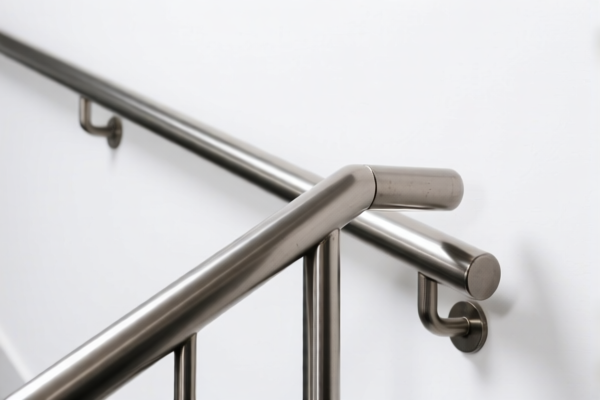
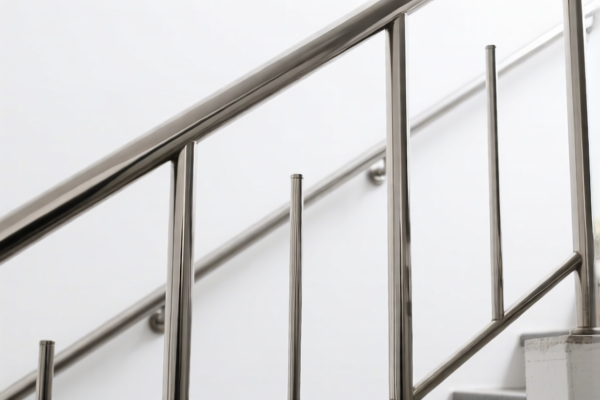
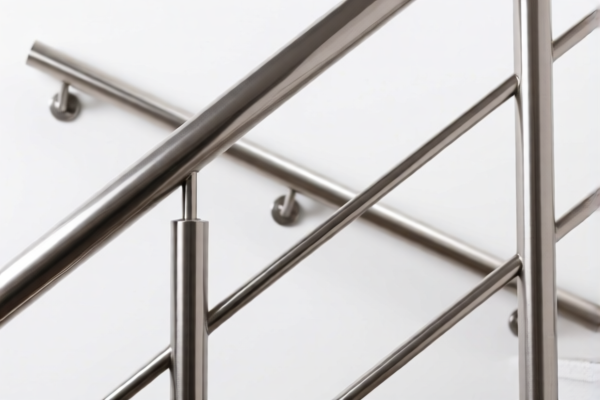
AI Analysis
🪜 Indoor Stair Handrail (Architecture & Decoration Components)
🌐 HS Code Reference & Customs Clearance Guide | 2026 Latest Tariff Analysis | Professional Clearance Strategy
📌 I. Product Definition & Classification: Do You Really Understand "Indoor Stair Handrails"?
Indoor stair handrails are critical architectural components used for safety, support, and decoration in residential, commercial, and industrial buildings. In international trade, they are NOT classified simply as "furniture" or "hardware." Instead, they are categorized based on material composition and structural function.
⚠️ Key Classification Distinction:
- If the handrail is an integral structural part of the stair system (e.g., welded aluminum/alloy framework) → It is classified as "Construction/Decoration Components" (Chapter 76 or 73).
- If it is merely an attachment/fitting (e.g., brackets, connectors, separate railings) → It is classified as "Fittings & Accessories" (Chapter 83).
- ❌ Do NOT classify under Chapter 94 (Furniture) or Chapter 8302 (Base metal mounts) if it constitutes a structural architectural element.
📦 II. HS Code Classification Details (2026 Latest Tariff Authority Cross-Reference)
Based on the provided data, indoor stair handrails are primarily split into two main categories depending on their specific design and material configuration:
| HS Code | Product Description | Material | Application Scenario |
|---|---|---|---|
| 7610.90.00.40 | Architectural & decorative engineering components made of alloys, used for stair handrails | Alloy (Aluminum-based) | Main handrail structures, decorative railings, integral stair parts |
| 7610.10.00.10 | Components of aluminum structures and parts | Alloy (Aluminum-based) | Aluminum alloy structural frames, prefabricated stair modules |
| 8302.49.60.55 | Mounting parts and similar articles for stair-related accessories | Alloy (Various metals) | Brackets, connectors, clamps, fasteners for handrails |
| 8302.49.60.85 | Metal accessories and parts for stair handrails | Alloy (Various metals) | Decorative fins, intermediate supports, non-structural fittings |
| 7326.90.86.88 | Other articles of iron or steel | Alloy (Steel/Iron-based) | Steel-based handrail frames, welded steel components |
🔍 Critical Note:
- Aluminum/Alloy Handrails fall primarily under 7610 (Construction components) if they form the rail itself.
- Metal Fittings/Brackets fall under 8302 (Base metal mounts/fittings).
- Steel Handrail Structures fall under 7326 (Other articles of iron/steel).
💰 III. 2026 Latest Tariff Rate Breakdown (Including Surtaxes & Policy Surcharges)
✅ Applicable Country: United States (US)
✅ Origin: China (CN)
✅ Effective Date: Current regulations (2025–2026)
🎯 1. 7610.90.00.40 — Alloy Architectural Components (Stair Handrails)
Most common classification for decorative aluminum handrails.
| Item | Content |
|---|---|
| Base Tariff | 5.7% (Ad Valorem) |
| Section 301 Surcharge | +25.0% (Trade Remedy Duties) |
| Section 122 Surcharge | +10% (Specific to Steel/Aluminum/Copper articles under certain conditions) |
| Section 232 Surcharge | +50.0% (Steel, Aluminum, and Copper Products Surtax) |
| Total Tax Rate | 90.7% |
| Tax Calculation | CIF Value × 90.7% |
| De Minimis Exemption | ❌ Not Eligible (High tariff threshold excludes small package exemptions) |
| Legal Basis Path | USITC:7610.90.00.40 → Section 301 Footnote → Section 232 (Steel/Aluminum) |
📌 Explanation:
- This is an extremely high tariff bracket.
- The 50% Section 232 tariff applies because the product is identified as an aluminum/steel architectural component.
- The 10% Section 122 tariff applies specifically to steel/aluminum/copper articles.
- Total burden: 90.7% means for every $100 of goods, you pay $90.7 in duties alone.
🎯 2. 7326.90.86.88 — Other Articles of Iron or Steel
For steel-based handrail structures or welded steel frames.
| Item | Content |
|---|---|
| Base Tariff | 2.9% (Ad Valorem) |
| Section 301 Surcharge | +25.0% (Trade Remedy Duties) |
| Section 122 Surcharge | +10% (Specific to Steel/Aluminum/Copper articles) |
| Section 232 Surcharge | +50.0% (Steel, Aluminum, and Copper Products Surtax) |
| Total Tax Rate | 87.9% |
| Tax Calculation | CIF Value × 87.9% |
| De Minimis Exemption | ❌ Not Eligible |
| Legal Basis Path | USITC:7326.90.86.88 → Section 301 Footnote → Section 232 (Steel) |
📌 Explanation:
- Slightly lower than aluminum (87.9% vs 90.7%) due to a lower base rate (2.9% vs 5.7%).
- Still heavily impacted by the 50% Section 232 tariff on steel products.
🎯 3. 7610.10.00.10 — Aluminum Structure Components
For pre-fabricated aluminum structural parts.
| Item | Content |
|---|---|
| Base Tariff | 5.7% (Ad Valorem) |
| Section 301 Surcharge | +7.5% (Reduced Section 301 rate for specific aluminum structural items) |
| Section 122 Surcharge | +10% |
| Section 232 Surcharge | +50.0% |
| Total Tax Rate | 73.2% |
| Tax Calculation | CIF Value × 73.2% |
| De Minimis Exemption | ❌ Not Eligible |
| Legal Basis Path | USITC:7610.10.00.10 → Section 301 (Reduced) → Section 232 |
📌 Explanation:
- Most favorable rate among the listed HS codes (73.2%).
- The Section 301 rate is reduced to 7.5% instead of 25%, but the 50% Section 232 tariff still dominates.
🎯 4. 8302.49.60.55 & 8302.49.60.85 — Stair Handrail Accessories & Fittings
For brackets, clamps, connectors, and non-structural metal parts.
| Item | Content |
|---|---|
| Base Tariff | 5.7% (Ad Valorem) |
| Section 301 Surcharge | +25.0% |
| Section 122 Surcharge | +10% |
| Section 232 Surcharge | +50.0% |
| Total Tax Rate | 90.7% |
| Tax Calculation | CIF Value × 90.7% |
| De Minimis Exemption | ❌ Not Eligible |
| Legal Basis Path | USITC:8302.49.60.55/85 → Section 301 → Section 232 |
📌 Explanation:
- These are classified as "base metal mounts and similar fittings."
- They incur the full 90.7% tariff burden.
- Do not split handrail kits into "rails" (7610) and "brackets" (8302) to reduce taxes; customs may aggregate them as a complete unit.
🛠️ IV. Customs Clearance Practical Advice (Expert Pitfall Avoidance Guide)
✅ 1. Preparation Checklist (Mandatory Documents)
| Document | Required | Description |
|---|---|---|
| ✅ Product Specifications | ✔️ | Detailed description of material (e.g., "Aluminum Alloy 6063-T5"), dimensions, finish (anodized/powder-coated). |
| ✅ Construction Drawings | ✔️ | Show if the item is a structural component (Chapter 76) or a fitting (Chapter 83). |
| ✅ Product Photos | ✔️ | Clear images of the handrail, including joints, ends, and mounting points. |
| ✅ Bill of Lading | ✔️ | Must match the declared HS code and description precisely. |
| ✅ Commercial Invoice | ✔️ | Must state "Indoor Stair Handrail" or "Aluminum Architectural Component," NOT just "Metal Pipe." |
| ✅ Country of Origin Certificate | ✔️ | Crucial for proving Chinese origin to apply Section 301/232 tariffs correctly. |
✅ 2. Declaration Strategy (Key Tips)
🔥 "Be Specific: Material + Function = Accurate HS Code"
| Scenario | Correct Declaration | Incorrect Declaration |
|---|---|---|
| Aluminum Handrail | "Aluminum Alloy Stair Handrail, Architectural Component" → 7610.90.00.40 |
"Metal Pipe" or "Furniture Part" |
| Steel Handrail Frame | "Steel Welded Stair Structure, Indoor" → 7326.90.86.88 |
"Iron Fittings" |
| Handrail Brackets | "Base Metal Mounting Brackets for Handrails" → 8302.49.60.55 |
"Handrail" (if it's just a bracket) |
| Kit (Rail + Brackets) | Declare as Main Product (usually 7610.90.00.40) | Split into separate lines → Risk of audit |
⚠️ Warning:
- If you declare a handrail as "Furniture Fitting" (Chapter 83) when it is structurally an architectural component (Chapter 76), customs may reclassify it and apply the higher 90.7% rate with penalties.
- Section 232 (50%) applies to almost all metal architectural components from China. This is non-negotiable for most steel/aluminum products.
✅ 3. Special Considerations
| Situation | Handling Advice |
|---|---|
| Mixed Kits | If a shipment contains both handrails (7610) and brackets (8302), declare them together under the primary component (7610.90.00.40) to avoid fragmentation penalties. |
| Non-Structural Decor | If the item is purely decorative (e.g., a small metal art piece) and not intended for safety/support, it might qualify for a different chapter, but this is rare for "handrails." |
| Pre-Cutting/Pre-Welding | Items that are pre-assembled are more likely to be classified as "Components" (7610) rather than raw materials. |
🌍 V. Global Market Comparison (2026 Update)
| Country/Region | Recommended HS Code | Estimated Total Tax (China Origin) | Notes |
|---|---|---|---|
| 🇺🇸 USA | 7610.90.00.40 |
90.7% | High Section 232 + 301 tariffs. |
| 🇨🇳 China | 7610.90.00.40 |
0% (Export) | No export duty, but VAT refund applies. |
| 🇪🇺 EU | 7610.90 |
0% - 4.7% | No Section 232/301 equivalents. |
| 🇨🇦 Canada | 7610.90 |
0% (Under CUSMA) | Duty-free if Canadian content rules met. |
📌 Conclusion:
- The US market is the most challenging due to the 50% Section 232 tariff on aluminum/steel products.
- Total landed cost in the US can exceed 100% of the product value.
- Consider supply chain diversification (e.g., sourcing from Vietnam or Mexico) to mitigate US tariffs, but verify Rules of Origin carefully.
📌 VI. Common Errors & Pitfalls (Lessons Learned)
❌ Error 1: Declaring handrails as "Furniture Parts"
👉 Consequence: Misclassification, potential penalty, and higher scrutiny. Handrails are architectural, not furniture.
❌ Error 2: Ignoring Section 232 (50%) for Aluminum/Steel
👉 Consequence: Underpayment of duties by ~50%. Customs will demand back payments + interest.
❌ Error 3: Vague Descriptions like "Metal Handrail"
👉 Consequence: Customs may use the "worst-case" HS code or delay shipment for inspection.
👉 Solution: Always specify "Aluminum Alloy," "Indoor," "Stair Component."
✅ Correct Declaration Example:
"Aluminum Alloy Indoor Stair Handrail, Architectural Decoration Component, Model HR-2026, Anodized Finish"
🎯 VII. Conclusion: Professional Clearance, Cost Control, Efficiency!
🎯 Key Takeaways:
🔹 "Handrails are NOT Furniture. They are Architectural Components (Chapter 76) or Fittings (Chapter 83)."
🔹 "Expect 73.2% - 90.7% Total Tariffs in the US due to Section 232 (50%) + Section 301."
🔹 "Declare Precisely: Material + Function + Application."
📌 Pro Tip:
If your handrails are aluminum-based, try to classify them under 7610.10.00.10 if they are structural components of aluminum buildings, as the Section 301 rate drops to 7.5% (Total 73.2% vs 90.7%). Consult a customs broker to validate this classification based on technical drawings.
📣 Immediate Action:
📞 Engage a US Customs Broker to file a Pre-Ruling or Entry Summary with full technical specs.
📊 Calculate Landed Cost including 73.2%-90.7% tariffs before quoting customers.
🚀 Optimize Supply Chain for US-bound goods to avoid prohibitive tariff barriers.
✨ Professional clearance starts with accurate classification!
💼 Every percent of tariff matters in the age of trade wars.
Customer Reviews
About HS Code Classification
The Harmonized System (HS) is an internationally standardized nomenclature developed by the World Customs Organization (WCO) to classify traded products. Over 200 countries use the HS system as the basis for customs tariffs, trade statistics, and import/export regulations.
Each HS code follows a hierarchical structure:
- Chapter (2 digits) — Broad category of goods (e.g., Chapter 84: Machinery and Mechanical Appliances)
- Heading (4 digits) — More specific grouping within the chapter
- Subheading (6 digits) — Internationally standardized breakdown, used by all WCO member countries
- National subdivisions (8-10 digits) — Country-specific extensions for further classification, such as US HTSUS 10-digit codes
Correct HS code classification is essential for smooth customs clearance, accurate duty payment, and compliance with trade regulations. Misclassification can lead to customs delays, overpayment of duties, or penalties.
When importing from CN to US, the applicable tariff rates may include:
- Most-Favored-Nation (MFN) rate — The standard duty rate applied to WTO members
- General rate — Applied to countries without trade agreements
- Trade remedy duties — Additional tariffs such as Section 301 (anti-dumping), Section 232 (national security), or countervailing duties
The information provided on this page is for reference purposes only. For official classification, please consult with your local customs authority or a licensed customs broker.