Induction Heater
CN → US| HS Code | Tariff Rate | Origin | Destination | Doc |
|---|---|---|---|---|
| 8516908050 | 85.0% | CN | US | Official Doc |
| 8503009520 | 88.0% | CN | US | Official Doc |
| 8503009580 | 38.0% | CN | US | Official Doc |
| 8516808000 | 35.0% | CN | US | Official Doc |
| 8516909000 | 38.9% | CN | US | Official Doc |
Product Images
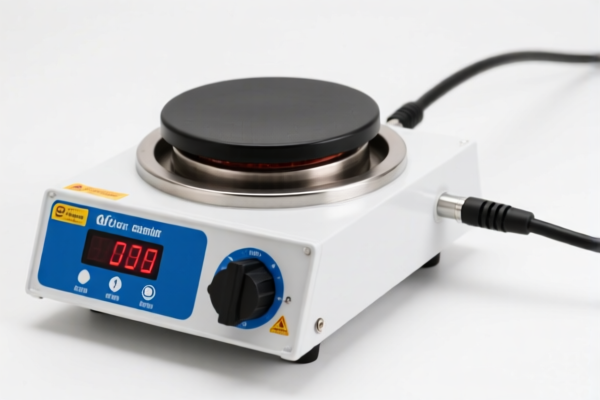
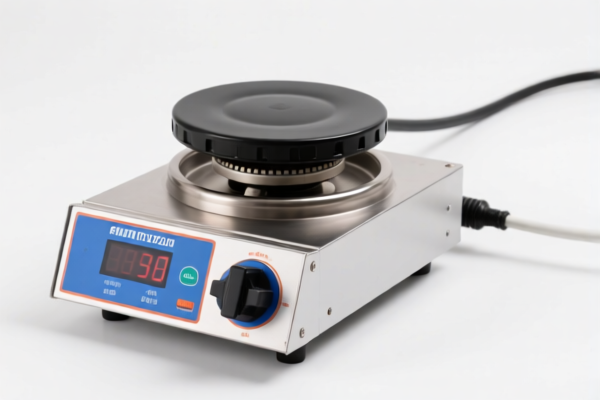
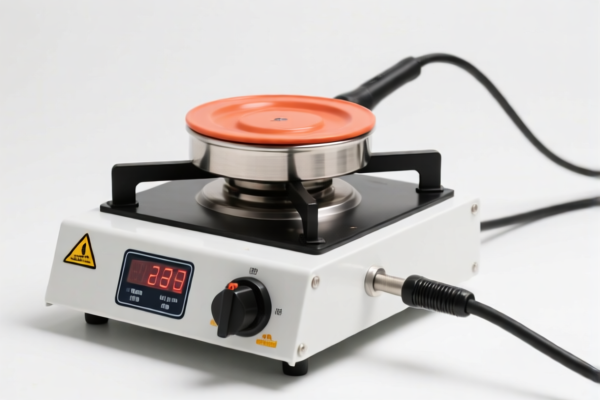
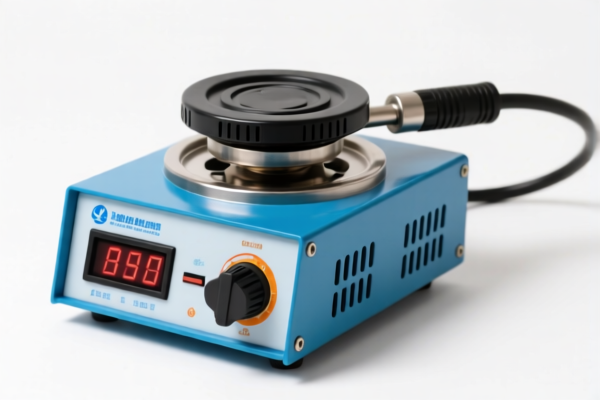
AI Analysis
🔥 Induction Heater Heating Element (电磁炉加热元件)
🌐 HS Code Reference & Customs Clearance Guide | 2026 Latest Tariff Analysis | Professional Clearance Strategy
📌 I. Product Definition & Classification: Do You Truly Understand the "Heating Element"?
The Induction Heater Heating Element (often referred to as the coil assembly or internal heating core) is the core component responsible for converting electrical energy into thermal energy in induction cookers and industrial induction heating devices.
In international trade, its classification depends heavily on whether it is viewed as a standalone electrical heating resistor or a part/attachment of an electrical heating appliance. The distinction determines not only the HS Code but also the massive variance in tariff rates (from 35% to 88%).
⚠️ Key Distinction Point:
- If classified as an electrical heating resistance element (functional equivalent) → Potential for lower base duties (0%), but subject to Section 232/301 surcharges.
- If classified as a part of a machine/appliance (general mechanical part) → Higher base duties (3-3.9%), but specific exclusions may apply to certain surcharges.
- Material Conflict: Items made of Steel, Aluminum, or Copper are subject to the severe Section 232 (122 Provision) additional tariff of 50%.
📦 II. HS Code Classification Details (2026 Latest Tariff Authority Comparison)
Based on the provided data, there are 5 potential classification paths. The choice depends on the specific structural description and customs interpretation of the "heating element."
| HS Code | Product Description & Logic | Total Tax Rate | Key Tax Components |
|---|---|---|---|
| 8516.90.80.50 | Parts of Electrical Heating Appliances. Summary: Belongs to electrical heating appliances' components; fits the logic of electrical heating resistors and their parts. |
85.0% | Base: 0% Section 301: 25% Section 232 (Steel/Alu/Cu): 50% |
| 8503.00.95.20 | Parts of Electric Motors. Summary: Considered a component of heating appliances; fits the logical extension of motor parts and default matching for spare parts. |
88.0% | Base: 3% Section 301: 25% Section 232 (Steel/Alu/Cu): 50% |
| 8503.00.95.80 | Parts of Other Machines. Summary: Classified as machine parts; fits the purpose definition of "other machine parts" with no material conflict. |
38.0% | Base: 3% Section 301: 25% Section 232: Not applied (No material conflict) |
| 8516.80.80.00 | Electrical Heating Resistance Elements. Summary: Belongs to parts of electrical heating appliances; function consistent with electrical heating resistors. |
35.0% | Base: 0% Section 301: 25% Section 232: Not applied |
| 8516.90.90.00 | Other Parts of Electrical Heating Appliances. Summary: Belongs to parts of other electrical heating appliances; fits the purpose description with no material conflict. |
38.9% | Base: 3.9% Section 301: 25% Section 232: Not applied |
🔍 Critical Note:
- Codes 8516.90.80.50, 8503.00.95.20 carry the highest burden due to the 50% Section 232 tariff if the heating element contains steel, aluminum, or copper components.
- Codes 8516.80.80.00 and 8516.90.90.00 offer significantly lower total rates (35% and 38.9% respectively) by avoiding the Section 232 penalty, assuming proper functional justification as "heating resistors" or "appliance parts" without conflicting base materials.
- 8503.00.95.80 is a "safe harbor" option for general machine parts if the motor-specific logic is rejected, totaling 38%.
💰 III. 2026 Latest Tariff Rate Breakdown (Including Surcharges & Policy Add-ons)
✅ Applicable Country: United States (US)
✅ Origin: China (CN)
✅ Effective Time: Post-2025 Adjustments
🎯 1. 8516.80.80.00 —— Electrical Heating Resistance Elements (Optimal Low-Tax Path)
| Item | Content |
|---|---|
| Base Duty | 0% (ad valorem) |
| Section 301 Surcharge | +25% |
| Section 232 Surcharge | None (Assuming no steel/aluminum/copper conflict or correctly classified as resistance element) |
| Total Rate | 35.0% |
| Calculation | CIF Value × 35% |
| De Minimis Exemption | ❌ Not Applicable (Deny de minimis) |
| Legal Basis Path | USITC:8516.80.80.00 → USITC Footnote 9903.88.01 |
📌 Explanation:
- This code is the most cost-effective among the options provided.
- By classifying as an "Electrical Heating Resistance Element" rather than a "Part of a Motor" or "Steel Part," it avoids the punitive 50% Section 232 tariff.
- Strategy: Ensure technical documentation emphasizes the resistive heating function rather than structural metallic components.
🎯 2. 8516.90.90.00 —— Other Parts of Electrical Heating Appliances
| Item | Content |
|---|---|
| Base Duty | 3.9% |
| Section 301 Surcharge | +25% |
| Section 232 Surcharge | None (No material conflict cited in summary) |
| Total Rate | 38.9% |
| Calculation | CIF Value × 38.9% |
| De Minimis Exemption | ❌ Not Applicable |
| Legal Basis Path | USITC:8516.90.90.00 → USITC Footnote 9903.88.01 |
📌 Explanation:
- Slightly higher than 8516.80 due to the 3.9% base duty.
- Suitable if the item is explicitly sold as a "spare part for induction cookers" rather than a generic resistance element.
🎯 3. 8503.00.95.80 —— Parts of Other Machines
| Item | Content |
|---|---|
| Base Duty | 3.0% |
| Section 301 Surcharge | +25% |
| Section 232 Surcharge | None (Explicitly stated: "No material conflict") |
| Total Rate | 38.0% |
| Calculation | CIF Value × 38.0% |
| De Minimis Exemption | ❌ Not Applicable |
| Legal Basis Path | USITC:8503.00.95.80 → USITC Footnote 9903.88.01 |
📌 Explanation:
- A strong alternative if the item is deemed a "machine part" rather than an appliance part.
- Competitive rate at 38.0%, just below the 8516.90.90.00 option.
🎯 4. 8516.90.80.50 & 8503.00.95.20 —— High-Risk Classification (Avoid if Possible)
| Item | Content |
|---|---|
| Total Rate | 85.0% / 88.0% |
| Breakdown | Base (0-3%) + Section 301 (25%) + Section 232 (50%) |
| Warning | These codes trigger the Section 232 tariff because the heating elements likely contain Steel, Aluminum, or Copper. |
| Recommendation | AVOID these classifications unless the product is explicitly exempt or cannot be re-classified. The tax burden is prohibitive. |
🛠️ IV. Customs Clearance Practical Advice (Real-World Pitfall Guide)
✅ 1. Documentation Checklist (Non-Negotiable)
| Document | Required | Explanation |
|---|---|---|
| ✅ Technical Spec Sheet | ✔️ | Must detail: Resistance values, power rating, material composition (crucial for Section 232 avoidance). |
| ✅ Circuit/Structure Diagram | ✔️ | Proves it is a "heating resistance element" (8516.80) rather than a generic "steel part." |
| ✅ Product Photos (Clear Label) | ✔️ | Show model number, input/output parameters, and brand. |
| ✅ Material Declaration | ✔️ | Critical: Explicitly state if the heating core is ceramic, glass, or specific alloys to argue against "steel/aluminum/copper" classification for Section 232. |
| ✅ Commercial Invoice | ✔️ | Describe as "Induction Heater Heating Resistance Element, Model XYZ" (Avoid vague terms like "Metal Part"). |
| ✅ Packing List | ✔️ | Confirm if sold with or without housing (affects part vs. appliance classification). |
✅ 2. Declaration Strategy (Key Mantra)
🔥 "Function is King, Material is Trap. Name Precisely, Tax Drops Fast!"
| Scenario | Correct Declaration | Wrong Practice |
|---|---|---|
| Heating Coil/Element | 8516.80.80.00 (Electrical Heating Resistance) |
"Steel Coil" → Triggers 50% Section 232 |
| Spare Part for Cooker | 8516.90.90.00 (Parts of Electrical Heating Appliances) |
"Machine Part" → May face scrutiny if function is clearly heating |
| Contains Copper/Wire | Ensure it’s classified as Electrical Component, not Metal Raw Material | Declaring as "Copper Wire" → Triggers Section 232 |
✅ 3. Special Situation Handling
| Situation | Handling Advice |
|---|---|
| OEM Custom Elements | Provide customer design specs showing the electrical resistance function. Do not emphasize metallic structure. |
| Mixed Materials | If the element contains both heating wire (Nichrome) and ceramic insulators, argue for 8516.80.80.00 as the essential character is electrical heating. |
| Section 232 Exemption Request | If stuck with a steel/aluminum code, check for existing exclusions (though rare for these specific subheadings). |
| Pre-Ruling Application | Highly Recommended. File a Binding Ruling Request with US CBP before shipment to lock in the 35% or 38% rate. |
🌍 V. Global Market Comparison (2026 Latest)
| Country/Region | Recommended HS Code | Tariff | Certification | Notes |
|---|---|---|---|---|
| 🇺🇸 USA | 8516.80.80.00 |
35% | N/A | Avoid 8516.90.80.50 (85%) |
| 🇨🇳 China | 8516.80.80.00 |
~0-5% | CCC | No Section 232/301 |
| 🇪🇺 EU | 8516.80.80.00 |
~0-2.5% | CE + RoHS | Low tariffs, strict safety |
| 🇦🇺 Australia | 8516.80.80.00 |
~5% | RCM | No major surcharges |
| 🇯🇵 Japan | 8516.80.80.00 |
~0% | PSE | Very low import duties |
📌 Conclusion:
- USA is the most critical market due to Section 301 and Section 232 tariffs.
- China/EU/Australia/Japan offer much lower duties, but the US market requires precise classification to save 50% in tariffs.
📌 VI. Common Mistakes & Pitfalls (Lessons Learned)
❌ Mistake 1: Describing the item as "Steel Heating Coil"
👉 Consequence: Triggers Section 232 (50%) → Total tax jumps to 85%!
❌ Mistake 2: Using vague terms like "Metal Part for Heater"
👉 Consequence: Customs may assign a generic mechanical part code with high uncertainty or apply Section 232 if metal is detected.
❌ Mistake 3: Assuming "Parts of Appliance" automatically means low tax
👉 Consequence: Not all parts are equal. If the part is made of steel/aluminum/copper, it may fall under Section 232.
❌ Mistake 4: Failing to Provide Material Declaration
👉 Consequence: Customs may assume worst-case material (Steel/Cu) and apply 50% surcharge.
✅ Correct Action:
"Induction Heater Heating Resistance Element, Non-Metallic Insulation, Electrical Resistance Value: XX Ohms, Model XYZ"
🎯 VII. Conclusion: Professional Declaration, Save Time, Cut Costs!
🎯 Remember the Mantra:
🔹 "Function over Material: Classify as Heating Resistance (8516.80) to Save 50%."
🔹 "Avoid Steel/Alu/Cu Labels: They Trigger the 232 Tariff Trap."
🔹 "35% is Better than 85%: Precision in Declaration Pays Off."
📌 Pro Tip:
If your supplier provides the heating elements with Ceramic or Glass Insulators and Nichrome Wire, emphasize these materials. They are NOT subject to the Section 232 "Steel, Aluminum, or Copper" tariff. This is the key to unlocking the 35% rate.
📣 Immediate Action:
📞 Contact your customs broker + Provide Technical Datasheet + Request US CBP Binding Ruling
🚀 Ensure your induction heater elements clear customs smoothly, reduce costs, and maximize profit!
✨ Professional Clearance Starts with Accurate Classification!
💼 Every cent of tax is worth precise calculation!
Customer Reviews
About HS Code Classification
The Harmonized System (HS) is an internationally standardized nomenclature developed by the World Customs Organization (WCO) to classify traded products. Over 200 countries use the HS system as the basis for customs tariffs, trade statistics, and import/export regulations.
Each HS code follows a hierarchical structure:
- Chapter (2 digits) — Broad category of goods (e.g., Chapter 84: Machinery and Mechanical Appliances)
- Heading (4 digits) — More specific grouping within the chapter
- Subheading (6 digits) — Internationally standardized breakdown, used by all WCO member countries
- National subdivisions (8-10 digits) — Country-specific extensions for further classification, such as US HTSUS 10-digit codes
Correct HS code classification is essential for smooth customs clearance, accurate duty payment, and compliance with trade regulations. Misclassification can lead to customs delays, overpayment of duties, or penalties.
When importing from CN to US, the applicable tariff rates may include:
- Most-Favored-Nation (MFN) rate — The standard duty rate applied to WTO members
- General rate — Applied to countries without trade agreements
- Trade remedy duties — Additional tariffs such as Section 301 (anti-dumping), Section 232 (national security), or countervailing duties
The information provided on this page is for reference purposes only. For official classification, please consult with your local customs authority or a licensed customs broker.