Induction Lock
CN → US| HS Code | Tariff Rate | Origin | Destination | Doc |
|---|---|---|---|---|
| 8301406030 | 23.2% | CN | US | Official Doc |
| 8301406060 | 23.2% | CN | US | Official Doc |
Product Images
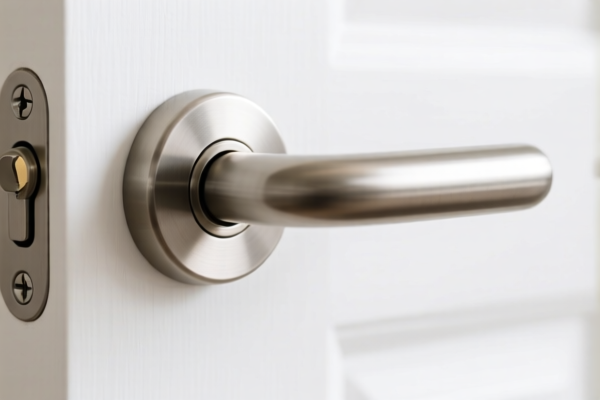
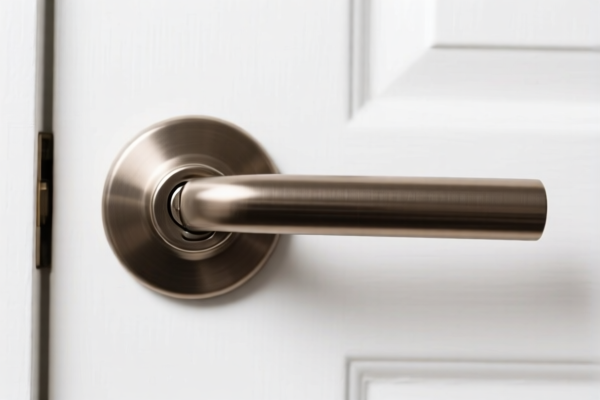
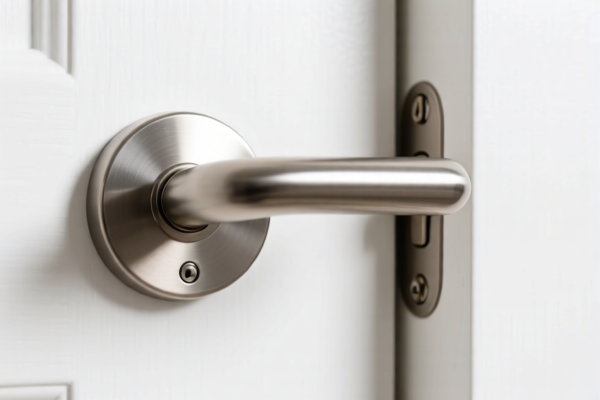
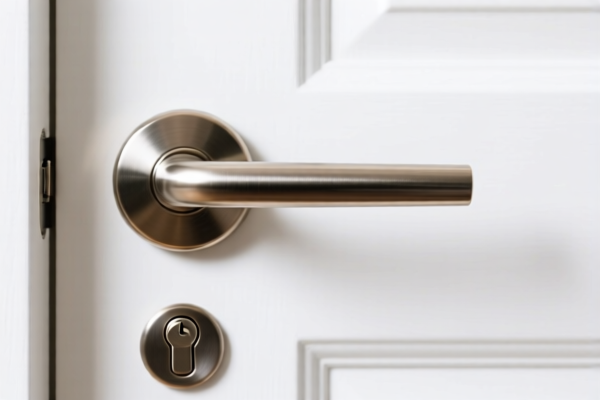
AI Analysis
🔐 Induction Locks (Magnetic/Electronic Access Control Systems)
🌐 HS Code Reference & Customs Clearance Guide | 2026 Latest Tariff Analysis | Professional Entry Strategy
📌 I. Product Definition & Classification: Do You Really Understand "Induction Locks"?
In the context of international trade and US Customs regulations, an "Induction Lock" typically refers to a magnetic lock (maglock) or an electrically operated lock used in access control systems. These devices operate via an electromagnetic field ("induction") rather than a mechanical key or combination.
Key Distinction for Tariff Purposes: * Base Metal Locks (8301.40): Most standard magnetic locks, door strike plates, and electric locking mechanisms are classified here because their primary function is securing a door, and they are constructed of base metal (steel, iron, aluminum). * Electrical Apparatus (8537/8543): Note: The control box (reader, keypad, alarm panel) is often classified separately under Chapter 85. However, the lock mechanism itself (the electromagnet and the armature plate) falls under Chapter 83.
⚠️ Critical Classification Point:
- If the item is a standalone lock unit (magnetic lock + strike plate) suitable for interior/exterior doors → HS Code 8301.40.
- If the item is a complete access control panel with no lock included → HS Code 8537.10/8543.70.
- This guide focuses on the LOCK itself (Base Metal/Electric Locks) as per your<DATA>input.
📦 II. HS Code Classification Details (2026 Latest Tariff Authority)
Based strictly on the provided <DATA>, there are two primary HS Codes for these products:
| HS Code | Product Description | Application Scenario | Key Characteristics |
|---|---|---|---|
8301.40.60.30 |
Other Door Locks: Suitable for interior or exterior doors (except garage, overhead, or sliding doors) | Standard magnetic locks (Maglocks) for office doors, apartment entry doors, commercial entrances | Mechanical/Electric lock body, base metal construction, designed for swing doors |
8301.40.60.60 |
Other Locks: Other | Specialty electric locks, industrial strike plates, non-door-specific base metal locking mechanisms, parts of the above | General-purpose electric locks, high-security strike plates, components not fitting specific door categories |
🔍 Key Reminder:
- Magnetic Locks (Maglocks) are explicitly included in "Electrically operated locks" under heading 8301.
- If your product is a complete set (Lock + Reader + Controller), US Customs may require splitting the shipment:
- Lock Body →8301.40.60.30
- Controller/Reader →8537.10.00.00(Automatic Regulation/Control Apparatus)
- Do not lump the controller into the lock HS Code; it risks audit flags for misclassification.
💰 III. 2026 Latest Tariff Rate Details (Detailed Breakdown)
✅ Applicable Country: United States (US)
✅ Origin: China (CN) (Assumed based on typical induction lock manufacturing hubs)
✅ Effective Date: Current (No additional punitive tariffs apply in the provided data)
🎯 1. 8301.40.60.30 —— Magnetic/Electric Door Locks (Interior/Exterior)
| Item | Content |
|---|---|
| Base Tariff | 0.0% (ad valorem) |
| Section 301 / Additional Tariffs | 0.0% |
| Total Tariff Rate | 0.0% |
| Tax Calculation | CIF Value × 0.0% = $0 |
| De Minimis Eligibility | ✅ Yes (If shipment value ≤ $800 and not restricted) |
| Legal Authority | HTSUS 8301.40.60.30 |
📌 Explanation:
- Unlike electronics or steel products, base metal locks (HS 8301) are currently exempt from the heavy Section 301 punitive tariffs (25%) and IEEPA surcharges.
- This makes magnetic locks a low-risk, low-cost commodity for US importers from China.
- No additional fees are listed in the<DATA>for this specific code.
🎯 2. 8301.40.60.60 —— Other Electric Locks / Parts
| Item | Content |
|---|---|
| Base Tariff | 0.0% (ad valorem) |
| Section 301 / Additional Tariffs | 0.0% |
| Total Tariff Rate | 0.0% |
| Tax Calculation | CIF Value × 0.0% = $0 |
| De Minimis Eligibility | ✅ Yes (If shipment value ≤ $800) |
| Legal Authority | HTSUS 8301.40.60.60 |
📌 Note:
- Even for "Other" locks or parts, the tariff remains 0.0%.
- However, if classified as "Parts of locks" (e.g., just the armature plate), ensure it is clearly described as a part of a base metal lock to avoid reclassification under Chapter 73 (Articles of Iron/Steel) which might have different duties if misinterpreted.
🛠️ IV. Customs Clearance Practical Advice (Combat Pitfalls)
✅ 1. Required Documentation Checklist (Non-Negotiable)
| Document | Mandatory? | Description |
|---|---|---|
| ✅ Commercial Invoice | ✔️ | Must clearly state "Magnetic Lock" or "Electric Door Lock," NOT "Electronic Device" (to avoid Chapter 85 confusion). |
| ✅ Product Specification Sheet | ✔️ | Must include: Voltage (e.g., 12V/24V DC), Holding Force (e.g., 600lbs), Material (Base Metal: Steel/Aluminum). |
| ✅ Photos (Labeled) | ✔️ | Show the lock mechanism, the strike plate, and any branding/model numbers. |
| ✅ Bill of Lading (BOL) | ✔️ | Must match invoice description. |
| ✅ HS Code Confirmation | ✔️ | If importing controllers separately, ensure they are listed under 8537.10, not mixed with 8301. |
✅ 2. Declaration Tips (Key Mantra)
🔥 "Lock is Base Metal, Controller is Electrical. Keep them separate, keep your duty minimal!"
| Scenario | Correct Declaration | Wrong Action |
|---|---|---|
| Maglock Unit Only | 8301.40.60.30 |
Declaring as "Security System" (8543) → Higher scrutiny |
| Maglock + Power Supply Included | Declare Lock as 8301.40.60.30 Declare Power Supply as 8504.40.00.00 (if separate) or include in lock if minor accessory |
Lumping everything into one generic "Lock" code → Risk of seizure |
| Induction Lock Parts (Knobs/Handles) | 8301.40.60.60 |
Declaring as "Hardware" (7318) → Potential duty mismatch |
✅ 3. Special Case Handling
| Situation | Handling Advice |
|---|---|
| OEM Custom Locks | Provide a drawing showing it fits standard door sizes. Describe as "Custom Electric Lock for Access Control." |
| High-Security Electric Strikes | Clearly specify if it is a "Strike Plate" (part of lock) vs. a "Locking Device." Use 8301.40.60.60 if not a main door lock. |
| Combo Packages (Lock + Reader) | Split the HS Codes! - Lock: 8301.40.60.30 - Reader/Card Keypad: 8537.10.00.00 Note: Readers may have different tariffs (often 0% or low %), but mixing them causes valuation issues. |
🌍 V. Global Market Comparison (2026 Overview)
| Country/Region | Recommended HS Code | Tariff Rate (China Origin) | Certification Required | Notes |
|---|---|---|---|---|
| 🇺🇸 USA | 8301.40.60.30 |
0.0% | UL, FCC (for controller) | Very favorable; 0% duty. |
| 🇨🇳 China | 8301.40.60.30 |
Varies (Check latest) | CCC (if electrical) | Export incentive may apply. |
| 🇪🇺 EU | 8301.40.60 |
~2.5% (Standard MFN) | CE, RoHS | No Section 301 equivalent. |
| 🇬🇧 UK | 8301.40.60 |
~2.5% (Post-Brexit) | UKCA, RoHS | Separate from EU. |
📌 Conclusion:
- The USA is the most tariff-friendly market for induction locks from China due to the 0.0% total tax rate in the provided data.
- No anti-dumping or countervailing duties are currently applied to base metal locks (8301).
📌 VI. Common Errors & Pitfalls Guide (Lessons from the Field)
❌ Error 1: Classifying the Electromagnetic Coil as a "Motor Part" or "Transformer"
👉 Consequence: Misclassification under Chapter 84/85 → Potential duty increase or audit.
✅ Fix: Declare as "Part of Electric Lock" or include in the lock assembly under 8301.
❌ Error 2: Ignoring the Power Supply/Controller distinction
👉 Consequence: If you declare a whole access control system as one "Lock," CBP may reject it as a "System" (8537) or split it later, causing delays.
✅ Fix: Always list Locks (8301) and Controllers (8537) as separate line items.
❌ Error 3: Using vague descriptions like "Security Lock"
👉 Consequence: CBP cannot determine if it’s mechanical or electric. May lead to "Assumption of Fact" and higher duty estimation.
✅ Fix: Use precise terms: "Magnetic Lock, 600lb Hold Force, 12V DC, Base Metal Construction."
🎯 VII. Conclusion: Professional Declaration, Zero Duty Savings!
🎯 Remember the Mantra:
🔹 "Locks are 8301, Tax is Zero. Controllers are 8537, Keep them clear. Split the list, save the cost!"
🔹 "Base metal locks enter free, no 301 tax, no IEEPA fee. Just describe it right!"
📌 Pro Tip:
If you are importing magnetic locks from China:
1. Ensure the material composition is clearly stated as Base Metal (Steel/Iron).
2. Separate electronic controllers onto a different line item.
3. Use HS Code 8301.40.60.30 for standard door locks.
4. Enjoy the 0.0% Duty Rate.
📣 Immediate Action:
📞 Contact your freight forwarder to ensure the Commercial Invoice separates Locks (8301) from Controllers (8537).
🚀 Maximize your profit margin with 0% Duty on locks!
✨ Professional Customs Clearance Starts with Precise Classification!
💼 Every penny saved in duty is pure profit!
Customer Reviews
About HS Code Classification
The Harmonized System (HS) is an internationally standardized nomenclature developed by the World Customs Organization (WCO) to classify traded products. Over 200 countries use the HS system as the basis for customs tariffs, trade statistics, and import/export regulations.
Each HS code follows a hierarchical structure:
- Chapter (2 digits) — Broad category of goods (e.g., Chapter 84: Machinery and Mechanical Appliances)
- Heading (4 digits) — More specific grouping within the chapter
- Subheading (6 digits) — Internationally standardized breakdown, used by all WCO member countries
- National subdivisions (8-10 digits) — Country-specific extensions for further classification, such as US HTSUS 10-digit codes
Correct HS code classification is essential for smooth customs clearance, accurate duty payment, and compliance with trade regulations. Misclassification can lead to customs delays, overpayment of duties, or penalties.
When importing from CN to US, the applicable tariff rates may include:
- Most-Favored-Nation (MFN) rate — The standard duty rate applied to WTO members
- General rate — Applied to countries without trade agreements
- Trade remedy duties — Additional tariffs such as Section 301 (anti-dumping), Section 232 (national security), or countervailing duties
The information provided on this page is for reference purposes only. For official classification, please consult with your local customs authority or a licensed customs broker.