Industrial Coniferous Wood Pulp
CN → US| HS Code | Tariff Rate | Origin | Destination | Doc |
|---|---|---|---|---|
| 4403220108 | 35.0% | CN | US | Official Doc |
| 4701000000 | 35.0% | CN | US | Official Doc |
| 4403240104 | 35.0% | CN | US | Official Doc |
Product Images
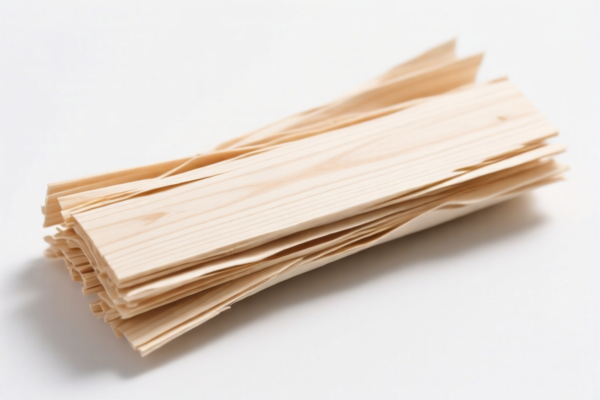
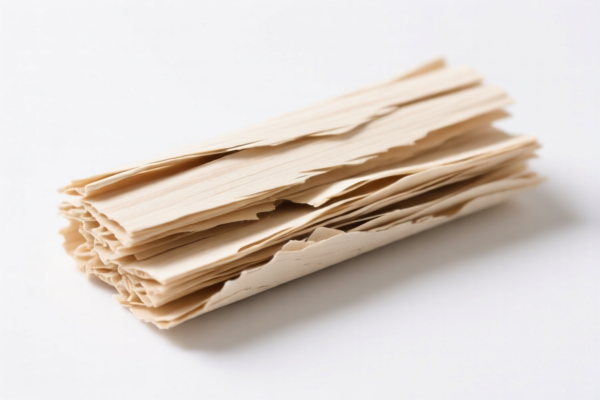
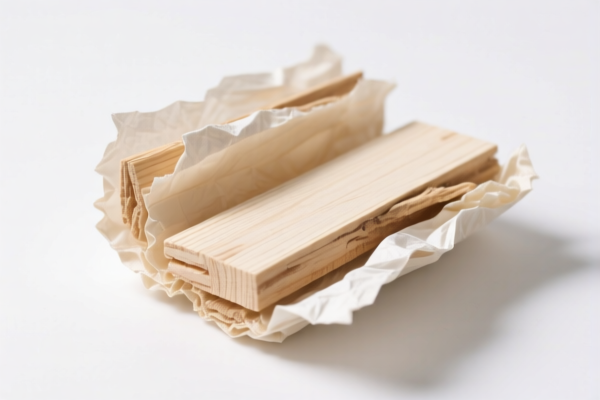
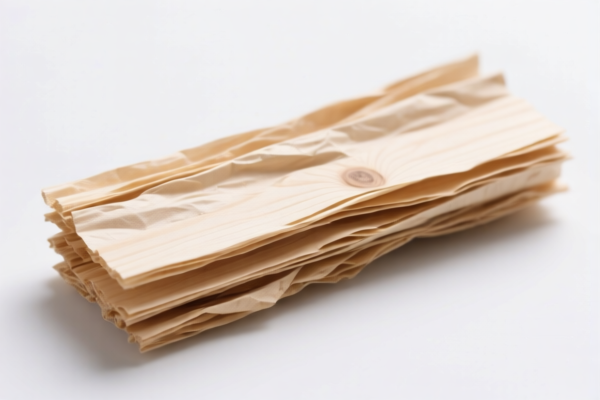
AI Analysis
🌲 Industrial Coniferous Wood Pulp & Raw Materials
🌐 HS Code Reference & Customs Clearance Guide | 2026 Latest Tariff Analysis | Strategic Entry Strategies for Coniferous Pulp
📌 I. Product Definition & Classification: What Exactly is "Industrial Coniferous Wood Pulp"?
"Industrial Coniferous Wood Pulp" is a broad commercial term that can refer to two distinct stages of the papermaking supply chain: 1. Raw Material (Logging): Coniferous timber (softwood like pine, spruce, fir) specifically destined for pulping (mechanical or chemical). 2. Processed Material (Pulp): Mechanical wood pulp derived from coniferous trees, ready for paper production.
In international trade, misclassifying raw timber as processed pulp (or vice versa) leads to severe compliance issues. The key distinction lies in the degree of processing: * Logs/Raw Timber: Physical processing (debarked, cut) but no chemical/mechanical fiber separation. → Chapter 44. * Mechanical Pulp: Fibers have been separated via grinding/chemi-mechanical means. → Chapter 47.
⚠️ Critical Distinction Point:
- If the product is whole logs, rounds, or squared timber intended for pulping → It is a Wood Product (Chapter 44).
- If the product is fibrous material/pulp produced mechanically from wood → It is a Pulp Product (Chapter 47).
📦 II. HS Code Classification Matrix (2026 Latest Tariff Alignment)
Based on the provided data, we analyze three specific HS Codes that cover both the raw material stage (Chapter 44) and the processed pulp stage (Chapter 47) for coniferous species.
| HS Code | Product Description | Applicability Scenario | Processing State |
|---|---|---|---|
| 4403.22.01.08 | Wood treated with preservatives or not; coniferous wood logs/rounds for pulping | Raw coniferous timber (e.g., Pine, Spruce) destined for paper mills | ❌ Raw Wood (Timber) |
| 4403.24.01.04 | Other coniferous wood, processed/sawn, specifically for pulping | Processed softwood logs or squared timber ready for pulping | ❌ Raw Wood (Timber) |
| 4701.00.00.00 | Mechanical wood pulp | Pulp produced by grinding wood chips/logs without chemical separation | ✅ Processed Pulp |
🔍 Key Insight:
- 4403 Series: Covers the input material (the tree itself). Even if destined for "pulping," if it hasn't been turned into pulp yet, it stays in Chapter 44.
- 4701 Series: Covers the output material (the fiber). Once the wood is mechanically ground into pulp, it moves to Chapter 47.
- Tax Rate Uniformity: Surprisingly, under current sanctions/tariffs (see below), the total effective tax burden is identical (35%) for both the raw wood and the processed mechanical pulp if originating from China to the US.
💰 III. 2026 Latest Tariff Rate Breakdown (Detailed Policy Analysis)
✅ Applicable Country: United States (US)
✅ Origin: China (CN) (Inferred from tax details: "122 Section", "25% Section 301", "10% IEEPA" are specific to China-US trade tensions)
✅ Effective Date: Ongoing under current executive orders
For ALL listed HS Codes (4403.22.01.08, 4701.00.00.00, 4403.24.01.04), the tariff structure is identical:
🎯 1. Tax Structure Breakdown
| Component | Rate | Legal Basis & Explanation |
|---|---|---|
| Basic Tariff | 0.0% | The standard Most Favored Nation (MFN) rate for wood/pulp products is often 0% or low, but it is neutralized by add-on taxes. |
| Section 301 Tariff | +25.0% | Added under the US Trade Representative (USTR) under Section 301 of the Trade Act of 1974, targeting Chinese imports. |
| Section 122 / IEEPA Tariff | +10.0% | Refers to additional levies under the International Emergency Economic Powers Act (IEEPA) or specific trade actions often colloquially or procedurally linked to "122" type executive orders regarding national security or emergency measures. |
| TOTAL EFFECTIVE TAX | 35.0% | Sum: 0% + 25% + 10% |
📌 Detailed Explanation of the 35% Burden:
- This is a cumulative tariff. It is not "0% + 35%". It is "0% Base + 35% Add-ons".
- Calculation Base: The tax is calculated on the CIF Value (Cost, Insurance, and Freight).
- No De Minimis Exemption: These tariff lines do NOT qualify for the $800 de minimis exemption (Section 321). Even small shipments must pay the full 35%.
- Risk: This 35% applies regardless of whether you import raw logs (4403) or finished mechanical pulp (4701). The "value-add" of processing the wood into pulp does not reduce the tariff rate for Chinese-origin goods under current US policy.
🛠️ IV. Customs Clearance Practical Advice (Avoiding Pitfalls)
✅ 1. Essential Documentation Checklist
| Document | Mandatory? | Purpose |
|---|---|---|
| Commercial Invoice | ✅ | Must clearly state: "Coniferous Wood for Pulping" or "Mechanical Wood Pulp" and specify species (e.g., Spruce, Pine). |
| Packing List | ✅ | Detail weight, volume, and number of packages. Crucial for calculating CIF accurately. |
| Fumigation Certificate | ✅ | Mandatory for Chapter 44 (Wood). Must show ISPM 15 compliance (heat treatment/methyl bromide). Pulp (4701) is less critical here but still good practice. |
| Phytosanitary Certificate | ✅ | Required for raw wood (4403) to prove freedom from pests. Not typically required for processed pulp (4701) but recommended. |
| Certificate of Origin (CO) | ✅ | Must explicitly state "Made in China" to trigger the correct 35% tax calculation (avoiding incorrect lower rates that lead to audits). |
| Product Specification Sheet | ✅ | Distinguish between Raw Timber (4403) and Mechanical Pulp (4701). Include moisture content, fiber length, and processing method. |
✅ 2. Strategic Declaration Tips
🔥 "Match the State, Declare the Purpose, Document the Origin!"
| Scenario | Correct HS Code | Wrong Declaration | Consequence |
|---|---|---|---|
| Importing Logs (for a mill to pulp) | 4403.22.01.08 or 4403.24.01.04 |
Declaring as "Paper Pulp" (4701) | Misclassification Fraud: Severe penalties, seizure of goods. |
| Importing Mechanical Pulp | 4701.00.00.00 |
Declaring as "Wood Logs" (4403) | Undervaluation Risk: Pulp may have different market value than logs; customs may reassess and fine. |
| Importing Non-Coniferous Wood | N/A (Not in Data) | Declaring as Coniferous (4403/4701) | Rejection: If species analysis shows hardwood (e.g., Oak, Eucalyptus), goods will be rejected or reclassified with different tariffs. |
✅ 3. Special Considerations for "Wood Pulp"
| Issue | Recommendation |
|---|---|
| Moisture Content | For 4701.00.00.00 (Pulp), ensure the invoice specifies moisture content. High moisture can affect weight-based duty calculations. |
| Species Specificity | For 4403 codes, specify the exact coniferous species (e.g., Pinus radiata, Picea abies). Customs may request DNA testing if the declaration is vague. |
| End-Use Declaration | Clearly state "For Mechanical Pulping" in the invoice remarks. This supports the use of 4403 codes which often have "for pulping" designations. |
| Supply Chain Visibility | Ensure the Certificate of Origin matches the supplier's country of manufacture. Transshipment through third countries (e.g., Vietnam) does not exempt you from the 35% if the wood is originally Chinese. |
🌍 V. Global Market Comparison (Contextual Note)
| Market | HS Code Focus | Tariff Note |
|---|---|---|
| 🇺🇸 United States | 4403.xx.xx & 4701.00.00 |
35% Total Duty (China Origin). High barrier due to Section 301 + IEEPA. |
| 🇪🇺 European Union | 4403 & 4701 |
Generally 0% Duty for wood/pulp under GSP/EBA, but strict EU Timber Regulation (EUTR) due diligence required. |
| 🇨🇳 China (Import) | 4403 & 4701 |
Low base tariffs, but strict phytosanitary controls on raw wood. Pulp imports are encouraged for paper industry. |
📌 Conclusion:
The US market is the most challenging due to the 35% cumulative tariff.
- If you are exporting raw coniferous wood, use4403.22.01.08or4403.24.01.04.
- If you are exporting processed mechanical pulp, use4701.00.00.00.
- Tax Impact is Neutral: Do not assume processing the wood into pulp reduces your duty. Both are taxed at 35% for Chinese origin.
📌 VI. Common Errors & Pitfalls (Lessons Learned)
❌ Error 1: Confusing "Wood Chips" with "Mechanical Pulp".
👉 Fix: Wood chips (usually 4401) are different from Mechanical Pulp (4701). Chips are shredded; Pulp is fiber-separated. Misdeclaration leads to 35% vs. different rates and potential fines.
❌ Error 2: Using Generic "Wood" Description.
👉 Fix: Must specify "Coniferous" (Softwood). If you ship hardwood (e.g., Birch, Beech), 4403.22/24 are incorrect. Wrong HS code = Customs hold.
❌ Error 3: Ignoring Fumigation for Raw Wood.
👉 Fix: For 4403 codes, lack of an ISPM 15 Fumigation Certificate will result in refusal of entry or costly re-exportation. Pulp (4701) generally does not need fumigation.
🎯 VII. Final Recommendations: Cost Control & Compliance
🎯 Strategic Advice:
1. Pre-Ruling: Apply for a Binding Ruling with US CBP if the product type is ambiguous (e.g., semi-mechanical pulp).
2. Supplier Verification: Ensure your supplier provides accurate Certificate of Origin and Species Declaration.
3. Cost Calculation: Factor in the 35% tariff into your landed cost model. There is no hidden discount for processing wood into pulp for Chinese origin goods.
4. Documentation Precision:
- For Logs: "Coniferous Timber, Logs, for Pulping, Species: Pine, Fumigated."
- For Pulp: "Mechanical Wood Pulp, Coniferous, High Brightness, for Papermaking."
📣 Immediate Action Items:
✅ Verify Species: Confirm if it is Coniferous (Softwood).
✅ Verify State: Is it Raw Wood (4403) or Processed Pulp (4701)?
✅ Prepare Docs: Invoice, Packing List, Fumigation Cert (if4403), CO.
✅ Budget: Allocate 35% of CIF Value for US Customs Duties.
✨ Professional Customs Clearance Starts with Accurate Classification!
💼 Protect Your Margins: Know Your HS Code, Pay the Right Tax, Avoid the Delays!
Customer Reviews
About HS Code Classification
The Harmonized System (HS) is an internationally standardized nomenclature developed by the World Customs Organization (WCO) to classify traded products. Over 200 countries use the HS system as the basis for customs tariffs, trade statistics, and import/export regulations.
Each HS code follows a hierarchical structure:
- Chapter (2 digits) — Broad category of goods (e.g., Chapter 84: Machinery and Mechanical Appliances)
- Heading (4 digits) — More specific grouping within the chapter
- Subheading (6 digits) — Internationally standardized breakdown, used by all WCO member countries
- National subdivisions (8-10 digits) — Country-specific extensions for further classification, such as US HTSUS 10-digit codes
Correct HS code classification is essential for smooth customs clearance, accurate duty payment, and compliance with trade regulations. Misclassification can lead to customs delays, overpayment of duties, or penalties.
When importing from CN to US, the applicable tariff rates may include:
- Most-Favored-Nation (MFN) rate — The standard duty rate applied to WTO members
- General rate — Applied to countries without trade agreements
- Trade remedy duties — Additional tariffs such as Section 301 (anti-dumping), Section 232 (national security), or countervailing duties
The information provided on this page is for reference purposes only. For official classification, please consult with your local customs authority or a licensed customs broker.