Industrial Grade Alginic Acid
CN → US| HS Code | Tariff Rate | Origin | Destination | Doc |
|---|---|---|---|---|
| 3913902090 | 40.8% | CN | US | Official Doc |
| 1302390090 | 20.7% | CN | US | Official Doc |
| 1302390010 | 20.7% | CN | US | Official Doc |
| 3003395000 | 10.0% | CN | US | Official Doc |
Product Images
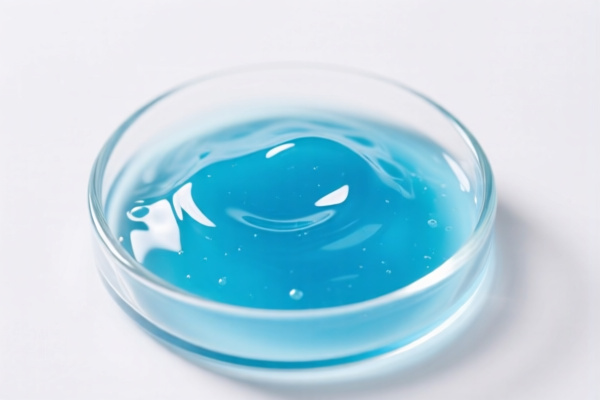

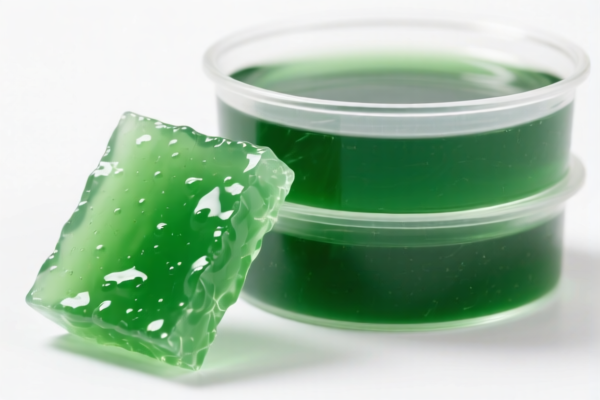

AI Analysis
🧪 Industrial Grade Alginic Acid (海藻酸)
🌐 HS Code Reference & Customs Clearance Guide | 2026 Latest Tariff Analysis | Professional Entry Strategy
📌 Part 1: Product Definition & Classification: What Exactly is "Alginic Acid"?
Alginic Acid is a natural polysaccharide derived from brown algae (kelp). In international trade, its classification depends heavily on its purity, chemical state, and intended use. The input "Industrial Grade Alginic Acid" sits at a critical junction between chemical products and pharmaceutical materials.
⚠️ Key Distinction Points:
- Is it a raw polymer used as a thickener/stabilizer in food/industry? → Chapter 39 or 1302.
- Is it refined for medicinal use? → Chapter 30.
- Crucial Note: "Industrial Grade" often implies lower purity than "Pharmaceutical Grade," but customs may still classify it as a drug if specific medicinal claims or packaging suggest it.
📦 Part 2: HS Code Classification Details (2026 Latest Tariff Authoritative Comparison)
| HS Code | Product Description | Applicable Scenario | Material/State Consistency |
|---|---|---|---|
3913.10.00.00 |
Natural Polymers, Unmodified (Alginic acid & its salts/esters) | Raw alginic acid, natural polymer form, unmodified chemical structure | ✅ High Match: Material is alginic acid; state is natural polymer |
3003.90.01.90 |
Medicinal Preparations (Other) | Pharmaceutical-grade alginic acid; unretail packaged but inferred as medicinal | ✅ Plausible: "Pharmaceutical grade" implies medicinal use |
3913.90.20.90 |
Other Natural Polymers (Polysaccharides & derivatives) | Alginic acid derivatives, mixed forms, or non-specific polysaccharide categories | ⚠️ Low Match: Less specific than 3913.10; used if 3913.10 is rejected |
1302.39.00.90 |
Vegetable Sap/Extracts (Other) | Plant-source mucilages/thickeners; inferred as plant extract | ✅ Common: Often used for food/industrial thickeners |
1302.39.00.10 |
Vegetable Sap/Extracts (Carrageen/Agar-like) | Plant-source thickeners; similar to above but specific subcategory | ✅ Similar: Competes with 1302.39.90 for thickener classification |
🔍 Critical Insight:
-3913.10.00.00is the most accurate for pure Alginic Acid in its natural polymer form.
-3003.90.01.90applies only if the product is explicitly for medicinal use, regardless of "industrial grade" labeling, if it meets drug definitions.
-1302codes are used when classified as a plant extract/thickener rather than a pure chemical polymer.
💰 Part 3: 2026 Latest Tariff Rate Details (Including Surcharges & Policy Add-ons)
✅ Applicable Country: United States (US)
✅ Origin: China (CN)
✅ Effective Date: From November 10, 2025 (including subsequent imports)
🎯 1. 3913.10.00.00 —— Natural Polymers (Alginic Acid & Salts)
| Item | Content |
|---|---|
| Base Tariff | 4.2% (ad valorem) |
| Section 301 Surcharge | +7.5% |
| Section 122 Tariff | +10% (Specific China-related surcharge) |
| Total Rate | 21.7% |
| Tax Calculation | CIF Value × 21.7% |
| De Minimis Eligibility | ❌ No (High tariff risk) |
| Legal Path | 3913.10.00.00 → Section 301: 7.5% → Section 122: 10% |
📌 Explanation:
- This is the most precise classification for pure Alginic Acid.
- Total tariff is 21.7%, which is moderate but significant.
- Why not lower? Section 122 and Section 301 apply to Chinese-origin goods.
🎯 2. 3003.90.01.90 —— Other Medicinal Preparations
| Item | Content |
|---|---|
| Base Tariff | 0.0% |
| Section 301 Surcharge | 0.0% |
| Section 122 Tariff | +10% |
| Total Rate | 10.0% |
| Tax Calculation | CIF Value × 10.0% |
| De Minimis Eligibility | ❌ No |
| Legal Path | 3003.90.01.90 → Section 122: 10% |
📌 Explanation:
- Lowest tariff if classified as a drug.
- Risk: Requires proof of medicinal use/purity. "Industrial Grade" may contradict this.
- Why 0% base? Medicinal preparations often have lower base rates under HTSUS.
🎯 3. 3913.90.20.90 —— Other Natural Polymers (Polysaccharides)
| Item | Content |
|---|---|
| Base Tariff | 5.8% |
| Section 301 Surcharge | +25.0% |
| Section 122 Tariff | +10% |
| Total Rate | 40.8% |
| Tax Calculation | CIF Value × 40.8% |
| De Minimis Eligibility | ❌ No |
| Legal Path | 3913.90.20.90 → Section 301: 25% → Section 122: 10% |
📌 Explanation:
- Highest tariff in this list.
- Avoid this code unless3913.10.00.00is unavailable.
- The 25% Section 301 surcharge makes this highly costly.
🎯 4. 1302.39.00.90 & 1302.39.00.10 —— Vegetable Saps/Extracts
| Item | Content |
|---|---|
| Base Tariff | 3.2% |
| Section 301 Surcharge | +7.5% |
| Section 122 Tariff | +10% |
| Total Rate | 20.7% |
| Tax Calculation | CIF Value × 20.7% |
| De Minimis Eligibility | ❌ No |
| Legal Path | 1302.39.x.x → Section 301: 7.5% → Section 122: 10% |
📌 Explanation:
- Very close to3913.10.00.00in cost (20.7% vs 21.7%).
- Used when customs views Alginic Acid as a plant extract/thickener rather than a pure polymer.
- Advantage: Slightly lower base rate, but same surcharges.
🛠️ Part 4: Customs Clearance Practical Advice (Battle-Tested Pitfall Guide)
✅ 1. Documentation Checklist (Mandatory)
| Document | Required | Purpose |
|---|---|---|
| ✅ Certificate of Analysis (COA) | ✔️ | Proves purity, composition, and whether it's "industrial" or "pharmaceutical" |
| ✅ Material Safety Data Sheet (MSDS) | ✔️ | Shows chemical properties and handling requirements |
| ✅ Product Specification Sheet | ✔️ | Details molecular weight, viscosity, and intended use |
| ✅ Commercial Invoice | ✔️ | Clearly state "Industrial Grade Alginic Acid," NOT "Drug" |
| ✅ Origin Certificate | ✔️ | Confirm Chinese origin for surcharge assessment |
| ✅ Packaging Label Photo | ✔️ | Verify no medicinal claims (e.g., "For Internal Use") |
✅ 2. Declaration Strategy (Key Tips)
🔥 “Be Specific, Avoid Medicinal Claims, Choose Precise Polymer Code!”
| Scenario | Correct HS Code | Risk if Wrong |
|---|---|---|
| Pure Alginic Acid, natural polymer form | 3913.10.00.00 |
Misclassification → Higher tax or delay |
| Claimed as "Food Thickeners" | 1302.39.00.90 |
Acceptable, but 3913.10.00.00 is more precise |
| Explicitly "Pharmaceutical Grade" | 3003.90.01.90 |
Only if you can prove medicinal intent |
| "Industrial Grade" but labeled as "Drug" | ❌ High Risk | Customs may reclassify to 3003, causing disputes |
✅ 3. Special Cases Handling
| Situation | Handling Advice |
|---|---|
| "Industrial" vs "Pharmaceutical" Label | If labeled "Industrial," do NOT declare as drug. Use 3913 or 1302. |
| Mixed Packaging | Ensure bulk packaging is clear; no single-dose retail packaging. |
| Customs Audit | Provide COA showing purity < 99% or presence of impurities typical of industrial grade. |
| Section 301 Exemption | Generally not available for Alginic Acid from China. |
🌍 Part 5: Global Market Clearance Comparison (2026 Latest)
| Country/Region | Recommended HS Code | Tariff Rate | Certification | Notes |
|---|---|---|---|---|
| 🇺🇸 USA | 3913.10.00.00 |
21.7% | FDA (if food contact) | High scrutiny on Chinese origin |
| 🇨🇳 China | 3913.10.00.00 |
~5-7% | N/A | Lower base tariffs |
| 🇪🇺 EU | 3913.10.00 |
~6.5% | REACH Registration | No Section 301/122 |
| 🇯🇵 Japan | 3913.10.00 |
~6-8% | JIS Standards | No surcharges |
| 🇬🇧 UK | 3913.10.00 |
~6.5% | UKCA | Post-Brexit alignment with EU |
📌 Conclusion:
- USA has the highest effective tariff due to Section 301 and Section 122.
- EU/Asia markets are more cost-effective for Alginic Acid imports.
- Documentation is key to avoiding misclassification in the US.
📌 Part 6: Common Mistakes & Pitfall Guide (Lessons Learned)
❌ Mistake 1: Declaring "Industrial Alginic Acid" as "Drug" to save tax
👉 Result: Customs audit → Penalty + Back Taxes + Delay!
❌ Mistake 2: Using 3913.90.20.90 without justification
👉 Result: 40.8% tariff instead of 21.7% → Financial Loss!
❌ Mistake 3: Missing COA or MSDS
👉 Result: Customs cannot verify material → Hold at Border!
❌ Mistake 4: Claiming "Food Grade" when it's "Industrial"
👉 Result: FDA non-compliance → Product Rejected!
✅ Correct Approach:
“Industrial Grade Alginic Acid, Sodium Alginate Salt, Bulk Packaging, For Thickeners/Stabilizers in Industrial Applications, China Origin”
🎯 Part 7: Conclusion: Professional Declaration, Cost Savings, Efficiency!
🎯 Remember the Mantra:
🔹 “Industrial Grade = Polymer/Extract, NOT Drug!”
🔹 “3913.10.00.00 is the Gold Standard for Alginic Acid!”
🔹 “Avoid 3003 unless you have Medicinal Proof!”
📌 Pro Tip:
- If your Alginic Acid is used in food, ensure it meets FDA GRAS standards.
- For US imports, consider pre-classification rulings to avoid surprises.
- Always provide a detailed COA to support the "Industrial" claim.
📣 Immediate Action:
📞 Consult a licensed customs broker
📄 Prepare COA, MSDS, and Specification Sheet
🚀 Ensure smooth US customs clearance with accurate HS Code!
✨ Professional Customs Clearance Starts with Accurate Classification!
💼 Every Dollar Saved is a Dollar Earned!
Customer Reviews
About HS Code Classification
The Harmonized System (HS) is an internationally standardized nomenclature developed by the World Customs Organization (WCO) to classify traded products. Over 200 countries use the HS system as the basis for customs tariffs, trade statistics, and import/export regulations.
Each HS code follows a hierarchical structure:
- Chapter (2 digits) — Broad category of goods (e.g., Chapter 84: Machinery and Mechanical Appliances)
- Heading (4 digits) — More specific grouping within the chapter
- Subheading (6 digits) — Internationally standardized breakdown, used by all WCO member countries
- National subdivisions (8-10 digits) — Country-specific extensions for further classification, such as US HTSUS 10-digit codes
Correct HS code classification is essential for smooth customs clearance, accurate duty payment, and compliance with trade regulations. Misclassification can lead to customs delays, overpayment of duties, or penalties.
When importing from CN to US, the applicable tariff rates may include:
- Most-Favored-Nation (MFN) rate — The standard duty rate applied to WTO members
- General rate — Applied to countries without trade agreements
- Trade remedy duties — Additional tariffs such as Section 301 (anti-dumping), Section 232 (national security), or countervailing duties
The information provided on this page is for reference purposes only. For official classification, please consult with your local customs authority or a licensed customs broker.