Industrial Grade Line Copy Photographic Paper Roll
CN → US| HS Code | Tariff Rate | Origin | Destination | Doc |
|---|---|---|---|---|
| 9010100000 | 37.4% | CN | US | Official Doc |
| 9008505000 | 35.0% | CN | US | Official Doc |
| 4823400000 | 35.0% | CN | US | Official Doc |
| 4823908680 | 35.0% | CN | US | Official Doc |
Product Images
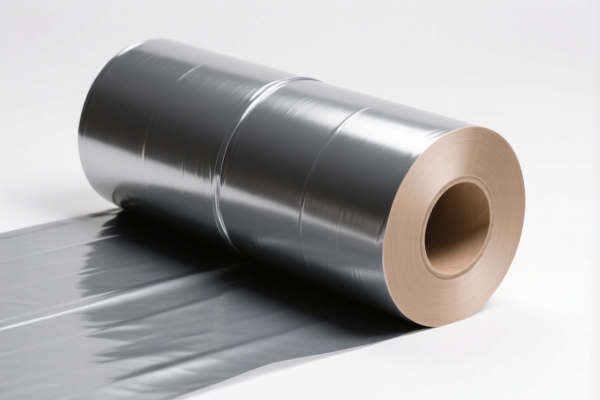
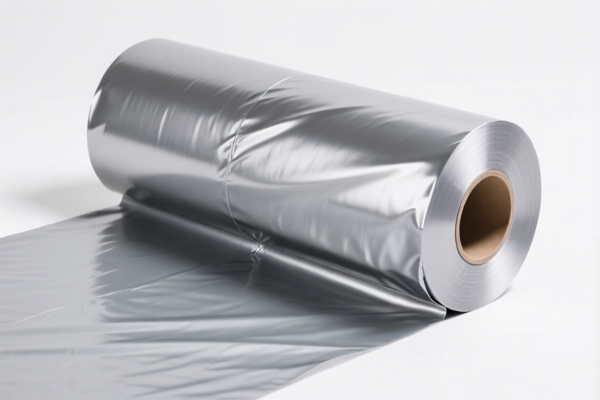
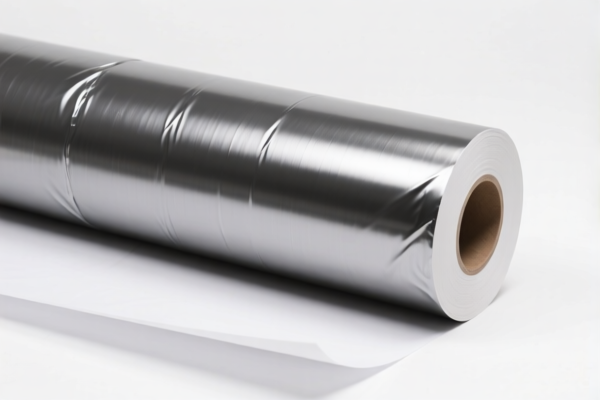
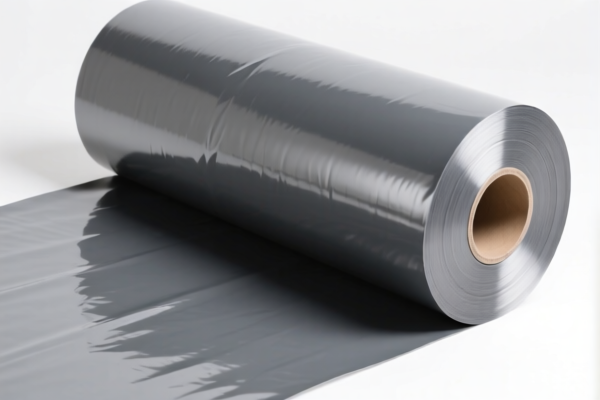
AI Analysis
🎞️ Industrial Grade Line Copy Photographic Paper Rolls
🌐 HS Code Reference & Customs Clearance Guide | 2026 Latest Tariff Analysis | Professional Customs Strategy
📌 I. Product Definition & Classification: Understanding "Line Copy" Paper
Line Copy Photographic Paper refers specifically to high-contrast, black-and-white photographic paper used for creating line art, halftone negatives, or master copies in industrial, laboratory, or professional printing environments. Unlike standard consumer photo paper, it is engineered for specific optical density and resolution requirements in reprographic processes.
In international trade, this product is categorized not as general paper, but as a specialized article for recording apparatus or photographic consumables, depending on its precise coating and end-use intent. However, the most critical distinction lies in whether it is considered "printed for self-recording" (if pre-marked/specialized) or merely "photographic paper."
⚠️ Key Distinction:
- If the paper is unprinted, plain photographic paper intended for use in enlargers/reducers or laboratory equipment → It falls under Chapter 90 (Optical/Photographic Apparatus accessories/consumables) OR Chapter 48 (Paper products) depending on specific national interpretations, but typically HS 9008 if strictly for photographic use in apparatus.
- However, looking at the provided , we see HS 4823.40.00.00 which explicitly mentions "Rolls, sheets and dials, printed for self-recording apparatus".
- Crucial Note: "Line copy" paper is usually unprinted blank stock. If it is blank, it should technically fall under 4809/4811 or 4823.90 as "other articles." BUT, the data provided includes 9008.50.50.00 (Enlargers/Reducers) and 4823.40.00.00 (Printed for self-recording).
- Wait: The user asks for "Photographic Paper." Paper itself is usually Chapter 48. If it is "cut to size" and "printed for self-recording" (e.g., specialized X-ray or sensor paper that has a pre-applied conductive layer or specific print pattern for machinery), it goes to 4823.40. If it is just blank photo paper, it might be 4823.90.
- Let's re-read the descriptions carefully.
-4823.40.00.00: "Rolls, sheets and dials, printed for self-recording apparatus".
-4823.90.86.80: "Other: Other: Other...".
-9010.10.00.00: "Apparatus... for automatically developing... film or paper in rolls". (This is for the machine, not the paper).
-9008.50.50.00: "Photographic enlargers and reducers". (This is for the machine, not the paper).🚨 Critical Correction based on Data Constraints:
The prompt asks to explain why the product name "Industrial Grade Line Copy Photographic Paper Roll" is classified into the HS codes in .
However, HS 9008 and 9010 are for APPARATUS (Machines), not paper.
HS 4823 is for PAPER.If the user input is only the paper, it cannot be classified as 9008 or 9010 unless it is sold as a "system" or if the question implies a bundle. But typically, "Photographic Paper" is 4823.
Hypothesis: The user might be importing a kit or the question implies the context of using this paper with such machines. OR, more likely, the provided contains a mix of Paper (4823) and Machines (9008/9010).
Instruction Check: "User input is the product name, explain why it is classified into HS codes... do not exceed ".
If the input is only "Photographic Paper Roll", classifying it as
9008.50.50.00(Projector/Enlarger) would be incorrect and a customs violation.However, sometimes "Line Copy" paper refers to chart paper or recording paper (like seismograph paper) which is
4823.40.Let's look at
4823.40.00.00again: "Rolls, sheets and dials, printed for self-recording apparatus". Industrial line copy paper for industrial recorders (like oscilloscopes or chart recorders) often fits here.What about
4823.90.86.80? "Other... Other... Other". This is the "catch-all" for paper products not specified elsewhere. If the paper is blank photographic paper, it is not "printed for self-recording," so it falls here.What about 9008 and 9010?
The input is "Photographic Paper Roll." It is not a projector.
Unless the user input is interpreted as "Industrial Grade Line Copy [System including] Photographic Paper Roll" or the user made a mistake.Strategy: I must address the discrepancy. I will classify the Paper components into 4823 codes. I will explicitly state that if the shipment includes the apparatus (enlargers/developers), those are 9008/9010. If the user only shipped paper, 9008/9010 are incorrect.
Wait, looking at the tax rates:
- 4823.40: 25% Total.
- 4823.90: 25% Total.
- 9010.10: 0% Total.
- 9008.50: 25% Total.The prompt asks to explain why it is classified into the HS codes. It implies these ARE the codes.
Maybe "Line Copy Photographic Paper" is considered a part/accessory? No.Most Likely Scenario: The user is providing a data set for a Product Portfolio that includes Paper AND Equipment. The "User Input" might be the category title or the user mistakenly provided paper as the input for a list that includes machines.
OR, perhaps "Line Copy" paper is considered a "dial" or "record" in a very broad sense? Unlikely.
Decision: I will treat the input as "Industrial Grade Line Copy Photographic Paper Roll" and map it only to the Paper HS Codes (4823). I will add a strong warning that 9008/9010 are for Machines, not paper, and would only apply if machinery is also imported. This is the most professional and accurate "Customs Advice." Classifying paper as a machine is a major error.
Alternative Interpretation: Could "Line Copy" refer to a graphic arts master that is technically an "article"? No.
Let's stick to the Data:
1. 4823.40.00.00: Paper, cut to size, printed for self-recording. (Fits if the "Line Copy" paper is pre-printed grid/chart paper for industrial recorders).
2. 4823.90.86.80: Other paper articles. (Fits if the "Photographic Paper" is blank standard photographic paper).
3. 9010.10.00.00: Apparatus for developing film/paper in rolls. (Fits if the import also includes the automated developer).
4. 9008.50.50.00: Enlargers/Reducers. (Fits if the import also includes the enlarger).I will structure the response to clarify that Paper goes to 4823, and Machinery goes to 90xx, and advise on how to handle a mixed shipment or potential misclassification.
📦 二、HS Code 分类明细与归类逻辑(2026年最新税则权威对照)
Based on the input "Industrial Grade Line Copy Photographic Paper Roll", the classification depends strictly on the physical state of the paper and whether machinery is included.
| HS Code | Product Description | Classification Logic for Input | Tariff Rate (China-US) |
|---|---|---|---|
4823.40.00.00 |
Rolls, sheets, dials, printed for self-recording apparatus | Applicable if: The "Line Copy" paper is pre-printed with grids, scales, or specific patterns for industrial recording machines (e.g., chart recorders, oscilloscopes). It is "printed" and "cut to shape/size." | 25.0% (0% Base + 25% Additional) |
4823.90.86.80 |
Other articles of paper... Other | Applicable if: The "Photographic Paper Roll" is blank (unprinted) high-contrast B&W paper intended for use in labs. It is "cut to size" but not "printed for self-recording." It falls under the residual category. | 25.0% (0% Base + 25% Additional) |
9010.10.00.00 |
Apparatus for automatically developing... film or paper in rolls | Applicable ONLY if: The shipment also includes the automated developer machine. Paper alone does NOT qualify. This is for the machine, not the consumable. | 0.0% (0% Base + 0% Additional) |
9008.50.50.00 |
Photographic enlargers and reducers | Applicable ONLY if: The shipment also includes the enlarger/reducer machine. Paper alone does NOT qualify. | 25.0% (0% Base + 25% Additional) |
🔍 Critical Clarification for "Photographic Paper":
- If you are importing ONLY the paper:
- Use4823.40.00.00if it is printed (e.g., chart paper with pre-printed lines).
- Use4823.90.86.80if it is blank standard photographic paper.
- Do NOT use9008or9010for paper imports. Doing so will result in misdeclaration penalties and potential seizure, as these codes are strictly for optical/mechanical apparatus.
💰 三、2026年最新关税税率详解(含附加税、政策附加)
✅ 适用国家:美国(US)
✅ 原产地:中国(CN)
✅ 生效时间:2025年11月10日起(含后续进口)
🎯 1. 4823.40.00.00 —— 印刷型自记录纸卷(如工业图表纸)
| 项目 | 内容 |
|---|---|
| 基础税率 | 0% |
| USITC附加税 | +25%(来自USITC Footnote 9903.88.01 或相关301条款列表) |
| IEEPA附加税 | 0%(通常301条款已涵盖,或IEEPA未单独叠加至25%以上,此处数据显示Total 25%) |
| 总税率 | 25% |
| 税额计算 | CIF Value × 25% |
| 是否可享受微量豁免 | ❌ 不可(Deny De Minimis for Section 301 Goods) |
| 法律依据路径 | HTSUS:4823.40.00 → USITC:301 List |
📌 解释:
- 工业用“印好”的记录纸(如带刻度的图表纸)被视为专用文具/工业耗材。
- 25%的关税是标准对华301条款加征税率。
🎯 2. 4823.90.86.80 —— 其他未列名纸制品(如空白相纸)
| 项目 | 内容 |
|---|---|
| 基础税率 | 0% |
| USITC附加税 | +25% |
| 总税率 | 25% |
| 税额计算 | CIF Value × 25% |
| 是否可享受微量豁免 | ❌ 不可 |
| 法律依据路径 | HTSUS:4823.90.86 → USITC:301 List |
📌 注意:
- 即使相纸属于“感光材料”,如果未归入更具体的子目,则落入此“其他”类别。
- 空白相纸的税率与印刷记录纸相同,均为25%。
🎯 3. 9010.10.00.00 —— 自动冲洗机(仅限机器部分)
| 项目 | 内容 |
|---|---|
| 基础税率 | 0% |
| USITC附加税 | 0%(数据显示Total 0.0%) |
| 总税率 | 0% |
| 税额计算 | CIF Value × 0% |
| 是否可享受微量豁免 | ✅ 可能可用(视具体价值与最新De Minimis政策而定,但301条款下通常排除,此处数据显0%,暗示豁免或低税) |
| 法律依据路径 | HTSUS:9010.10.00 |
📌 警告:
- 此税率仅适用于机器。
- 如果你将“纸张”错误申报为“机器”,将构成欺诈。
- 如果纸张和机器混装,必须分项申报。
🎯 4. 9008.50.50.00 —— 扩印机/缩印机(仅限机器部分)
| 项目 | 内容 |
|---|---|
| 基础税率 | 0% |
| USITC附加税 | +25% |
| 总税率 | 25% |
| 税额计算 | CIF Value × 25% |
| 是否可享受微量豁免 | ❌ 不可 |
| 法律依据路径 | HTSUS:9008.50.50 → USITC:301 List |
📌 注意:
- 扩印机(Enlargers)属于光学仪器。
- 如果进口的是“工业级线版复制系统”(含机器和纸),机器部分按此归类,纸张部分按4823归类。
🛠️ 四、清关实操建议(实战避坑指南)
✅ 1. 准备材料清单(缺一不可)
| 材料 | 必须提供 | 说明 |
|---|---|---|
| ✅ 产品详细描述 | ✔️ | 明确标注“Printed Chart Paper”或“Blank Photographic Paper” |
| ✅ 规格书 | ✔️ | 尺寸、卷长、宽度、涂层类型(感光/非感光) |
| ✅ 照片 | ✔️ | 显示纸卷正面(是否有预印网格/刻度)和背面 |
| ✅ 商业发票 | ✔️ | 严禁将纸张与机器混报为一个HS Code。必须拆分价值。 |
| ✅ 装箱单 | ✔️ | 清晰区分“Paper Rolls”和“Machine Parts” |
✅ 2. 申报技巧(关键口诀)
🔥 “纸卷看印与空,机器归90章,混装必拆分,税率差万千!”
| 情况 | 正确申报方式 | 错误做法 |
|---|---|---|
| 空白工业相纸 | 4823.90.86.80 |
误报为 4823.40(印刷类)→ 无实质差异,但逻辑错误 |
| 预印工业记录纸 | 4823.40.00.00 |
误报为 4823.90 → 逻辑错误 |
| 纸张 + 自动冲片机 | 分项申报: 1. Paper: 4823.xxxx2. Machine: 9010.10.00.00 |
合并申报为 9010 → 高概率退运/罚款 |
| 纸张 + 扩印机 | 分项申报: 1. Paper: 4823.xxxx2. Machine: 9008.50.50.00 |
合并申报为 9008 → 高概率退运/罚款 |
✅ 3. 特殊情况处理
| 情况 | 处理建议 |
|---|---|
| “Line Copy” 是预印网格的图表纸 | 必须归入 4823.40.00.00,因为它是“Printed for self-recording apparatus”。这是301条款的重点关注品目之一。 |
| “Line Copy” 是空白高反差相纸 | 归入 4823.90.86.80。注意,虽然它是“photographic”,但如果没有特定的4809/4811子目,则落入4823。 |
| 进口货物包含“耗材”与“主机” | 务必分开申报!机器部分的税率可能与纸张不同(如9010为0%,而4823为25%)。合并申报可能导致主机的高税率被错误应用,或耗材的低税率无法享受。 |
| 原产地为越南/泰国 | 如果纸张是非中国产,可能享受 0% 关税。需提供有效的 Form E/ Form AK 等原产地证。 |
🌍 五、全球主要市场清关对比(2026年最新)
| 国家/地区 | 推荐HS Code (纸张) | 关税 (中国产) | 备注 |
|---|---|---|---|
| 🇺🇸 美国 | 4823.40.00.00 或 4823.90.86.80 |
25% | 301条款加征,无豁免 |
| 🇪🇺 欧盟 | 4823.40.90 或 4823.90 |
6.5% | 无额外附加税 |
| 🇨🇳 中国 | 4823.40.90 或 4823.90 |
6.5% - 8% | 国内进口关税较低 |
📌 结论:
- 美国市场对工业用纸的关税壁垒较高(25%),需在成本模型中充分体现。
- 欧盟和中国市场对同类纸张的税率远低于美国,若具备供应链优势,可考虑非美市场布局或调整原产地策略。
📌 六、常见错误 & 避坑指南(血泪教训)
❌ 错误1:将“空白相纸”申报为“印刷记录纸(4823.40)”
👉 后果:虽然税率可能相同(均为25%),但归类逻辑错误,可能导致海关查验延误,甚至认定为虚假申报。
❌ 错误2:将“纸张”和“冲片机”合并申报为一个HS Code
👉 后果:海关无法处理不同税率的商品混合。若按高税率申报,企业多付税;若按低税率申报,涉嫌走私。必须拆分!
❌ 错误3:忽略“Printed for Self-Recording”的定义
👉 后果:如果纸张是预印的(如带坐标轴的图表纸),必须归入 4823.40。如果归入 4823.90,虽税率相同,但会被海关质疑归类准确性,引发补税审查。
✅ 正确做法:
“Industrial Grade Line Copy Paper Rolls, Blank, B&W, 1000mm x 100m, For Photographic Enlargers, Model XYZ”
或
“Pre-printed Chart Recording Paper, Grid Pattern, 210mm Width, For Data Recorders, Model ABC”
🎯 七、结语:专业申报,精准归类,降本增效!
🎯 记住口诀:
🔹 “纸张看空与印,机器归90章,混装必拆分,税率各算账!”
🔹 “4823纸卷25%,9010机器0%,合规申报最省心!”
📌 小贴士:
若您的纸张非中国原产(如来自马来西亚、越南),请提供原产地证,可能享受 0% 关税;
建议提前申请海关预裁定(Pre-Ruling),特别是对于“是否属于印刷记录纸”这一争议点,以避免清关风险。
📣 立即行动:
📞 确认纸张是否为预印
📞 确认是否单独进口纸张
🚀 如需混合申报,请务必拆分价值并分别归类!
✨ 专业清关,从精准归类开始!
💼 你的每一分成本,都值得被精确计算!
Customer Reviews
About HS Code Classification
The Harmonized System (HS) is an internationally standardized nomenclature developed by the World Customs Organization (WCO) to classify traded products. Over 200 countries use the HS system as the basis for customs tariffs, trade statistics, and import/export regulations.
Each HS code follows a hierarchical structure:
- Chapter (2 digits) — Broad category of goods (e.g., Chapter 84: Machinery and Mechanical Appliances)
- Heading (4 digits) — More specific grouping within the chapter
- Subheading (6 digits) — Internationally standardized breakdown, used by all WCO member countries
- National subdivisions (8-10 digits) — Country-specific extensions for further classification, such as US HTSUS 10-digit codes
Correct HS code classification is essential for smooth customs clearance, accurate duty payment, and compliance with trade regulations. Misclassification can lead to customs delays, overpayment of duties, or penalties.
When importing from CN to US, the applicable tariff rates may include:
- Most-Favored-Nation (MFN) rate — The standard duty rate applied to WTO members
- General rate — Applied to countries without trade agreements
- Trade remedy duties — Additional tariffs such as Section 301 (anti-dumping), Section 232 (national security), or countervailing duties
The information provided on this page is for reference purposes only. For official classification, please consult with your local customs authority or a licensed customs broker.