Industrial Grade Palm Oil Fatty Acid Mixture
CN → US| HS Code | Tariff Rate | Origin | Destination | Doc |
|---|---|---|---|---|
| 1518004000 | 25.5% | CN | US | Official Doc |
| 1517902080 | 25.5% | CN | US | Official Doc |
| 1518002000 | 0.0% | CN | US | Official Doc |
| 1517909090 | 0.0% | CN | US | Official Doc |
| 1518004000 | 25.5% | CN | US | Official Doc |
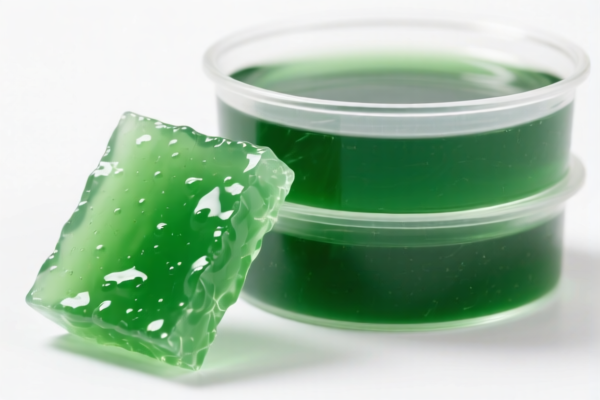
Product Images



AI Analysis
🌴 Industrial Grade Palm Oil Fatty Acid Mixture (棕榈油衍生的脂肪酸混合物)
🌐 HS Code Reference & Customs Clearance Guide | 2026 Latest Tariff Analysis | Professional Entry Strategy 📌 I. Product Definition & Classification: What Exactly Is "Palm Oil Fatty Acid Mixture"?
Palm Oil Fatty Acid Mixture is a key intermediate product derived from the hydrolysis and fractionation of crude palm oil. It consists primarily of saturated fatty acids (such as lauric, myristic, and palmitic acids) and is widely used in the soap, cosmetic, lubricant, and food processing industries.
In international trade, classification depends heavily on the specific chemical process, purity, and intended end-use:
- Refined Fatty Acids (HS 1518.00): Pure or mixed fatty acids obtained from palm oil, primarily used for industrial applications (soaps, detergents, lubricants). These are considered "vegetable fats and oils and their fractions" that have undergone significant chemical processing.
- Preparations of Fats/Oils (HS 1517.90): Mixtures or preparations of fats or oils (including fractionated products) that may contain additives or are formulated for specific uses (e.g., edible spreads, non-dairy creamers). If the mixture is classified as an "other prepared fat or oil," it falls here.
⚠️ Key Distinction Point: - If the product is pure fatty acid mixture derived directly from palm oil hydrolysis without further formulation into edible spreads or specific preparations → Classify under HS 1518.00. - If the product is a mixture/formulation containing palm oil fatty acids + other fats/oils + additives, often for edible or semi-edible purposes → Classify under HS 1517.90.
📦 II. HS Code Classification Details (2026 Latest Harmonized System)
| HS Code | Product Description | Application Scenario | Tax Complexity |
|---|---|---|---|
1518.00.40.00 |
Palm oil-derived fatty acid mixture, classified as vegetable oil fractions | Industrial-grade soaps, detergents, lubricants, technical oils | 🔴 High (25.5%) |
1517.90.20.80 |
Palm oil fatty acid mixture, classified as other prepared fats/oils | Non-specific hydrogenated fats, edible preparations, cosmetics blends | 🔴 High (25.5%) |
1518.00.20.00 |
Mixture of vegetable oil fractions, matching industrial-grade palm fatty acid characteristics | Industrial processing, biofuel feedstocks, technical applications | 🔴 High (6.3¢/kg + 17.5%) |
1517.90.90.90 |
Edible mixture or preparation made from fats/oils and their fractions | Food additives, margarine substitutes, non-specific hydrogenated oil | 🔴 High (8.8¢/kg + 17.5%) |
🔍 Key Reminder: - HS 1518.00 is for vegetable fat fractions (fatty acids themselves). - HS 1517.90 is for prepared fats/oils (mixtures or formulations). - Both categories are subject to significant additional tariffs due to trade policies (Section 301 & IEEPA).
💰 III. 2026 Latest Tariff Rate Breakdown (Including Additional Taxes & Policy Surcharges)
✅ Applicable Country: United States (US)
✅ Origin: China (CN)
✅ Effective Time: 2025 onwards (including all subsequent imports)
🎯 1. 1518.00.40.00 & 1517.90.20.80 —— Ad Valorem Tariff (25.5%)
| Item | Detail |
|---|---|
| Base Tariff | 8.0% (Ad Valorem) |
| Section 301 Surcharge | 7.5% (Additional tariff under US Trade Act Section 301) |
| IEEPA Surcharge (122 Clause) | 10% (Under International Emergency Economic Powers Act) |
| Total Effective Rate | 25.5% |
| Tax Calculation | CIF Value × 25.5% |
| De Minimis Exemption? | ❌ No (deny_de_minimis) |
| Legal Path | Base Tariff: 8.0% → Section 301: 7.5% → IEEPA 122: 10% |
📌 Explanation: - The base rate for these fatty acid mixtures is 8%. - A Section 301 surcharge of 7.5% applies to Chinese-origin goods in this category. - An additional 10% IEEPA surcharge (122 Clause) is imposed on certain agricultural and chemical products from China. - Total: 25.5%. This is a high-cost scenario for importers.
🎯 2. 1518.00.20.00 —— Mixed Tariff (Specific + Ad Valorem)
| Item | Detail |
|---|---|
| Specific Duty | 6.3¢/kg |
| Ad Valorem Base | Part of the 17.5% total effective rate |
| Section 301 Surcharge | 7.5% (Included in the 17.5% effective rate calculation) |
| IEEPA Surcharge (122 Clause) | 10% (Included in the 17.5% effective rate calculation) |
| Total Effective Rate | 6.3¢/kg + 17.5% |
| Tax Calculation | (Weight in kg × $0.063) + (CIF Value × 17.5%) |
| De Minimis Exemption? | ❌ No (deny_de_minimis) |
| Legal Path | Specific: 6.3¢/kg → Base+Surcharges: 17.5% |
📌 Note: - This classification often applies to specific industrial-grade fractions where a specific duty is added to the ad valorem rate. - The 17.5% includes the base tariff plus the 7.5% Section 301 and 10% IEEPA surcharges.
🎯 3. 1517.90.90.90 —— Mixed Tariff (Specific + Ad Valorem)
| Item | Detail |
|---|---|
| Specific Duty | 8.8¢/kg |
| Ad Valorem Base | Part of the 17.5% total effective rate |
| Section 301 Surcharge | 7.5% (Included in the 17.5% effective rate calculation) |
| IEEPA Surcharge (122 Clause) | 10% (Included in the 17.5% effective rate calculation) |
| Total Effective Rate | 8.8¢/kg + 17.5% |
| Tax Calculation | (Weight in kg × $0.088) + (CIF Value × 17.5%) |
| De Minimis Exemption? | ❌ No (deny_de_minimis) |
| Legal Path | Specific: 8.8¢/kg → Base+Surcharges: 17.5% |
📌 Note: - Applies to edible or semi-edible mixtures prepared from palm oil fractions. - The specific duty (8.8¢/kg) is higher than for industrial grades, reflecting the complexity of food-grade preparations.
🛠️ IV. Customs Clearance Practical Advice (Avoiding Pitfalls)
✅ 1. Required Documentation Checklist
| Document | Required? | Description |
|---|---|---|
| ✅ Product Specification Sheet | ✔️ | Must detail fatty acid composition (e.g., C12, C14, C16%), iodine value, saponification value. |
| ✅ Formula/Composition Report | ✔️ | Critical for distinguishing between HS 1518 (pure fractions) and HS 1517 (preparations/mixtures). |
| ✅ Certificate of Analysis (COA) | ✔️ | From third-party lab (e.g., SGS, Bureau Veritas) confirming purity and origin. |
| ✅ Commercial Invoice | ✔️ | Must clearly state: "Palm Oil Fatty Acid Mixture, HS Code: [Insert Code], Origin: China" |
| ✅ Bill of Lading / Packing List | ✔️ | Ensure weight matches the specific duty calculation (kg-based tariffs). |
| ✅ Origin Certificate | ✔️ | For proving Chinese origin; may affect eligibility for exemptions (if any). |
| ✅ IEEPA/Section 301 Compliance Statement | ✔️ | Confirm no re-export to circumvent tariffs. |
✅ 2. Declaration Tips (Key Mnemonics)
🔥 “Pure Fatty = 1518, Prepared Mix = 1517, Weight Matters for Specific Duty!”
| Scenario | Correct Declaration | Incorrect Action | Consequence |
|---|---|---|---|
| Industrial-grade pure fatty acids | 1518.00.40.00 or 1518.00.20.00 |
Declare as 1517.90.90.90 (Edible Prep) |
Overpayment or Audit Risk |
| Edible mixture with additives | 1517.90.90.90 |
Declare as 1518.00.40.00 (Industrial) |
Misclassification Penalty |
| Bulk shipment >1,000 kg | Ensure weight-based duty is calculated accurately | Ignore specific duty component | Underpayment & Penalties |
| Small sample <800 lbs | Still not eligible for de minimis | Assume $800 threshold applies | Seized or Back-taxed |
✅ 3. Special Cases Handling
| Situation | Handling Advice |
|---|---|
| Bifurcated Products (MCT + Fatty Acids) | If mixed with Caprylic/Capric Triglycerides, clarify if it’s a preparation (1517) or fraction (1518). |
| Hydrogenated vs. Non-Hydrogenated | Hydrogenation does not automatically change HS code, but additives may push it to 1517.90. |
| OEM Private Label | Provide formula sheet to Customs to prove composition. Avoid vague terms like “Oil Mixture.” |
| Transshipment via Third Country | Not recommended. US Customs tracks origin strictly. Re-labeling does not exempt from 25.5% tariffs. |
🌍 V. Global Market Comparison (2026 Latest)
| Country/Region | Recommended HS Code | Tariff Rate | Certification Required | Remarks |
|---|---|---|---|---|
| 🇺🇸 USA | 1518.00.40.00 / 1517.90.20.80 |
25.5% (Ad Valorem) or 6.3¢/kg + 17.5% | FDA Registration (if food-grade) | Highest tariffs; IEEPA + Section 301 apply. |
| 🇨🇳 China | 1518.00.40.00 |
~5-8% | ISO 22000 (if food) | Lower import duties; focus on quality compliance. |
| 🇪🇺 EU | 1518.00.00 |
0-10% | REACH, EFSA Approval | No Section 301/IEEPA, but strict chemical regulations. |
| 🇦🇺 Australia | 1518.00.00 |
~5% | FSANZ Standards | Moderate tariffs; no additional punitive taxes. |
| 🇯🇵 Japan | 1518.00.00 |
0-8% | JAS (if organic/food) | Stable tariff structure; no punitive surcharges. |
📌 Conclusion: - The US is the most expensive market for Chinese-origin palm oil fatty acid mixtures due to 25.5% total effective tariffs. - Europe and Asia offer more favorable tariff environments, but require strict chemical/food safety certifications. - Cost Optimization Strategy: Consider sourcing from non-China origins (e.g., Malaysia, Indonesia) to avoid IEEPA/Section 301 surcharges.
📌 VI. Common Mistakes & Pitfalls (Lessons Learned)
❌ Mistake 1: Confusing HS 1518 (pure fatty acids) with HS 1517 (preparations) 👉 Consequence: Misclassification leads to underpayment or overpayment, triggering audits.
❌ Mistake 2: Ignoring the specific duty (¢/kg) in mixed tariff codes (1518.00.20.00, 1517.90.90.90)
👉 Consequence: Underpayment because only ad valorem rate was calculated, ignoring weight-based charges.
❌ Mistake 3: Assuming de minimis ($800) applies to palm oil derivatives 👉 Consequence: Seizure or back-taxes with penalties. These goods are explicitly denied de minimis.
❌ Mistake 4: Using generic names like “Vegetable Oil Mixture” on invoices 👉 Consequence: Customs delay for further examination, leading to storage fees and demurrage.
✅ Correct Practice:
“Palm Oil Fatty Acid Mixture (Industrial Grade), CAS No.: [Insert CAS], HS Code: 1518.00.40.00, Origin: China, Net Weight: 1,000 kg, CIF Value: $X,XX”
🎯 VII. Conclusion: Precision in Classification, Savings in Cost
🎯 Key Takeaways:
🔹 “Pure Fatty = 1518, Prepared Mix = 1517” – Know your product’s chemical nature. 🔹 “25.5% is the US Reality” – Budget for Section 301 + IEEPA surcharges. 🔹 “No De Minimis for Palm Oil” – Even small shipments are fully taxed. 🔹 “Specific Duty Matters” – For mixed tariffs, calculate both ¢/kg and % rates.
📌 Pro Tip:
If your palm oil fatty acid mixture is used in food products, ensure FDA registration and GMP compliance. For industrial use, provide Safety Data Sheets (SDS) and Technical Data Sheets to expedite clearance.
📣 Immediate Action:
📞 Consult a licensed customs broker for HS Code pre-ruling. 📄 Prepare detailed composition reports to justify your classification. 🚀 Optimize supply chain: Consider non-China origins to mitigate 25.5% US tariffs.
✨ Professional Clearance Starts with Accurate Classification! 💼 Every Percent in Tariff is Money in Your Pocket – Spend Wisely!
Customer Reviews
About HS Code Classification
The Harmonized System (HS) is an internationally standardized nomenclature developed by the World Customs Organization (WCO) to classify traded products. Over 200 countries use the HS system as the basis for customs tariffs, trade statistics, and import/export regulations.
Each HS code follows a hierarchical structure:
- Chapter (2 digits) — Broad category of goods (e.g., Chapter 84: Machinery and Mechanical Appliances)
- Heading (4 digits) — More specific grouping within the chapter
- Subheading (6 digits) — Internationally standardized breakdown, used by all WCO member countries
- National subdivisions (8-10 digits) — Country-specific extensions for further classification, such as US HTSUS 10-digit codes
Correct HS code classification is essential for smooth customs clearance, accurate duty payment, and compliance with trade regulations. Misclassification can lead to customs delays, overpayment of duties, or penalties.
When importing from CN to US, the applicable tariff rates may include:
- Most-Favored-Nation (MFN) rate — The standard duty rate applied to WTO members
- General rate — Applied to countries without trade agreements
- Trade remedy duties — Additional tariffs such as Section 301 (anti-dumping), Section 232 (national security), or countervailing duties
The information provided on this page is for reference purposes only. For official classification, please consult with your local customs authority or a licensed customs broker.