Industrial Grade Plastic Synchronous Belt
CN → US| HS Code | Tariff Rate | Origin | Destination | Doc |
|---|---|---|---|---|
| 3926906010 | 39.2% | CN | US | Official Doc |
| 8431499084 | 85.0% | CN | US | Official Doc |
| 8431390010 | 35.0% | CN | US | Official Doc |
| 3926906010 | 39.2% | CN | US | Official Doc |
| 3926906010 | 39.2% | CN | US | Official Doc |
Product Images
AI Analysis
🏭 Industrial Grade Plastic Synchronous Belt (高强度塑料同步带)
🌐 HS Code Reference & Customs Clearance Guide | 2026 Latest Tariff Analysis | Professional Customs Strategy
📌 I. Product Definition & Classification: Do You Really Understand "Synchronous Belts"?
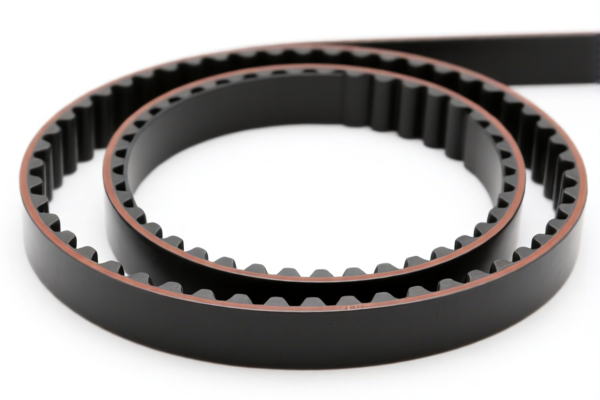
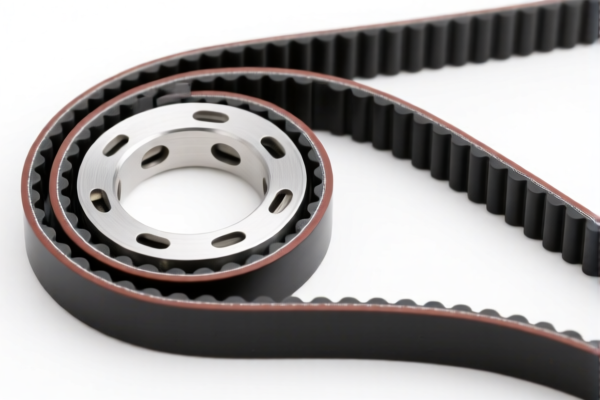
The Industrial Grade Plastic Synchronous Belt is a critical transmission component used in precision machinery, automation systems, and industrial conveyors. Unlike traditional V-belts, synchronous belts feature teeth on the inner surface that mesh with pulleys, ensuring zero slip and precise timing.
In international trade, these belts are primarily classified based on their material and specific application structure:
1. Plastic Synchronous Belts (Direct Fit):
Belts made predominantly of plastic/polymer materials designed specifically for synchronous transmission. These match the specific subheading for "Synchronous Belts" under plastics.
2. Plastic Conveyor Belts (General Machinery Parts):
Belts made of plastic used for general conveying or as parts of conveyor systems, where they do not strictly meet the definition of a "synchronous belt" in Chapter 39, but rather fall under machinery parts.
⚠️ Key Distinction Point:
- If the belt is explicitly designed for synchronous transmission (timing) and made of plastic → It falls under 3926.90.60.10 (Synchronous Belt).
- If the belt is a general conveyor belt or a part of a conveyor system (8431) → It falls under 8431.39.00.10 or 8431.49.90.84.
📦 II. HS Code Classification Details (2026 Latest Tariff Authority Comparison)
Based on the provided data, here are the potential HS Codes and their corresponding tax implications for Plastic Synchronous/Conveyor Belts imported from China to the US.
| HS Code | Product Description | Application Scenario | Primary Characteristic |
|---|---|---|---|
3926.90.60.10 |
Plastic Synchronous Belt | Precision transmission, automation equipment | Exact Match: Material is plastic, form is synchronous belt. |
8431.39.00.10 |
Part of Conveyor Systems | General industrial conveyor systems | Classified as a "Part" of machinery, not the belt itself as a standalone transmission element. |
8431.49.90.84 |
Other Machinery Parts (Catch-all) | Generic plastic conveyor belts | Fallback classification for plastic belts that don't fit specific subheadings. |
🔍 Critical Analysis:
-3926.90.60.10is the most accurate classification for products explicitly described as "Synchronous Belts" made of plastic. The summary states: "Fully consistent with classification explanation."
-8431.39.00.10applies if the belt is integrated into a larger conveyor system and declared as a "part."
-8431.49.90.84is a "catch-all" for other machinery parts, carrying a significantly higher tariff due to additional steel/aluminum surcharges mentioned in the data (though the product is plastic, the tariff detail includes "steel, aluminum, copper products surcharge: 50%", indicating a complex tariff structure or potential misclassification risk if not careful).
💰 III. 2026 Latest Tariff Rate Breakdown (Including Surcharges & Policy Add-ons)
✅ Applicable Country: United States (US)
✅ Origin: China (CN)
✅ Effective Time: Current 2026 Tariff Structure
🎯 1. 3926.90.60.10 —— Plastic Synchronous Belt (Recommended)
This code appears 4 times in the data, indicating high consensus and stability for this specific product type.
| Item | Content |
|---|---|
| Base Tariff | 4.2% |
| Section 301 Surcharge | +25.0% (USITC Footnote 9903.88.01) |
| 122 Clause Surcharge | +10.0% (Specific provision for this category) |
| Total Effective Rate | 39.2% |
| Tax Calculation | CIF Value × 39.2% |
| Legal Basis Path | Base Tariff → Section 301 (25%) → 122 Clause (10%) |
📌 Explanation:
- This is the standard and most recognized classification for plastic synchronous belts.
- The 39.2% rate is high but stable.
- Key Component: The 122 Clause adds 10%, and Section 301 adds 25%, on top of the 4.2% base.
🎯 2. 8431.39.00.10 —— Part of Conveyor Systems
| Item | Content |
|---|---|
| Base Tariff | 0.0% |
| Section 301 Surcharge | +25.0% |
| 122 Clause Surcharge | +10.0% |
| Total Effective Rate | 35.0% |
| Tax Calculation | CIF Value × 35.0% |
| Legal Basis Path | Base Tariff → Section 301 (25%) → 122 Clause (10%) |
📌 Explanation:
- Lower base tariff (0%) leads to a slightly lower total rate (35.0%) compared to 39.2%.
- However, this requires proving the item is a "Part of Conveyor Systems" rather than a standalone transmission belt. Misclassification here can lead to audits.
🎯 3. 8431.49.90.84 —— Other Machinery Parts (Catch-All)
| Item | Content |
|---|---|
| Base Tariff | 0.0% |
| Section 301 Surcharge | +25.0% |
| 122 Clause Surcharge | +10.0% |
| Steel/Aluminum/Copper Surcharge | +50.0% (⚠️ Note: Product is Plastic, but tariff detail lists this. Potential risk if misdeclared as metal-containing) |
| Total Effective Rate | 85.0% |
| Tax Calculation | CIF Value × 85.0% |
📌 Explanation:
- Extremely High Tax! 85.0% is prohibitive.
- The "50% surcharge for steel/aluminum/copper" is likely triggered if the customs system flags any metallic components or if the declaration is ambiguous.
- Avoid this code for pure plastic belts unless absolutely necessary and verified by a customs broker.
🛠️ IV. Customs Clearance Practical Advice (Battle-Tested Pitfall Avoidance)
✅ 1. Documentation Checklist (Non-negotiable)
| Document | Required | Description |
|---|---|---|
| ✅ Product Spec Sheet | ✔️ | Must explicitly state: "Plastic Material," "Synchronous Belt," "Tooth Profile," "Length/Width." |
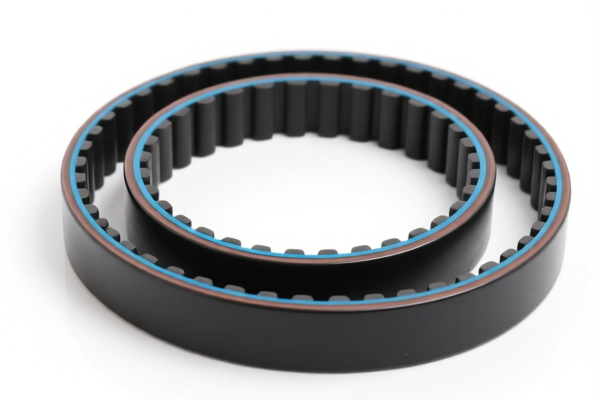
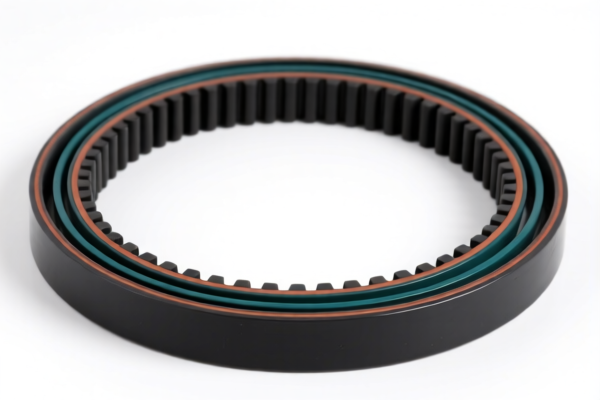
| ✅ Product Photos | ✔️ | Clear images showing teeth (synchronous feature) and material (no metal core). |
| ✅ Commercial Invoice | ✔️ | Use precise language: "Industrial Plastic Synchronous Belt" NOT just "Conveyor Belt." |
| ✅ Material Declaration | ✔️ | Confirm 100% Plastic to avoid the 50% metal surcharge attached to 8431.49.90.84. |
| ✅ HS Code Pre-Ruling | ✔️ | If volume is high, apply for an Advance Ruling to lock in 3926.90.60.10. |
✅ 2. Declaration Strategy (Key Mnemonics)
🔥 "Be Precise: 'Synchronous' is the Keyword, 'Plastic' is the Key!"
| Scenario | Correct Declaration | Risk of Error |
|---|---|---|
| High-precision transmission belt | 3926.90.60.10 (39.2%) |
If declared as "Conveyor Part" → 8431.39.00.10 (35%) or 8431.49.90.84 (85%) |
| General conveyor belt | 8431.39.00.10 (35%) |
Must prove it is part of a conveyor system. |
| Ambiguous "Belt" | Do NOT use 8431.49.90.84 |
85% Tax! Avoid at all costs. |
✅ 3. Special Handling Tips
| Situation | Advice |
|---|---|
| Belt with Metal Core? | If the plastic belt has a steel cord core, 3926.90.60.10 may be invalid. It might be classified under machinery parts or textiles, triggering different tariffs. |
| Mixed Shipment? | If shipping plastic synchronous belts with steel conveyor parts, separate declarations are mandatory to avoid cross-contamination of tariffs. |
| Origin Marking | Ensure products are clearly marked "Made in China" to apply the correct 301/122 surcharges. |
🌍 V. Global Market Comparison (2026 Latest)
| Country/Region | Recommended HS Code | Estimated Total Tax (China Origin) | Notes |
|---|---|---|---|
| 🇺🇸 USA | 3926.90.60.10 |
39.2% | High tariffs due to 301 + 122 clauses. |
| 🇨🇳 China | 3926.90.60.10 |
~5-7% | Low import tariff, no US surcharges. |
| 🇪🇺 EU | 3926.90.80 |
~0-4% | Lower tariffs, different classification system. |
| 🇦🇺 Australia | 3926.90.80 |
~5% | Moderate tariffs. |
📌 Conclusion:
- The US market is the most challenging due to the 39.2% effective rate.
- Cost Optimization: Ensure the HS Code is precisely3926.90.60.10to avoid the catastrophic 85.0% rate associated with8431.49.90.84.
📌 VI. Common Errors & Pitfalls (Blood & Tears Lessons)
❌ Error 1: Declaring "Plastic Synchronous Belt" as "Conveyor Belt" without specifying "Synchronous"
👉 Consequence: Customs may assign 8431.49.90.84 → 85% Tax!
❌ Error 2: Failing to confirm material purity
👉 Consequence: If any metal components are present, the 50% surcharge might apply → Tax explosion.
❌ Error 3: Using generic terms like "Drive Belt" or "Transmission Belt"
👉 Consequence: Ambiguity leads to manual inspection, delays, and potential reclassification.
✅ Correct Practice:
"Plastic Synchronous Belt, Industrial Grade, 100% Polymer, No Metal Core, Model XYZ, for Precision Automation."
🎯 VII. Conclusion: Precision Declaration, Cost Control, Smooth Clearance!
🎯 Remember the Golden Rule:
🔹 "Synchronous + Plastic = 39.2% (Safe)"
🔹 "Conveyor Part + Ambiguous = 85.0% (Disaster)"
🔹 "Be Specific, Stay Safe!"
📌 Pro Tip:
For large shipments, consider applying for a Section 301 Exclusion if your specific synchronous belt model is not manufactured in the US. This could reduce the 25% surcharge, bringing the total rate down to 14.2%.
📣 Immediate Action:
📞 Consult a licensed customs broker.
📄 Prepare detailed material composition reports.
🚀 Ensure your "Plastic Synchronous Belt" gets the correct 39.2% rate, not the 85% nightmare!
✨ Professional Customs Clearance Starts with Accurate Classification!
💼 Every Percentage Point Counts!
Customer Reviews
About HS Code Classification
The Harmonized System (HS) is an internationally standardized nomenclature developed by the World Customs Organization (WCO) to classify traded products. Over 200 countries use the HS system as the basis for customs tariffs, trade statistics, and import/export regulations.
Each HS code follows a hierarchical structure:
- Chapter (2 digits) — Broad category of goods (e.g., Chapter 84: Machinery and Mechanical Appliances)
- Heading (4 digits) — More specific grouping within the chapter
- Subheading (6 digits) — Internationally standardized breakdown, used by all WCO member countries
- National subdivisions (8-10 digits) — Country-specific extensions for further classification, such as US HTSUS 10-digit codes
Correct HS code classification is essential for smooth customs clearance, accurate duty payment, and compliance with trade regulations. Misclassification can lead to customs delays, overpayment of duties, or penalties.
When importing from CN to US, the applicable tariff rates may include:
- Most-Favored-Nation (MFN) rate — The standard duty rate applied to WTO members
- General rate — Applied to countries without trade agreements
- Trade remedy duties — Additional tariffs such as Section 301 (anti-dumping), Section 232 (national security), or countervailing duties
The information provided on this page is for reference purposes only. For official classification, please consult with your local customs authority or a licensed customs broker.