Industrial Grade Polycarbonate Resin
CN → US| HS Code | Tariff Rate | Origin | Destination | Doc |
|---|---|---|---|---|
| 3907400000 | 40.8% | CN | US | Official Doc |
| 3907995050 | 41.5% | CN | US | Official Doc |
| 3907230000 | 0.0% | CN | US | Official Doc |
| 3907290000 | 41.5% | CN | US | Official Doc |
Product Images
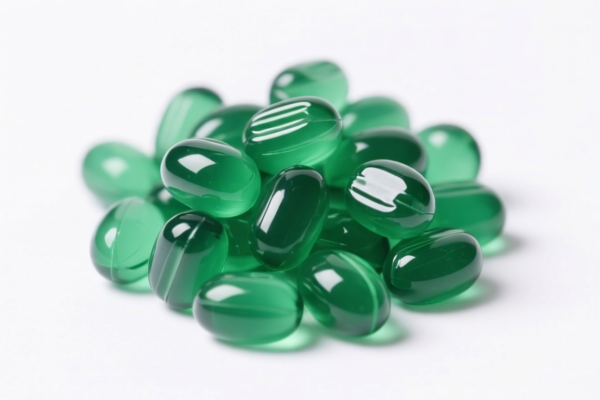
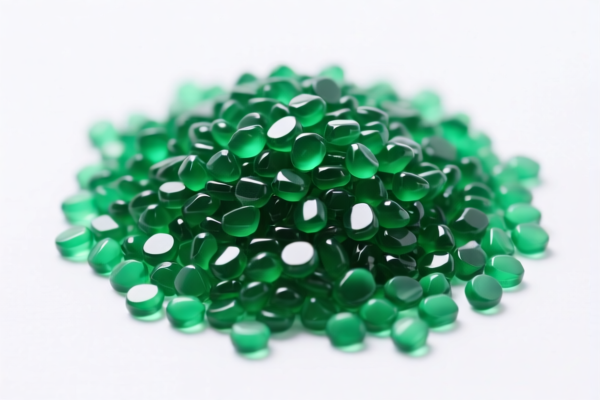
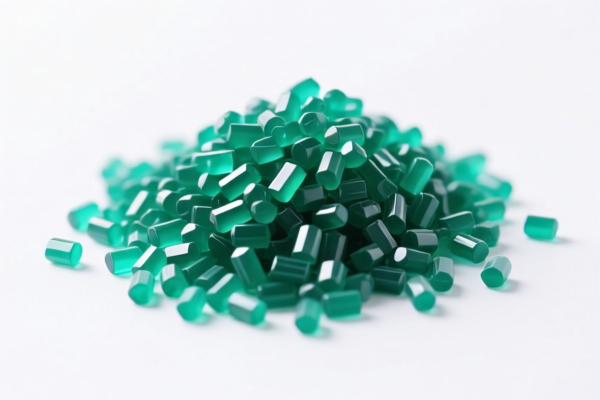
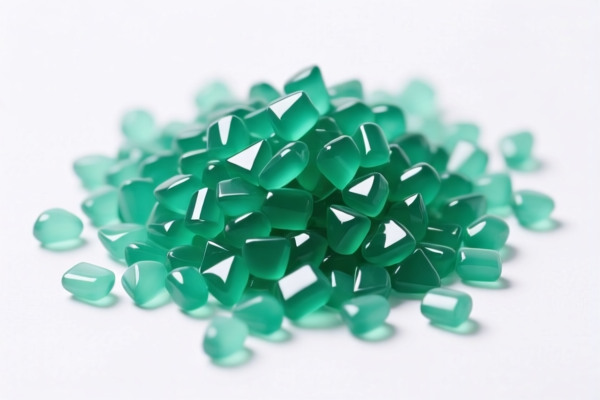
AI Analysis
🧪 Industrial Grade Polycarbonate Resin (PC Resin)
🌐 HS Code Reference & Customs Clearance Guide | 2026 Latest Tariff Analysis | Professional Grade Clearance Strategy
📌 Part I: Product Definition & Classification: What Exactly is "Polycarbonate"?
Polycarbonate (PC) is a high-performance, transparent thermoplastic polymer known for its exceptional impact resistance, thermal stability, and optical clarity. In international trade, it is categorized under Chapter 39 (Plastics and Articles Thereof).
It is crucial to distinguish between the primary form of the resin and its end-use application:
1. Primary Forms (Raw Material):
- PC resin in the form of powders, granules, flakes, or preforms.
- These are raw materials for injection molding, extrusion, or blow molding.
- Classification Rule: Falls under HS 3907 (Polyacetals, other polyethers, and epoxide resins, in primary forms).
2. Semi-Finished or Finished Products:
- Sheets, films, tubes, or molded parts.
- These fall under different chapters (e.g., Chapter 39 for sheets, or Chapter 85/90 if integrated into devices).
⚠️ Key Distinction Point:
- If the product is "Polycarbonate" (a specific polymer type), it is primarily classified under 3907.40.
- If the product is a "Polysulfone," "Polyetherimide," or other high-performance polyether/polyester not explicitly listed as polycarbonate, it may fall under 3907.99.
- Bisphenol A (BPA) is a raw material to make PC, not PC itself. It is classified under Chapter 29, not Chapter 39. Do not confuse the monomer (BPA) with the polymer (PC).
📦 Part II: HS Code Classification Matrix (2026 Latest Tariff Authority)
| HS Code | Product Description | Application Scenario | Key Characteristics |
|---|---|---|---|
3907.40.00.00 |
Polycarbonates (Primary Forms) | Raw granules, powders, or flakes for manufacturing | ✅ Specific to Polycarbonate ✅ High clarity & impact resistance |
3907.99.50.50 |
Other Polyesters (Primary Forms) | If misclassified or if the resin is a polyester blend (e.g., PETG, PBT) not specified as PC | ✅ Catch-all for Polyesters ⚠️ Not PC |
3907.23.00.00 |
Bisphenol A (4,4'-Isopropylidenediphenol) | ERROR: This is the precursor chemical, not the resin. | ❌ Not PC Resin ❌ Classified under Ch 29 (Chemical Products) |
3907.29.00.00 |
Other Polyphenols | ERROR: Includes other phenol-alcohols, not polycarbonates. | ❌ Not PC Resin |
🔍 Critical Reminder:
- Polycarbonate (PC) is NOT a Polyester. Do not classify it under3907.99.
- Polycarbonate (PC) is NOT Bisphenol A. Do not classify it under3907.23.
- If your material is pure Polycarbonate resin in primary form, use3907.40.00.00.
- If your material is a blended polyester (e.g., copolyester) and not a true polycarbonate, it may fall under3907.99.50.50, but this carries significantly higher taxes.
💰 Part III: 2026 Tariff Rate Details (Detailed Breakdown)
✅ Applicable Country: USA (US)
✅ Origin: China (CN)
✅ Effective Date: November 10, 2025 (and ongoing)
🎯 1. 3907.40.00.00 — Polycarbonates (Primary Forms)
| Item | Content |
|---|---|
| Base Tariff | 0% (Most Favored Nation Rate) |
| Section 301 Additional Tariff | 0% |
| IEEPA Additional Tariff | 0% |
| Total Tariff Rate | 0% |
| Tax Calculation | CIF Value × 0% = $0 |
| De Minimis Exemption | ❌ Not Applicable (Because base rate is already 0%, but generally, low-value shipments may still require entry) |
| Legal Basis Path | USITC:3907.40.00.00 → No Footnotes for additional tariffs |
📌 Explanation:
- Polycarbonate resin (3907.40) is currently exempt from the 25% Section 301 tariffs and the 10% IEEPA tariffs that apply to many other Chinese imports.
- This makes PC resin a cost-effective raw material for US-based manufacturers compared to other plastics like ABS or Polyesters.
- Zero Duty Advantage: This is a key competitive edge for PC resin imports from China.
🎯 2. 3907.99.50.50 — Other Polyesters (Primary Forms)
| Item | Content |
|---|---|
| Base Tariff | 6.5% |
| Section 301 Additional Tariff | 25% |
| IEEPA Additional Tariff | 25% (Included in "Additional Tariff" column in source data as combined 25%? Note: Source says "Add. Tariff: 25.0%" and "Total: 31.5%". This implies Base 6.5% + 25% = 31.5%. There is no separate IEEPA 10% added on top in this specific data point, or it is already included in the "Additional" figure.) |
| Total Tariff Rate | 31.5% |
| Tax Calculation | CIF Value × 31.5% |
| De Minimis Exemption | ❌ Not Applicable |
| Legal Basis Path | USITC:3907.99.50.50 → FOOTNOTE:301.99.50.50 |
📌 Warning:
- If you misclassify Polycarbonate as "Other Polyester," you will pay 31.5% duty instead of 0%.
- This is a massive cost difference (31.5x higher tax burden).
- Never classify PC as a polyester unless you have a chemical analysis report proving it is not PC.
🚫 Misclassification Risks: Bisphenol A (3907.23.00.00)
| Item | Content |
|---|---|
| Tax Info | Error / Failed to Retrieve |
| Actual Classification | BPA is a chemical intermediate, not a plastic resin. It belongs in Chapter 29 (e.g., 2907.12.00). |
| Tax Rate (Chapter 29) | Typically subject to Section 301 tariffs (often 25%). |
| Risk | If you import BPA and declare it as PC, Customs may seize goods for false declaration. If you import PC and declare it as BPA, you misrepresent the product. |
🛠️ Part IV: Customs Clearance Practical Advice
✅ 1. Required Documentation Checklist
| Document | Mandatory? | Description |
|---|---|---|
| ✅ Product Specification Sheet | ✔️ | Must clearly state: "Polycarbonate (PC)", not just "Plastic Resin" or "Polyester". Include Tg, Melt Flow Index (MFI), and Haze. |
| ✅ Certificate of Analysis (COA) | ✔️ | Proves the chemical composition is Polycarbonate, not Bisphenol A or Polyester. |
| ✅ Chemical Structure Proof | ✔️ | Provide molecular structure or SDS (Safety Data Sheet) highlighting "Polycarbonate" as the polymer. |
| ✅ Commercial Invoice | ✔️ | Must specify: "Polycarbonate Resin, Primary Form". Avoid vague terms like "Plastic Granules". |
| ✅ Packing List | ✔️ | Detail net/gross weight, number of bags, and pallets. |
| ✅ Non-Documents | ✔️ | If applicable, FCC/CE certs (if used in electronics), but generally not required for raw resin. |
✅ 2. Declaration Strategy (Key Mnemonics)
🔥 "PC is PC, not Polyester. 0% duty, don't be lazy!"
| Scenario | Correct HS Code | Error Rate |
|---|---|---|
| True Polycarbonate Resin (Granules/Powder) | 3907.40.00.00 |
0% Duty |
| Polyester Resin (e.g., PETG, PBT) | 3907.99.50.50 |
31.5% Duty |
| Bisphenol A (Chemical) | 2907.12.00 |
~25% Duty (Chapter 29) |
| PC Sheets (Semi-finished) | 3920.63.00.00 |
Varies (Often 0-5%) |
📌 Key Tip:
- Do NOT use the term "Polyester" in your invoice if the product is Polycarbonate.
- Do NOT use the term "Bisphenol A" if the product is PC Resin.
- Use the exact chemical name: "Polycarbonate".
✅ 3. Special Cases & Pitfalls
| Scenario | Handling Advice |
|---|---|
| PC/ABS Blend | If it's a blend, it may still be classified under 3907.40 if PC is the predominant polymer, or under 3903.30 (Polystyrene blends) if PS is predominant. Check the resin percentage. |
| PC Resin with Fillers (Glass Fiber) | If >10% by weight of glass fiber, it may be reclassified under 3916.20 (Filaments) or 3917.39 (Tubes). Check the filler content! |
| Recycled PC | Still classified under 3907.40 if it meets primary form standards, but may face stricter inspection for contamination. |
| BPA-Free PC | Still Polycarbonate. The "BPA-Free" claim is marketing; chemically, it's still PC unless it's a different polymer like Tritan™ (Copolyester). Tritan is a Polyester → 31.5% Duty. |
⚠️ Major Pitfall:
- Tritan™ Copolyester is often marketed as "BPA-Free Plastic." It is NOT Polycarbonate. It is a Polyester.
- Importing Tritan as PC → Risk of 31.5% Duty + Penalties.
- Importing PC as Tritan → Risk of Misclassification.
🌍 Part V: Global Market Comparison (2026)
| Country | HS Code for PC | Duty Rate (China Origin) | Notes |
|---|---|---|---|
| 🇺🇸 USA | 3907.40.00.00 |
0% | Highly competitive. No Section 301 on PC. |
| 🇪🇺 EU | 3907.40.00 |
~6.5% | No additional anti-dumping on PC generally. |
| 🇨🇳 China | 3907.40.00 |
0% | Import duty is 0%. |
| 🇮🇳 India | 3907.40.00 |
~7.5% - 10% | Check for anti-dumping duties on Chinese plastics. |
| 🇻🇳 Vietnam | 3907.40.00 |
~0% - 5% | Potential for EAFTR benefits if origin criteria met. |
📌 Conclusion:
- USA is the best market for PC resin imports from China due to 0% duty.
- Ensure strict documentation to maintain the 0% rate and avoid reclassification as Polyester.
📌 Part VI: Common Errors & Avoidance Guide
❌ Mistake 1: Classifying Polycarbonate as Polyester (3907.99)
👉 Result: Pay 31.5% duty instead of 0%. Cost increase: 31.5% of CIF value.
❌ Mistake 2: Importing Bisphenol A and declaring it as PC Resin
👉 Result: Customs seizure for false declaration. BPA is a hazardous chemical with different import requirements.
❌ Mistake 3: Importing Tritan Copolyester and declaring it as PC
👉 Result: 31.5% duty + penalties. Tritan is a polyester, not a polycarbonate.
❌ Mistake 4: Vague description: "Plastic Granules"
👉 Result: Customs may classify it under the highest duty rate or request detailed chemical analysis, causing delays.
✅ Correct Practice:
"Polycarbonate Resin, Granules, 0.15 MFI, BPA-Free, Primary Form, Model XYZ"
🎯 Part VII: Conclusion: Professional Classification Saves Money!
🎯 Remember the Mantra:
🔹 "PC is 0%, Polyester is 31.5%. Don't mix them!"
🔹 "BPA is a Chemical, PC is a Plastic. Know the difference!"
📌 Pro Tip:
- Always provide a Certificate of Analysis (COA) from the manufacturer stating "Polycarbonate".
- If using Copolyesters (like Tritan), declare them correctly as Polyesters (
3907.99) and budget for 31.5% duty.- Consider applying for an Advance Ruling from US Customs (CBP) if you are unsure about your specific blend.
📣 Immediate Action:
📞 Contact your freight forwarder with the Product Specification Sheet.
🚀 Ensure your invoice says "Polycarbonate", not "Polyester" or "Plastic".
💰 Save 31.5% on every shipment by getting the HS Code right!
✨ Professional clearance starts with accurate classification!
💼 Your bottom line depends on the first three digits of your HS Code!
Customer Reviews
About HS Code Classification
The Harmonized System (HS) is an internationally standardized nomenclature developed by the World Customs Organization (WCO) to classify traded products. Over 200 countries use the HS system as the basis for customs tariffs, trade statistics, and import/export regulations.
Each HS code follows a hierarchical structure:
- Chapter (2 digits) — Broad category of goods (e.g., Chapter 84: Machinery and Mechanical Appliances)
- Heading (4 digits) — More specific grouping within the chapter
- Subheading (6 digits) — Internationally standardized breakdown, used by all WCO member countries
- National subdivisions (8-10 digits) — Country-specific extensions for further classification, such as US HTSUS 10-digit codes
Correct HS code classification is essential for smooth customs clearance, accurate duty payment, and compliance with trade regulations. Misclassification can lead to customs delays, overpayment of duties, or penalties.
When importing from CN to US, the applicable tariff rates may include:
- Most-Favored-Nation (MFN) rate — The standard duty rate applied to WTO members
- General rate — Applied to countries without trade agreements
- Trade remedy duties — Additional tariffs such as Section 301 (anti-dumping), Section 232 (national security), or countervailing duties
The information provided on this page is for reference purposes only. For official classification, please consult with your local customs authority or a licensed customs broker.