Industrial Grade Regenerated Rubber Radial Tire
CN → US| HS Code | Tariff Rate | Origin | Destination | Doc |
|---|---|---|---|---|
| 4012194000 | 39.0% | CN | US | Official Doc |
| 4016996010 | 37.5% | CN | US | Official Doc |
| 4012909000 | 37.7% | CN | US | Official Doc |
Product Images
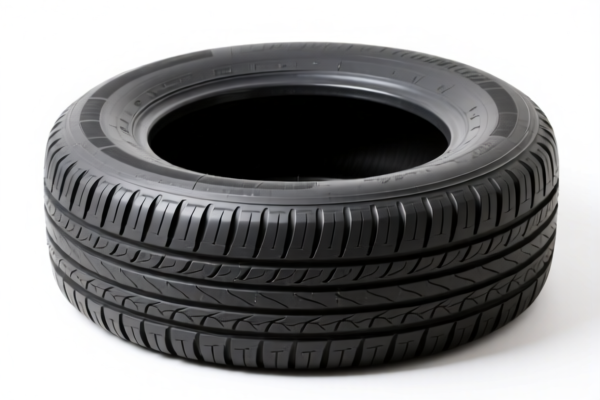
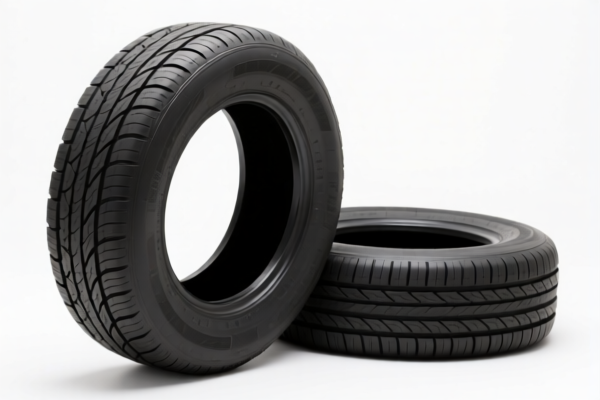
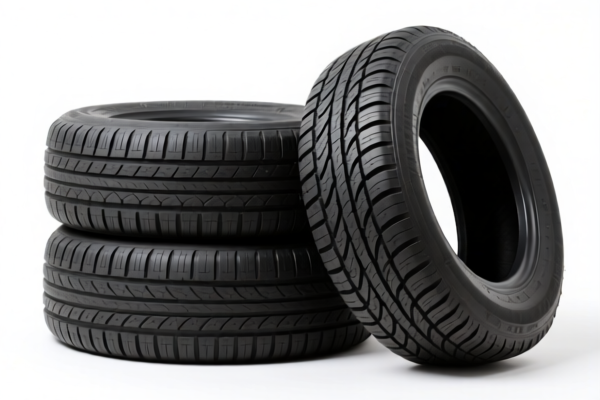
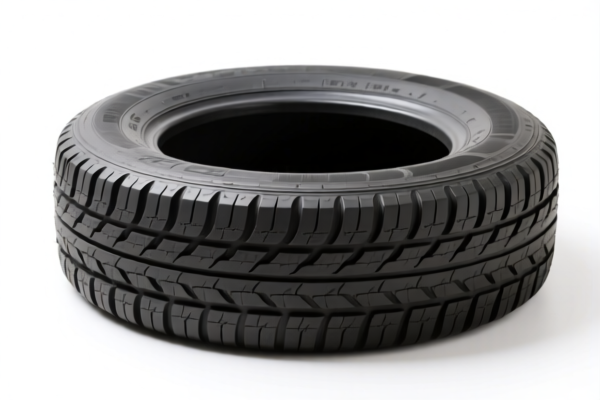
AI Analysis
🚗 Industrial Grade Regenerated Rubber Radial Tire
🌐 HS Code Reference & Customs Clearance Guide | 2026 Latest Tariff Analysis | Professional Entry Strategy
📌 I. Product Definition & Classification: Do You Really Understand "Regenerated Rubber Radial Tires"?
Industrial Grade Regenerated Rubber Radial Tires are specialized tires used in heavy-duty, off-road, or industrial machinery applications. They are distinct from standard passenger vehicle tires due to their material composition ("Regenerated Rubber") and structural design ("Radial"). In international trade, precise classification is critical because the material source (regenerated vs. virgin rubber) and the tire type (retreaded, solid, or pneumatic radial) determine the applicable tariff rates, often resulting in significantly different tax liabilities.
⚠️ Key Classification Distinctions:
- "Radial" vs. "Bias-Ply": Radial tires have carcass plies running at 90° to the direction of travel. Misclassifying as bias-ply leads to wrong codes (e.g., 4012.11).
- "Regenerated Rubber" vs. "Solid Rubber": If the tire is a pneumatic tire made from regenerated rubber, it falls under Chapter 40 (Rubber Articles). If it is a solid industrial wheel/tire insert, it might fall under 4016.99.
- "Tire" vs. "Tread/Rim": Ensure the product is a complete tire. If it is only a rubber tread or rim protector, it falls under 4012.90 (Other rubber goods).
📦 II. HS Code Classification Details (2026 Latest Tariff Authority Comparison)
Based on the provided data, three potential HS Codes have been identified for "Industrial Grade Regenerated Rubber Radial Tire." The selection depends on the specific physical state (pneumatic vs. solid) and the exact definition of "regenerated."
| HS Code | Product Description | Applicability Scenario | Key Matching Logic |
|---|---|---|---|
4012.19.40.00 |
Retreaded Pneumatic Tires (Other than of rubber or cellular rubber) | Highest Match: Explicitly covers "Regenerated Rubber" (Retreaded) and "Radial" tires. | Summary: "Regenerated Rubber" corresponds to "Retreaded"; "Radial" matches the tire structure. Material and form fully comply. |
4016.99.60.10 |
Other Rubber Articles (Sulfurated Rubber Parts) | Alternative: If the item is considered a "solid rubber part" or "mechanical part" rather than a pneumatic tire. | Summary: Material "Regenerated Rubber" fits "Sulfurized Rubber"; Form "Tire" is inferred as a rubber product for automotive machinery parts. |
4012.90.90.00 |
Other Retreaded Tires & Other Rubber Tire Goods | Broad Category: Covers rubber tires/treads not specified elsewhere. | Summary: Material "Regenerated Rubber" and form "Tire" fit the category of "Rubber-made" goods, specifically falling into this residual category. |
🔍 Critical Note:
-4012.19.40.00is likely the most accurate for pneumatic tires made from regenerated rubber (retreads), as it specifically addresses the "regenerated" aspect via the "retread" classification.
-4016.99.60.10implies the item might be a solid rubber tire or a component part, not a pneumatic tire. This is a common misclassification if the "tire" is actually a solid industrial wheel insert.
-4012.90.90.00is a fallback if the tire is neither clearly a retread nor a standard pneumatic tire, or if it includes non-rubber components that shift it to "Other Rubber Articles."
💰 III. 2026 Latest Tariff Rate Breakdown (Including Surcharges & Policy Add-ons)
✅ Applicable Country: United States (US)
✅ Origin: China (CN)
✅ Effective Date: Post-November 10, 2025 (Including subsequent imports)
🎯 1. 4012.19.40.00 — Retreaded Pneumatic Tires (Regenerated Rubber)
| Item | Content |
|---|---|
| Base Rate | 4.0% (ad valorem) |
| Section 301 Surcharge | +25.0% (Additional duties under USITC Footnote 9903.88.01) |
| 122 Clause Tariff | +10.0% (Specific tariff provision, likely referring to specific industrial goods surcharge) |
| Total Tariff Rate | 39.0% |
| Tax Calculation | CIF Value × 39.0% |
| De Minimis Exemption | ❌ Not Eligible (deny_de_minimis) |
| Legal Basis Path | USITC:4012.19.40.00 → SECTION301:9903.88.01 → 122CLAUSE:10% |
📌 Explanation:
- This is the most direct match for "Regenerated Rubber" tires, as "regenerated" in customs terminology usually refers to retreaded tires or those using recycled rubber compounds.
- The 39% total rate is extremely high due to the cumulative effect of the base duty, the Section 301 25% surcharge, and the additional 10% clause.
- Strategic Implication: This tariff structure heavily discourages importing high-value retreaded tires from China unless there is a specific duty exemption or alternative sourcing.
🎯 2. 4016.99.60.10 — Other Rubber Articles (Sulfurized)
| Item | Content |
|---|---|
| Base Rate | 2.5% (ad valorem) |
| Section 301 Surcharge | +25.0% |
| 122 Clause Tariff | +10.0% |
| Total Tariff Rate | 37.5% |
| Tax Calculation | CIF Value × 37.5% |
| De Minimis Exemption | ❌ Not Eligible (deny_de_minimis) |
| Legal Basis Path | USITC:4016.99.60.10 → SECTION301:9903.88.01 → 122CLAUSE:10% |
📌 Explanation:
- This code is used if the product is not classified as a "tire" in the traditional sense but rather as a "rubber part" or "solid rubber item."
- The rate is slightly lower (37.5% vs. 39.0%) due to a lower base duty (2.5% vs. 4.0%).
- Risk: If Customs determines the item is actually a pneumatic tire, they will reclassify it to4012.19.40.00, leading to back-taxes and penalties.
🎯 3. 4012.90.90.00 — Other Retreaded Tires/Rubber Goods
| Item | Content |
|---|---|
| Base Rate | 2.7% (ad valorem) |
| Section 301 Surcharge | +25.0% |
| 122 Clause Tariff | +10.0% |
| Total Tariff Rate | 37.7% |
| Tax Calculation | CIF Value × 37.7% |
| De Minimis Exemption | ❌ Not Eligible (deny_de_minimis) |
| Legal Basis Path | USITC:4012.90.90.00 → SECTION301:9903.88.01 → 122CLAUSE:10% |
📌 Explanation:
- This is a residual category for rubber tires/goods not specified in4012.11(Bias) or4012.19(Radial/Other).
- It is used if the "regenerated" aspect is not explicitly defined as "retread" in the customs database, or if the tire has unique characteristics not covered by the primary radial codes.
- The rate (37.7%) is intermediate between the other two options.
🛠️ IV. Customs Clearance Practical Advice (Battle-Tested Pitfall Avoidance)
✅ 1. Required Documentation Checklist (Non-Negotiable)
| Document | Must Provide | Explanation |
|---|---|---|
| ✅ Product Specification Sheet | ✔️ | Must clearly state: "Regenerated Rubber," "Radial Construction," "Industrial Application." |
| ✅ Material Composition Report | ✔️ | Third-party lab report confirming the percentage of "regenerated" vs. "virgin" rubber. |
| ✅ Product Photos (Labeled) | ✔️ | Clear images of the sidewall (showing "RADIAL" marking), tread, and any industrial markings. |
| ✅ Commercial Invoice | ✔️ | Description must match the HS Code: "Industrial Radial Tire, Regenerated Rubber." Avoid vague terms like "Rubber Part." |
| ✅ Certificate of Origin (CO) | ✔️ | Essential for verifying origin (China) to apply the correct surcharges. |
| ✅ Packing List | ✔️ | Detail weight and dimensions to verify CIF value accuracy. |
✅ 2. Declaration Strategy (Key Mantras)
🔥 “Radial Must Be Stated, Regenerated Must Be Proven, Tire Form Must Be Clear!”
| Scenario | Correct Declaration | Wrong Practice |
|---|---|---|
| Pneumatic Tire | Use 4012.19.40.00. Explicitly state "Radial Tire" and "Regenerated Rubber/Retread." |
Misdeclaring as "Rubber Part" (4016) to save 1.5% → High risk of audit & penalties. |
| Solid Rubber Wheel | Use 4016.99.60.10. State "Solid Industrial Tire" or "Rubber Wheel Insert." |
Declaring as "Pneumatic Tire" → Incorrect classification. |
| Tire Tread Only | Use 4012.90.90.00 or 4012.11/19 depending on structure. |
Declaring as a full tire → Over-declaration. |
✅ 3. Special Handling Cases
| Case | Handling Advice |
|---|---|
| "Regenerated" Ambiguity | If the rubber is 100% virgin but marketed as "industrial grade," do not use "Regenerated." Use standard tire codes (e.g., 4011.20.00) which may have different tariff structures. |
| Mixed Shipments | If a shipment contains both pneumatic and solid tires, declare them separately with different HS Codes. Mixed declarations will trigger a full audit. |
| Duty Drawback | If the tires are later exported or destroyed, explore Duty Drawback programs, though with a 39% rate, recovery is partial. |
| Pre-Ruling Request | Given the high tariffs and ambiguity between 4012 and 4016, strongly recommend filing a Binding Ruling Request with CBP before shipment. |
🌍 V. Global Market Clearance Comparison (2026 Latest)
| Country/Region | Recommended HS Code | Tariff Rate | Certification Requirements | Notes |
|---|---|---|---|---|
| 🇺🇸 USA | 4012.19.40.00 |
39.0% | DOT, EPA (if applicable) | Highest cost due to 35% total surcharges. |
| 🇨🇳 China | 4012.19.40.00 |
~5-10% | CCC (if applicable) | Lower base duty, no Section 301. |
| 🇪🇺 EU | 4012.10.00 |
~4-14% | CE, REACH | No additional "122 Clause" surcharge. |
| 🇦🇺 Australia | 4012.10.00 |
~5% | ADR (if transportable) | Generally favorable trade terms. |
📌 Conclusion:
- The US is the most challenging market for imported regenerated rubber tires due to the 39% effective tariff rate.
- China, EU, and Australia offer significantly more favorable duty structures.
- Strategic Recommendation: For the US market, consider sourcing from countries with Free Trade Agreements (FTAs) (e.g., Mexico under USMCA) if the tires can be manufactured or significantly transformed there to avoid the Section 301 surcharges.
📌 VI. Common Errors & Pitfall Guide (Lessons from Blood and Tears)
❌ Error 1: Calling "Regenerated Rubber" tires "Solid Rubber Tires" to access 4016 codes.
👉 Consequence: If Customs inspects and finds pneumatic structure (air chamber), they will reclassify to 4012.19.40.00 → Back taxes + 25% penalty.
❌ Error 2: Ignoring the "122 Clause" surcharge.
👉 Consequence: Underestimating landed cost by 10% → Margin erosion.
❌ Error 3: Using vague descriptions like "Industrial Tire" without specifying "Radial" or "Regenerated."
👉 Consequence: Customs may assign a higher default rate or hold shipment for classification review → Delay in release.
✅ Correct Practice:
“Radial Pneumatic Tire, Industrial Grade, Made from Regenerated Rubber Compound, 20.5-25 Size, DOT Certified, Model XYZ”
🎯 VII. Conclusion: Precision in Classification Saves Millions!
🎯 Remember the Mantra:
🔹 “Radial + Regenerated = 4012.19.40.00 (39% Total)”
🔹 “Solid Rubber Part = 4016.99.60.10 (37.5% Total)”
🔹 “Misclassification = Audit + Penalty + Delay!”
📌 Pro Tip:
If your tires are pneumatic, 4012.19.40.00 is the safest and most accurate code.
If you are unsure, apply for a CBP Binding Ruling. The small cost of the ruling is negligible compared to the risk of a 39% tariff error.
📣 Immediate Action:
📞 Contact your customs broker to verify the "Regenerated" status.
📄 Provide the Material Safety Data Sheet (MSDS) and Composition Report.
🚀 Ensure your commercial invoice explicitly states "Radial" and "Regenerated" to avoid ambiguity.
✨ Professional clearance starts with precise classification!
💼 Every percentage point of tariff impacts your bottom line!
Customer Reviews
About HS Code Classification
The Harmonized System (HS) is an internationally standardized nomenclature developed by the World Customs Organization (WCO) to classify traded products. Over 200 countries use the HS system as the basis for customs tariffs, trade statistics, and import/export regulations.
Each HS code follows a hierarchical structure:
- Chapter (2 digits) — Broad category of goods (e.g., Chapter 84: Machinery and Mechanical Appliances)
- Heading (4 digits) — More specific grouping within the chapter
- Subheading (6 digits) — Internationally standardized breakdown, used by all WCO member countries
- National subdivisions (8-10 digits) — Country-specific extensions for further classification, such as US HTSUS 10-digit codes
Correct HS code classification is essential for smooth customs clearance, accurate duty payment, and compliance with trade regulations. Misclassification can lead to customs delays, overpayment of duties, or penalties.
When importing from CN to US, the applicable tariff rates may include:
- Most-Favored-Nation (MFN) rate — The standard duty rate applied to WTO members
- General rate — Applied to countries without trade agreements
- Trade remedy duties — Additional tariffs such as Section 301 (anti-dumping), Section 232 (national security), or countervailing duties
The information provided on this page is for reference purposes only. For official classification, please consult with your local customs authority or a licensed customs broker.