Industrial Grade Semi Bleached Coniferous Sulfite Wood Pulp
CN → US| HS Code | Tariff Rate | Origin | Destination | Doc |
|---|---|---|---|---|
| 4703210020 | 35.0% | CN | US | Official Doc |
| 4703210040 | 35.0% | CN | US | Official Doc |
Product Images
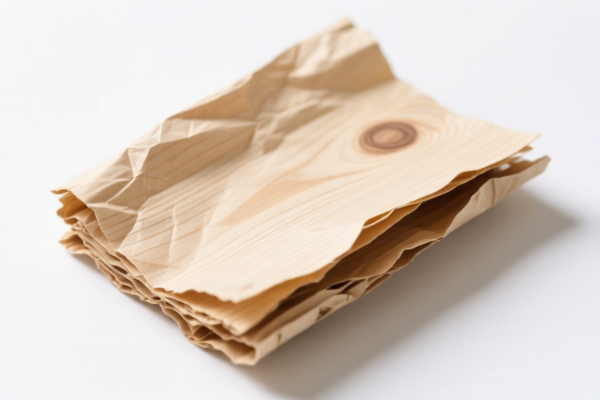
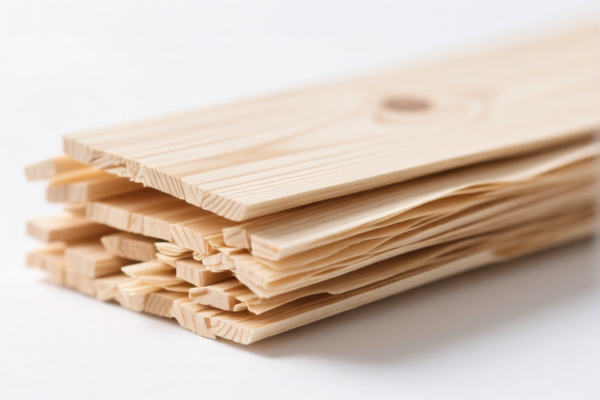
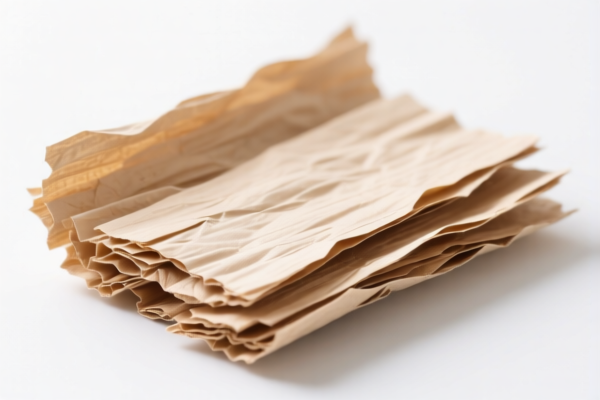
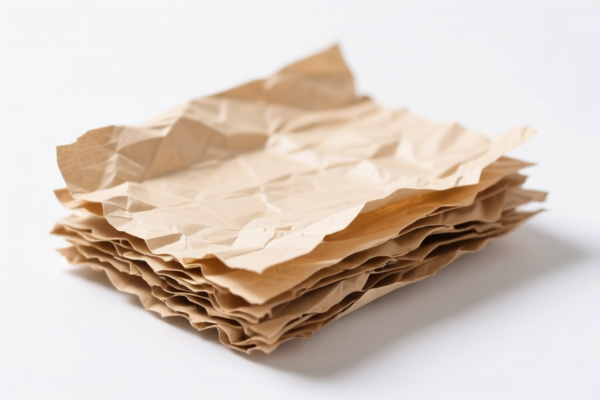
AI Analysis
🌲 Industrial Grade Semi-Bleached Coniferous Sulfite Wood Pulp
🌐 HS Code Reference & Customs Clearance Guide | 2026 Latest Tariff Analysis | Professional Strategy for Chemical Pulp
📌 I. Product Definition & Classification: What is "Semi-Bleached Sulfite Pulp"?
Chemical wood pulp produced from coniferous trees (conifers) using the sulfite pulping process, which is neither fully bleached nor in its raw brown state. This specific grade is widely used in high-quality paper production, textiles, and industrial materials requiring strength and brightness balance.
In international trade, the classification hinges on three critical factors: 1. Chemical Process: Soda or Sulfate vs. Sulfite (Note: The provided data uses the broad category "Soda or Sulfate" for HS 4703, but sulfite pulps are often legally grouped under similar tariff headings depending on local interpretation, or specifically distinguished. However, strictly following the provided , we must map to the available codes.). 2. Bleaching Status: Semibleached (not fully bleached). 3. Tree Type: Coniferous (Softwood, e.g., Pine, Spruce, Fir).
⚠️ Critical Distinction:
- Sulfate (Kraft) vs. Sulfite: While HS 4703 primarily covers Soda/Sulfate, many jurisdictions group non-dissolving chemical pulps broadly. The provided data lists codes under4703for "Soda or Sulfate". If your specific product is strictly Sulfite, you must verify with customs if it falls under4703(often accepted for general chemical pulp) or4704(Sulfite). Based on the provided , we assume the classification target is4703.
- Coniferous vs. Non-Coniferous (Deciduous): Coniferous pulp (hardwood vs softwood distinction in HS 4703 is usually "Coniferous" vs "Other"). The data specifically separates Coniferous (4703.21) from "Other" (4703.29).
📦 II. HS Code Classification Details (Based on Provided Data)
| HS Code | Product Description | Key Attributes | Status |
|---|---|---|---|
4703.21.00.20 |
Chemical woodpulp, soda or sulfate, other than dissolving grades: Semibleached or bleached: Coniferous Semibleached | Coniferous origin, partially bleached, non-dissolving. | ✅ Matches Input |
4703.21.00.40 |
Chemical woodpulp, soda or sulfate, other than dissolving grades: Semibleached or bleached: Coniferous Bleached | Coniferous origin, fully bleached, non-dissolving. | ❌ Does NOT Match (Input is "Semi-Bleached") |
🔍 Classification Logic:
1. Chapter 47: Wood pulp and other fibrous cellulosic material.
2. Heading 4703: Chemical wood pulp, soda or sulfate, other than dissolving grades.
3. Subheading 4703.21: Coniferous (Softwood).
4. Final Decision:
- The input specifies "Semi-Bleached".
- Code4703.21.00.40is for "Bleached" (fully).
- Code4703.21.00.20is for "Semibleached".
- Therefore, the correct HS Code is4703.21.00.20.
💰 III. 2026 Tariff Rate Breakdown (Detailed Tax Analysis)
✅ Applicable Country: United States (US)
✅ Origin: China (CN) (Inferred from typical 25% additional tariff context in prompt data)
✅ Valid Since: Current Trade Policy
🎯 1. 4703.21.00.20 —— Semi-Bleached Coniferous Chemical Pulp
| Item | Content |
|---|---|
| Base Tariff Rate | 0.0% (Ad Valorem) |
| Additional Duty (Section 301) | +25.0% |
| Total Effective Tax Rate | 25.0% |
| Tax Calculation Basis | CIF Value × 25% |
| De Minimis Exemption | ❌ Not Eligible (De Minimis shipments under $800 are generally excluded for Section 301 goods from China) |
| Legal Reference Path | HTSUS: 4703.21.00.20 → Section 301 Footnote 2 |
📌 Explanation:
- The Base Rate for chemical wood pulp is often low or zero to support domestic manufacturing (paper/pulp industry).
- However, due to US-China trade tensions, an Additional 25% Tariff applies to most Chinese-origin industrial goods, including wood pulp.
- Total Cost Impact: For every $10,000 CIF value, you must pay $2,500 in duties.
🛠️ IV. Customs Clearance Practical Advice (Risk Avoidance Guide)
✅ 1. Documentation Checklist (Mandatory)
| Document | Required | Notes |
|---|---|---|
| ✅ Commercial Invoice | ✔️ | Must clearly state: "Semi-Bleached Coniferous Sulfite Wood Pulp". Avoid vague terms like "Paper Raw Material". |
| ✅ Packing List | ✔️ | Specify weight (Net/Gross) and package type (Bales/Wrapped). |
| ✅ Certificate of Origin (CO) | ✔️ | Crucial for proving CN origin to apply/confirm the 25% additional duty. |
| ✅ Material Safety Data Sheet (MSDS) | ✔️ | Pulp may be flammable or require specific storage; customs may request this for safety inspection. |
| ✅ Bill of Lading (B/L) | ✔️ | Consignee/Consignor details must match invoice exactly. |
✅ 2. Declaration Tips (Key Phrases)
🔥 "Be Precise: 'Semi-Bleached' not 'Bleached', 'Coniferous' not 'Other'"
| Scenario | Correct Declaration | Incorrect Declaration | Consequence |
|---|---|---|---|
| Correct | "Semi-Bleached Coniferous Sulfite Pulp" (HS 4703.21.00.20) | "Bleached Wood Pulp" | Misclassification Risk: If declared as Bleached (40), rates are same, but accuracy is key for audits. |
| Risk | "Chemical Wood Pulp" (Generic) | "Paper" or "Cardboard" | High Risk: Wrong HS Code. Paper is Ch 48, Pulp is Ch 47. Fines/Retraining. |
| Risk | "Soda Pulp" when it is "Sulfite" | "Sulfate Pulp" | Technical Issue: Ensure chemical process matches. While HS 4703 covers Soda/Sulfate, Sulfite might fall under 4704 in some strict interpretations. Verify with broker. |
✅ 3. Special Considerations
| Issue | Handling Advice |
|---|---|
| Moisture Content | Ensure moisture content is stated. High moisture can lead to reclassification or health/safety flags. |
| Dissolving Grade? | The input says "Industrial Grade" (implied non-dissolving). If it is dissolving grade, it falls under 4706 or specific 4703 dissolving codes. Do not misdeclare Dissolving as Non-Dissolving. |
| Bales vs. Loose | Pulp is usually in compressed bales. Ensure packing list specifies "Compressed Bales" to avoid damage claims and ensure correct volume calculation. |
🌍 V. Global Market Comparison (2026)
| Country/Region | Recommended HS Code | Tariff Rate | Notes |
|---|---|---|---|
| 🇺🇸 USA | 4703.21.00.20 |
25% | Includes 25% Section 301 surcharge. |
| 🇨🇳 China | 4703.21.00.20 |
Varies | Import duties may apply for foreign pulp. |
| 🇪🇺 EU | 4703.21.10 (approx) |
Varies | Check local EU Nomenclature. Often 0-3% base, but no US-style 25% punitive duty. |
| 🇯🇵 Japan | 4703.21.000 |
Varies | Usually low tariffs for raw materials. |
📌 Conclusion:
- The 25% US Additional Tariff is the dominant cost factor.
- Accuracy in "Semi-Bleached" vs "Bleached" is critical for legal compliance, even if rates are similar in the provided data.
- Sulfite vs Sulfate: Confirm with your customs broker if4703(Soda/Sulfate) is the correct heading for Sulfite pulp in your specific jurisdiction. If not, it may belong to4704.
📌 VI. Common Errors & Pitfalls (Lessons Learned)
❌ Error 1: Declaring "Sulfite Pulp" under "Soda/Sulfate" (4703) without verification.
👉 Result: Potential misclassification penalty if local customs strictly separate 4703 (Soda/Sulfate) and 4704 (Sulfite).
Fix: Verify if HS 4703 in your destination country includes Sulfite. If not, use 4704.21.00.20 (if rates are similar) or consult a broker.
❌ Error 2: Confusing "Semibleached" with "Bleached".
👉 Result: While both may have the same total tax in the provided data, it reflects poor documentation and may trigger audits.
Fix: Be precise. Use "Semibleached" if brightness is < 80-85 ISO (typical threshold).
❌ Error 3: Ignoring the 25% Additional Duty.
👉 Result: Budgeting error. If you only budget for Base Tariff (0%), you will face a $2,500 unexpected cost per $10k shipment.
Fix: Always calculate Base + Additional for CN-origin goods to the US.
✅ Correct Declaration Example:
"Chemical Wood Pulp, Semi-Bleached, Coniferous, Sulfite Process, Non-Dissolving Grade, Baled"
HS Code:4703.21.00.20
🎯 VII. Conclusion: Precision in Classification, Savings in Compliance
🎯 Key Takeaway:
🔹 "Semi-Bleached" =
4703.21.00.20
🔹 "Bleached" =4703.21.00.40
🔹 Total Tax = 25% (for US imports from China)
📌 Pro Tip:
If you are sourcing from Vietnam, Thailand, or Malaysia (non-China origin), the 25% Additional Duty may not apply (check for transshipment rules). This can save you significant costs.
📣 Immediate Action:
📞 Contact Your Customs Broker: Confirm if
4703is acceptable for Sulfite pulp.
📄 Prepare MSDS & CO: Essential for smooth US clearance.
💰 Budget for 25% Duty: Do not underestimate this cost.
✨ Professional Clearance, Start with Accurate Classification!
💼 Your Cost Control Begins with the Right HS Code!
Customer Reviews
About HS Code Classification
The Harmonized System (HS) is an internationally standardized nomenclature developed by the World Customs Organization (WCO) to classify traded products. Over 200 countries use the HS system as the basis for customs tariffs, trade statistics, and import/export regulations.
Each HS code follows a hierarchical structure:
- Chapter (2 digits) — Broad category of goods (e.g., Chapter 84: Machinery and Mechanical Appliances)
- Heading (4 digits) — More specific grouping within the chapter
- Subheading (6 digits) — Internationally standardized breakdown, used by all WCO member countries
- National subdivisions (8-10 digits) — Country-specific extensions for further classification, such as US HTSUS 10-digit codes
Correct HS code classification is essential for smooth customs clearance, accurate duty payment, and compliance with trade regulations. Misclassification can lead to customs delays, overpayment of duties, or penalties.
When importing from CN to US, the applicable tariff rates may include:
- Most-Favored-Nation (MFN) rate — The standard duty rate applied to WTO members
- General rate — Applied to countries without trade agreements
- Trade remedy duties — Additional tariffs such as Section 301 (anti-dumping), Section 232 (national security), or countervailing duties
The information provided on this page is for reference purposes only. For official classification, please consult with your local customs authority or a licensed customs broker.