Industrial Grade Silver Salt Photographic Paper
CN → US| HS Code | Tariff Rate | Origin | Destination | Doc |
|---|---|---|---|---|
| 3703903030 | 38.7% | CN | US | Official Doc |
| 3701996060 | 35.0% | CN | US | Official Doc |
| 3701910060 | 38.7% | CN | US | Official Doc |
| 3707100090 | 38.0% | CN | US | Official Doc |
| 3703903030 | 38.7% | CN | US | Official Doc |
Product Images
AI Analysis
🎞️ Industrial Grade Silver Salt Photographic Paper
🌐 HS Code Reference & Customs Clearance Guide | 2026 Latest Tariff Analysis | Professional Level Strategy
📌 I. Product Definition & Classification: Do You Really Understand "Professional Silver Salt Paper"?
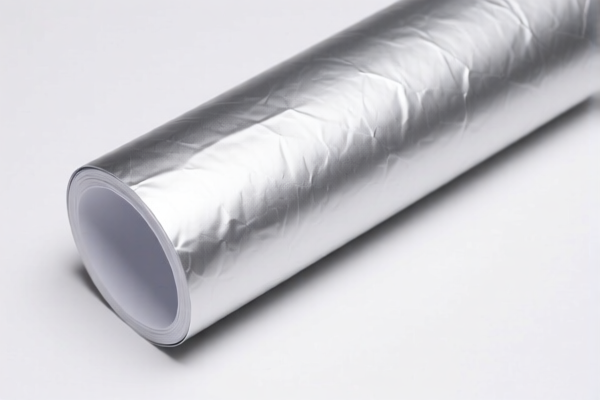
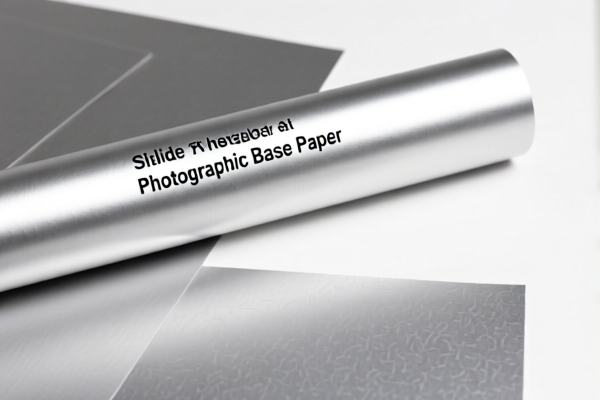
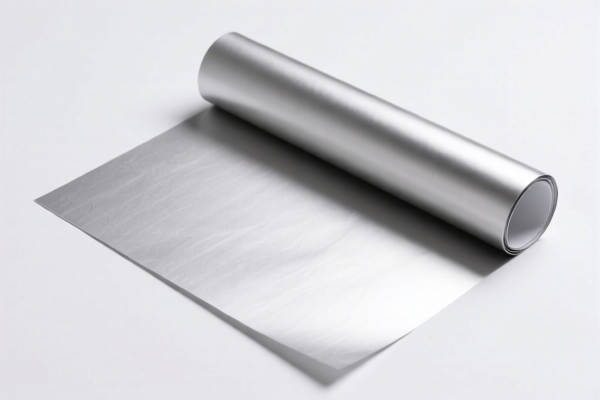
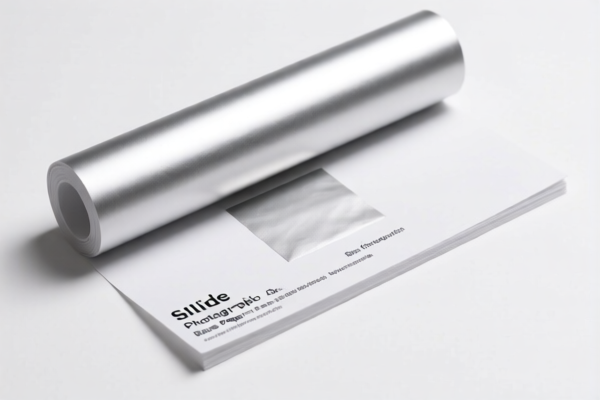
Silver salt photographic paper is a specialized photochemical material used in professional darkrooms, industrial printing, and high-end artistic photography. Its core characteristic is the presence of silver halides (Halogen Silver) coated on a paper base, which reacts to light to form images.
In international trade, it is crucial to distinguish between:
* Professional/Industrial Silver Salt Paper (3703.90.30.30): Specifically designed for professional photography, with defined material (silver salt) and form (paper).
* General Photographic Sensitized Materials (3701.99.60.60): A broader category for sensitized materials not specifically classified elsewhere, often covering films or plates.
* Color Photographic Materials (3701.91.00.60): Specifically for color photography processes.
* Chemical Preparations (3707.10.00.90): Chemical agents like sensitizing emulsions, not the paper itself.
⚠️ Key Distinction Point:
- If the product is specifically "Professional Silver Salt Paper" intended for professional photography, it falls under3703.90.30.30.
- If it is a general sensitized material not clearly defined as professional paper, it may fall under3701.99.60.60.
- If it is Color Photography Material, it falls under3701.91.00.60.
- If it is a Chemical Emulsion/Agent rather than paper, it falls under3707.10.00.90.
📦 II. HS Code Classification Details (2026 Latest Tariff Authority Comparison)
| HS Code | Product Description | Application Scenario | Silver Salt Characteristic |
|---|---|---|---|
3703.90.30.30 |
Professional Silver Salt Photographic Paper | Professional photography, industrial printing, high-end art | ✅ Explicitly Silver Halide, Paper Form |
3701.99.60.60 |
Photographic Sensitized Materials | General photographic plates/films, non-specific paper | ✅ Silver salt characteristics fit plate/film logic |
3701.91.00.60 |
Color Photographic Sensitized Materials | Color photography consumables | ✅ Silver salt reflects chemical sensitivity |
3707.10.00.90 |
Chemical Preparations for Photography | Sensitizing emulsions, liquid agents | ✅ Chemical essence of silver salt |
🔍 Key Reminder:
-3703.90.30.30is the most accurate code for physical paper products used in professional settings.
- Misclassification into chemical codes (3707) or general material codes (3701.99) can lead to customs delays or incorrect duty assessments.
- Always provide Material Safety Data Sheets (MSDS) and Product Specifications to prove the physical form (Paper vs. Liquid/Chemical).
💰 III. 2026 Latest Tariff Rate Details (Including Additional Taxes & Policy Additions)
✅ Applicable Country: United States (US)
✅ Origin: China (CN)
✅ Effective Time: From November 10, 2025 (including subsequent imports)
🎯 1. 3703.90.30.30 —— Professional Silver Salt Photographic Paper
| Item | Content |
|---|---|
| Base Tariff | 3.7% (ad valorem) |
| Section 301 Additional Tariff | +25.0% |
| 122 Clause Tariff | +10.0% |
| Total Tariff Rate | 38.7% |
| Tax Calculation | CIF Value × 38.7% |
| De Minimis Exemption | ❌ Not Available (deny_de_minimis) |
| Legal Basis Path | Base Tariff → Section 301 → 122 Clause |
📌 Explanation:
- Base Tariff (3.7%): Standard Most-Favored-Nation (MFN) rate for photographic paper.
- Section 301 Tariff (25%): Applied due to US-China trade tensions under Section 301 of the Trade Act.
- 122 Clause Tariff (10%): Additional surcharge under specific trade provisions.
- Total 38.7%: This is a high tariff rate, significantly impacting cost. Accurate classification is critical to avoid overpayment or underpayment penalties.
🎯 2. 3701.99.60.60 —— General Photographic Sensitized Materials
| Item | Content |
|---|---|
| Base Tariff | 0.0% |
| Section 301 Additional Tariff | +25.0% |
| 122 Clause Tariff | +10.0% |
| Total Tariff Rate | 35.0% |
| Tax Calculation | CIF Value × 35.0% |
| De Minimis Exemption | ❌ Not Available (deny_de_minimis) |
| Legal Basis Path | Base Tariff → Section 301 → 122 Clause |
📌 Note:
- Lower base tariff (0%) compared to paper, but total rate (35.0%) is still substantial.
- Suitable for broader categories of sensitized materials not explicitly "professional paper."
🎯 3. 3701.91.00.60 —— Color Photographic Sensitized Materials
| Item | Content |
|---|---|
| Base Tariff | 3.7% |
| Section 301 Additional Tariff | +25.0% |
| 122 Clause Tariff | +10.0% |
| Total Tariff Rate | 38.7% |
| Tax Calculation | CIF Value × 38.7% |
| De Minimis Exemption | ❌ Not Available (deny_de_minimis) |
| Legal Basis Path | Base Tariff → Section 301 → 122 Clause |
📌 Note:
- Same total rate as professional paper (3703).
- Specifically for color photographic materials. Misclassifying B&W paper here or vice versa may cause issues.
🎯 4. 3707.10.00.90 —— Chemical Preparations for Photography
| Item | Content |
|---|---|
| Base Tariff | 3.0% |
| Section 301 Additional Tariff | +25.0% |
| 122 Clause Tariff | +10.0% |
| Total Tariff Rate | 38.0% |
| Tax Calculation | CIF Value × 38.0% |
| De Minimis Exemption | ❌ Not Available (deny_de_minimis) |
| Legal Basis Path | Base Tariff → Section 301 → 122 Clause |
📌 Note:
- Applies to chemical agents (e.g., emulsions), not the physical paper.
- If you are importing liquid sensitizers, this is the correct code.
- Total 38.0% is slightly lower than paper codes but still high.
🛠️ IV. Customs Clearance Practical Advice (Avoid Pitfalls)
✅ 1. Required Documentation Checklist
| Document | Mandatory | Description |
|---|---|---|
| ✅ Product Specification Sheet | ✔️ | Details: Type (B&W/Color), Size, Sensitivity, Base Material |
| ✅ Material Safety Data Sheet (MSDS) | ✔️ | Critical for chemical/sensitized materials. Shows silver content and hazards. |
| ✅ Product Photos (Labeled) | ✔️ | Clear images of packaging, label, and product (showing paper texture if possible). |
| ✅ Commercial Invoice | ✔️ | Must state: "Professional Silver Salt Photographic Paper" or appropriate description. |
| ✅ Packing List | ✔️ | Itemize units, weight, and dimensions. Avoid vague terms like "Photography Supplies." |
| ✅ Certificate of Origin (CO) | ✔️ | For origin verification, especially if claiming exemptions (though unlikely for CN origin here). |
📌 Tip: The MSDS is crucial for customs to verify the chemical nature (silver halides) and ensure compliance with safety regulations.
✅ 2. Declaration Strategy (Key Mantra)
🔥 "Be Specific: Silver Salt + Paper + Professional Use"
| Scenario | Correct Declaration | Incorrect Practice |
|---|---|---|
| Professional B&W Paper | 3703.90.30.30"Silver Salt Photographic Paper, Professional Grade" |
Misdeclaring as "Copy Paper" or "General Paper" → 100% penalty risk |
| Color Paper | 3701.91.00.60"Color Photographic Sensitized Material" |
Misdeclaring as B&W paper → Classification error |
| Liquid Emulsion | 3707.10.00.90"Photographic Chemical Preparation, Sensitizing Emulsion" |
Declaring as paper → Physical mismatch |
| Mixed Package | Separate Declaration | Mixing paper and chemicals in one line item → Confusion |
✅ 3. Special Case Handling
| Scenario | Handling Advice |
|---|---|
| OEM Custom Paper | Provide design files and client order to prove "Professional Use." |
| Small Quantity Samples | Still subject to 38.7% or 35.0% tax. No de minimis exemption. |
| Chemical Hazards | Ensure proper labeling for hazardous materials (if any silver compounds are classified as such). |
| Origin Shift | If shipped from Vietnam/Malaysia, check for IEEPA exemptions or lower Section 301 rates. |
🌍 V. Global Market Clearance Comparison (2026 Latest)
| Country/Region | Recommended HS Code | Tariff (China Origin) | Certification | Notes |
|---|---|---|---|---|
| 🇺🇸 USA | 3703.90.30.30 |
38.7% (Paper) 35.0% (General) |
No specific FDA/USDA | High tariff due to Section 301 & 122 Clause |
| 🇨🇳 China | 3703.90.30.30 |
~3.7% (Export Rebate Available) | No specific export license | Export rebate may offset some costs |
| 🇪🇺 EU | 3703.90.90 |
6.5% | REACH Compliance | No Section 301 equivalent |
| 🇯🇵 Japan | 3703.90.00 |
6.0% | No specific restrictions | Standard MFN rate |
📌 Conclusion:
- USA is the highest cost market due to additional tariffs.
- China Origin products face 35-38.7% total duty.
- Non-Chinese origins (e.g., Vietnam, India) may have lower tariffs, consider supply chain optimization.
📌 VI. Common Errors & Pitfalls Guide (Lessons Learned)
❌ Mistake 1: Declaring as "Copy Paper" or "Office Supplies"
👉 Consequence: Customs will reclassify to 3703 + apply 38.7% tariff + penalties for misdeclaration.
❌ Mistake 2: Missing MSDS for Silver Salt Paper
👉 Consequence: Shipment detained at port for safety review, causing delays and storage fees.
❌ Mistake 3: Mixing Chemicals and Paper in One Line Item
👉 Consequence: Customs may reject the entire line item or audit both, leading to extended clearance time.
✅ Correct Practice:
"Professional Silver Salt Photographic Paper, B&W, 11x14 inch, 200 sheets, for professional darkroom use. HS Code: 3703.90.30.30."
🎯 VII. Conclusion: Precise Declaration, Cost Efficiency!
🎯 Remember the Mantra:
🔹 "Silver Salt Paper = 3703.90.30.30 = 38.7% Total Tax"
🔹 "General Material = 3701.99.60.60 = 35.0% Total Tax"
🔹 "Chemical Agent = 3707.10.00.90 = 38.0% Total Tax"
🔹 "No De Minimis! Plan Cost Early!"
📌 Pro Tip:
- If you are importing large volumes, consider Advance Ruling from US Customs to confirm classification.
- Explore supply chain diversification (e.g., sourcing from non-China origins) to mitigate high tariffs.
- Always include MSDS and detailed specifications in your customs declaration package.
📣 Immediate Action:
📞 Contact a Licensed Customs Broker
📄 Prepare MSDS & Product Specifications
🚀 Optimize Your Supply Chain for Cost Efficiency!
✨ Professional Clearance Starts with Accurate Classification!
💼 Every Dollar Saved is a Dollar Earned!
Customer Reviews
About HS Code Classification
The Harmonized System (HS) is an internationally standardized nomenclature developed by the World Customs Organization (WCO) to classify traded products. Over 200 countries use the HS system as the basis for customs tariffs, trade statistics, and import/export regulations.
Each HS code follows a hierarchical structure:
- Chapter (2 digits) — Broad category of goods (e.g., Chapter 84: Machinery and Mechanical Appliances)
- Heading (4 digits) — More specific grouping within the chapter
- Subheading (6 digits) — Internationally standardized breakdown, used by all WCO member countries
- National subdivisions (8-10 digits) — Country-specific extensions for further classification, such as US HTSUS 10-digit codes
Correct HS code classification is essential for smooth customs clearance, accurate duty payment, and compliance with trade regulations. Misclassification can lead to customs delays, overpayment of duties, or penalties.
When importing from CN to US, the applicable tariff rates may include:
- Most-Favored-Nation (MFN) rate — The standard duty rate applied to WTO members
- General rate — Applied to countries without trade agreements
- Trade remedy duties — Additional tariffs such as Section 301 (anti-dumping), Section 232 (national security), or countervailing duties
The information provided on this page is for reference purposes only. For official classification, please consult with your local customs authority or a licensed customs broker.