Industrial Grade Split Cowhide
CN → US| HS Code | Tariff Rate | Origin | Destination | Doc |
|---|---|---|---|---|
| 411190 | 0.0% | CN | US | Official Doc |
| 411290 | 0.0% | CN | US | Official Doc |
| 4107122000 | 37.4% | CN | US | Official Doc |
| 4107127030 | 15.0% | CN | US | Official Doc |
Product Images

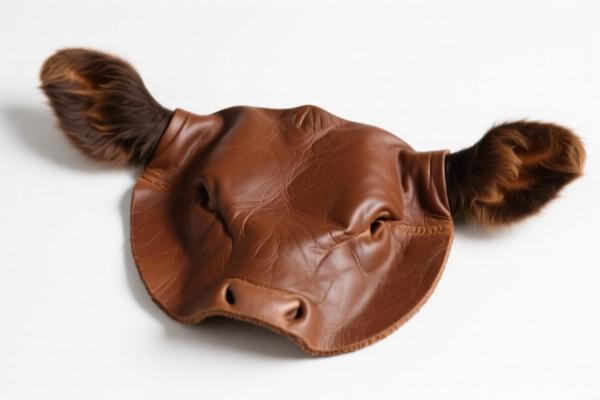
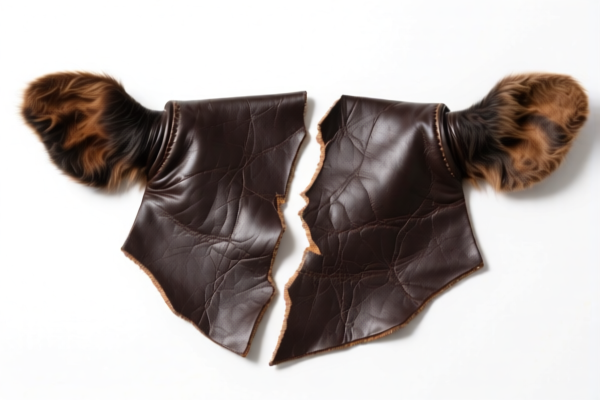
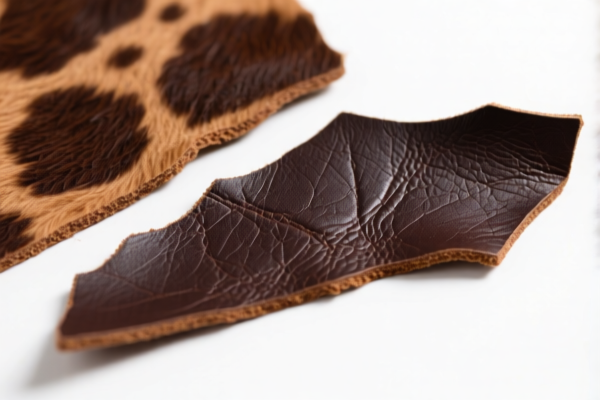
AI Analysis
🐄 Industrial Grade Split Cowhide (Leather)
🌐 HS Code Reference & Customs Clearance Guide | 2026 Latest Tariff Analysis | Professional Classification Strategy
📌 I. Product Definition & Classification: Do You Really Understand "Industrial Split Cowhide"?
Industrial grade split cowhide refers to the inner layer of bovine hides (including buffalo) that has been split from the grain layer. Unlike high-end fashion leather, this material is primarily used for technical, mechanical, and heavy-duty industrial applications.
In international trade, it is strictly categorized based on its degree of processing and final application:
1. Raw/Unfinished Splits (Limed/Beamhouse/Tanned):
Leather that has not been further processed beyond tanning or crusting. It is often used as raw material for manufacturing belts, hoses, or gaskets.
2. Further Prepared Splits (Parchment-dressed/Grain Splits):
Leather that has undergone additional finishing processes (e.g., parchment dressing) to achieve specific mechanical properties (durability, heat resistance) for technical uses like machinery parts or industrial wear components.
⚠️ Key Distinction Point:
- If the leather is not further worked than tanned and used for general industrial purposes (belts/hoses) → Look at 4111.90 / 4112.90.
- If the leather is further prepared (e.g., parchment-dressed) and specified for bovine/equine grain splits → Look at 4107.12.xxxx.
📦 II. HS Code Classification Details (2026 Latest Tariff Authoritative Comparison)
| HS Code | Product Description | Applicable Scenario | Processing Level |
|---|---|---|---|
4111.90 |
Other split leather, whether or not reconstituted, not further worked than limed, beamhouse processed, or tanned. Includes sheets/strips for industrial use (belts, hoses, etc.). | Raw industrial splits for manufacturing belts, hoses, or other technical applications. | ❌ Basic Tanning Only (Limed/Beamhouse/Tanned) |
4112.90 |
Other leather (including split leather), not further worked than tanned, reconstituted, or in sheets/strips, used in industrial applications (machinery parts, gaskets, industrial wear). | Industrial leather for machinery parts, gaskets, or wear components where further preparation isn't the primary classifier. | ❌ Basic Tanning Only |
4107.12.20.00 |
Leather further prepared after tanning or crusting (including parchment-dressed), of bovine/equine, without hair, whether or not split. Whole hides/skins: Grain splits: Of bovines, unit area ≤ 28 sq ft (2.6 m²): Other: Not fancy. | Parchment-dressed splits for technical use; bovine/equine; small surface area; non-fancy. | ✅ Further Prepared (Parchment-dressed/Finished) |
4107.12.70.30 |
Leather further prepared after tanning or crusting, of bovine/equine, without hair, split. Whole hides/skins: Grain splits: Other: Other: Not fancy Belting. | Specifically identified as "Belting" leather; further prepared; bovine; non-fancy. | ✅ Further Prepared (Specified for Belting) |
🔍 Critical Reminder:
- Degree of Processing is King: If the leather is merely tanned and used for generic industrial stuff, it falls under 4111/4112. If it is parchment-dressed or specifically processed for high-performance technical use (like belting), it may fall under 4107.
- "Not Further Worked Than Tanned": This phrase in 4111/4112 means no additional finishing (like dyeing, painting, or heavy embossing) beyond basic tanning.
- "Further Prepared": In 4107, this implies additional chemical or mechanical treatment beyond simple tanning.
💰 III. 2026 Latest Tariff Rate Detailed Explanation (Including Surtaxes & Policy Add-ons)
✅ Applicable Country: United States (US)
✅ Origin: China (CN)
✅ Effective Date: From November 10, 2025 onwards (including subsequent imports)
🎯 1. 4111.90 & 4112.90 —— Unfinished/Basic Tanned Industrial Splits
| Item | Content |
|---|---|
| Basic Tariff | Error / Failed to Retrieve |
| USITC Surtax | Failed to Retrieve |
| IEEPA Surtax | Failed to Retrieve |
| Total Tax | Error |
| Tax Calculation | Unable to calculate due to missing tax detail data. |
| De Minimis Eligibility | ❌ Not Applicable (Data error prevents confirmation) |
| Legal Basis Path | TARIC:4111.90 / 4112.90 → Tax retrieval failed. |
📌 Interpretation:
- For these broad categories, the tax data retrieval system encountered an error.
- Practical Advice: Typically, unworked split leather may have lower base duties, but Section 301 tariffs often apply to leather products from China. You must verify with a customs broker for the current "Section 301" rate, which is often 25% or higher depending on the exact subheading interpretation. Do not assume 0% or low tax.
🎯 2. 4107.12.20.00 —— Further Prepared Bovine Grain Splits (≤ 28 sq ft)
| Item | Content |
|---|---|
| Basic Tariff | 2.4% |
| USITC Surtax | +25.0% |
| IEEPA Surtax | Included in USITC/Total |
| Total Tax | 27.4% |
| Tax Calculation | CIF Value × 27.4% |
| De Minimis Eligibility | ❌ Not Applicable |
| Legal Basis Path | USITC:4107.12.20.00 → FOOTNOTE:301_4107 |
📌 Explanation:
- Base Duty (2.4%): Standard Most Favored Nation (MFN) rate for prepared bovine leather splits.
- Surtax (25.0%): This is the Section 301 tariff applied to Chinese-origin leather products.
- Total (27.4%): A significant cost factor. This applies to parchment-dressed or further prepared splits that are not "fancy" (e.g., not for high-end fashion).
🎯 3. 4107.12.70.30 —— Further Prepared Belting Leather
| Item | Content |
|---|---|
| Basic Tariff | 0.0% |
| USITC Surtax | 0.0% |
| IEEPA Surtax | 0.0% |
| Total Tax | 0.0% |
| Tax Calculation | No duty imposed. |
| De Minimis Eligibility | ❓ Check Specific Exclusions (Generally excluded from de minimis if high value) |
| Legal Basis Path | USITC:4107.12.70.30 |
📌 Note:
- Zero Duty: This specific subheading for "Belting" leather (further prepared) currently has a 0% total tariff rate.
- Why 0%? It may be classified under a duty-free item for specific industrial uses or due to specific US trade policy exceptions for certain technical materials.
- Caution: Ensure the product strictly meets the definition of "Belting" leather. If it is used for other purposes (e.g., upholstery), it may be reclassified to4107.12.20.00or other headings, triggering the 27.4% tax.
🛠️ IV. Customs Clearance Practical Advice (Avoiding Pitfalls)
✅ 1. Document Checklist (Non-negotiable)
| Document | Required | Description |
|---|---|---|
| ✅ Product Specification Sheet | ✔️ | Must detail: Tanning method, split layer, surface area, and specific industrial use (e.g., "for conveyor belts," "for hydraulic hose reinforcement"). |
| ✅ Processing Flow Chart | ✔️ | Clearly show if the leather is "Tanned Only" or "Further Prepared" (e.g., parchment-dressed). This determines between 4111/4112 and 4107. |
| ✅ Commercial Invoice | ✔️ | Must clearly state: "Industrial Grade Split Cowhide," HS Code, and Country of Origin. |
| ✅ Material Safety Data Sheet (MSDS) | ✔️ | If treated with chemicals, provide MSDS for customs safety review. |
| ✅ Test Report | ✔️ | Certify thickness, tensile strength, and abrasion resistance if claimed for industrial use. |
| ✅ Packing List | ✔️ | List unit surface area if claiming 4107.12.20.00 (≤ 28 sq ft). |
✅ 2. Declaration Tips (Key Mnemonics)
🔥 “Process Defines Code, Use Defines Tariff, Area Matters for Small Splits!”
| Scenario | Correct Declaration | Wrong Approach |
|---|---|---|
| Raw/Tanned Splits | 4111.90 or 4112.90 + "Not Further Worked Than Tanned" |
Mislabeling as "Finished Leather" → Risk of 27.4% if it's actually prepared. |
| Parchment-Dressed Splits (≤ 28 sq ft) | 4107.12.20.00 + "Not Fancy" |
Labeling as "Belting" → Incorrect subheading, potential audit. |
| Belting Leather (Prepared) | 4107.12.70.30 + "For Belting Applications" |
Generic "Leather for Industrial Use" → May be classified to 4107.12.20.00 (27.4%). |
| Large Surface Area (> 28 sq ft) | Not 4107.12.20.00 | Assuming all prepared splits are 0% or 2.4% → Check other subheadings for larger hides. |
✅ 3. Special Case Handling
| Situation | Handling Advice |
|---|---|
| OEM Custom Splits | Provide customer order + technical specs to prove "industrial use" vs. "fashion use." |
| Reconstituted Leather | Must declare as "Reconstituted" under 4111.90 or 4112.90. Do not misdeclare as genuine split leather if it is bonded. |
| Mixed Shipments | If a shipment contains both tanned splits and prepared splits, split the declaration to avoid misclassification penalties. |
| Origin Marking | Ensure "Made in China" is clearly marked on the hides or packaging to trigger accurate Section 301 assessment. |
🌍 V. Global Market Clearance Comparison (2026 Latest)
| Country/Region | Recommended HS Code | Tariff (China Origin) | Certification Requirements | Notes |
|---|---|---|---|---|
| 🇺🇸 USA | 4111.90 / 4112.90 / 4107.12.xxxx |
27.4% (for 4107.12.20.00) 0% (for 4107.12.70.30) Error/High (for 4111/4112) |
None specific | Critical: Verify if 4111/4112 also attracts 25% Section 301. |
| 🇨🇳 China | 4111.90 / 4107.12 |
~5-15% | CCC (if applicable for end-use) | No Section 301 surtax for imports into China. |
| 🇪🇺 EU | 4111.90 / 4112.90 |
~0-6% | REACH Compliance | No major surtaxes for leather. |
| 🇯🇵 Japan | 4111.90 / 4112.90 |
~0-6% | FSC (if for food contact) | Low tariffs for industrial leather. |
📌 Conclusion:
- USA is the highest risk market due to Section 301 tariffs.
- 0% tariff for4107.12.70.30is a potential cost-saving opportunity if your product strictly qualifies as "Belting" leather.
- Verify "Further Prepared" status to avoid unexpected 27.4% duties.
📌 VI. Common Errors & Pitfalls Guide (Blood & Tears Lessons)
❌ Error 1: Misclassifying "Further Prepared" leather as "Tanned Only"
👉 Consequence: Underpayment of duties. If Customs determines it is parchment-dressed, they will reclassify to 4107.12.20.00 → 27.4% tax.
❌ Error 2: Claiming 0% tariff for 4107.12.70.30 without proving "Belting" use
👉 Consequence: Customs may reject the specific subheading and assign 4107.12.20.00 (27.4%) or other higher-duty codes.
❌ Error 3: Ignoring Surface Area Limits
👉 Consequence: 4107.12.20.00 requires ≤ 28 sq ft. If your splits are larger, you must use a different subheading, potentially with different tax rates.
❌ Error 4: Assuming "Industrial Use" Automatically Means Low Tax
👉 Consequence: In the US, industrial leather is still subject to Section 301. "Industrial" does not equal "Exempt."
✅ Correct Practice:
"Split Cowhide, Tanned Only, For Industrial Belts, HS 4111.90, Origin: China"
OR
"Parchment-Dressed Bovine Split, For Belting, ≤ 28 sq ft, HS 4107.12.70.30, Origin: China"
🎯 VII. Conclusion: Precise Classification Saves Money!
🎯 Remember Mnemonics:
🔹 "Tanned Only = 4111/4112 (Risk High)"
🔹 "Parchment Small ≤ 28ft = 4107.20 (27.4%)"
🔹 "Parchment Belting = 4107.70 (0%!)"
🔹 "Check Section 301 for China!"
📌 Tip:
If your product is borderline between "Tanned" and "Further Prepared," provide detailed processing documents to support your classification.
Recommend Apply for a Binding Ruling (Pre-Ruling) with US Customs (CBP) if your shipment volume is high, to secure certainty on the 27.4% vs. 0% classification.
📣 Immediate Action:
📞 Consult a Licensed Customs Broker + Provide Processing Details + Apply for Advance Ruling
🚀 Ensure smooth clearance, avoid delays, and optimize your landed cost!
✨ Professional Customs Clearance Starts with Accurate Classification!
💼 Every Percentage Point of Tariff Matters!
Customer Reviews
About HS Code Classification
The Harmonized System (HS) is an internationally standardized nomenclature developed by the World Customs Organization (WCO) to classify traded products. Over 200 countries use the HS system as the basis for customs tariffs, trade statistics, and import/export regulations.
Each HS code follows a hierarchical structure:
- Chapter (2 digits) — Broad category of goods (e.g., Chapter 84: Machinery and Mechanical Appliances)
- Heading (4 digits) — More specific grouping within the chapter
- Subheading (6 digits) — Internationally standardized breakdown, used by all WCO member countries
- National subdivisions (8-10 digits) — Country-specific extensions for further classification, such as US HTSUS 10-digit codes
Correct HS code classification is essential for smooth customs clearance, accurate duty payment, and compliance with trade regulations. Misclassification can lead to customs delays, overpayment of duties, or penalties.
When importing from CN to US, the applicable tariff rates may include:
- Most-Favored-Nation (MFN) rate — The standard duty rate applied to WTO members
- General rate — Applied to countries without trade agreements
- Trade remedy duties — Additional tariffs such as Section 301 (anti-dumping), Section 232 (national security), or countervailing duties
The information provided on this page is for reference purposes only. For official classification, please consult with your local customs authority or a licensed customs broker.