Industrial Grade Synthetic Rubber and Rubber Powder Mixture
CN → US| HS Code | Tariff Rate | Origin | Destination | Doc |
|---|---|---|---|---|
| 3913901000 | 35.0% | CN | US | Official Doc |
| 4002110000 | 35.0% | CN | US | Official Doc |
| 3913905000 | 41.5% | CN | US | Official Doc |
| 4002910000 | 35.0% | CN | US | Official Doc |
| 3901901000 | 35.0% | CN | US | Official Doc |
Product Images
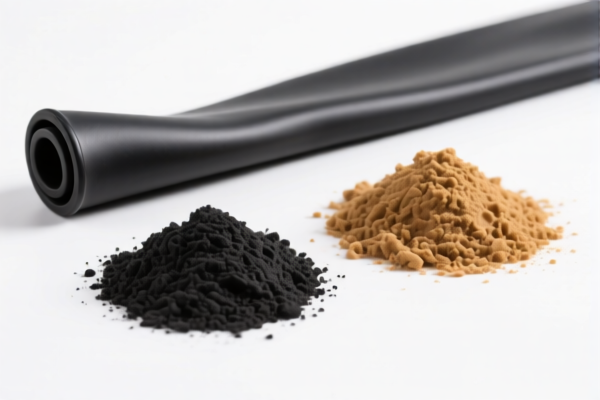
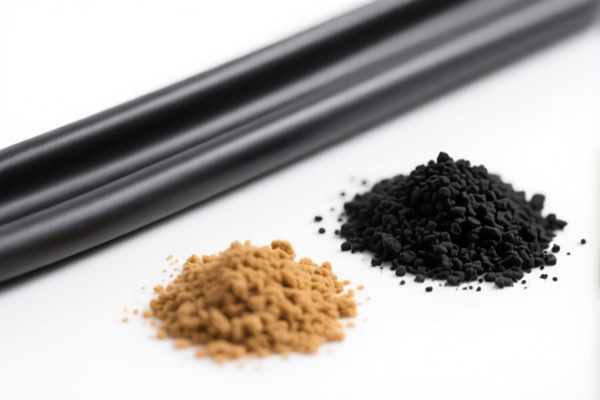
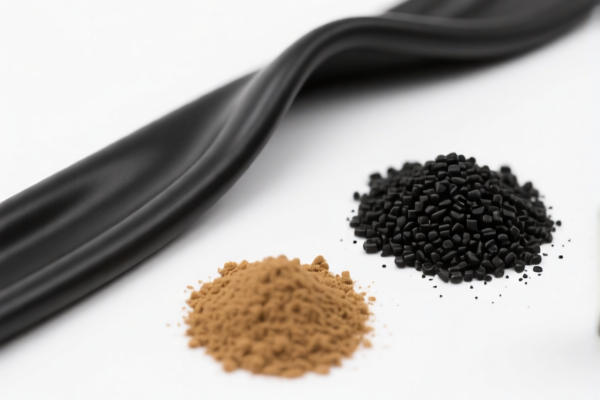
AI Analysis
🏭 Industrial Grade Synthetic Rubber & Rubber Powder Mixture
🌐 HS Code Reference & Customs Clearance Guide | 2026 Latest Tariff Analysis | Professional Clearance Strategy
📌 1. Product Definition & Classification: What is "Synthetic Rubber Mixture"?
The product described is an "Industrial Grade Synthetic Rubber and Rubber Powder Mixture." In international trade, this falls under the broad category of Synthetic Rubber (Chapter 40) or Other Polymer Products (Chapter 39), depending on the specific chemical structure and physical form.
The dataset provided indicates four primary HS Codes, reflecting different interpretations of the material's nature (latex vs. powder) and its classification (original form vs. derivative).
⚠️ Key Distinction:
- Latex (Emulsion): If the product is a liquid emulsion (latex), it typically falls under HS Code 4002 (Synthetic Rubber in Primary Forms, specifically Latex).
- Powder/Granules: If the product is a dry powder, it may fall under HS Code 3901 (Polymers of Ethylene) or HS Code 3913 (Cellulose Derivatives/Other Polymers in Primary Forms).
- Mixture Nuance: The term "Mixture" can sometimes lead to classification under HS Code 3913 (Other Polymers) if it is considered a derivative or a specific polymer product not elsewhere specified.
📦 2. HS Code Classification Details (2026 Latest Tariff Authority对照)
Based on the provided <DATA>, here are the four potential HS Codes, their summaries, and tax structures.
| HS Code | Product Description | Summary from Data | Tax Rate | Tax Detail |
|---|---|---|---|---|
4002.11.00.00 |
Synthetic Rubber Latex (SBR/Carboxylated SBR) | Industrial-grade synthetic rubber latex, emulsion form, fits SBR or Carboxylated SBR latex classification. | 35.0% | Base: 0%, Additional: 25%, Section 122: 10% |
4002.91.00.00 |
Other Synthetic Rubber Latex | Industrial-grade synthetic rubber latex, fits material and form definition perfectly. | 35.0% | Base: 0%, Additional: 25%, Section 122: 10% |
3901.90.10.00 |
Synthetic Rubber Powder (Ethylene Polymer) | Synthetic rubber powder, ethylene polymer (elastomer) characteristics, original primary form (powder). | 35.0% | Base: 0%, Additional: 25%, Section 122: 10% |
3913.90.10.00 |
Synthetic Rubber Latex (Derivative/Category) | Industrial-grade synthetic rubber latex, chemical derivative of natural rubber/natural polymer category. | 35.0% | Base: 0%, Additional: 25%, Section 122: 10% |
3913.90.50.00 |
Synthetic Rubber Latex (Other Category) | Industrial-grade synthetic rubber latex, polymer shape, fits "Other" category definition. | 41.5% | Base: 6.5%, Additional: 25%, Section 122: 10% |
🔍 Key Insight:
- Codes4002.11.00.00,4002.91.00.00, and3901.90.10.00all carry a 35% total tax. This is the most likely classification for standard industrial synthetic rubber (latex or powder).
- Code3913.90.50.00carries a 41.5% total tax due to a higher base tariff (6.5%). This is used if the product is classified as a "derivative" or falls into a "other" polymer category under Chapter 39.
- Code3913.90.10.00also carries 35%, but is described as a chemical derivative/natural polymer category, which might be a less common but possible classification for certain blends.
💰 3. 2026 Latest Tariff Rate Details (Including Additional Taxes & Policies)
✅ Applicable Country: United States (US)
✅ Origin: China (CN)
✅ Effective Date: November 10, 2025 (and subsequent imports)
🎯 1. 4002.11.00.00 & 4002.91.00.00 & 3901.90.10.00 —— Standard Synthetic Rubber (Latex/Powder)
| Item | Content |
|---|---|
| Base Tariff Rate | 0% (ad valorem) |
| USITC Additional Tariff | +25% (under USITC Footnote 9903.88.01 or similar 301 Clause provisions) |
| IEEPA Additional Tariff | +10% (Targeting China/HK products, effective from Nov 10, 2025) |
| Total Tariff Rate | 35.0% |
| Tax Calculation | CIF Value × 35% |
| De Minimis Exemption Available? | ❌ No (deny_de_minimis) |
| Legal Basis Path | IEEPA:9903.01.25 → IEEPA:9903.01.24 → USITC:4002.11.00.00 → FOOTNOTE:9903.88.01 |
📌 Explanation:
- The 25% USITC Additional Tariff is part of the "Section 301" tariffs on Chinese imports.
- The 10% IEEPA Tariff is a new additional levy under the International Emergency Economic Powers Act, specifically targeting Chinese products.
- Combined 35% is a high tariff, requiring careful cost planning.
🎯 2. 3913.90.50.00 —— Synthetic Rubber (Derivative/Other Category)
| Item | Content |
|---|---|
| Base Tariff Rate | 6.5% |
| USITC Additional Tariff | +25% |
| IEEPA Additional Tariff | +10% |
| Total Tariff Rate | 41.5% |
| Tax Calculation | CIF Value × 41.5% |
| De Minimis Exemption Available? | ❌ No |
| Legal Basis Path | IEEPA:9901.25 → IEEPA:9903.01.24 → USITC:3913.90.50.00 → FOOTNOTE:9903.88.01 |
📌 Note:
- This code has a higher base rate (6.5%) compared to the 0% base rate of the 4002/3901 codes.
- Use this code only if your product’s chemical structure or form does not fit the primary definitions of 4002 (Synthetic Rubber Latex) or 3901 (Ethylene Polymer Powder).
🎯 3. 3913.90.10.00 —— Synthetic Rubber Latex (Derivative/Natural Polymer Category)
| Item | Content |
|---|---|
| Base Tariff Rate | 0% |
| USITC Additional Tariff | +25% |
| IEEPA Additional Tariff | +10% |
| Total Tariff Rate | 35.0% |
| Tax Calculation | CIF Value × 35% |
| De Minimis Exemption Available? | ❌ No |
| Legal Basis Path | IEEPA:9903.01.25 → IEEPA:9903.01.24 → USITC:3913.90.10.00 → FOOTNOTE:9903.88.01 |
📌 Note:
- Although the total rate is 35%, the description "chemical derivative of natural rubber" is unusual for synthetic rubber. Ensure your product’s Material Safety Data Sheet (MSDS) and chemical composition support this classification.
🛠️ 4. Customs Clearance Practical Advice (Battle-Tested Pitfall Avoidance Guide)
✅ 1. Required Documentation Checklist (None Missing)
| Document | Mandatory | Explanation |
|---|---|---|
| ✅ Product Specification Sheet | ✔️ | Must include: Chemical composition, physical form (latex/powder), molecular weight, viscosity (for latex). |
| ✅ MSDS (Material Safety Data Sheet) | ✔️ | Critical for customs and safety assessment. Must clearly state it is Synthetic rubber, not natural. |
| ✅ Product Photos (Including Label) | ✔️ | Clear images showing the form (liquid emulsion or dry powder), packaging, and label with HS code reference if possible. |
| ✅ Third-Party Test Report | ✔️ | Certificate of Analysis (COA) from a recognized lab confirming synthetic origin and composition. |
| ✅ Commercial Invoice | ✔️ | Must explicitly state "Industrial Grade Synthetic Rubber Latex/Powder" and NOT just "Rubber." |
| ✅ Certificate of Origin (CO) | ✔️ | If not from China, may apply for preferential rates. For China origin, confirms subject to 35% tariff. |
| ✅ Packing List | ✔️ | Details net/gross weight, number of packages, and confirm it’s a homogeneous mixture. |
✅ 2. Declaration Tips (Key Mantras)
🔥 "Latex is 4002, Powder is 3901, Derivative is 3913, Be Specific!"
| Situation | Correct Declaration | Wrong Practice |
|---|---|---|
| Liquid Latex (SBR, etc.) | 4002.11.00.00 or 4002.91.00.00 |
Misdeclare as "Powder" → 35% vs 41.5% risk |
| Dry Rubber Powder | 3901.90.10.00 |
Misdeclare as "Latex" → 35% (same, but form mismatch causes detention) |
| Mixture/Derivative | 3913.90.50.00 or 3913.90.10.00 |
Generic "Rubber" → High risk of audit, higher base rate (6.5%) |
| Synthetic vs. Natural | Clearly state Synthetic | Omitting "Synthetic" → Risk of misclassification as Natural Rubber (different duties) |
✅ 3. Special Case Handling
| Situation | Handling Advice |
|---|---|
| OEM Custom Latex | Provide customer order + formulation data sheet. Avoid "generic" descriptions. |
| Blended Mixture (Synthetic + Natural) | If it contains natural rubber, the classification may change entirely. Verify % composition. If >50% synthetic, still likely Chapter 40/39. |
| Latex vs. Powder Form | The physical form is the primary determinant. Liquid → 4002. Solid/Powder → 3901/3913. Do not mix them in one shipment without clear separation. |
| Intended Use | "Industrial Grade" is fine, but if it’s for medical use, additional certifications (FDA) may be required, though HS code remains the same. |
🌍 5. Global Main Market Customs Clearance Comparison (2026 Latest)
| Country/Region | Recommended HS Code | Tariff (China Origin) | Certification Requirements | Remarks |
|---|---|---|---|---|
| 🇺🇸 USA | 4002.11.00.00 / 4002.91.00.00 |
35% (301 + IEEPA) | None specific for rubber | High tariff. Ensure "Synthetic" is clear. |
| 🇨🇳 China | 4002.11.00.00 |
0-5% (Check latest) | CCC (if applicable) | Low duty. No 301 tariffs. |
| 🇪🇺 EU | 4002.11.00.00 |
0% (Most cases) | REACH Compliance | No additional tariffs. REACH registration is key. |
| 🇦🇺 Australia | 4002.11.00.00 |
5% | None specific | Moderate duty. |
| 🇯🇵 Japan | 4002.11.00.00 |
0-3.5% | PMDA (if medical) | Low duty. |
📌 Conclusion:
- USA is the only market with the 35% punitive tariff on Chinese synthetic rubber.
- EU and Japan offer low or zero duties, but compliance with chemical regulations (REACH in EU) is critical.
- Cost Strategy: If exporting to the US, consider supply chain diversification (e.g., sourcing from Vietnam/Malaysia) to avoid the 35% tariff, subject to rules of origin.
📌 6. Common Errors & Pitfall Guide (Lessons Learned)
❌ Error 1: Declaring "Synthetic Rubber" without specifying Latex or Powder
👉 Consequence: Customs may classify under the highest tax bracket (3913.90.50.00 at 41.5%) or hold the shipment for clarification.
❌ Error 2: Confusing Synthetic with Natural Rubber
👉 Consequence: Natural Rubber may have different duties and regulatory requirements. Misdeclaration leads to fines and delays.
❌ Error 3: Not providing MSDS for Chemical Products
👉 Consequence: Customs will detain the shipment until MSDS is provided, causing demurrage charges and delays.
❌ Error 4: Using "Rubber Mixture" as a generic term
👉 Consequence: Ambiguity. Always specify the base polymer (e.g., SBR, NBR) and physical form.
✅ Correct Practice:
"Industrial Grade Synthetic Rubber Latex, Styrene-Butadiene Rubber (SBR), Emulsion Form, HS Code 4002.11.00.00, MSDS Attached, For Industrial Tire Manufacturing."
🎯 7. Conclusion: Professional Declaration, Save Time & Money!
🎯 Remember the Mantra:
🔹 "Latex is 4002, Powder is 3901, Derivative is 3913!"
🔹 "Total Tax is 35% (US), 41.5% for Derivatives. No De Minimis!"
🔹 "MSDS and COA are Non-Negotiable!"
📌 Pro Tip:
If your synthetic rubber is originated from Vietnam, Malaysia, Thailand, or Indonesia, you may be exempt from the 35% US tariff (subject to Rules of Origin verification).
Recommend Applying for an Advance Ruling with US Customs and Border Protection (CBP) to confirm the correct HS Code and duty rate before shipment.
📣 Immediate Action:
📞 Contact a licensed customs broker + Provide Product Photos + MSDS + Apply for Advance Ruling
🚀 Ensure your synthetic rubber clears smoothly, avoids high duties, and boosts profit margins!
✨ Professional Clearance Starts with Accurate Classification!
💼 Every cent of duty is worth calculating precisely!
Customer Reviews
About HS Code Classification
The Harmonized System (HS) is an internationally standardized nomenclature developed by the World Customs Organization (WCO) to classify traded products. Over 200 countries use the HS system as the basis for customs tariffs, trade statistics, and import/export regulations.
Each HS code follows a hierarchical structure:
- Chapter (2 digits) — Broad category of goods (e.g., Chapter 84: Machinery and Mechanical Appliances)
- Heading (4 digits) — More specific grouping within the chapter
- Subheading (6 digits) — Internationally standardized breakdown, used by all WCO member countries
- National subdivisions (8-10 digits) — Country-specific extensions for further classification, such as US HTSUS 10-digit codes
Correct HS code classification is essential for smooth customs clearance, accurate duty payment, and compliance with trade regulations. Misclassification can lead to customs delays, overpayment of duties, or penalties.
When importing from CN to US, the applicable tariff rates may include:
- Most-Favored-Nation (MFN) rate — The standard duty rate applied to WTO members
- General rate — Applied to countries without trade agreements
- Trade remedy duties — Additional tariffs such as Section 301 (anti-dumping), Section 232 (national security), or countervailing duties
The information provided on this page is for reference purposes only. For official classification, please consult with your local customs authority or a licensed customs broker.