Industrial Grade Wood Pellets
CN → US| HS Code | Tariff Rate | Origin | Destination | Doc |
|---|---|---|---|---|
| 4401310000 | 35.0% | CN | US | Official Doc |
| 4405000000 | 38.2% | CN | US | Official Doc |
| 4401394210 | 35.0% | CN | US | Official Doc |
| 3912900010 | 40.2% | CN | US | Official Doc |
| 3912900090 | 40.2% | CN | US | Official Doc |
Product Images
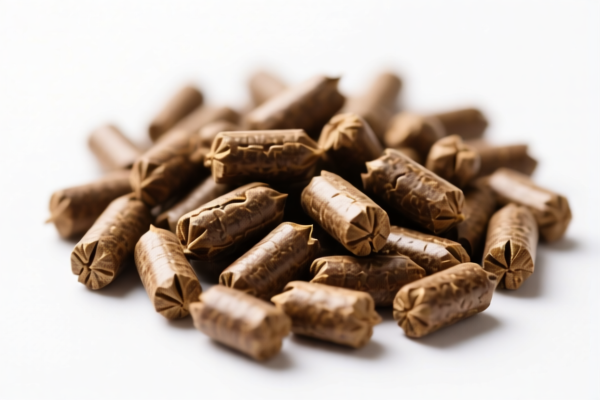
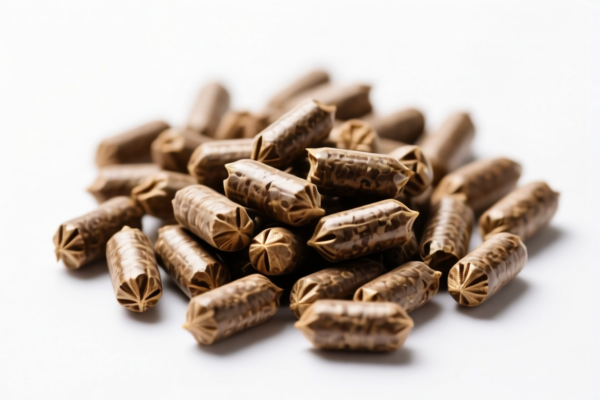
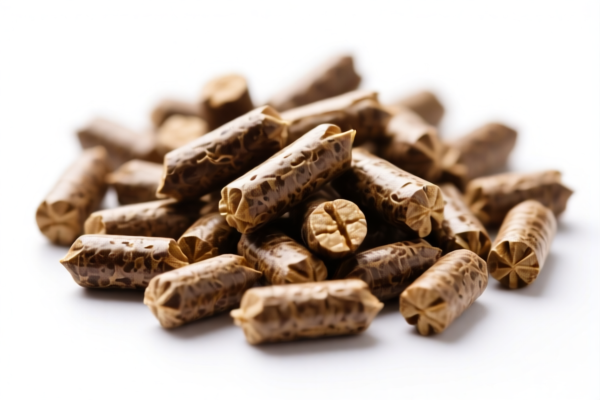
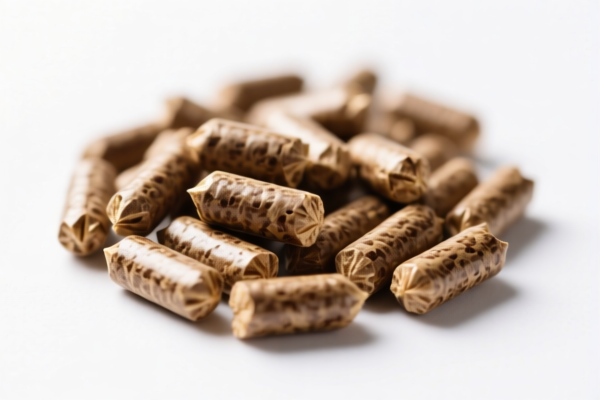
AI Analysis
🪵 Industrial Grade Wood Pellets (Fuel Wood & Cellulose Granules)
🌐 HS Code Reference & Customs Clearance Guide | 2026 Latest Tariff Analysis | Professional Clearance Strategy
📌 I. Product Definition & Classification: Are You Clear on "Wood Pellets"?
"Industrial Grade Wood Pellets" is a broad term that can refer to different materials depending on the raw material source and processing level. In international trade, they are primarily divided into:
- Standard Fuel Wood Pellets: Made from biomass waste (sawdust, wood chips), compacted into granules for combustion.
- Industrial/Chemical Cellulose Pellets: High-purity cellulose granules used in pharmaceuticals, food additives, or chemical industries, not just for fuel.
⚠️ Key Distinction Point:
- If it is biomass/fuel derived from wood waste → Classified under Chapter 44 (Wood & Articles of Wood) or Chapter 44.01.
- If it is purified cellulose (alpha/cellulose) for industrial chemical/pharma use → Classified under Chapter 39 (Plastics) / 3912 (Cellulose and its derivatives).
- Misclassification Risk: Declaring chemical cellulose as "fuel wood" can lead to significant tariff discrepancies and customs audits.
📦 II. HS Code Classification Details (2026 Latest Tariff Authority Comparison)
| HS Code | Product Description | Application Scenario | Material/Nature |
|---|---|---|---|
4401.31.00.00 |
Wood pellets, whether or not agglomerated | Standard biomass fuel pellets | Wood waste/sawdust |
4405.00.00.00 |
Wood wool, wood flour and other wood waste | Wood flour/pellet-like wood waste | Processed wood particles |
4401.39.42.10 |
Other wood pellets (Fuel wood, wood chips, sawdust) | Industrial fuel wood pellets | Biomass fuel |
3912.90.00.10 |
Alpha-cellulose granules, whether or not chemically modified | High-purity industrial cellulose | Chemical/Pharma grade |
3912.90.00.90 |
Other cellulose and its chemical derivatives | Non-alpha industrial cellulose | General industrial cellulose |
🔍 Important Reminder:
- Fuel Wood Pellets MUST be declared under 4401.xxxx. Do not declare them as "Plastics" or "Chemicals".
- Cellulose Pellets (especially high-purity) MUST be declared under 3912.90. Declaring them as fuel wood may result in rejection or underpayment of duties (as cellulose often has higher base duties).
- "Wood Flour" (4405.00) applies if the material is loose particles rather than compressed pellets, though some customs may accept pellets under this if not strictly agglomerated.
💰 III. 2026 Latest Tariff Rate Breakdown (Including Additional Taxes, Policy Surcharges)
✅ Applicable Country: United States (US)
✅ Country of Origin: China (CN)
✅ Effective Date: November 10, 2025 (and subsequent imports)
🎯 1. 4401.31.00.00 —— Wood Pellets (Standard Biomass Fuel)
| Item | Content |
|---|---|
| Base Rate | 0% (ad valorem) |
| USITC Additional Tariff | +25.0% (under USITC Section 301) |
| IEEPA Additional Tariff (122 Clause) | +10.0% (Specific to certain wood products from China) |
| Total Tariff Rate | 35.0% |
| Tax Calculation | CIF Value × 35.0% |
| De Minimis Exemption | ❌ Not Applicable (High risk for Section 321 shipments) |
| Legal Basis Path | IEEPA:122 → USITC:4401.31.00.00 → FOOTNOTE:301 |
📌 Explanation:
- "Base 0%" is standard for wood fuel in the US.
- "25% Section 301" applies to most Chinese manufactured goods.
- "10% IEEPA (122 Clause)" is a specific surcharge for certain wood-related imports.
- Total 35% is a significant cost factor. Pre-clearance calculation is essential.
🎯 2. 4405.00.00.00 —— Wood Flour / Wood Waste (Granular Form)
| Item | Content |
|---|---|
| Base Rate | 3.2% |
| USITC Additional Tariff | +25.0% |
| IEEPA Additional Tariff (122 Clause) | +10.0% |
| Total Tariff Rate | 38.2% |
| Tax Calculation | CIF Value × 38.2% |
| De Minimis Exemption | ❌ Not Applicable |
| Legal Basis Path | IEEPA:122 → USITC:4405.00.00.00 → FOOTNOTE:301 |
📌 Note:
- If your product is classified as "Wood Flour" or "Wood Waste" rather than "Agglomerated Pellets," the base rate is 3.2% instead of 0%.
- The additional tariffs (25% + 10%) remain the same, leading to a higher total rate (38.2%).
- Strategy: Ensure your product description matches "Pellets" (agglomerated) to qualify for4401.31.00.00(35.0%) rather than4405.00.00.00(38.2%).
🎯 3. 4401.39.42.10 —— Other Wood Pellets (Fuel Wood)
| Item | Content |
|---|---|
| Base Rate | 0.0% |
| USITC Additional Tariff | +25.0% |
| IEEPA Additional Tariff (122 Clause) | +10.0% |
| Total Tariff Rate | 35.0% |
| Tax Calculation | CIF Value × 35.0% |
| De Minimis Exemption | ❌ Not Applicable |
| Legal Basis Path | IEEPA:122 → USITC:4401.39.42.10 → FOOTNOTE:301 |
📌 Note:
- Similar to4401.31.00.00, this code is for "other" wood pellets that may not fit the standard "wood waste" definition but are still fuel wood.
- Total rate is 35.0%. Ensure the "Fuel" nature is clearly stated in the commercial invoice.
🎯 4. 3912.90.00.10 —— Alpha-Cellulose Granules (Industrial/Pharma)
| Item | Content |
|---|---|
| Base Rate | 5.2% |
| USITC Additional Tariff | +25.0% |
| IEEPA Additional Tariff (122 Clause) | +10.0% |
| Total Tariff Rate | 40.2% |
| Tax Calculation | CIF Value × 40.2% |
| De Minimis Exemption | ❌ Not Applicable |
| Legal Basis Path | IEEPA:122 → USITC:3912.90.00.10 → FOOTNOTE:301 |
📌 Note:
- High-purity cellulose is treated as a chemical derivative.
- Base rate is 5.2% (higher than wood fuel).
- Total rate is 40.2%, which is higher than fuel wood pellets.
- Critical: Do not under-declare pharmaceutical-grade cellulose as fuel wood to save tax. Customs can test for cellulose purity.
🎯 5. 3912.90.00.90 —— Other Cellulose & Derivatives (Industrial)
| Item | Content |
|---|---|
| Base Rate | 5.2% |
| USITC Additional Tariff | +25.0% |
| IEEPA Additional Tariff (122 Clause) | +10.0% |
| Total Tariff Rate | 40.2% |
| Tax Calculation | CIF Value × 40.2% |
| De Minimis Exemption | ❌ Not Applicable |
| Legal Basis Path | IEEPA:122 → USITC:3912.90.00.90 → FOOTNOTE:301 |
📌 Note:
- For non-alpha cellulose industrial grades.
- Same tax structure as3912.90.00.10.
- Total rate is 40.2%.
🛠️ IV. Customs Clearance Practical Advice (Battle-Tested Pitfall Guide)
✅ 1. Preparation Checklist (Mandatory Documents)
| Document | Must Provide | Notes |
|---|---|---|
| ✅ Product Specification Sheet | ✔️ | Must specify: Material (Wood/Cellulose), Form (Pellet/Flour), Purpose (Fuel/Chemical) |
| ✅ Certificate of Origin (CO) | ✔️ | Essential for verifying origin (China) and applying correct tariffs |
| ✅ Commercial Invoice | ✔️ | Must clearly state "Wood Pellets" or "Cellulose Granules" – avoid vague terms like "Bio-material" |
| ✅ Packing List | ✔️ | Detail net/gross weight, number of pallets |
| ✅ Test Report (if applicable) | ✔️ | For cellulose: purity level (Alpha vs. Beta); For wood: moisture content, ash content |
| ✅ ** fumigation Certificate** | ✔️ | CRITICAL for Wood (Chapter 44). ISPM 15 compliance required for wood packaging |
✅ 2. Declaration Tips (Key Mantra)
🔥 “Clear Material, Exact HS, Tariff Varies!”
| Scenario | Correct Declaration | Incorrect Practice |
|---|---|---|
| Fuel Wood Pellets | 4401.31.00.00 or 4401.39.42.10 |
Declaring as 3912 (Cellulose) → Overpay tax |
| High-Purity Cellulose | 3912.90.00.10 or 3912.90.00.90 |
Declaring as 4401 (Wood Fuel) → Customs Audit + Penalty |
| Wood Flour/Waste | 4405.00.00.00 |
Declaring as "Pellets" → Risk of reclassification to 38.2% |
| Mixed Shipment | Separate HS Codes | Mixing Fuel and Pharma cellulose in one entry → Rejection |
✅ 3. Special Circumstances Handling
| Situation | Handling Advice |
|---|---|
| Moisture Content | For 4401 codes, ensure moisture content is within standard biomass fuel limits (<20%). High moisture may trigger quarantine checks. |
| Additives | If pellets contain binders or chemicals, declare the chemical nature. Pure wood = 4401. Chemical cellulose = 3912. |
| OEM/White Label | Provide manufacturer details. If the brand is unknown, specify "Unbranded Wood Pellets for Industrial Fuel". |
| Fumigation | Wood products MUST have ISPM 15 marks. Non-compliant wood will be rejected/destroyed. |
🌍 V. Global Market Comparison (2026 Latest)
| Country/Region | Recommended HS Code | Tariff (China Origin) | Certification Requirements | Notes |
|---|---|---|---|---|
| 🇺🇸 USA | 4401.31.00.00 |
35.0% | ISPM 15, CBP Entry | Highest tariff due to 301 + 122 Clauses |
| 🇺🇸 USA | 3912.90.00.10 |
40.2% | FDA (if food/pharma), USP Grade | Higher base rate for cellulose |
| 🇨🇳 China | 4401.31.00.00 |
0-5% | CCC (if applicable) | Low import duty for fuel wood |
| 🇪🇺 EU | 4401.31.00.00 |
0% (under EBA/GSP) | FSC/PEFC (Sustainability) | No Section 301 tariffs, but strict sustainability docs |
| 🇬🇧 UK | 4401.31.00.00 |
0-5% | UKCA, FSC/PEFC | Post-Brexit rules apply |
| 🇦🇺 Australia | 4401.31.00.00 |
5% | Biosecurity Declaration | Strict biosecurity checks |
📌 Conclusion:
- USA imposes the highest tariffs (35-40%) due to trade wars and specific clauses.
- EU/UK focus on sustainability certification (FSC/PEFC) rather than high tariffs.
- China is a low-tariff market for biomass.
- Biosecurity is a critical hurdle in Australia, EU, and USA for wood products.
📌 VI. Common Errors & Pitfall Guide (Lessons Learned)
❌ Error 1: Declaring Cellulose Pellets as Fuel Wood to save tax
👉 Consequence: Customs lab test reveals high cellulose purity → Penalty for fraud + Back taxes (40.2% vs 35.0% difference is small, but trust is lost).
❌ Error 2: Missing ISPM 15 Fumigation Mark on wood pallets/crates
👉 Consequence: Entire shipment rejected or destroyed at origin/destination port.
❌ Error 3: Vague description "Bio Granules"
👉 Consequence: Customs assigns "Other" HS Code with higher tax or requires manual review → Delay.
❌ Error 4: Ignoring 122 Clause for wood products
👉 Consequence: Declaring only 301 (25%) + Base, missing the extra 10% IEEPA → Underpayment + Interest.
✅ Correct Practice:
"Wood Pellets, 8mm, Biomass Fuel, Moisture <10%, Made from Pine Sawdust, ISPM 15 Certified, HS Code 4401.31.00.00"
🎯 VII. Conclusion: Professional Declaration, Save Cost, Ensure Clearance!
🎯 Remember the Mantra:
🔹 "Wood Fuel = 4401 (35%), Cellulose = 3912 (40.2%)"
🔹 "Fumigation is Mandatory, Origin is Critical"
🔹 "Clear Description, Accurate HS, No Surprises"
📌 Pro Tip:
If your product is 100% Pure Wood Pellets with no chemical additives, ensure the invoice states "For Biomass Fuel Use" to justify 4401.31.00.00.
For Cellulose, provide a Certificate of Analysis (COA) showing purity level to justify 3912.
📣 Immediate Action:
📞 Consult with a licensed customs broker + Provide Product Specs + Apply for ISPM 15 Certification before shipment.
🚀 Ensure your Commercial Invoice matches the HS Code exactly to avoid delays!
✨ Professional Customs Clearance Starts with Accurate Classification!
💼 Your Every Dollar of Duty is Worth Calculating Precisely!
Customer Reviews
About HS Code Classification
The Harmonized System (HS) is an internationally standardized nomenclature developed by the World Customs Organization (WCO) to classify traded products. Over 200 countries use the HS system as the basis for customs tariffs, trade statistics, and import/export regulations.
Each HS code follows a hierarchical structure:
- Chapter (2 digits) — Broad category of goods (e.g., Chapter 84: Machinery and Mechanical Appliances)
- Heading (4 digits) — More specific grouping within the chapter
- Subheading (6 digits) — Internationally standardized breakdown, used by all WCO member countries
- National subdivisions (8-10 digits) — Country-specific extensions for further classification, such as US HTSUS 10-digit codes
Correct HS code classification is essential for smooth customs clearance, accurate duty payment, and compliance with trade regulations. Misclassification can lead to customs delays, overpayment of duties, or penalties.
When importing from CN to US, the applicable tariff rates may include:
- Most-Favored-Nation (MFN) rate — The standard duty rate applied to WTO members
- General rate — Applied to countries without trade agreements
- Trade remedy duties — Additional tariffs such as Section 301 (anti-dumping), Section 232 (national security), or countervailing duties
The information provided on this page is for reference purposes only. For official classification, please consult with your local customs authority or a licensed customs broker.