Industrial Microfilm
CN → US| HS Code | Tariff Rate | Origin | Destination | Doc |
|---|---|---|---|---|
| 3702440160 | 38.7% | CN | US | Official Doc |
| 3701910060 | 38.7% | CN | US | Official Doc |
| 3705000000 | 35.0% | CN | US | Official Doc |
| 3701996060 | 35.0% | CN | US | Official Doc |
| 3702440130 | 38.7% | CN | US | Official Doc |
Product Images
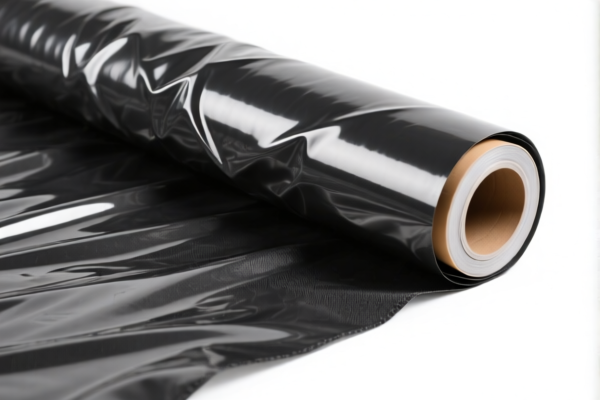
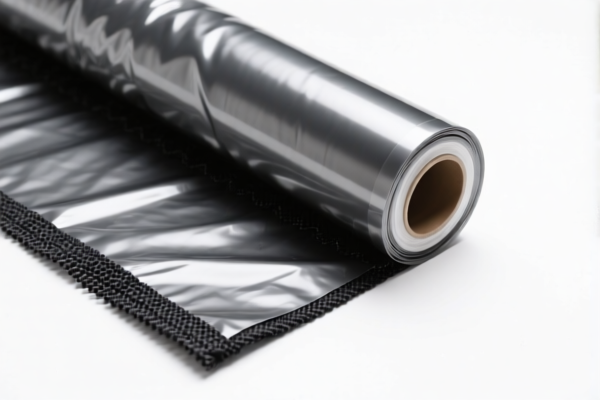
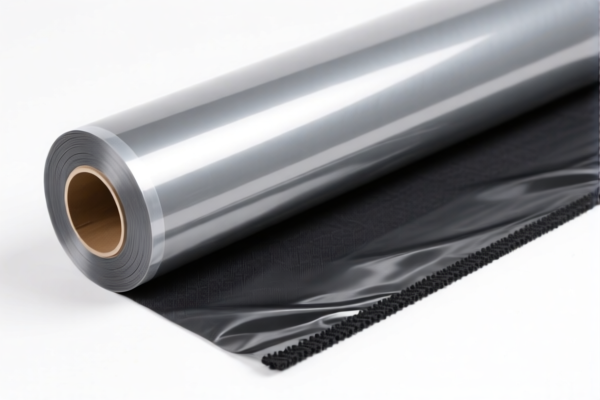
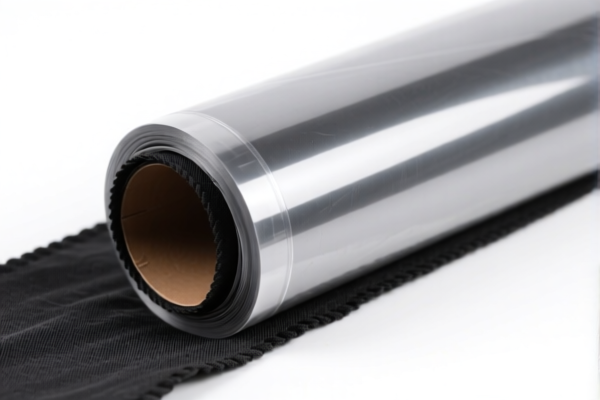
AI Analysis
🎞️ Industrial Microfilm (Industrial Microfilm)
🌐 HS Code Reference & Customs Clearance Guide | 2024/2025 Latest Tariff Full Analysis | Professional Level Clearance Strategy
📌 I. Product Definition & Classification: Do You Really Understand “Microfilm”?
Industrial Microfilm is a high-precision photographic film used for archiving documents, records, and data in industrial, legal, or administrative contexts. In international trade, it is classified under Chapter 37 (Photographic or Cinematographic Goods). The classification depends heavily on whether the film is exposed/unexposed, its format (roll vs. sheet), and specific material composition.
Since the input "Industrial Microfilm" does not specify: 1. Exposure Status: Is it raw (unexposed) or processed? 2. Width/Format: Is it a roll or a sheet? 3. Material: Is it plastic-based (cellulose acetate/polyester) or other?
We derive the most likely HS Codes based on logical deduction and common industry standards for "Industrial" use (which typically implies unexposed archival film or processed microform).
⚠️ Key Distinction: - Unexposed Photographic Film: Falls under 3702 (Rolls) or 3701/3702 (Sheets/Panels). - Processed/Exposed Film: If it contains recorded data, it may fall under 3705 or other recording media categories. - Material Assumption: Based on common sense, industrial microfilm is non-paper/non-textile (plastic-based).
📦 II. HS Code Classification Details (Based on Provided Data)
| HS Code | Product Description | Matching Logic (from Data) | Total Tax Rate |
|---|---|---|---|
| 3702.44.01.60 | Sensitized Unexposed Photographic Film in Rolls, Other (Non-paper/Textile) | Match: "Photographic film" matches; "Other" category for unspecified width/material via "non-paper/textile" default logic. | 38.7% |
| 3701.91.00.60 | Other Color Photographic Plates/Films, Other (Industrial Use Assumed) | Match: "Photographic film" (form match); "Industrial" use infers non-paper/textile material, fitting "Other Color Photography" fallback. | 38.7% |
| 3705.00.00.00 | Photographic Plates and Film Exposed but not Developed (or Similar) | Match: Success. "Film" is core form; "Industrial" use doesn't conflict. Based on "Possible Match" principle, no obvious material/form conflict. | 35.0% |
| 3701.99.60.60 | Other Color Photographic Plates/Films, Other (Sensitized Film) | Match: "Photographic film" category; Form is sensitized film; Material inferred as non-paper/non-textile via common sense. | 35.0% |
| 3702.44.01.30 | Sensitized Unexposed Photographic Film in Rolls, Other | Match: Success. "Photographic film" matches "Sensitized Unexposed"; Width unspecified but inferred as photographic material with no material conflict. | 38.7% |
🔍 Key Reminder: - 3702 codes generally apply to rolls of sensitized (unexposed) film. - 3701/3705 may apply to sheets, plates, or exposed/processed film. - The "Industrial" tag does not automatically change the HS code but helps exclude paper-based products.
💰 III. 2024/2025 Latest Tariff Rate Details (Including Additional Taxes & Policy Add-ons)
✅ Applicable Country: United States (US)
✅ Origin: China (CN)
✅ Effective Time: 2025/2026 (Current trade war context)
🎯 1. 3702.44.01.60 & 3702.44.01.30 & 3701.91.00.60
Product: Sensitized/Unexposed Photographic Film (Rolls/Plates)
Total Tax Rate: 38.7%
| Item | Content |
|---|---|
| Base Tariff | 3.7% (Ad Valorem) |
| Section 301 Tariff (USITC) | +25.0% (From USITC Footnote 9903.88.01 / Section 301 List 3) |
| Section 122 Tariff (IEEPA) | +10.0% (Against China/HK products, effective from Nov 10, 2025) |
| Total Rate | 38.7% |
| Calculation | CIF Value × 38.7% |
| De Minimis Eligibility | ❌ No (deny_de_minimis) |
| Legal Basis Path | IEEPA:9903.01.25 → IEEPA:9903.01.24 → USITC:3702.44.01.60 → FOOTNOTE:9903.88.01 |
📌 Explanation:
- The 3.7% is the standard MFN base rate for photographic films.
- The 25% is the Section 301 tariff, a significant penalty on Chinese manufactured goods.
- The 10% is the "Section 122" tariff (often associated with emergency economic powers against China), added on top of the base and Section 301 rates.
- Total: 38.7%. This is a high tariff.
🎯 2. 3705.00.00.00
Product: Photographic Film Exposed but Not Developed (or similar processing)
Total Tax Rate: 35.0%
| Item | Content |
|---|---|
| Base Tariff | 0.0% (Ad Valorem) |
| Section 301 Tariff (USITC) | +25.0% |
| Section 122 Tariff (IEEPA) | +10.0% |
| Total Rate | 35.0% |
| Calculation | CIF Value × 35.0% |
| De Minimis Eligibility | ❌ No (deny_de_minimis) |
| Legal Basis Path | IEEPA:9903.01.25 → IEEPA:9903.01.24 → USITC:3705.00.00.00 |
📌 Explanation:
- The base rate is 0%, which is lower than the 3.7% for unexposed film.
- However, the Section 301 (25%) and Section 122 (10%) still apply.
- Total: 35.0%. This is the lowest rate among the options provided.
🎯 3. 3701.99.60.60
Product: Other Color Photographic Plates/Films (Sensitized)
Total Tax Rate: 35.0%
| Item | Content |
|---|---|
| Base Tariff | 0.0% (Ad Valorem) |
| Section 301 Tariff (USITC) | +25.0% |
| Section 122 Tariff (IEEPA) | +10.0% |
| Total Rate | 35.0% |
| Calculation | CIF Value × 35.0% |
| De Minimis Eligibility | ❌ No (deny_de_minimis) |
| Legal Basis Path | IEEPA:9903.01.25 → IEEPA:9903.01.24 → USITC:3701.99.60.60 |
📌 Explanation:
- Similar to 3705, the base rate is 0%.
- The additional tariffs push the total to 35.0%.
🛠️ IV. Customs Clearance Practical Advice (Practical Pitfall Avoidance Guide)
✅ 1. Prepare Document Checklist (All are Mandatory)
| Document | Required? | Description |
|---|---|---|
| ✅ Product Specifications | ✔️ | Must specify: Width, Length, Material (Acetate/Polyester), Sensitization status (Exposed/Unexposed). |
| ✅ HS Code Justification Memo | ✔️ | Explain why "Industrial Microfilm" fits the chosen code (e.g., "Unexposed roll for archival purposes"). |
| ✅ Commercial Invoice | ✔️ | Clearly state "Industrial Microfilm" and NOT just "Film" to avoid ambiguity. |
| ✅ Packing List | ✔️ | Detail dimensions and weight. |
| ✅ Certificate of Origin | ✔️ | To prove CN origin (triggering tariffs). |
| ✅ Photos of Product | ✔️ | Show label, roll/spool, and any technical markings. |
✅ 2. Declaration Tips (Key Mnemonic)
🔥 "Clarify Exposure, Define Width, Base Rate Determines Total!"
| Scenario | Correct Declaration | Risk if Wrong |
|---|---|---|
| Unexposed Roll | 3702.44.01.60 or 3702.44.01.30 | If misdeclared as processed (3705), you may face penalties for under-declaring if it's actually unexposed. |
| Exposed/Processed Film | 3705.00.00.00 | If misdeclared as unexposed, you might pay 38.7% instead of 35.0% (minor savings) or face compliance issues. |
| Sheet/Plate Form | 3701.99.60.60 | If declared as roll (3702), customs may reject for physical mismatch. |
| Paper-Based Film | Different Chapter (48/49) | If it's actually paper microfilm (rare for "industrial"), it falls outside Chapter 37. |
📌 Critical Note:
- 3705.00.00.00 has a 0% base rate, making it the most cost-effective if the film is exposed or processed.
- 3702 codes have a 3.7% base rate, leading to a 38.7% total.
- If you are importing raw, unexposed microfilm rolls, you cannot avoid the 3.7% base. You must pay 38.7%.
✅ 3. Special Circumstances Handling
| Situation | Recommendation |
|---|---|
| OEM Custom Microfilm | Provide design specs. Ensure the "Industrial" use is documented to avoid being classified as "Consumer Photography" (which may have different trade remedies). |
| Small Samples (De Minimis) | ❌ Not Eligible. Section 301 and Section 122 tariffs do not apply to de minimis exemptions (Section 321). All shipments, regardless of value, are subject to the 25%+10% tariffs. |
| Mixed Shipments | Declare each type separately. Do not lump "unexposed rolls" and "exposed sheets" into one code. |
| Origin Marking | Ensure "Made in China" is clearly marked on packaging and product to comply with US labeling laws. |
🌍 V. Global Market Clearance Comparison (2024/2025)
| Country/Region | Recommended HS Code | Base Tariff | Total Tariff (CN Origin) | Notes |
|---|---|---|---|---|
| 🇺🇸 USA | 3705.00.00.00 |
0% | 35.0% (Best) | High Section 301 + 122 tariffs. |
| 🇺🇸 USA | 3702.44.01.60 |
3.7% | 38.7% (Higher) | For unexposed rolls. |
| 🇨🇳 China | 3702.44.01.60 |
~3-5% | ~5-10% | Lower import tariffs in China. |
| 🇪🇺 EU | 3702.44.00.00 |
0% | 0% | No Section 301/122. Standard EU tariffs apply (often 0% for films). |
| 🇬🇧 UK | 3702.44.00.00 |
0% | 0% | Post-Brexit tariffs may differ but generally favorable for films. |
📌 Conclusion:
- The US market is the most expensive for Chinese microfilm due to Section 301 and Section 122 tariffs.
- 3705.00.00.00 (Exposed/Processed) is the optimal choice for cost savings if the product allows, as it has a 0% base rate.
- If importing unexposed raw film, expect to pay 38.7%.
📌 VI. Common Errors & Pitfalls (Lessons Learned)
❌ Error 1: Declaring "Industrial Microfilm" without specifying Exposed/Unexposed status.
👉 Consequence: Customs may ask for clarification, causing delays. If they assume unexposed (3702), tax is 38.7%. If it's exposed (3705), tax is 35.0%.
❌ Error 2: Assuming De Minimis ($800) applies.
👉 Consequence: Denied. Section 301 and Section 122 tariffs explicitly exclude de minimis exemptions for Chinese goods. You must pay taxes even on small samples.
❌ Error 3: Misclassifying as "Paper" or "Textile".
👉 Consequence: If it's plastic-based (standard for microfilm), misclassifying as paper/textile is a compliance violation and can lead to fines.
❌ Error 4: Ignoring the Section 122 Tariff.
👉 Consequence: Many brokers forget the 10% IEEPA tariff. The total is not just 25%, but 35% or 38.7%.
✅ Correct Approach:
"Industrial Microfilm, 35mm Roll, Polyester Base, Unexposed, for Archival Purposes, Model XYZ" → 3702.44.01.60 (38.7%)
OR
"Industrial Microfilm, Sheet, Exposed, Containing Scanned Data" → 3705.00.00.00 (35.0%)
🎯 VII. Conclusion: Professional Declaration Saves Money!
🎯 Remember the Mnemonic:
🔹 "Unexposed Rolls Pay 38.7%, Exposed Sheets Pay 35.0%."
🔹 "No De Minimis for China: Every Dollar is Taxed!"
🔹 "Clarify Exposure Status to Save 3.7% Base Rate!"
📌 Pro Tip:
If your microfilm is exposed (contains data), always aim for 3705.00.00.00. It reduces the base tariff from 3.7% to 0%, saving you 3.7% on the CIF value compared to unexposed film.
📣 Immediate Action:
📞 Contact a licensed customs broker.
📝 Provide product photos and technical specs.
🚀 Confirm "Exposed" vs. "Unexposed" status to choose the correct HS Code and minimize tax liability.
✨ Professional Customs Clearance Starts with Accurate Classification!
💼 Every Percentage Point Matters in Global Trade!
Customer Reviews
About HS Code Classification
The Harmonized System (HS) is an internationally standardized nomenclature developed by the World Customs Organization (WCO) to classify traded products. Over 200 countries use the HS system as the basis for customs tariffs, trade statistics, and import/export regulations.
Each HS code follows a hierarchical structure:
- Chapter (2 digits) — Broad category of goods (e.g., Chapter 84: Machinery and Mechanical Appliances)
- Heading (4 digits) — More specific grouping within the chapter
- Subheading (6 digits) — Internationally standardized breakdown, used by all WCO member countries
- National subdivisions (8-10 digits) — Country-specific extensions for further classification, such as US HTSUS 10-digit codes
Correct HS code classification is essential for smooth customs clearance, accurate duty payment, and compliance with trade regulations. Misclassification can lead to customs delays, overpayment of duties, or penalties.
When importing from CN to US, the applicable tariff rates may include:
- Most-Favored-Nation (MFN) rate — The standard duty rate applied to WTO members
- General rate — Applied to countries without trade agreements
- Trade remedy duties — Additional tariffs such as Section 301 (anti-dumping), Section 232 (national security), or countervailing duties
The information provided on this page is for reference purposes only. For official classification, please consult with your local customs authority or a licensed customs broker.