Industrial Mono carboxylic Fatty Acid Rosin
CN → US| HS Code | Tariff Rate | Origin | Destination | Doc |
|---|---|---|---|---|
| 2915901050 | 40.0% | CN | US | Official Doc |
| 2915901010 | 40.0% | CN | US | Official Doc |
| 3824994190 | 39.6% | CN | US | Official Doc |
| 2916151000 | 41.5% | CN | US | Official Doc |
| 3824994140 | 39.6% | CN | US | Official Doc |
Product Images
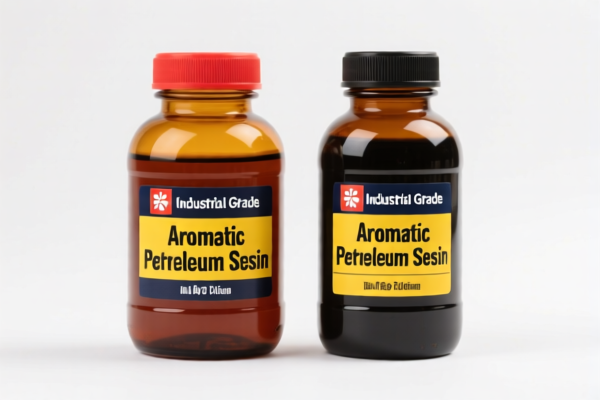
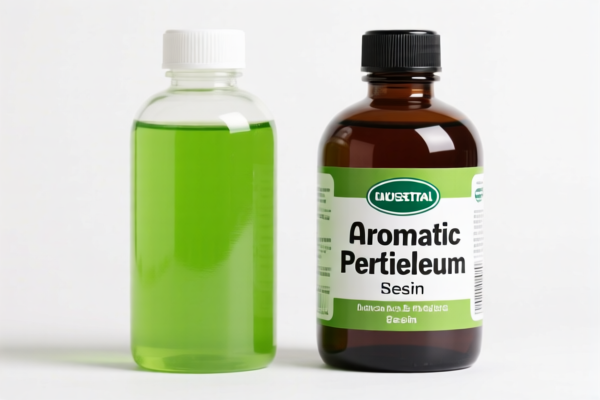
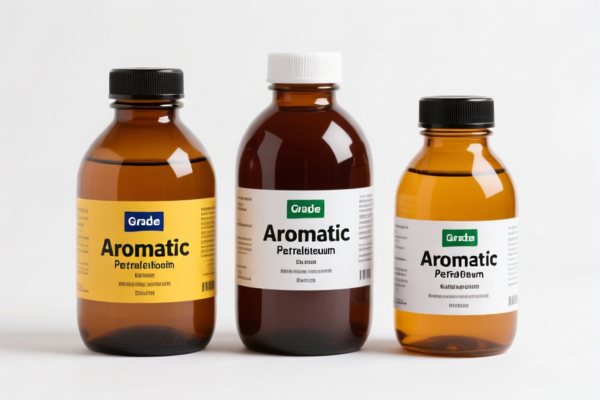
AI Analysis
🧪 Industrial Mono-Carboxylic Fatty Acids (Rosin Content < 2%)
🌐 HS Code Reference & Customs Clearance Guide | 2026 Latest Tariff Analysis | Professional Strategy
📌 I. Product Definition & Classification: What Exactly Is This Chemical?
Industrial Mono-Carboxylic Fatty Acids are carboxylic acids containing a single carboxyl group (-COOH) in their molecule. The specific variant mentioned here contains less than 2% Rosin (colophony). This low rosin content is critical for classification, as it distinguishes the product from natural resin acids or complex mixtures dominated by rosin derivatives.
Depending on the chemical structure (saturated vs. unsaturated) and the specific origin/processing method, these acids fall into different categories under the Harmonized System (HS):
- Saturated Acyclic Mono-Carboxylic Acids: Straight-chain fatty acids like stearic acid or palmitic acid (industrial grade).
- Unsaturated Acyclic Mono-Carboxylic Acids: Acids with double bonds, such as oleic acid or linoleic acid.
- Miscellaneous Fatty Substances: If the material is viewed as a mixture of animal/plant origin fats or derivatives not specifically listed elsewhere (e.g., certain mixed fatty acids or esters).
⚠️ Key Distinction Point:
- Chemical Structure: Is it saturated (no double bonds) or unsaturated?
- Purity/Content: The "Rosin Content < 2%" rule allows many products to stay within pure fatty acid chapters rather than being classified as "Resins" or "Mixed Oil/Fat Preparations."
- Form: Industrial raw material vs. refined chemical intermediate.
📦 II. HS Code Classification Details (2026 Latest Tariff Authority Comparison)
Based on the provided data, here are the five possible HS codes for "Industrial Mono-Carboxylic Fatty Acid (Rosin < 2%)". Each corresponds to a specific chemical characteristic or regulatory bucket.
| HS Code | Product Description & Key Characteristics | Applicable Scenario | Tax Rate (Total) |
|---|---|---|---|
| 2915.90.10.50 | Saturated Acyclic Mono-Carboxylic Acid Industrial grade, matches "Saturated Acyclic" definition. |
Straight-chain fatty acids (e.g., Stearic, Palmitic) used in industrial manufacturing. | 40.0% |
| 2915.90.10.10 | Saturated Acyclic Mono-Carboxylic Acid Raw material form, matches "Saturated Acyclic" definition. |
Industrial raw materials for saturated fatty acids. | 40.0% |
| 3824.99.41.90 | Miscellaneous Animal/Vegetable Fat Substances Mixture or derivative not fully specified elsewhere. |
Mixed fatty acid blends, by-products, or less pure industrial grades classified as "Other." | 39.6% |
| 2916.15.10.00 | Unsaturated Acyclic Mono-Carboxylic Acid Industrial form, chemical raw material category. |
Unsaturated fatty acids (e.g., Oleic, Linoleic) with double bonds in the chain. | 41.5% |
| 3824.99.41.40 | Fatty Acid Esters/Related Substances Unclassified elsewhere, matches fatty acid ester characteristics. |
Fatty acid derivatives, esters, or complex mixtures where the acid is a minor or defined component. | 39.6% |
🔍 Critical Analysis:
- Chapter 29 (Organic Chemicals): Codes2915and2916are for pure or defined chemical substances. These generally carry the highest scrutiny but offer the most precise classification if you have a Certificate of Analysis (CoA).
- Chapter 38 (Miscellaneous Chemical Products): Codes3824are for mixtures, preparations, or products not specified elsewhere. If your product is a blend or lacks a specific single-identity CoA, it may default here.
- Tax Difference: The difference between ~39.6% and 41.5% is significant for bulk imports. Misclassification can lead to underpayment penalties.
💰 III. 2026 Latest Tariff Rate Breakdown (Including Surtaxes & Policy Surcharges)
✅ Applicable Country: United States (US)
✅ Origin: China (CN)
✅ Effective Time: Post-2025 (Current Trade Environment)
The total tax rate is a composite of Base Tariff, Section 301 Surtax, and Section 122 (IEEPA) Surtax.
🎯 1. 2915.90.10.50 & 2915.90.10.10 —— Saturated Acyclic Mono-Carboxylic Acids
| Item | Content |
|---|---|
| Base Tariff | 5.0% (Ad Valorem) |
| Section 301 Surtax | +25.0% (USITC Footnote 9903.88.01 / Section 301) |
| Section 122 Surtax | +10.0% (IEEPA - Section 122 related to specific Chinese goods) |
| Total Tax Rate | 40.0% |
| Tax Calculation | CIF Value × 40% |
| De Minimis Exemption | ❌ Not Applicable (High value imports do not qualify) |
| Legal Path | USITC:2915.90.10.50 → SECTION_301:25% → IEEPA:10% |
📌 Explanation:
- Saturated fatty acids are heavily taxed due to their industrial volume. The 25% Section 301 duty is standard for most Chinese chemical imports.
- The additional 10% creates a high barrier, making cost optimization crucial.
🎯 2. 3824.99.41.90 & 3824.99.41.40 —— Miscellaneous Fatty Substances & Esters
| Item | Content |
|---|---|
| Base Tariff | 4.6% (Ad Valorem) |
| Section 301 Surtax | +25.0% |
| Section 122 Surtax | +10.0% |
| Total Tax Rate | 39.6% |
| Tax Calculation | CIF Value × 39.6% |
| De Minimis Exemption | ❌ Not Applicable |
| Legal Path | USITC:3824.99.41.90 → SECTION_301:25% → IEEPA:10% |
📌 Explanation:
- These codes have a slightly lower base tariff (4.6% vs 5.0%), resulting in a total of 39.6% (0.4% savings compared to saturated acids).
- Use this only if the product fits the "Miscellaneous" or "Ester" definition accurately. Misclassifying a pure saturated acid here is risky.
🎯 3. 2916.15.10.00 —— Unsaturated Acyclic Mono-Carboxylic Acids
| Item | Content |
|---|---|
| Base Tariff | 6.5% (Ad Valorem) |
| Section 301 Surtax | +25.0% |
| Section 122 Surtax | +10.0% |
| Total Tax Rate | 41.5% |
| Tax Calculation | CIF Value × 41.5% |
| De Minimis Exemption | ❌ Not Applicable |
| Legal Path | USITC:2916.15.10.00 → SECTION_301:25% → IEEPA:10% |
📌 Explanation:
- Unsaturated fatty acids have a higher base tariff (6.5%).
- Total Rate: 41.5% — This is the most expensive classification among the options.
- Strategic Advice: If your product can be proven to be saturated (e.g., Stearic Acid) rather than unsaturated (e.g., Oleic Acid), it saves 1.5% in total tax. Verify the Iodine Value in your CoA.
🛠️ IV. Customs Clearance Practical Advice (Real-World Pitfall Guide)
✅ 1. Documentation Checklist (Non-Negotiable)
| Document | Mandatory? | Notes |
|---|---|---|
| ✅ Certificate of Analysis (CoA) | ✔️ Critical | Must specify: Rosin Content < 2%, Saturated vs. Unsaturated, Chemical Identity (e.g., C18:0 vs C18:1). |
| ✅ Product Specification Sheet | ✔️ | Include physical state (solid/liquid), color, melting point, acid value. |
| ✅ Commercial Invoice | ✔️ | Clearly state: "Industrial Grade Mono-Carboxylic Fatty Acid, Rosin Content < 2%". Avoid vague terms like "Chemical Mix". |
| ✅ Bill of Lading / Packing List | ✔️ | Ensure weight/volume matches invoice. |
| ✅ Origin Certificate | ✔️ | If claiming any preferential treatment (though unlikely for CN-US currently). |
✅ 2. Declaration Tips (Key Mantra)
🔥 "Define the Bond: Saturated = 2915, Unsaturated = 2916, Mixture = 3824. Accuracy Saves Money!"
| Scenario | Correct HS Code | Risk of Wrong Declaration |
|---|---|---|
| Stearic Acid (Saturated) | 2915.90.10.50 or .10 |
If declared as Unsaturated (2916) → Overpay by 1.5%. If declared as Mixture (3824) → Audit Risk (Penalties for misclassification). |
| Oleic Acid (Unsaturated) | 2916.15.10.00 |
High tax (41.5%). Ensure it's not a blend that could qualify for 3824 (39.6%) if legally permissible. |
| Fatty Acid Blend/Ester | 3824.99.41.90 or .40 |
Base tax is lower (4.6%), but requires proof that it's not a pure single compound. |
| Product with >2% Rosin | Different Code (e.g., Resin acids) | Major Compliance Risk. Changes chapter entirely. Must reduce rosin content or declare correctly. |
✅ 3. Special Handling Cases
| Case | Recommendation |
|---|---|
| High Purity (>99%) | Strongly lean towards Chapter 29 (2915/2916). Customs prefers precise chemical classification for pure substances. |
| Technical Grade (90-95%) | May fall under Chapter 38 (3824) if it contains significant impurities or is a defined mixture. Consult with a broker. |
| Liquid vs. Solid | State of matter affects transport codes but not usually HS classification for fatty acids. However, it affects packaging requirements. |
| "Rosin Content < 2%" Claim | Must be supported by the CoA. If Customs tests and finds >2%, penalties will apply for misclassification. |
🌍 V. Global Market Comparison (2026 Snapshot)
| Country/Region | Recommended HS Code | Approx. Tariff (CN Origin) | Key Certification | Notes |
|---|---|---|---|---|
| 🇺🇸 USA | 2915.90.10.50 / 2916.15.10.00 |
40.0% - 41.5% | No specific FCC/UL for chemicals, but TSCA compliance required | High Surtax. Cost is the biggest driver for classification choice. |
| 🇨🇳 China | Same HS Codes | ~5% - 9% | N/A | Low tariff, high volume trade. |
| 🇪🇺 EU | 2915 / 2916 | ~5.3% + VAT | REACH Registration | No US-style surtaxes. REACH compliance is the main barrier. |
| 🇬🇧 UK | 2915 / 2916 | ~5.3% | UK REACH | Post-Brexit rules mirror EU closely. |
| 🇮🇳 India | 2915 / 2916 | ~7.5% + SWS | BIS Certification | SWS (Social Welfare Surcharge) adds extra cost. |
📌 Conclusion:
- The US market is the most tax-heavy due to Section 301 and IEEPA surcharges.
- Classification Accuracy is Paramount: Saving 1.5% (by choosing Sat. vs. Unsat.) or 0.4% (by choosing Misc. vs. Pure) adds up to millions in bulk shipments.
📌 VI. Common Errors & Pitfalls (Lessons Learned)
❌ Error 1: Calling it "Fatty Acid" generically without specifying Saturated/Unsaturated.
👉 Consequence: Customs may assign the highest default rate or request a re-classification, causing delays.
❌ Error 2: Ignoring the "Rosin Content < 2%" threshold.
👉 Consequence: If rosin > 2%, it may be classified as Resin (Chapter 38 or 13), changing the tariff structure entirely.
❌ Error 3: Using Chapter 38 (3824) for a Pure Chemical (2915).
👉 Consequence: While 3824 has a lower base rate, it carries higher audit risk for "impure" goods. If you ship pure Stearic Acid, use 2915.
❌ Error 4: Not providing a CoA.
👉 Consequence: Customs cannot verify the "Rosin < 2%" claim or the saturated/unsaturated status → Hold for Inspection.
✅ Correct Approach:
"Industrial Stearic Acid (Saturated Mono-Carboxylic Fatty Acid), Purity ≥ 95%, Rosin Content < 2%, CAS No. [Insert CAS], HS Code: 2915.90.10.50"
🎯 VII. Conclusion: Precise Classification, Maximized Profit
🎯 Remember the Mantra:
🔹 "Saturated is 40%, Unsaturated is 41.5%, Mixture is 39.6%. Check your Bonds!"
🔹 "Rosin < 2% is Key. No CoA, No Entry."
📌 Pro Tip:
If your product is Unsaturated but you can blend it or process it to be Saturated (or vice versa), consult a chemist and customs broker. A 1.5% tariff difference on a 100,000 MT shipment is $150,000+.
📣 Immediate Action:
📞 Contact your Customs Broker with the CoA.
🔍 Verify CAS Number against HS Code definitions.
📄 Request an Advance Ruling if the shipment value is very high, to lock in the HS Code legally.
✨ Professional Customs Clearance Starts with Precise Classification!
💼 Every Percent of Tax Matters in the Chemical Trade!
Customer Reviews
About HS Code Classification
The Harmonized System (HS) is an internationally standardized nomenclature developed by the World Customs Organization (WCO) to classify traded products. Over 200 countries use the HS system as the basis for customs tariffs, trade statistics, and import/export regulations.
Each HS code follows a hierarchical structure:
- Chapter (2 digits) — Broad category of goods (e.g., Chapter 84: Machinery and Mechanical Appliances)
- Heading (4 digits) — More specific grouping within the chapter
- Subheading (6 digits) — Internationally standardized breakdown, used by all WCO member countries
- National subdivisions (8-10 digits) — Country-specific extensions for further classification, such as US HTSUS 10-digit codes
Correct HS code classification is essential for smooth customs clearance, accurate duty payment, and compliance with trade regulations. Misclassification can lead to customs delays, overpayment of duties, or penalties.
When importing from CN to US, the applicable tariff rates may include:
- Most-Favored-Nation (MFN) rate — The standard duty rate applied to WTO members
- General rate — Applied to countries without trade agreements
- Trade remedy duties — Additional tariffs such as Section 301 (anti-dumping), Section 232 (national security), or countervailing duties
The information provided on this page is for reference purposes only. For official classification, please consult with your local customs authority or a licensed customs broker.