Industrial Moving Extra Large Inflatable Rubber Tire
CN → US| HS Code | Tariff Rate | Origin | Destination | Doc |
|---|---|---|---|---|
| 4011808020 | 38.4% | CN | US | Official Doc |
| 4011802020 | 39.0% | CN | US | Official Doc |
| 4012909000 | 37.7% | CN | US | Official Doc |
| 4012901000 | 35.0% | CN | US | Official Doc |
| 8431499090 | 85.0% | CN | US | Official Doc |
| 8431499038 | 85.0% | CN | US | Official Doc |
Product Images
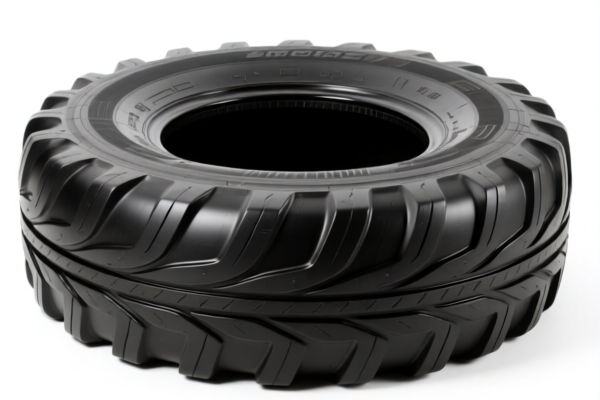
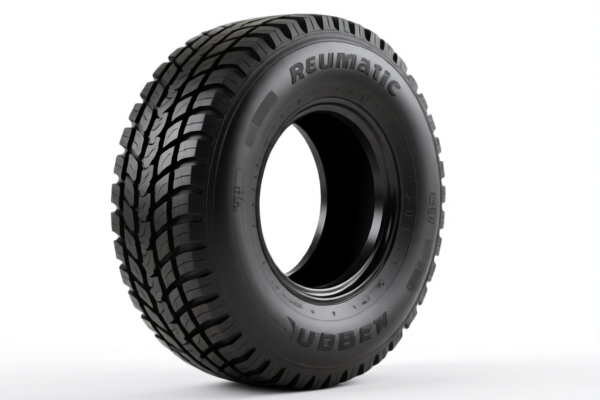
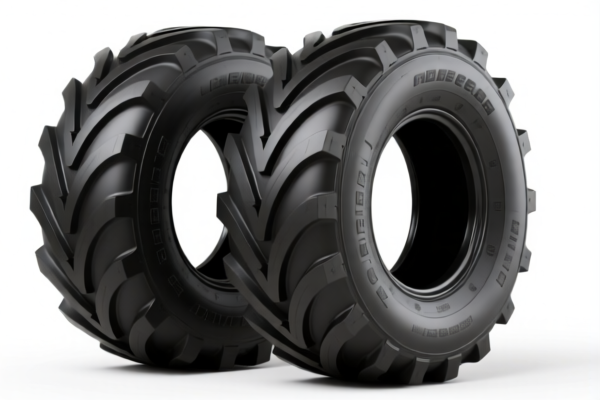
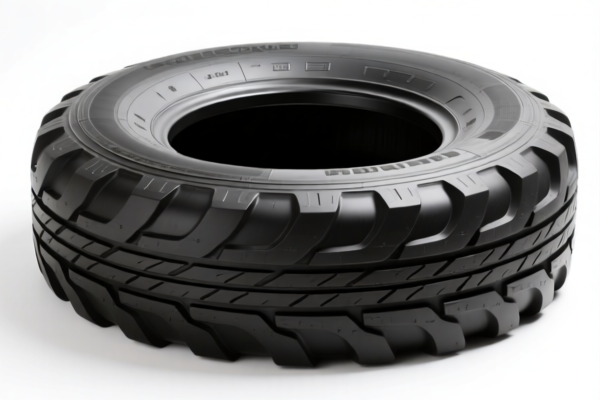
AI Analysis
🚜 Heavy-Duty Industrial Rubber Tires & Assemblies: The Ultimate HS Code & Tax Breakdown (2026)
🌐 HS Code Classification & Customs Clearance Guide | US Import Regulations | Critical Tariff Analysis
📌 I. Product Definition: What Exactly Are We Importing?
"Industrial Moving Extra Large Inflatable Rubber Tire" is a broad term that often leads to costly classification errors. In international trade, these products fall into two distinct categories based on usage and condition:
- New Pneumatic Tires for Heavy Machinery: Specifically designed for construction, mining, or industrial handling vehicles (e.g., excavators, loaders, backhoes).
- Retreaded/Used Tires & Spare Parts: Includes used pneumatic tires, solid tires, treads, and complete wheel/tire assemblies.
⚠️ Critical Distinction Point:
- New, Specific-Use Tires: Classified under Heading 4011 if they are new and specific to machinery.
- Parts/Assemblies: If sold as a complete "wheel and tire assembly" for specific machinery (like backhoes), they may fall under Heading 8431.
- Used/Retreaded: Always classified under Heading 4012.
📦 II. HS Code Classification Matrix (2026 Latest Tariff Schedule)
Based on the provided data, here is the precise breakdown for your product description. Note that "Extra Large" and "Industrial" usage are key determinants.
| HS Code | Product Description | Condition/Type | Key Determinant |
|---|---|---|---|
4011.80.20.20 |
New pneumatic tires, for construction/mining/industrial vehicles | Radial | ✅ New, Radial, Rim > 61cm |
4011.80.80.20 |
New pneumatic tires, for construction/mining/industrial vehicles | Non-Radial | ✅ New, Non-Radial, Rim > 61cm |
4012.90.10.00 |
Retreaded/Used Tires | Solid or Cushion | ❌ Used/Retreaded, Solid/Cushion type |
4012.90.90.00 |
Retreaded/Used Tires | Other (Pneumatic) | ❌ Used/Retreaded, Other than solid/cushion |
8431.49.90.38 |
Parts of Backhoes/Shovels/Clamshells/Draglines | Wheel & Tire Assemblies | ❌ Assembly, Specific Machinery Parts |
8431.49.90.90 |
Parts of Machinery (Headings 8425-8430) | Wheel & Tire Assemblies | ❌ Assembly, General Heavy Machinery Parts |
🔍 Key Insight:
- If your tire is NEW and used on heavy machinery, check if it is Radial (lower base duty) or Non-Radial.
- If it is USED/RETREADED, it goes to 4012.
- If you are shipping a COMPLETE WHEEL & TIRE ASSEMBLY (not just the tire alone) for specific earth-moving machinery, consider 8431 (but beware of higher penalties).
💰 III. Detailed Tariff Analysis (US Import from China)
✅ Applicable Country: United States (US)
✅ Origin: China (CN)
⚠️ Warning: High punitive tariffs apply due to Section 301 and IEEPA regulations.
🎯 1. 4011.80.20.20 — New Radial Tires (Rim > 61cm)
| Item | Details |
|---|---|
| Base Duty | 0.0% |
| Section 301 Duty | 0.0% |
| Total Tax Rate | 0.0% |
| Calculation | CIF Value × 0% |
| De Minimis? | ❌ No (Large tires are excluded) |
| Legal Path | HTSUS:4011.80.20.20 |
📌 Explanation:
- This is the most favorable tariff for new, heavy-duty radial tires.
- Both base duty and punitive Section 301 duties are 0% for this specific subheading.
- Strategy: If possible, ensure the tires are Radial and New to utilize this 0% rate.
🎯 2. 4011.80.80.20 — New Non-Radial Tires (Rim > 61cm)
| Item | Details |
|---|---|
| Base Duty | 3.4% |
| Section 301 Duty | 25.0% |
| Total Tax Rate | 28.4% |
| Calculation | CIF Value × 28.4% |
| De Minimis? | ❌ No |
| Legal Path | HTSUS:4011.80.80.20 |
📌 Explanation:
- Non-radial (bias-ply) tires for heavy machinery face significant duties.
- 3.4% base duty + 25% punitive tariff = 28.4%.
- Strategy: Only use this code if the tires are confirmed non-radial. Radial tires should be classified under4011.80.20.20to save 28.4%.
🎯 3. 4012.90.10.00 — Retreaded/Used Solid or Cushion Tires
| Item | Details |
|---|---|
| Base Duty | 0.0% |
| Section 301 Duty | 25.0% |
| Total Tax Rate | 25.0% |
| Calculation | CIF Value × 25.0% |
| De Minimis? | ❌ No |
| Legal Path | HTSUS:4012.90.10.00 |
📌 Explanation:
- Used/retreaded solid tires (common in forklifts or industrial carts) have no base duty but incur the full 25% punitive tariff.
- Warning: Do not confuse with pneumatic used tires (see below).
🎯 4. 4012.90.90.00 — Retreaded/Used Pneumatic Tires (Other)
| Item | Details |
|---|---|
| Base Duty | 2.7% |
| Section 301 Duty | 25.0% |
| Total Tax Rate | 27.7% |
| Calculation | CIF Value × 27.7% |
| De Minimis? | ❌ No |
| Legal Path | HTSUS:4012.90.90.00 |
📌 Explanation:
- Used or retreaded pneumatic tires (inflatable) fall here.
- 2.7% base duty + 25% punitive tariff = 27.7%.
- This is the highest tax rate for standard tire types in this dataset.
🎯 5. 8431.49.90.90 & 8431.49.90.38 — Wheel & Tire Assemblies (Parts)
⚠️ CRITICAL WARNING: These codes carry EXTREMELY HIGH tariffs for steel, aluminum, and copper products.
A. 8431.49.90.90 (General Machinery Parts - Assemblies)
| Item | Details |
|---|---|
| Base Duty | 0.0% |
| Section 301 Duty | 25.0% |
| Additional Metal Duty | +50% (for Steel/Aluminum/Copper components) |
| Total Tax Rate | 75.0% |
| Calculation | CIF Value × 75.0% |
| De Minimis? | ❌ No |
B. 8431.49.90.38 (Parts of Backhoes/Shovels/etc. - Assemblies)
| Item | Details |
|---|---|
| Base Duty | 0.0% |
| Section 301 Duty | 25.0% |
| Additional Metal Duty | +50% (for Steel/Aluminum/Copper components) |
| Total Tax Rate | 75.0% |
| Calculation | CIF Value × 75.0% |
| De Minimis? | ❌ No |
📌 Explanation:
- If you ship complete wheel and tire assemblies (tire mounted on rim) as "parts" for heavy machinery, you trigger the 50% metal surcharge on top of the 25% Section 301 duty.
- Total: 75%!
- Strategy: AVOID this classification if possible. Ship tires unmounted (loose) to use Heading 4011/4012. Only classify as 8431 if the assembly is integral to the machinery's function and cannot be separated.
🛠️ IV. Customs Clearance Strategy & Pitfall Avoidance
✅ 1. Documentation Checklist (Must-Haves)
| Document | Purpose |
|---|---|
| Commercial Invoice | Must clearly state: "New/Used Pneumatic Tire," "Radial/Non-Radial," "Rim Size," "For Construction Vehicle." |
| Product Specification Sheet | Proof of tire type (Radial vs. Bias), size, and load index. |
| Photos | Show sidewall markings (DOT, size, radial indicator "R"). |
| Packing List | List items individually. Do not lump tires with metal rims if possible. |
| Origin Certificate | To verify Chinese origin (subject to tariffs). |
✅ 2. Classification Rules of Thumb
| Scenario | Recommended HS Code | Why? |
|---|---|---|
| New Radial Tire, Rim > 61cm | 4011.80.20.20 |
0% Total Tax. Best option. |
| New Non-Radial Tire, Rim > 61cm | 4011.80.80.20 |
28.4% Total Tax. Inevitable if not radial. |
| Used/Retreaded Pneumatic Tire | 4012.90.90.00 |
27.7% Total Tax. Standard used tire code. |
| Used/Retreaded Solid Tire | 4012.90.10.00 |
25.0% Total Tax. Solid/cushion type. |
| Complete Wheel + Tire Assembly | 8431.49.90.90 |
75% Total Tax. AVOID unless necessary. |
🔥 Golden Rule:
"Separate Tires from Rims!"
Shipping a tire mounted on a metal rim as a "part" triggers the 50% metal penalty. Ship them loose to classify as tires only, saving you ~47% in duties.
✅ 3. Common Mistakes to Avoid
❌ Mistake 1: Classifying new radial tires as "Other" (4011.80.80.20)
👉 Result: Pay 28.4% instead of 0%.
👉 Fix: Ensure "Radial" is clearly marked on the invoice and product.
❌ Mistake 2: Shipping assembled wheels as "Parts" (8431...)
👉 Result: 75% tax due to metal surcharge.
👉 Fix: Ship tires and rims separately.
❌ Mistake 3: Mislabeling used tires as new
👉 Result: Fraud penalty, seizure, or misclassification fines.
👉 Fix: Be honest about condition. Use 4012 codes for used/retreaded.
🌍 V. Global Market Comparison (2026)
| Region | Best HS Code | Est. Total Duty | Notes |
|---|---|---|---|
| 🇺🇸 USA | 4011.80.20.20 |
0.0% | Only if Radial & New. |
| 🇨🇳 China | 4011.80.20.20 |
~5-10% | Import duties vary; check FTA if applicable. |
| 🇪🇺 EU | 4011.80 |
~2-5% | No Section 301 equivalent, but anti-dumping may apply. |
| 🇲🇽 Mexico | 4011.80 |
Varies | USMCA benefits may apply if originating. |
🎯 VI. Conclusion & Action Plan
🎯 Final Recommendation:
1. Identify Type: Is it Radial or Non-Radial? New or Used?
2. Avoid Assemblies: Ship tires unmounted to escape the 75% metal tariff.
3. Maximize Savings: Aim for 4011.80.20.20 (0% tax) by ensuring products are New Radial Tires.
4. Document Thoroughly: Provide clear specs to avoid customs delays.
📢 Immediate Action:
- Verify tire type (Radial/Bias) with your supplier.
- Update invoices to specify "Unmounted Pneumatic Tire."
- Consult a licensed customs broker to file an Advance Ruling if unsure.
✨ Professional clearance starts with precise classification!
💼 Don’t let a 28% or 75% tariff eat your profits. Classify correctly!
Customer Reviews
About HS Code Classification
The Harmonized System (HS) is an internationally standardized nomenclature developed by the World Customs Organization (WCO) to classify traded products. Over 200 countries use the HS system as the basis for customs tariffs, trade statistics, and import/export regulations.
Each HS code follows a hierarchical structure:
- Chapter (2 digits) — Broad category of goods (e.g., Chapter 84: Machinery and Mechanical Appliances)
- Heading (4 digits) — More specific grouping within the chapter
- Subheading (6 digits) — Internationally standardized breakdown, used by all WCO member countries
- National subdivisions (8-10 digits) — Country-specific extensions for further classification, such as US HTSUS 10-digit codes
Correct HS code classification is essential for smooth customs clearance, accurate duty payment, and compliance with trade regulations. Misclassification can lead to customs delays, overpayment of duties, or penalties.
When importing from CN to US, the applicable tariff rates may include:
- Most-Favored-Nation (MFN) rate — The standard duty rate applied to WTO members
- General rate — Applied to countries without trade agreements
- Trade remedy duties — Additional tariffs such as Section 301 (anti-dumping), Section 232 (national security), or countervailing duties
The information provided on this page is for reference purposes only. For official classification, please consult with your local customs authority or a licensed customs broker.