Industrial Other New Inflatable Rubber Tires
CN → US| HS Code | Tariff Rate | Origin | Destination | Doc |
|---|---|---|---|---|
| 4011500000 | 35.0% | CN | US | Official Doc |
| 8714998000 | 27.5% | CN | US | Official Doc |
| 4011908050 | 38.4% | CN | US | Official Doc |
| 4012904500 | 39.2% | CN | US | Official Doc |
| 4012909000 | 37.7% | CN | US | Official Doc |
Product Images
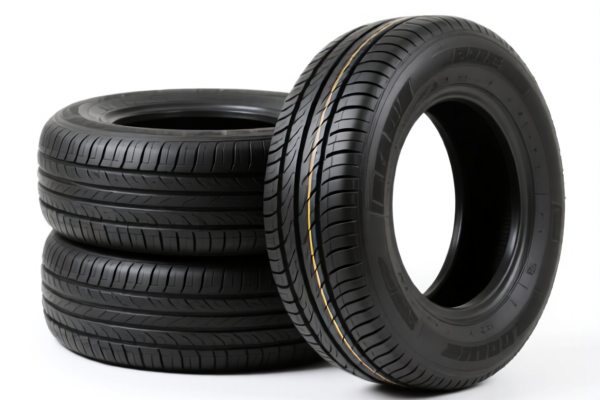
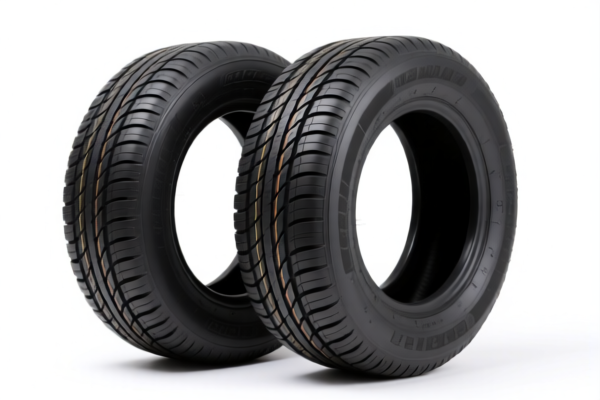
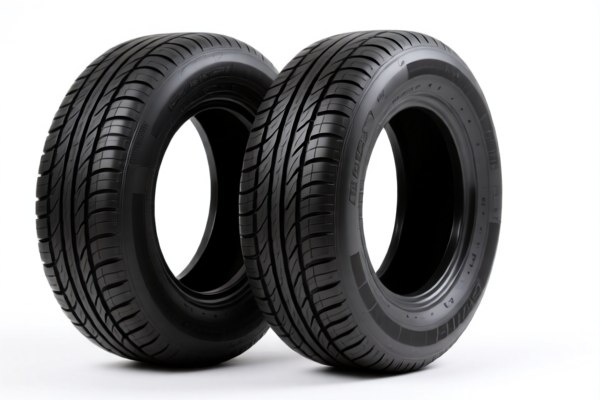
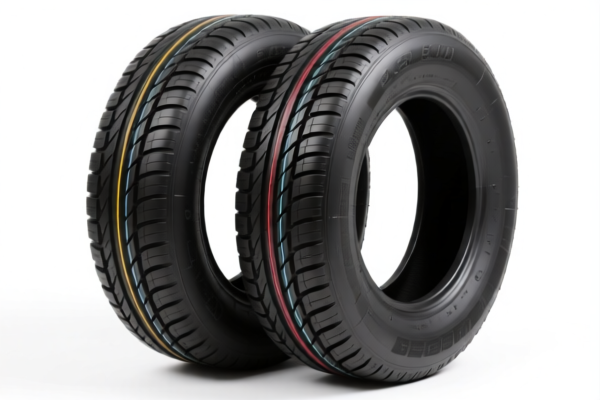
AI Analysis
🛞 Industrial New Inflatable Rubber Tires: The Ultimate Import & Tax Guide (2026 Edition)
🌐 HS Code Reference & Customs Clearance Strategy | 2026 Latest Tariff Analysis | Professional Level Compliance
📌 I. Product Definition & Classification: What Are "Industrial Other New Inflatable Rubber Tires"?
"Inflatable Rubber Tires" are critical components for vehicle mobility, designed to support weight, absorb shock, and provide traction. In international trade, they are strictly categorized by material (Rubber), structure (Inflatable), and end-use application.
Key Distinction in this Dataset:
The input data reveals a complex landscape where the same physical product (a rubber tire) faces vastly different tariff treatments depending on how precisely its application (e.g., Electric Bicycle vs. General Industrial) is defined. Misclassification can lead to massive tax differences (27.5% vs. 39.2%).
⚠️ Critical Alert:
- "Industrial" is a broad term. If the tire is specifically for an Electric Bicycle (E-bike), it may fall under vehicle parts (8714), leading to lower base duties.
- If it is for general industrial machinery or other vehicles not explicitly listed in specific tire headings, it falls under "Other Tires" (4011.90 or 4012.90), which often carry higher base rates.
- Do not mix up "Parts of Vehicles" (8714) with "Tires" (4011/4012). Customs often scrutinize tires declared as "parts" to ensure they are not misclassified to avoid the higher general tire duties.
📦 II. HS Code Classification Matrix (Based on Provided Data)
| HS Code | Product Description & Match Logic | Total Tax Rate | Key Tax Components |
|---|---|---|---|
| 4011.50.00.00 | Match Success: Material (Rubber) + Form (Inflatable Tire). Application (Electric Bicycle) is considered a reasonable extension of "Bicycle" category. | 35.0% | Base: 0.0% Section 301: 25.0% Section 122: 10% |
| 8714.99.80.00 | Match Basis: Classified as a Part/Accessory of Electric Bicycles (under HS 8711-8713). Rubber material is accepted under "Other" parts. No material conflict. | 27.5% | Base: 10.0% Section 301: 7.5% Section 122: 10% |
| 4011.90.80.50 | Match Success: Rubber material + Inflatable form. Fits "Other" category logic for tires not specified elsewhere. | 38.4% | Base: 3.4% Section 301: 25.0% Section 122: 10% |
| 4012.90.45.00 | Match Success: Rubber inflatable tire. Although reference classifies as old/solid/treads, it falls under "Other"兜底 (catch-all). "Rubber" matches reference "Natural Rubber" attribute. | 39.2% | Base: 4.2% Section 301: 25.0% Section 122: 10% |
| 4012.90.90.00 | Match Success: Rubber inflatable tire fits "Rubber Inflatable Tires" under this code. No material/form conflict. | 37.7% | Base: 2.7% Section 301: 25.0% Section 122: 10% |
🔍 Analysis of the Dataset:
The data presents a classification dilemma.
- Lowest Rate (27.5%):8714.99.80.00(As a Part of an Electric Bicycle).
- Highest Rate (39.2%):4012.90.45.00(As a General Other Tire).
- Middle Ground (35-38.4%):4011.50.00.00(As a Tire for Bicycles) or4012.90.90.00.Conclusion: If the "Industrial" tire is specifically designed for an Electric Bicycle, declaring it as a Part (8714) is significantly cheaper. If it is for other machinery, it falls under 4011/4012.
💰 III. 2026 Tariff Rate Breakdown & Policy Details
✅ Applicable Country: USA (US)
✅ Origin: China (CN)
✅ Effective Time: From November 10, 2025 (and subsequent imports)
🎯 1. The "Part" Strategy: 8714.99.80.00 (Lowest Risk/Cost in this dataset)
| Item | Detail |
|---|---|
| Base Tariff | 10.0% (Ad Valorem) |
| Section 301 Additional | +7.5% (Reduced for certain parts compared to full tires) |
| Section 122 Additional | +10.0% (Targeted at Chinese goods) |
| Total Rate | 27.5% |
| Calculation | CIF Value × 27.5% |
| De Minimis Exemption | ❌ Not Eligible (High value component) |
| Legal Path | Section 301: 8714.99.80.00 → Section 122: IEEPA |
📌 Why this matters:
- By classifying the tire as a "Part" of an electric bike rather than a standalone "Tire", the Base Tariff jumps from 0% (in 4011.50) to 10%, BUT the Section 301 tariff drops significantly from 25% to 7.5%.
- Net Result: 27.5% vs 35.0%. This is a 7.5% savings!
- Risk: Customs may challenge this if the tire is not sold with the bike or if the bike is not an "Electric Bicycle" under HS 8711.
🎯 2. The "Bicycle Tire" Strategy: 4011.50.00.00
| Item | Detail |
|---|---|
| Base Tariff | 0.0% |
| Section 301 Additional | +25.0% |
| Section 122 Additional | +10.0% |
| Total Rate | 35.0% |
| Calculation | CIF Value × 35.0% |
| Legal Path | Section 301: 4011.50.00.00 → Section 122: IEEPA |
📌 Why this matters:
- Lower base duty, but heavy Section 301 penalty.
- Suitable if the tire is explicitly marketed as a replacement tire for bicycles.
🎯 3. The "Other General Tire" Strategies: 4011.90.80.50, 4012.90.45.00, 4012.90.90.00
| HS Code | Base | Sec 301 | Sec 122 | Total |
|---|---|---|---|---|
4011.90.80.50 |
3.4% | 25.0% | 10.0% | 38.4% |
4012.90.45.00 |
4.2% | 25.0% | 10.0% | 39.2% |
4012.90.90.00 |
2.7% | 25.0% | 10.0% | 37.7% |
📌 Why this matters:
- These codes are used for tires not specifically for bicycles or passenger cars.
- They carry the maximum Section 301 penalty (25%).
- Only use these if the tire is for industrial machinery, forklifts, or agricultural equipment that does not fall under bicycle/electric bike categories.
🛠️ IV. Customs Clearance Practical Advice (Avoiding Pitfalls)
✅ 1. Documentation Checklist (Must-Have)
| Document | Required? | Explanation |
|---|---|---|
| ✅ Product Spec Sheet | ✔️ | Must detail: Size, Load Index, Speed Rating, Material (Natural/Synthetic Rubber). |
| ✅ Application Declaration | ✔️ | Crucial! Clearly state: "Intended for Electric Bicycles" (for HS 8714/4011.50) OR "For Industrial Forklifts" (for HS 4012). |
| ✅ Photos (Label & Tire) | ✔️ | Show sidewall markings (e.g., "EB-01", "E-Bike Tire", "20x1.75"). |
| ✅ Commercial Invoice | ✔️ | Describe as: "Rubber Inflatable Tires for Electric Bicycles" (not just "Tires"). |
| ✅ Packing List | ✔️ | Standard packing details. |
✅ 2. Classification Strategy: "Part" vs. "Product"
| Scenario | Recommended HS Code | Tax Rate | Reasoning |
|---|---|---|---|
| Tire sold with E-Bike | 8714.99.80.00 |
27.5% | It's a "Part". Lower Section 301. |
| Replacement Tire for E-Bike | 4011.50.00.00 |
35.0% | It's a "Bicycle Tire". Higher Section 301, but 0% Base. |
| Tire for General Industry | 4012.90.90.00 |
37.7% | It's a "General Other Tire". High Base + High Section 301. |
🔥 Pro Tip:
If your "Industrial" tires are actually used on Electric Bicycles, DO NOT declare them as "Industrial Tires" (4012). Declare them as "Parts of Electric Bicycles" (8714) or "Bicycle Tires" (4011.50). The 7.5% vs 25% Section 301 difference is massive.
However, be prepared to provide proof of use (e.g., compatibility chart with specific E-bike models).
✅ 3. Common Mistakes & How to Avoid Them
| Mistake | Consequence | Correction |
|---|---|---|
| Declaring E-Bike tires as "General Industrial Tires" | Pay 37-39% tax instead of 27.5-35%. | Reclassify as 8714.99.80.00 or 4011.50.00.00. |
| Declaring as "Parts" when sold separately | Customs may reclassify as standalone Tires (4011/4012) and assess back-taxes. | Ensure invoice clearly states "Replacement Tire for [Model]" or keep them bundled with bikes for initial entry. |
| Vague Description: "Rubber Tires" | Delays, random audits, potential reclassification to highest duty. | Use precise description: "Inflatable Rubber Tires, Size 20x1.75, for Electric Bicycles, Model X." |
| Ignoring Section 122 (10%) | Underpayment of duties. | All listed HS codes in the data include 10% Section 122. Always include this in cost calculations. |
🌍 V. Global Market Comparison (2026 Update)
| Market | Recommended HS Code (for E-Bike Tires) | Estimated Total Tax (China Origin) | Notes |
|---|---|---|---|
| 🇺🇸 USA | 8714.99.80.00 (Part) |
27.5% | Best option. Includes Sec 301 (7.5%) + Sec 122 (10%). |
| 🇺🇸 USA | 4011.50.00.00 (Tire) |
35.0% | Higher Sec 301 (25%). |
| 🇪🇺 EU | 4011.50 |
~4-6% | No Section 301. Lower base duties. |
| 🇨🇳 China | 4011.50 |
~0-2% | Very low import duty. |
| 🇯🇵 Japan | 4011.50 |
~0-5% | Depends on FTA status. |
📌 Key Takeaway for USA Importers:
The Section 122 Tariff (10%) applies to all these codes.
The Section 301 Tariff varies: 7.5% for Parts (8714) vs. 25% for General Tires (4012).
Savings Opportunity: If your product is an E-bike tire, classify as Part (8714) to save 17.5% in total tax compared to general tire codes.
📌 VI. Final Checklist for Clearing "Industrial Other New Inflatable Rubber Tires"
- Confirm End-Use: Is it for an Electric Bicycle? If YES, aim for
8714.99.80.00(27.5%) or4011.50.00.00(35.0%). If NO (e.g., forklift), use4012.90.90.00(37.7%). - Document Compatibility: Provide specs showing size/load rating matches E-bike standards if claiming Part status.
- Calculate Costs Accurately: Remember CIF Value × Total Rate. Do not forget the 10% Section 122.
- Pre-Arbitration: If unsure, request an HS Code Binding Ruling from US Customs (CBP) to lock in the 27.5% rate.
🎯 Conclusion:
For "Industrial Other New Inflatable Rubber Tires", the single biggest cost saver is accurate classification based on application. If they are E-bike tires, do not treat them as generic industrial tires. Use HS 8714.99.80.00 to leverage the lower Section 301 rate.
📣 Action Item:
📞 Consult a Customs Broker: Provide your tire specs and intended use (E-bike vs. Forklift).
📄 Update Invoice: Ensure "Electric Bicycle" is mentioned if applicable.
🚀 Clear Customs Smoothly: Save up to 11.7% in taxes by choosing the right HS Code!
✨ Precision in Classification = Profit in Logistics! 💼
Customer Reviews
About HS Code Classification
The Harmonized System (HS) is an internationally standardized nomenclature developed by the World Customs Organization (WCO) to classify traded products. Over 200 countries use the HS system as the basis for customs tariffs, trade statistics, and import/export regulations.
Each HS code follows a hierarchical structure:
- Chapter (2 digits) — Broad category of goods (e.g., Chapter 84: Machinery and Mechanical Appliances)
- Heading (4 digits) — More specific grouping within the chapter
- Subheading (6 digits) — Internationally standardized breakdown, used by all WCO member countries
- National subdivisions (8-10 digits) — Country-specific extensions for further classification, such as US HTSUS 10-digit codes
Correct HS code classification is essential for smooth customs clearance, accurate duty payment, and compliance with trade regulations. Misclassification can lead to customs delays, overpayment of duties, or penalties.
When importing from CN to US, the applicable tariff rates may include:
- Most-Favored-Nation (MFN) rate — The standard duty rate applied to WTO members
- General rate — Applied to countries without trade agreements
- Trade remedy duties — Additional tariffs such as Section 301 (anti-dumping), Section 232 (national security), or countervailing duties
The information provided on this page is for reference purposes only. For official classification, please consult with your local customs authority or a licensed customs broker.