Industrial Other Plastic Profile Shapes
CN → US| HS Code | Tariff Rate | Origin | Destination | Doc |
|---|---|---|---|---|
| 9403708031 | 35.0% | CN | US | Official Doc |
| 9403708015 | 35.0% | CN | US | Official Doc |
| 3926909989 | 22.8% | CN | US | Official Doc |
| 3926909987 | 22.8% | CN | US | Official Doc |
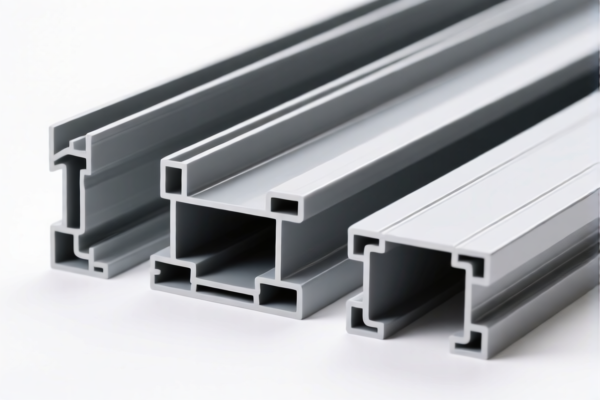
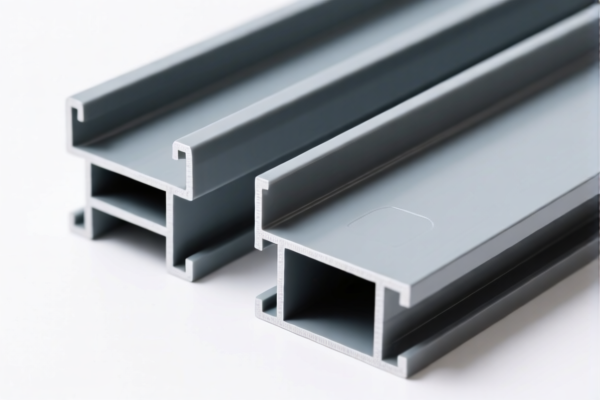
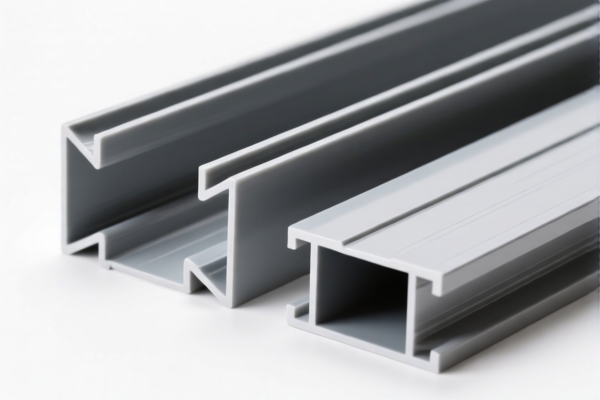
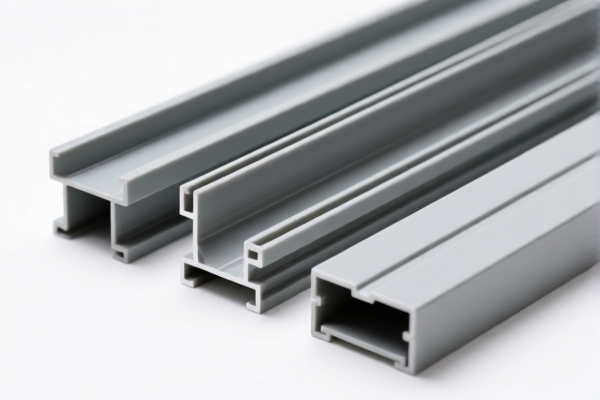
Product Images
AI Analysis
🏭 Industrial Plastic Profile Shapes (3926.90.99.89 / 3926.90.99.87 & 9403.70.80.31 / 9403.70.80.15)
🌐 HS Code Reference & Customs Clearance Guide | 2026 Latest Tariff Analysis | Professional-Level Compliance Strategy
📌 Part 1: Product Definition & Classification: What Exactly Are "Industrial Plastic Profiles"?
"Industrial plastic profile shapes" refer to extruded or molded plastic components used in construction, infrastructure, machinery, and furniture manufacturing. In international trade, these products are primarily classified based on their final application and physical structure:
1. General Industrial Plastics (Headings 3901-3914):
Extruded Profiles/Sheets/Plates: Used for sealing, insulation, mechanical support, or aesthetic finishing in industrial settings.
Electrical Conduits: Rigid tubes specifically designed to protect electrical wiring.
2. Plastic Furniture & Parts (Heading 9403):
Plastic Furniture: Chairs, tables, shelves, or storage units made primarily of plastic.
Furniture Parts: Components like legs, frames, or shelves that are integral to the furniture structure.
⚠️ Key Distinction Point:
- If the product is a raw material, semi-finished profile, or specific industrial component (e.g., conduit, gasket, frame extrusion) → It falls under Chapter 39 (Plastics and Articles Thereof).
- If the product is a finished piece of furniture (e.g., a plastic chair, shelf unit, or table) → It falls under Chapter 94 (Furniture and Parts Thereof).
- Crucial Note: Even if made of plastic, "furniture" is never classified under Chapter 39. Misclassification leads to severe penalty and delays.
📦 Part 2: HS Code Classification Details (2026 Latest Tariff Authority Comparison)
Based on the provided , here are the exact HS Codes, descriptions, and tax rates for "Industrial Plastic Profiles" and related plastic items.
| HS Code | Product Description | Application Scenario | Classification Basis |
|---|---|---|---|
3926.90.99.89 |
Other articles of plastics (from headings 3901-3914): Other: Other Other | General industrial plastic parts, seals, extruded profiles not classified elsewhere | ❌ Not furniture; ❌ Not electrical conduit |
3926.90.99.87 |
Other articles of plastics (from headings 3901-3914): Other: Other Rigid tubes or pipes suitable for use as electrical conduit | Electrical wiring protection, industrial cable management | ✅ Specific Use: Electrical conduit |
9403.70.80.31 |
Other furniture and parts thereof: Furniture of plastics: Other Other | Plastic industrial furniture (e.g., warehouse racks, plastic benches, non-household plastic seating) | ✅ End-Use: Furniture (Non-household) |
9403.70.80.15 |
Other furniture and parts thereof: Furniture of plastics: Other Other household | Plastic chairs, tables, or storage for home use | ✅ End-Use: Household Furniture |
🔍 Critical Reminder:
- "Profile Shapes" (Extrusions): Unless they are specifically electrical conduits (3926.90.99.87) or furniture parts (9403.70.80.x), most general plastic profiles (seals, trim, frames for machinery) fall under3926.90.99.89.
- "Furniture": Any item designed for sitting, sleeping, storing, or displaying in a stationary position is Furniture (Ch 94), regardless of whether it is made of plastic, wood, or metal. Do not classify plastic chairs under Chapter 39.
💰 Part 3: 2026 Latest Tariff Rate Breakdown (Including Additional Taxes & Policies)
✅ Applicable Country: United States (US)
✅ Origin: China (CN)
✅ Effective Time: Current rates apply (as per provided )
🎯 1. 3926.90.99.89 —— Other Plastic Articles (General Industrial Profiles)
| Item | Content |
|---|---|
| Base Tariff | 5.3% (ad valorem) |
| Additional Tariff (Section 301/Trade War) | +7.5% |
| Total Tariff Rate | 12.8% |
| Tax Calculation | CIF Value × 12.8% |
| De Minimis Eligibility | ❌ Not Eligible (For China origin, Section 301 goods typically excluded from de minimis) |
| Legal Basis | HTSUS:3926.90.99.89 + Section 301 Additional Duties |
📌 Explanation:
- This is the default bucket for plastic items that don’t fit into specific subcategories like electrical conduit or furniture.
- 12.8% is the total landed cost impact for this category from China.
🎯 2. 3926.90.99.87 —— Rigid Tubes/Pipes for Electrical Conduit
| Item | Content |
|---|---|
| Base Tariff | 5.3% (ad valorem) |
| Additional Tariff (Section 301/Trade War) | +7.5% |
| Total Tariff Rate | 12.8% |
| Tax Calculation | CIF Value × 12.8% |
| De Minimis Eligibility | ❌ Not Eligible |
| Legal Basis | HTSUS:3926.90.99.87 + Section 301 Additional Duties |
📌 Explanation:
- If your plastic profile is a rigid tube/pipe specifically designed for electrical wiring, use this code.
- Note: Flexible PVC conduit may fall under different subheadings, but Rigid conduit is3926.90.99.87.
- Same tax rate as general plastic articles: 12.8%.
🎯 3. 9403.70.80.31 —— Plastic Furniture (Non-Household/Industrial)
| Item | Content |
|---|---|
| Base Tariff | 0.0% |
| Additional Tariff (Section 301/Trade War) | +25.0% |
| Total Tariff Rate | 25.0% |
| Tax Calculation | CIF Value × 25.0% |
| De Minimis Eligibility | ❌ Not Eligible |
| Legal Basis | HTSUS:9403.70.80.31 + Section 301 Additional Duties |
📌 Explanation:
- Plastic furniture imported from China faces a 0% base rate but a 25% additional tariff.
- This applies to industrial/warehouse furniture (e.g., plastic pallets, heavy-duty racks, factory benches).
🎯 4. 9403.70.80.15 —— Plastic Household Furniture
| Item | Content |
|---|---|
| Base Tariff | 0.0% |
| Additional Tariff (Section 301/Trade War) | +25.0% |
| Total Tariff Rate | 25.0% |
| Tax Calculation | CIF Value × 25.0% |
| De Minimis Eligibility | ❌ Not Eligible |
| Legal Basis | HTSUS:9403.70.80.15 + Section 301 Additional Duties |
📌 Explanation:
- Plastic chairs, tables, or stools for home use fall here.
- Also subject to 25% additional tariff.
- Key Takeaway: Whether household or industrial, plastic furniture from China is taxed at 25% total.
🛠️ Part 4: Customs Clearance Practical Advice (Avoiding Pitfalls)
✅ 1. Preparation Checklist (Mandatory Documents)
| Document | Required? | Explanation |
|---|---|---|
| ✅ Product Specifications | ✔️ | Must clearly state material (e.g., PVC, PP, PE), dimensions, and intended use (e.g., "electrical conduit" vs. "general profile"). |
| ✅ Technical Drawings/Cross-Section | ✔️ | Critical for distinguishing between 3926.90.99.89 (general) and 3926.90.99.87 (conduit). Show wall thickness, rigidity, and inner diameter. |
| ✅ Product Photos | ✔️ | Clear images of the extruded profile, including any markings or branding. |
| ✅ Commercial Invoice | ✔️ | Must describe goods accurately: e.g., "Plastic Electrical Conduit, Rigid PVC" or "Plastic Industrial Profile, General Purpose". Avoid vague terms like "Plastic Parts". |
| ✅ Packing List | ✔️ | Ensure weight and dimensions match the invoice. |
| ✅ Certificate of Origin | ✔️ | Required for US Customs to apply correct Section 301 duties. |
✅ 2. Declaration Tips (Key Rules)
🔥 "Shape Defines Function, Use Defines HS Code!"
| Scenario | Correct HS Code | Wrong Action | Consequence |
|---|---|---|---|
| Rigid Plastic Pipe for Wiring | 3926.90.99.87 |
Declare as "General Plastic Pipe" | Risk of misclassification; same tax but audit risk. |
| Plastic Seal/Trim/Gasket | 3926.90.99.89 |
Declare as "Furniture Part" | Higher Tax: 25% vs 12.8%. Overpaying! |
| Plastic Chair (Industrial) | 9403.70.80.31 |
Declare as "Plastic Article" (Ch 39) | Higher Tax: 25% vs 12.8%. Overpaying! |
| Plastic Table (Home) | 9403.70.80.15 |
Declare as "Plastic Article" (Ch 39) | Higher Tax: 25% vs 12.8%. Overpaying! |
| Plastic Shelf Unit (Industrial) | 9403.70.80.31 |
Declare as "Plastic Article" (Ch 39) | Higher Tax: 25% vs 12.8%. Overpaying! |
📌 Golden Rule:
- If it’s not furniture and not electrical conduit, it’s3926.90.99.89(12.8%).
- If it’s furniture (home or industrial), it’s9403.70.80.xx(25.0%).
- Always declare the specific function. Vague descriptions like "Plastic Shape" will trigger manual review and delays.
✅ 3. Special Cases
| Situation | Handling Advice |
|---|---|
| Plastic Profile for Machinery Assembly | Declare under 3926.90.99.89 (12.8%). Provide proof it’s a component, not a finished machine part that might fall elsewhere. |
| Plastic Conduit with Wire Inside | If wire is pre-installed, it may be classified as an assembled electrical article (Ch 85), which could have different rates. Ensure conduit is empty for 3926.90.99.87. |
| Plastic Furniture Kit (Disassembled) | Still classified as Furniture (9403.70.80.31/15). Do not declare as "Plastic Parts" to avoid 25% penalty. |
| Plastic Trim/Edge Banding | Clearly declare as "Plastic Profiles for Edge Banding" under 3926.90.99.89 (12.8%). |
🌍 Part 5: Global Market Comparison (2026 Outlook)
| Country/Region | Recommended HS Code | Total Tariff (China Origin) | Key Certification | Notes |
|---|---|---|---|---|
| 🇺🇸 USA | 3926.90.99.89 / 9403.70.80.xx |
12.8% (Plastics) 25.0% (Furniture) |
FCC (if electrical), UL | High risk of misclassification. Strict enforcement on furniture vs. plastic articles. |
| 🇨🇳 China (Import) | 3926.90.99 / 9403.70 |
5-10% (Varies) | CCC (if electrical) | Lower base rates, no Section 301. |
| 🇪🇺 EU | 3926.90 / 9403.70 |
0-4% (MFN) | CE, RoHS | No additional punitive tariffs. Lower overall cost. |
| 🇬🇧 UK | 3926.90 / 9403.70 |
0-4% (MFN) | UKCA | Post-Brexit rules apply; check GB tariffs. |
| 🇦🇺 Australia | 3926.90 / 9403.70 |
5% | RCM (if electrical) | No additional duties. |
📌 Conclusion:
- USA is the most expensive market due to Section 301 tariffs.
- Plastic profiles (non-furniture) are cheaper (12.8%) than plastic furniture (25%).
- Strategic Tip: If a plastic component can be argued as a "general article" rather than "furniture," it saves 12.2% in duties. However, this must be defensible with product specifications.
📌 Part 6: Common Errors & Pitfalls (Lessons Learned)
❌ Error 1: Declaring a plastic chair as "Plastic Profile" (3926.90.99.89)
👉 Consequence: Audited by CBP → Back taxes + Penalties (25% - 12.8% = 12.2% unpaid duty + fines).
❌ Error 2: Declaring rigid electrical conduit as "General Plastic Pipe" (3926.90.99.89)
👉 Consequence: No tax difference (12.8%), but high audit risk for misdescription. Better to use the specific code.
❌ Error 3: Using vague terms like "Plastic Parts" or "Plastic Shapes" on Invoice
👉 Consequence: CBP will request extra documentation → Clearance Delay (7-14 days).
❌ Error 4: Not distinguishing between Household and Industrial Furniture
👉 Consequence: Both are 25%, but wrong HS Code subheading can lead to data mismatch and rejection of entry.
✅ Correct Approach:
"Rigid PVC Electrical Conduit, 1/2 inch, Black, for Industrial Wiring, Model XYZ, UL Listed"
"Industrial Plastic Warehouse Rack, Heavy-Duty, PP Material, Model ABC"
🎯 Part 7: Conclusion: Precise Classification Saves Money!
🎯 Remember the Rule:
🔹 "If it’s furniture, it’s 25%. If it’s not, it’s 12.8%. If it’s conduit, it’s 12.8%."
🔹 "Don’t guess! Define the end-use precisely."
🔹 "Vague descriptions lead to delays and audits."
📌 Pro Tip:
If your product is a hybrid (e.g., a plastic shelf with metal brackets), consult a customs broker to determine if it’s classified as furniture (9403) or plastic article (3926). The classification depends on the essential character of the item.
📣 Immediate Action:
📞 Contact a licensed customs broker for a Pre-Ruling if your product is ambiguous.
🚀 Provide technical drawings and use-case documentation to support your HS Code choice.
💼 Save 12.2% by correctly classifying non-furniture plastic articles!
✨ Professional Customs Clearance Starts with Accurate Classification!
💼 Every penny counts in international trade!
Customer Reviews
About HS Code Classification
The Harmonized System (HS) is an internationally standardized nomenclature developed by the World Customs Organization (WCO) to classify traded products. Over 200 countries use the HS system as the basis for customs tariffs, trade statistics, and import/export regulations.
Each HS code follows a hierarchical structure:
- Chapter (2 digits) — Broad category of goods (e.g., Chapter 84: Machinery and Mechanical Appliances)
- Heading (4 digits) — More specific grouping within the chapter
- Subheading (6 digits) — Internationally standardized breakdown, used by all WCO member countries
- National subdivisions (8-10 digits) — Country-specific extensions for further classification, such as US HTSUS 10-digit codes
Correct HS code classification is essential for smooth customs clearance, accurate duty payment, and compliance with trade regulations. Misclassification can lead to customs delays, overpayment of duties, or penalties.
When importing from CN to US, the applicable tariff rates may include:
- Most-Favored-Nation (MFN) rate — The standard duty rate applied to WTO members
- General rate — Applied to countries without trade agreements
- Trade remedy duties — Additional tariffs such as Section 301 (anti-dumping), Section 232 (national security), or countervailing duties
The information provided on this page is for reference purposes only. For official classification, please consult with your local customs authority or a licensed customs broker.