Industrial Photographic Film
CN → US| HS Code | Tariff Rate | Origin | Destination | Doc |
|---|---|---|---|---|
| 3702440160 | 38.7% | CN | US | Official Doc |
| 3701996060 | 35.0% | CN | US | Official Doc |
| 3701910060 | 38.7% | CN | US | Official Doc |
| 3702440130 | 38.7% | CN | US | Official Doc |
| 3705000000 | 35.0% | CN | US | Official Doc |
Product Images
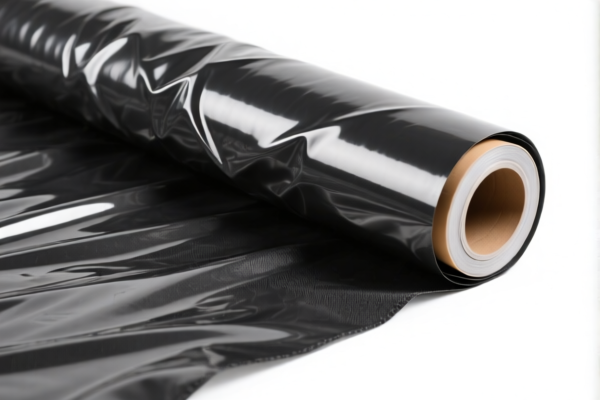
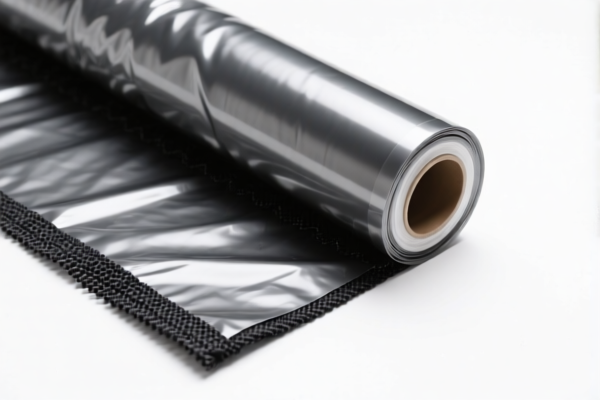
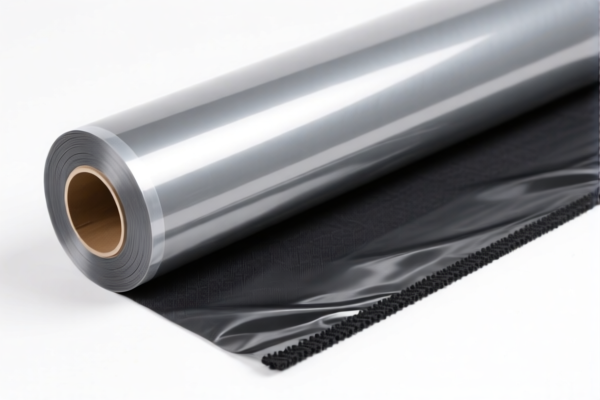
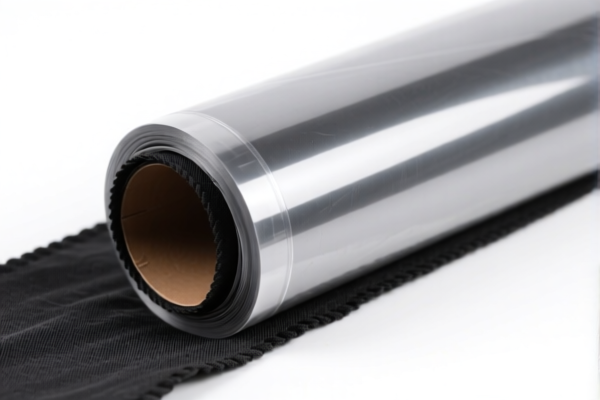
AI Analysis
🎞️ Industrial Photographic Film
🌐 HS Code Reference & Customs Clearance Guide | 2026 Latest Tariff Analysis | Professional-Level Compliance Strategy
📌 Part 1: Product Definition & Classification: What Exactly is "Industrial Photographic Film"?
Industrial Photographic Film refers to light-sensitive materials used in industrial settings (e.g., NDT – Non-Destructive Testing, industrial radiography, high-precision scanning, or archival documentation). Unlike consumer camera film, these are often specialized, unexposed, or developed sheets/rolls designed for mechanical or chemical imaging processes.
In international trade, the classification depends heavily on: 1. Physical State: Exposed vs. Unexposed; Sheet vs. Roll. 2. Chemical Formulation: Color vs. Black & White (Monochrome). 3. Specific Use Case: While "industrial" is the application, HS codes are based on the physical characteristics of the film.
⚠️ Key Distinction Point:
- If it is unexposed, unprocessed, and in rolls → Likely 3702 (Rolls).
- If it is unexposed, unprocessed, and in sheets (non-standard) → Likely 3701 or 3702 (Other).
- If it is exposed and developed (ready for analysis) → Likely 3705 (Developed Photographic Plates/Film).
- Note: "Industrial use" does not change the HS code; the physical state does.
📦 Part 2: HS Code Classification Details (2026 Latest Tariff Authority Mapping)
Based on the provided data, here are the 5 specific HS codes identified for "Industrial Photographic Film," along with their logical deductions and tax implications.
| HS Code | Product Description & Logic | Total Tax Rate (US/China Origin) | Tax Composition Breakdown |
|---|---|---|---|
| 3701.99.60.60 | Other Photographic Plates/Film, Unexposed. 🔹 Logic: Classified under "Other" because it doesn't fit specific sheet standards. Assumed non-paper/non-fabric material. 🔹 Best For: Specialized industrial sheets not covered by standard width codes. |
35.0% | Base: 0.0% Add-on (301): 25.0% 122-Clause: 10.0% |
| 3701.91.00.60 | Color Photographic Plates/Film, Unexposed, Other. 🔹 Logic: Specifically for color industrial films. If the film is not black & white, it may fall here. 🔹 Best For: Color-coded industrial inspection films. |
38.7% | Base: 3.7% Add-on (301): 25.0% 122-Clause: 10.0% |
| 3702.44.01.30 | Unexposed Photographic Film, in Rolls, Other Widths. 🔹 Logic: Standard roll-form industrial film. Specific width code. Fits "Light-sensitive materials" category. 🔹 Best For: Standard-width rolls used in automated industrial scanners. |
38.7% | Base: 3.7% Add-on (301): 25.0% 122-Clause: 10.0% |
| 3705.00.00.00 | Photographic Plates/Film, Exposed & Developed. 🔹 Logic: The core morphology is film, but it has already been exposed and developed. Used for final inspection reports. 🔹 Best For: Ready-to-analyze radiographic films from NDT tests. |
35.0% | Base: 0.0% Add-on (301): 25.0% 122-Clause: 10.0% |
| 3702.44.01.60 | Unexposed Photographic Film, in Rolls, Other Widths (Fallback). 🔹 Logic: A "catch-all" for unexposed rolls that don't fit the specific width of .30. Assumes non-paper/non-fabric base. 🔹 Best For: Custom-width industrial rolls. |
38.7% | Base: 3.7% Add-on (301): 25.0% 122-Clause: 10.0% |
💰 Part 3: Detailed Tax Clause Analysis (2026 Latest)
✅ Applicable Jurisdiction: United States (US)
✅ Origin: China (CN)
✅ Effective Date: Post-November 2025 regulations
🎯 1. The "Unexposed" Film Scenarios (3701.99.60.60, 3702.44.01.30, 3702.44.01.60, 3701.91.00.60)
These codes represent the raw material. The tax burden is significant due to multiple layers of duties.
| Tax Component | Rate | Source & Explanation |
|---|---|---|
| MFN Base Duty | 0% - 3.7% | Depends on whether it is "Other" (0%) or "Color" (3.7%). |
| Section 301 Tariff | +25.0% | Applied to Chinese goods under US Trade Act Section 301. Non-negotiable for standard imports. |
| Section 122 Tariff | +10.0% | A specific additional tariff often applied to sensitive industrial inputs or strategic materials. |
| TOTAL EFFECTIVE RATE | 35.0% - 38.7% |
📌 Critical Insight:
- Color films (3701.91.00.60) incur a higher base duty (3.7%) than B&W or Other films (0%), resulting in a 3.7% higher total cost. - If you are importing unexposed film, you are subject to ALL add-on tariffs. Do not expect de minimis exemptions (de_minimis: ❌).
🎯 2. The "Developed/Exposed" Scenario (3705.00.00.00)
This code applies if the film is no longer "raw" but has been processed for inspection.
| Tax Component | Rate | Source & Explanation |
|---|---|---|
| MFN Base Duty | 0.0% | Developed photographic materials often have lower base duties. |
| Section 301 Tariff | +25.0% | Still applies as a good of Chinese origin. |
| Section 122 Tariff | +10.0% | Still applies. |
| TOTAL EFFECTIVE RATE | 35.0% |
📌 Critical Insight:
- 3705.00.00.00 is often the cheapest option (35%) because its base duty is 0%. - However, you cannot pre-classify an item as 3705 unless it is already exposed and developed. If you ship unexposed film and label it as 3705, customs will reject it for misdeclaration.
🛠️ Part 4: Customs Clearance Practical Advice (Avoiding Pitfalls)
✅ 1. Documentation Checklist (Mandatory)
| Document | Requirement | Purpose |
|---|---|---|
| Commercial Invoice | Must specify: "Industrial Photographic Film," "Unexposed/Exposed," "Roll/Sheet." | Determines HS Code based on physical state. |
| Product Specification Sheet | Details on emulsion type, base material (polyester/acetate), width, and sensitivity. | Proves it is not paper or fabric (which would change HS code). |
| Certificate of Origin | Proof of Chinese origin. | Triggers 301 and 122 tariffs. |
| Safety Data Sheet (SDS) | For chemical emulsions. | Required for safe handling and customs hazard review. |
✅ 2. Declaration Strategy (Key Rules)
🔥 "State the State, Not Just the Use!"
| Scenario | Correct Declaration | Incorrect Declaration | Risk |
|---|---|---|---|
| Importing Raw Rolls for NDT | 3702.44.01.30 - "Unexposed photographic film, in rolls" |
"Industrial Equipment Parts" | High: Misclassification penalties + back taxes. |
| Importing Color Inspection Film | 3701.91.00.60 - "Color photographic plates, unexposed" |
"Black & White Film" | Medium: Base duty mismatch (3.7% vs 0%). |
| Importing Already Developed Radiographs | 3705.00.00.00 - "Exposed and developed photographic film" |
"Unexposed Film" | Low (but tricky): Must prove it was developed before import. |
| Custom Width Rolls | 3702.44.01.60 - "Other rolls" |
Generic "Film" | Medium: Potential hold for weight/width verification. |
✅ 3. Special Handling Tips
| Situation | Recommendation |
|---|---|
| Mixing Unexposed & Developed | Do not mix in one shipment. They have different HS codes and tax rates. Ship separately. |
| Packaging | Use light-proof containers. Customs may inspect visually; if they open the package and see unexposed film, they will check the HS code alignment. |
| Labeling | Clearly label "UNEXPOSED PHOTOGRAPHIC FILM - KEEP AWAY FROM X-RAYS" to avoid damage during customs X-ray screening. |
| Value Declaration | Ensure the value includes the cost of the emulsion and base. High value may trigger stricter scrutiny on the 122-Clause tariff. |
🌍 Part 5: Global Market Comparison (Contextual)
| Market | Typical HS Code | Estimated Duty (China Origin) | Notes |
|---|---|---|---|
| 🇺🇸 USA | 3702.44 / 3705.00 |
35% - 38.7% | Heavy tariffs (301 + 122). High compliance risk. |
| 🇪🇺 EU | 3702.44 |
~0% - 6.5% | No Section 301 equivalent. Standard EU customs duties apply. |
| 🇨🇳 China | 3702.44 |
~5% - 8% | Lower base duty, no retaliatory tariffs for imports into China. |
📌 Conclusion:
- The US market is the most expensive for industrial photographic film due to the cumulative 35-38.7% tariff burden. - Optimization Tip: If possible, consider sourcing from countries with FTAs (Free Trade Agreements) with the US to mitigate the 301 tariff, though 122-Clause may still apply depending on final rules.
📌 Part 6: Common Errors & Pitfalls (Lessons Learned)
❌ Error 1: Labeling unexposed film as "Photographic Paper"
👉 Consequence: HS code changes to 4809, potentially lower tariffs, but customs will inspect the physical material. If it's polyester/emulsion, you get fined for misdeclaration.
❌ Error 2: Ignoring the "Exposed vs. Unexposed" distinction
👉 Consequence: Using 3705 for unexposed film results in a 3.7% tax savings but is illegal if not developed. Customs audits catch this easily.
❌ Error 3: Assuming "Industrial" grants tax exemption
👉 Consequence: There is no general exemption for "industrial use" in HS classification. The physical form dictates the code, not the buyer's industry.
❌ Error 4: Overlooking the 122-Clause Tariff
👉 Consequence: Many importers calculate only the 25% 301 tariff, forgetting the extra 10%. Total cost is 35-38.7%, not 28.7%. This leads to budget shortfalls.
✅ Correct Declaration Example:
"Industrial Radiographic Film, Unexposed, Polyester Base, Roll Form, Width 10cm, HS 3702.44.01.30"
🎯 Part 7: Conclusion: Precision in Classification Saves Money
🎯 Remember the Rules:
🔹 "Unexposed = Higher Base Duty Potential (3.7% for Color)"
🔹 "Developed = Lower Base Duty (0%) but Same Add-ons"
🔹 "Always Add 35%+ Tax for US Imports from China"
🔹 "Physical State > Intended Use"
📌 Pro Tip:
For high-volume imports, consider applying for an Administrative Protective Order (APO) if dealing with anti-dumping cases, or consult a customs broker for a Binding Ruling from CBP to lock in the HS code and avoid audits.
📣 Immediate Action:
📞 Verify if your film is Color or B&W.
📦 Confirm if it is Roll or Sheet.
🧪 Ensure it is Unexposed or Developed.
🚀 Use the correct HS code to avoid a 35-38.7% tax surprise!
✨ Professional Clearance Starts with Accurate Classification!
💼 Every percentage point counts in industrial supply chains!
Customer Reviews
About HS Code Classification
The Harmonized System (HS) is an internationally standardized nomenclature developed by the World Customs Organization (WCO) to classify traded products. Over 200 countries use the HS system as the basis for customs tariffs, trade statistics, and import/export regulations.
Each HS code follows a hierarchical structure:
- Chapter (2 digits) — Broad category of goods (e.g., Chapter 84: Machinery and Mechanical Appliances)
- Heading (4 digits) — More specific grouping within the chapter
- Subheading (6 digits) — Internationally standardized breakdown, used by all WCO member countries
- National subdivisions (8-10 digits) — Country-specific extensions for further classification, such as US HTSUS 10-digit codes
Correct HS code classification is essential for smooth customs clearance, accurate duty payment, and compliance with trade regulations. Misclassification can lead to customs delays, overpayment of duties, or penalties.
When importing from CN to US, the applicable tariff rates may include:
- Most-Favored-Nation (MFN) rate — The standard duty rate applied to WTO members
- General rate — Applied to countries without trade agreements
- Trade remedy duties — Additional tariffs such as Section 301 (anti-dumping), Section 232 (national security), or countervailing duties
The information provided on this page is for reference purposes only. For official classification, please consult with your local customs authority or a licensed customs broker.