Industrial Raw Cowhide
CN → US| HS Code | Tariff Rate | Origin | Destination | Doc |
|---|---|---|---|---|
| 4101201010 | 17.5% | CN | US | Official Doc |
| 4101501010 | 17.5% | CN | US | Official Doc |
Product Images
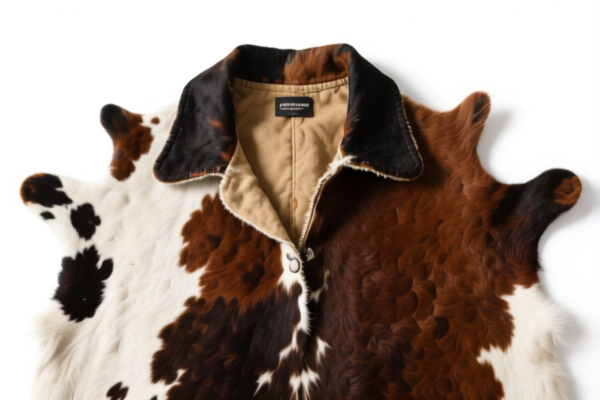
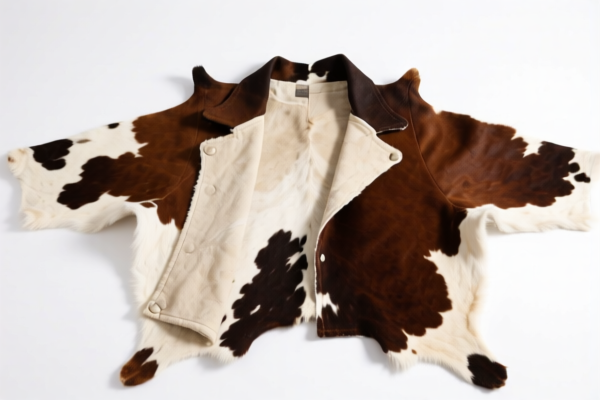
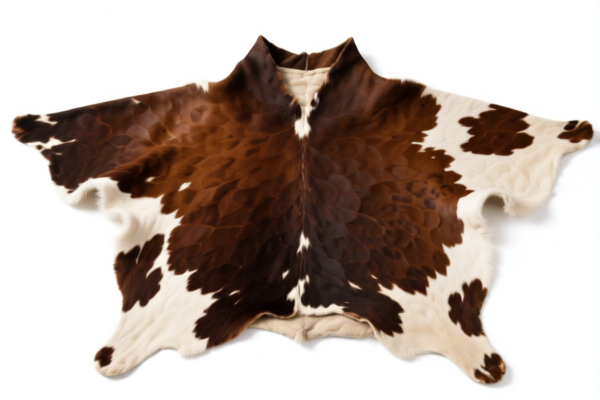
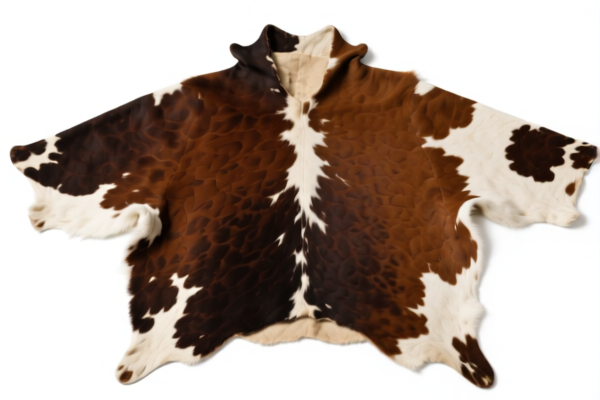
AI Analysis
🐄 Industrial Raw Cowhide (Raw Hides and Skins of Bovine Animals)
🌐 HS Code Reference & Customs Clearance Guide | 2026 Latest Tariff Analysis | Professional Compliance Strategy
📌 1. Product Definition & Classification: Do You Know "Raw Cowhide"?
Raw Cowhide refers to the skins of bovine animals (including buffalo) that are in their raw state. They have been preserved (fresh, salted, dried, limed, pickled, or otherwise preserved) but not tanned, parchment-dressed, or further prepared.
In international trade, classification depends strictly on two factors:
1. Animal Type: Bovine (Cattle/Buffalo).
2. Weight & Condition: Determines whether it falls under "Small/Light" or "Large/Heavy" categories.
⚠️ Key Distinction:
- Preservation Method Matters: Fresh, wet-salted, dry-salted, or dried.
- Weight Thresholds Matter:
- ≤ 16 kg: Considered "light" hides.
- > 16 kg: Considered "heavy" hides.
- Not Pretanned: If the hide has been partially tanned, it falls under a different chapter (4102–4103). This guide covers only raw, unpretanned hides.
📦 2. HS Code Classification Details (2026 Latest Tariff Authority Comparison)
| HS Code | Product Description | Applicable Scenario | Weight Limit | Preservation Status |
|---|---|---|---|---|
4101.20.10.10 |
Raw bovine hides, unsplit, weight ≤ 8 kg (dry), ≤ 10 kg (dry-salted), or ≤ 16 kg (fresh/wet-salted). Not pretanned. | Light cattle hides, young cattle, or split skins from large cattle. | Max 16 kg (varies by condition) | Fresh, Wet-Salted, Dry-Salted, or Simply Dried |
4101.50.10.10 |
Raw bovine hides, weight > 16 kg. Not pretanned. Specifically for Cattle. | Large adult cattle hides, heavy hides from mature animals. | > 16 kg | Any preservation method (if >16kg) |
🔍 Critical Reminder:
-4101.20.10.10applies to hides that are smaller or lighter. For example, a fresh hide must be ≤ 16 kg to qualify here. If it is 16.1 kg, it must go to4101.50.10.10.
-4101.50.10.10is the default for large cattle hides. Even if fresh, if the weight exceeds 16 kg, this code applies.
- Do Not Confuse with Sheep/Goat Skins: These fall under4103. This guide is strictly for Bovine.
💰 3. 2026 Latest Tariff Rate Breakdown (Including Surtaxes & Policy Add-ons)
✅ Applicable Country: United States (US)
✅ Country of Origin: China (CN)
✅ Effective Date: 2025/2026 (Subject to current trade policies)
🎯 1. 4101.20.10.10 —— Raw Bovine Hides (Light/Small)
| Item | Content |
|---|---|
| Base Tariff Rate | 0% (ad valorem) |
| USITC Section 301 Surtax | +7.5% (Specific to HS Code 4101 under current trade measures) |
| IEEPA Add-on Tariff | Not explicitly listed in provided data for this HS code, but generally aligned with general Chinese import surtaxes. |
| Total Tax Rate | 7.5% |
| Tax Calculation | CIF Value × 7.5% |
| De Minimis Eligibility | ❌ No (Industrial raw materials, typically high value/volume) |
| Legal Basis Path | USITC:4101.20.10.10 → SECTION 301: 4101.20.10 → FOOTNOTE: 9903.88.01 (if applicable) |
📌 Explanation:
- The base duty is 0%, reflecting the raw material nature of hides.
- However, due to Section 301 tariffs targeting Chinese-origin goods, a 7.5% surtax is applied.
- Total Liability: 7.5% of the CIF value.
- Important: This is a high-volume, low-margin commodity. Even a 7.5% tax can significantly impact cost structures for large shipments.
🎯 2. 4101.50.10.10 —— Raw Bovine Hides (Large/Heavy)
| Item | Content |
|---|---|
| Base Tariff Rate | 0% (ad valorem) |
| USITC Section 301 Surtax | +7.5% |
| IEEPA Add-on Tariff | Same as above. |
| Total Tax Rate | 7.5% |
| Tax Calculation | CIF Value × 7.5% |
| De Minimis Eligibility | ❌ No |
| Legal Basis Path | USITC:4101.50.10.10 → SECTION 301: 4101.50.10 |
📌 Note:
- Despite the different weight class, the tariff rate is identical (7.5%).
- The classification difference is purely for statistics and regulatory monitoring, not tax differentiation in this specific context.
- Warning: Misclassifying a 17 kg hide as4101.20...could lead to customs penalties for incorrect declaration, even if the tax amount is similar.
🛠️ 4. Customs Clearance Practical Advice (Real-World Pitfall Guide)
✅ 1. Required Documentation Checklist (None Can Be Missing)
| Document | Mandatory | Explanation |
|---|---|---|
| ✅ Commercial Invoice | ✔️ | Must specify "Raw Cowhide," animal type (Bovine), weight per skin, and total weight. |
| ✅ Packing List | ✔️ | Detail: Number of hides, individual weights, and preservation method (e.g., "Dry Salted"). |
| ✅ Certificate of Origin | ✔️ | Proof of Chinese origin is critical for applying the 7.5% surtax correctly. |
| ✅ Veterinary Health Certificate | ✔️ | Many countries require proof of disease-free origin (e.g., Foot-and-Mouth Disease status). |
| ✅ Preservation Declaration | ✔️ | Explicitly state: "Fresh," "Wet Salted," "Dry Salted," or "Dried." This affects weight calculations. |
| ✅ Weight Certification | ✔️ | Third-party weight certificate is often required to verify compliance with the 16 kg threshold. |
✅ 2. Declaration Tips (Key Mantra)
🔥 "Weight is King, Preservation is Queen, Cattle is the Rule!"
| Scenario | Correct Declaration | Wrong Practice |
|---|---|---|
| Fresh Hide, 15 kg | 4101.20.10.10 |
Misdeclare as 4101.50... → No tax benefit, but administrative error. |
| Fresh Hide, 17 kg | 4101.50.10.10 |
Misdeclare as 4101.20... → Customs Seizure & Fine for weight misclassification. |
| Wet-Salted Hide, 16 kg | 4101.20.10.10 |
Declare as "Tanned" → Wrong Chapter (4104) → Higher taxes. |
| Split Hides | Still 4101.20/50 if raw |
Declare as "Leather" → Penalty for false description. |
✅ 3. Special Case Handling
| Situation | Handling Advice |
|---|---|
| Mixed Weights in One Container | Declare each weight bracket separately if possible. If mixed, use the higher weight HS code for the entire shipment to avoid disputes, or provide a detailed line-item breakdown. |
| High Moisture Content | Ensure weight is declared as net weight excluding packaging. Wet-salted hides can vary in weight due to salt and water content. |
| Preservation Failure | If hides arrive spoiled or improperly salted, customs may reject them for sanitary reasons. Ensure preservation meets international standards. |
| Origin Fraud | Do not transship from Vietnam/Mexico to avoid tariffs without genuine processing. US Customs checks origin rigorously. |
🌍 5. Global Market Comparison (2026 Latest)
| Country/Region | Recommended HS Code | Tariff Rate | Certification Requirements | Remarks |
|---|---|---|---|---|
| 🇺🇸 United States | 4101.20.10.10 / 4101.50.10.10 |
7.5% (Total) | Veterinary Cert, CO | Section 301 Surtax Applies |
| 🇨🇳 China | 4101.20.10.10 / 4101.50.10.10 |
5% - 10% | Import License | No Section 301 |
| 🇪🇺 European Union | 4101.20 / 4101.50 |
0% - 4% | Health Cert, Traceability | Strict animal welfare standards |
| 🇬🇧 United Kingdom | 4101.20 / 4101.50 |
0% - 4% | Veterinary Health Cert | Post-Brexit rules apply |
| 🇯🇵 Japan | 4101.20 / 4101.50 |
0% - 2% | Health Cert | CPTPP may apply if from partner countries |
📌 Conclusion:
- USA: Highest duty burden due to 7.5% surtax.
- EU/UK/Japan: Generally lower duties, but strict sanitary regulations.
- China: Moderate duties, no surtax.
📌 6. Common Errors & Pitfall Guide (Lessons Learned from Blood and Tears)
❌ Error 1: Declaring a 16.5 kg hide under 4101.20.10.10
👉 Consequence: Customs flags the weight discrepancy. Fines, delays, or rejection.
✅ Fix: Always verify individual skin weights. If any exceed 16 kg, use 4101.50.10.10.
❌ Error 2: Describing as "Tanned Leather" when it is Raw
👉 Consequence: Wrong HS Code (4104/4105). Higher tariffs (often 5-10%) and potential fraud investigation.
✅ Fix: Use precise terms: "Raw, Wet-Salted Bovine Hide."
❌ Error 3: Ignoring Veterinary Certificates
👉 Consequence: Goods held in customs warehouse for weeks or returned.
✅ Fix: Ensure the Certificate of Origin and Veterinary Health Certificate match the invoice exactly.
❌ Error 4: Not specifying Preservation Method
👉 Consequence: Customs cannot determine the correct weight threshold (dry vs. wet). Manual examination required.
✅ Fix: Clearly state "Dry Salted" or "Fresh" on the invoice.
🎯 7. Conclusion: Precise Classification Saves Costs!
🎯 Remember the Mantra:
🔹 "Weight > 16 kg = Large Hide (4101.50...)"
🔹 "Weight ≤ 16 kg = Small Hide (4101.20...)"
🔹 "Raw = 7.5% Total Tax (US)"
🔹 "Tanned = Different Code, Higher Tax"
📌 Pro Tip:
If your hides are transshipped through a third country (e.g., Singapore), ensure they undergo sufficient processing to change origin. Otherwise, US Customs will apply the Chinese surtax (7.5%) anyway.
For large volumes, consider Advance Rulings from US Customs and Border Protection (CBP) to confirm the HS Code and tariff liability.
📣 Take Action Now:
📞 Consult a licensed customs broker + Provide Weight Sheets + Verify Veterinary Docs
🚀 Ensure compliance, avoid delays, and maximize profit margins!
✨ Professional Clearance Starts with Accurate Classification!
💼 Every Kilogram Counts, Every Percent Matters!
Customer Reviews
About HS Code Classification
The Harmonized System (HS) is an internationally standardized nomenclature developed by the World Customs Organization (WCO) to classify traded products. Over 200 countries use the HS system as the basis for customs tariffs, trade statistics, and import/export regulations.
Each HS code follows a hierarchical structure:
- Chapter (2 digits) — Broad category of goods (e.g., Chapter 84: Machinery and Mechanical Appliances)
- Heading (4 digits) — More specific grouping within the chapter
- Subheading (6 digits) — Internationally standardized breakdown, used by all WCO member countries
- National subdivisions (8-10 digits) — Country-specific extensions for further classification, such as US HTSUS 10-digit codes
Correct HS code classification is essential for smooth customs clearance, accurate duty payment, and compliance with trade regulations. Misclassification can lead to customs delays, overpayment of duties, or penalties.
When importing from CN to US, the applicable tariff rates may include:
- Most-Favored-Nation (MFN) rate — The standard duty rate applied to WTO members
- General rate — Applied to countries without trade agreements
- Trade remedy duties — Additional tariffs such as Section 301 (anti-dumping), Section 232 (national security), or countervailing duties
The information provided on this page is for reference purposes only. For official classification, please consult with your local customs authority or a licensed customs broker.