Industrial Rubber Transmission Belt
CN → US| HS Code | Tariff Rate | Origin | Destination | Doc |
|---|---|---|---|---|
| 4010316000 | 37.8% | CN | US | Official Doc |
| 4010313000 | 38.4% | CN | US | Official Doc |
| 5910001010 | 39.0% | CN | US | Official Doc |
| 4010198000 | 36.9% | CN | US | Official Doc |
| 4008111000 | 35.0% | CN | US | Official Doc |
Product Images
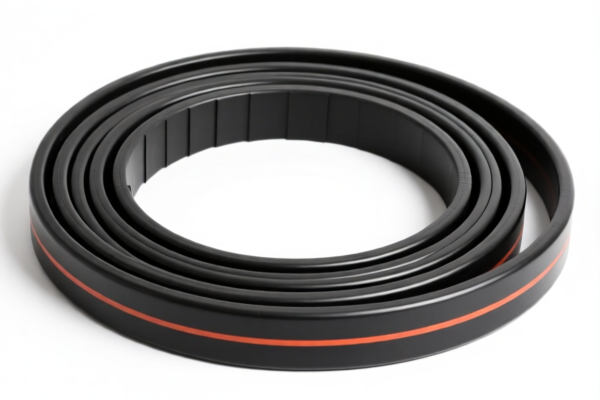
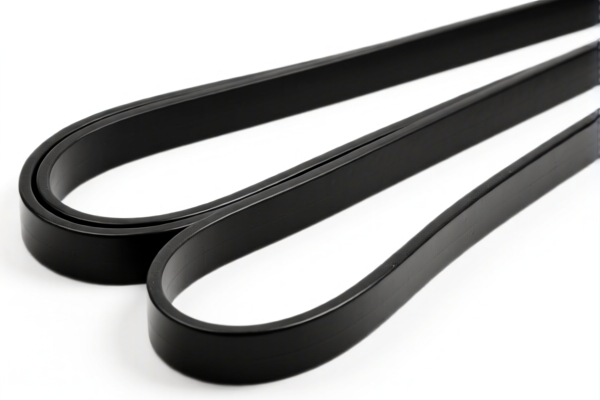
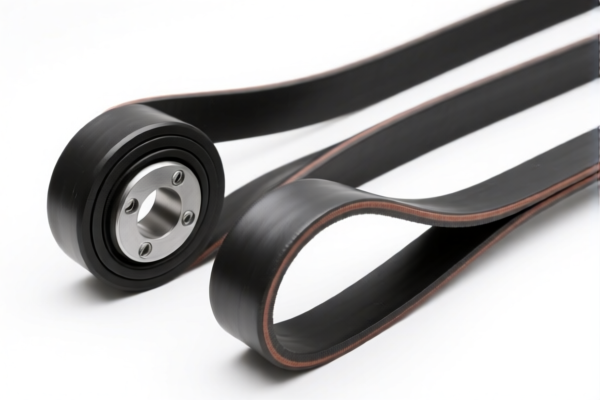
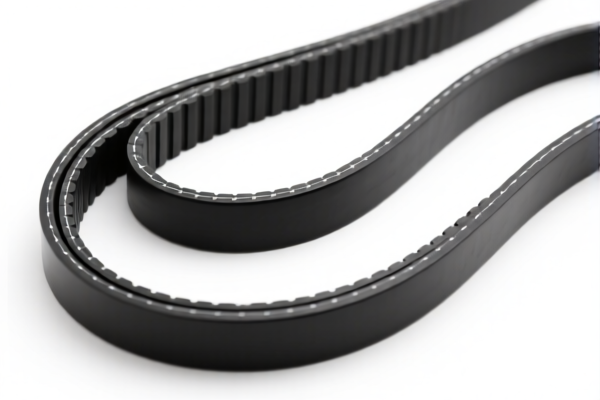
AI Analysis
⚙️ Industrial Rubber Transmission Belts (Rubber V-Belts & Industrial Belts)
🌐 HS Code Reference & Customs Clearance Guide | 2026 Latest Tariff Analysis | Professional Clearance Strategy
📌 I. Product Definition & Classification: Do You Really Understand "Transmission Belts"?
Industrial Rubber Transmission Belts are critical components used in mechanical power transmission systems, connecting motors to driven machinery (pumps, fans, compressors, etc.). In international trade, they are not a single monolithic category but are split based on material composition, structural form, and specific industrial application.
V-Ribbed Belts / V-Belts: The most common form, featuring a trapezoidal cross-section (V-shape) or ribbed underside for high-friction grip. These often contain reinforcement layers. Flat Industrial Belts / Continuously Reinforced Belts: Flat belts or specialized endless loops used in high-speed or precision machinery, often made from specific rubber compounds or reinforced with synthetic fibers.
⚠️ Key Distinction Point:
- If the product is a general rubber belt primarily identified by its function as a transmission device and material (sulfurized rubber), it often falls under 4010.31.
- If the product is specifically a V-belt where the V-shape morphology and reinforcement (artificial fiber/synthetic material) are defining characteristics, it may fall under 5910.00.
- If the product is simply a strip/rod of rubber (industrial raw material or semi-finished good) rather than a finished "belt" with specific transmission geometry, it falls under 4008 or 4010.19.
📦 II. HS Code Classification Details (2026 Latest Tariff Authority Comparison)
The following table maps the specific HS Codes from your data to the product characteristics. Note that all listed codes attract significant additional tariffs for goods originating from China importing into the US.
| HS Code | Product Description | Key Classification Criteria | Application Scenario |
|---|---|---|---|
4010.31.60.00 |
Rubber Transmission Belts (Sulfurized Rubber) | Material Focus: Sulfurized rubber; Function: Transmission. | General purpose V-belts, high-durability transmission belts where "sulfurized rubber" is the primary descriptor. |
4010.31.30.00 |
Rubber Transmission Belts (General Rubber) | Material Focus: General rubber; Form: Belt structure. | Standard industrial belts, general-purpose drive belts without specific V-shape fiber reinforcement emphasis. |
5910.00.10.10 |
Rubber Transmission Belts (V-Shape & Synthetic) | Morphology Focus: V-belt shape; Reinforcement: Artificial fiber/Synthetic material category. | Heavy-duty V-belts with fabric/cord reinforcement, where the "V-shape" and synthetic core are defining features. |
4008.11.10.00 |
Rubber Industrial Strips/Bars | Form Focus: Sulfurized rubber plates, sheets, strips, rods, profiles. | Not a finished "belt" for transmission, but raw rubber strips/rods used in industrial manufacturing or as semi-finished goods. |
4010.19.80.00 |
Rubber Industrial Strips (General) | Material Focus: Rubber; Form: Strip/Belt-like shape (non-transmission specific). | General rubber strips, conveyor belt precursors, or non-synchronous rubber strips not classified as transmission belts. |
🔍 Critical Reminder:
-4010.31.xxxxvs5910.00: The debate often lies between Chapter 40 (Rubber) and Chapter 59 (Textiles/Impregnated). If the rubber is the essential character and the fiber is minor reinforcement, 4010 is common. If the textile reinforcement is dominant or the V-shape geometry is the key technical feature, 5910 may apply.
-4008vs4010: 4008 is for raw forms (strips, rods, profiles). 4010 is for finished articles (belts designed for transmission). Do not misclassify a finished belt as a raw strip to avoid "wrong classification" penalties.
💰 III. 2026 Latest Tariff Rate Breakdown (Including Surcharges & Policy Add-ons)
✅ Applicable Country: United States (US)
✅ Country of Origin: China (CN)
✅ Effective Time: Ongoing (Section 301 & IEEPA provisions active)
The tax details provided in your data indicate a consistent pattern of high tariffs due to trade policies. All codes include: 1. Base Tariff: Varies (0% - 4.0%) 2. Section 301 Tariff: 25.0% (Standard US-China trade war tariff) 3. Section 122 Tariff / IEEPA Add-on: 10.0% (Specific trade remedy or emergency power tariff)
🎯 1. 4010.31.60.00 —— Rubber Transmission Belt (Sulfurized Rubber)
| Item | Detail |
|---|---|
| Base Tariff | 2.8% |
| Section 301 Surcharge | +25.0% |
| Section 122 / IEEPA Add-on | +10.0% |
| Total Effective Rate | 37.8% |
| Calculation | CIF Value × 37.8% |
| De Minimis Exemption | ❌ Not Applicable (Section 301 tariffs generally negate de minimis benefits for China-origin goods) |
| Legal Pathway | HTSUS:4010.31.60.00 → Section 301 (Footnote 9903.88.01) → Trade Remedy: 10% |
📌 Explanation:
- The 2.8% base rate is the standard MFN (Most Favored Nation) duty for general rubber transmission belts.
- The 25% Section 301 tariff is applied to all rubber products from China under List 4A.
- The 10% additional tariff (referenced as "122条款" in your data, likely referring to specific Section 301 sub-items or IEEPA authorities) brings the total to 37.8%.
- Cost Impact: This is a high-cost classification. Profit margins must account for nearly 38% duty.
🎯 2. 4010.31.30.00 —— Rubber Transmission Belt (General Rubber)
| Item | Detail |
|---|---|
| Base Tariff | 3.4% |
| Section 301 Surcharge | +25.0% |
| Section 122 / IEEPA Add-on | +10.0% |
| Total Effective Rate | 38.4% |
| Calculation | CIF Value × 38.4% |
| De Minimis Exemption | ❌ Not Applicable |
| Legal Pathway | HTSUS:4010.31.30.00 → Section 301 → Trade Remedy |
📌 Note:
- Slightly higher base rate (3.4%) than the "sulfurized" variant.
- Total duty is 38.4%.
- Use this code if the belt is made of general natural/synthetic rubber compounds without specific emphasis on sulfurization processes in the technical data sheet.
🎯 3. 5910.00.10.10 —— Rubber Transmission Belt (V-Shape & Synthetic)
| Item | Detail |
|---|---|
| Base Tariff | 4.0% |
| Section 301 Surcharge | +25.0% |
| Section 122 / IEEPA Add-on | +10.0% |
| Total Effective Rate | 39.0% |
| Calculation | CIF Value × 39.0% |
| De Minimis Exemption | ❌ Not Applicable |
| Legal Pathway | HTSUS:5910.00.10.10 → Section 301 → Trade Remedy |
📌 Caution:
- This is the highest tax bracket in your list at 39.0%.
- Chapter 59 (Articles of textile material) often has higher base duties for rubber-impregnated goods.
- Only use this if the V-shape and synthetic fiber reinforcement are the primary identifying features. Misclassification here can lead to higher costs unnecessarily.
🎯 4. 4008.11.10.00 —— Rubber Industrial Strips/Rods
| Item | Detail |
|---|---|
| Base Tariff | 0.0% |
| Section 301 Surcharge | +25.0% |
| Section 122 / IEEPA Add-on | +10.0% |
| Total Effective Rate | 35.0% |
| Calculation | CIF Value × 35.0% |
| De Minimis Exemption | ❌ Not Applicable |
| Legal Pathway | HTSUS:4008.11.10.00 → Section 301 → Trade Remedy |
📌 Clarification:
- Although the base rate is 0%, the 35% total is still very high.
- WARNING: Do not use this code for finished transmission belts! This is for raw rubber strips, rods, or profiles. Using this for a finished belt is a clear misclassification and will result in customs penalties, audits, and potential seizure.
🎯 5. 4010.19.80.00 —— Rubber Industrial Strips (General)
| Item | Detail |
|---|---|
| Base Tariff | 1.9% |
| Section 301 Surcharge | +25.0% |
| Section 122 / IEEPA Add-on | +10.0% |
| Total Effective Rate | 36.9% |
| Calculation | CIF Value × 36.9% |
| De Minimis Exemption | ❌ Not Applicable |
| Legal Pathway | HTSUS:4010.19.80.00 → Section 301 → Trade Remedy |
📌 Note:
- This code is for "Other rubber articles" (strips/belts) not specified elsewhere.
- Total duty is 36.9%.
- Use only if the product is a generic rubber strip that does not fit the specific "transmission belt" definitions of 4010.31 or 5910.
🛠️ IV. Customs Clearance Practical Advice (Avoid Pitfalls)
✅ 1. Documentation Checklist (Mandatory)
| Document | Required | Notes |
|---|---|---|
| ✅ Product Specification Sheet | ✔️ | Must detail: Material (Sulfurized/General Rubber), Dimensions, V-Shape vs. Flat, Reinforcement Type. |
| ✅ Technical Drawings | ✔️ | Cross-section view is crucial to distinguish V-belts (5910) from flat belts (4010). |
| ✅ Commercial Invoice | ✔️ | Clearly state: "Industrial Rubber Transmission Belt," Model No., Country of Origin. |
| ✅ Packing List | ✔️ | Separate finished belts from raw rubber strips if shipped together. |
| ✅ Certificate of Origin (CO) | ✔️ | Essential for Section 301 determination. Must certify China origin. |
| ✅ Photos of Product | ✔️ | Show label, cross-section, and packaging. |
✅ 2. Declaration Strategy (Key Mantra)
🔥 "Form Dictates Chapter: V-Shaped & Fiber-Rich → 5910; General Rubber Transmission → 4010.31; Raw Strips → 4008."
| Scenario | Correct HS Code | Wrong Approach | Consequence |
|---|---|---|---|
| Finished V-Belt with Fabric Core | 5910.00.10.10 (39.0%) |
Misclassifying as 4010.31 (37.8%) |
Overpaying? No, usually underpayment is the risk. If misclassified as 4008 (35%), Penalties Apply. |
| General Rubber Drive Belt | 4010.31.60.00 or .30 (37.8-38.4%) |
Misclassifying as 4008 |
Seizure/Audit. Customs will recognize it as a transmission belt. |
| Raw Rubber Strip (No Transmission Function) | 4008.11.10.00 (35.0%) |
Declaring as "Transmission Belt" | Unnecessary tax increase. |
| Belt + Packaging/Tools | Declare Belt Only | Splitting into "Belt" + "Box" | Customs may consolidate value, but splitting finished goods is suspicious. |
✅ 3. Special Cases & Mitigation
| Situation | Handling Advice |
|---|---|
| OEM Custom Belts | Provide OEM agreement and technical specs proving the specific rubber compound and shape. |
| Mixed Shipment (Belts + Raw Rubber) | Declare Separately. Use different HS codes. Combining them leads to the highest duty applying to the whole shipment (or severe penalties). |
| Re-export from Third Country | If re-exported from Vietnam/Mexico, check for Rules of Origin. Direct transshipment from China may still trigger China-specific tariffs. |
| Pre-Ruling Application | Highly Recommended. Apply for an Binding Tariff Information (BTI) or US Customs Pre-Ruling to confirm if your specific belt is 4010 or 5910. The 1.2% difference (37.8% vs 39.0%) or legal risk is worth clarifying. |
🌍 V. Global Market Comparison (2026 Update)
| Market | Recommended HS Code | Total Duty (China Origin) | Key Requirement | Notes |
|---|---|---|---|---|
| 🇺🇸 USA | 4010.31 or 5910 |
35.0% - 39.0% | Section 301 + IEEPA/122 | Highest barrier. No de minimis. |
| 🇨🇳 China | 4010.31 |
~3.4% - 4.0% | CCC (if applicable) | Low duty, no surcharges. |
| 🇪🇺 EU | 4010.31 |
~4.0% | CE (if machinery related) | No Section 301. Competitive. |
| 🇬🇧 UK | 4010.31 |
~4.0% | UKCA | Post-Brexit, no China surcharges. |
| 🇲🇽 Mexico | 4010.31 |
0% - 5% | USMCA (if eligible) | Check origin rules for USMCA benefits. |
📌 Conclusion:
- The US market is exceptionally costly for Chinese rubber belts.
- EU/UK/Mexico are far more competitive due to the absence of Section 301-style surcharges.
- Consider supply chain diversification if targeting the US heavily.
📌 VI. Common Errors & Pitfalls (Lessons Learned)
❌ Error 1: Declaring a V-Belt as a Rubber Strip (4008) to save 3% tax.
👉 Result: Customs audit, back taxes, penalties (up to 30% of duty value), and cargo hold.
❌ Error 2: Ignoring the 10% Additional Tariff.
👉 Result: Budgeting based only on the 25% Section 301 rate leaves you short by 10%. Total cost must include all 3 components.
❌ Error 3: Failing to provide Cross-Section Photos.
👉 Result: Customs cannot distinguish between 4010 (37.8%) and 5910 (39.0%). They may select the highest rate for examination or reject the entry.
❌ Error 4: Using "Transmission Belt" generically without material specs.
👉 Result: Classification uncertainty. Be specific: "Sulfurized Rubber V-Belt" vs. "General Rubber Flat Belt."
✅ Correct Declaration Example:
"Industrial Rubber V-Belt, Sulfurized Rubber, Fabric Reinforced, Model X-250, 100% Made in China."
HS Code:5910.00.10.10(if V-shape/fiber is dominant) or4010.31.60.00(if rubber is dominant).
🎯 VII. Conclusion: Precision in Classification Saves Money
🎯 Key Takeaways:
🔹 Section 301 is Non-Negotiable: All Chinese-origin rubber belts face a +25% surcharge.
🔹 Additional 10% is Real: Do not ignore the "122/IEEPA" clause. Your total duty is Base + 25% + 10%.
🔹 Code Selection Matters: The difference between4008(35%),4010.31(37.8%), and5910(39%) is small in %, but huge in compliance risk.
🔹 Finish vs. Raw: Never confuse a finished belt (4010/5910) with a raw strip (4008).
📌 Pro Tip:
If your product is not made in China (e.g., Vietnam, Thailand), you may avoid the 25% + 10% surcharges entirely.
For China-origin goods, apply for a US Customs Pre-Ruling to lock in the HS Code and avoid disputes.
📣 Immediate Action:
📞 Consult a licensed Customs Broker.
📄 Prepare detailed tech specs and photos.
🚀 Calculate Landed Cost including 35-39% duty to ensure profitability.
✨ Accurate Classification is the First Step to Profitable Export!
💼 Don't let hidden tariffs eat your margins!
Customer Reviews
About HS Code Classification
The Harmonized System (HS) is an internationally standardized nomenclature developed by the World Customs Organization (WCO) to classify traded products. Over 200 countries use the HS system as the basis for customs tariffs, trade statistics, and import/export regulations.
Each HS code follows a hierarchical structure:
- Chapter (2 digits) — Broad category of goods (e.g., Chapter 84: Machinery and Mechanical Appliances)
- Heading (4 digits) — More specific grouping within the chapter
- Subheading (6 digits) — Internationally standardized breakdown, used by all WCO member countries
- National subdivisions (8-10 digits) — Country-specific extensions for further classification, such as US HTSUS 10-digit codes
Correct HS code classification is essential for smooth customs clearance, accurate duty payment, and compliance with trade regulations. Misclassification can lead to customs delays, overpayment of duties, or penalties.
When importing from CN to US, the applicable tariff rates may include:
- Most-Favored-Nation (MFN) rate — The standard duty rate applied to WTO members
- General rate — Applied to countries without trade agreements
- Trade remedy duties — Additional tariffs such as Section 301 (anti-dumping), Section 232 (national security), or countervailing duties
The information provided on this page is for reference purposes only. For official classification, please consult with your local customs authority or a licensed customs broker.