Industrial Short Distance Transport Vehicle
CN → US| HS Code | Tariff Rate | Origin | Destination | Doc |
|---|---|---|---|---|
| 8716805010 | 88.2% | CN | US | Official Doc |
| 8716805090 | 38.2% | CN | US | Official Doc |
| 8709190060 | 35.0% | CN | US | Official Doc |
| 8709110060 | 35.0% | CN | US | Official Doc |
| 8716805010 | 88.2% | CN | US | Official Doc |
Product Images
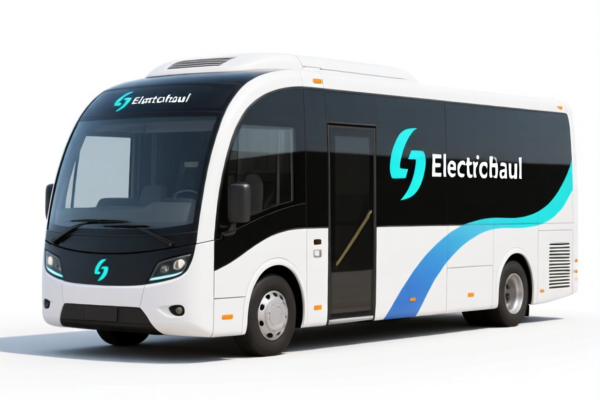
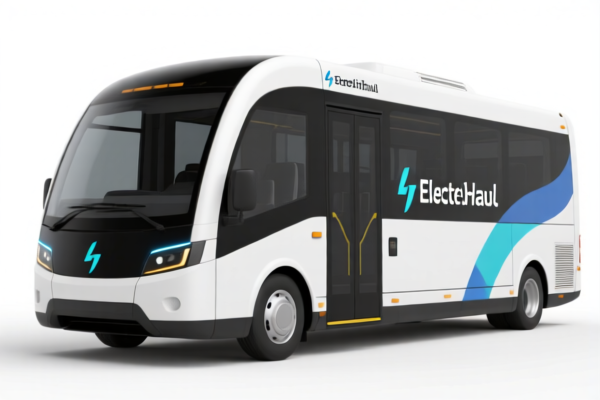
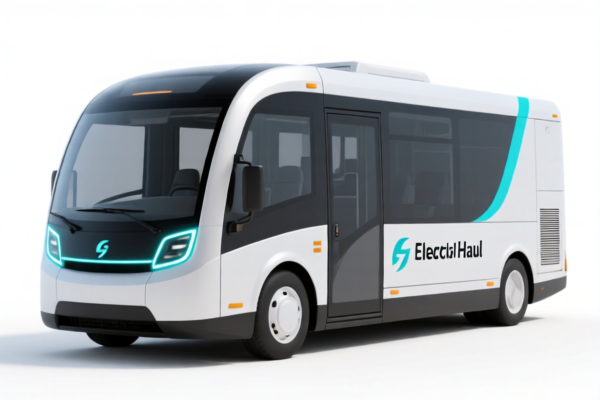
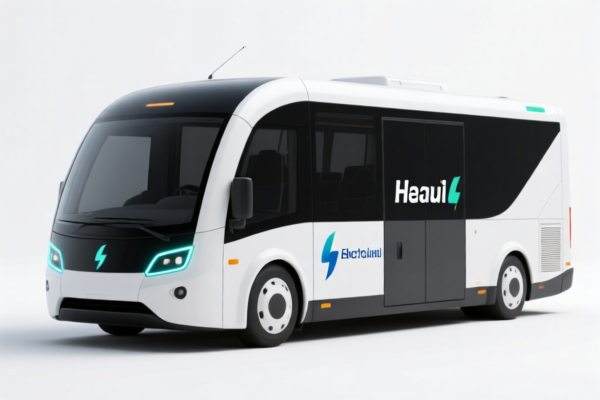
AI Analysis
🚜 Industrial Short Distance Transport Vehicle (Industrial Hand Trucks & Cart)
🌐 HS Code Reference & Clearance Guide | 2026 Latest Tariff Analysis | Professional Entry Strategy for China-Origin Goods to the US
📌 I. Product Definition & Classification: Understanding "Industrial Short Distance Transport Vehicles"
In international trade, "Industrial Short Distance Transport Vehicle" primarily refers to non-motorized transport equipment used for moving goods within factories, warehouses, docks, and airports. These are often broadly categorized under "Hand Trucks," "Carts," or "Trailers" that are not powered by an engine.
Key Distinction:
The classification depends heavily on the power source and specific construction:
* Non-Motorized (Hand Carts/Push Carts): Operated by human force. Typically classified under Chapter 87 (8716).
* Electric/Powered (Rider/Pallet Jacks): Powered by electric motors. If they have a driver's position, they may fall under 8709 (Short-distance transport vehicles).
⚠️ Critical Clarification for this Data Set:
The provided HS Codes in the<DATA>block include both non-motorized carts (8716) and short-distance transport vehicles (8709). This suggests the product might be a specialized cart or a low-speed electric vehicle. We will analyze the codes provided in the<DATA>strictly.
📦 II. HS Code Classification Matrix (Based on Provided Data)
The following table details the 5 HS Codes provided in your <DATA>, explaining the rationale for each and their associated tax liabilities.
| HS Code | Product Category | Summary/Rationale from Data | Total Tax Rate | Tax Composition (US Imports from China) |
|---|---|---|---|---|
| 8716.80.50.10 | Non-Motorized Transport Vehicle | Matches use case; goods name aligns with non-motorized vehicles. No material conflict. | 88.2% | Base: 3.2% + Section 301: 25% + Section 122: 50% (Steel/Alu/Cu) + IEEPA: 10% |
| 8716.80.50.90 | Non-Motorized Transport Vehicle (Other) | Matches use case; belongs to non-motorized vehicle category. Fits "other vehicles" fallback logic. | 38.2% | Base: 3.2% + Section 301: 25% + IEEPA: 10% |
| 8709.19.00.60 | Short-Distance Transport Vehicle | Matches use case: Short-distance transport in factories/warehouses. Fits "other categories" judgment principle. | 35.0% | Base: 0.0% + Section 301: 25% + IEEPA: 10% |
| 8709.11.00.60 | Short-Distance Transport Vehicle | Matches use case: Short-distance transport. Fits fallback rules for industrial short-distance use. | 35.0% | Base: 0.0% + Section 301: 25% + IEEPA: 10% |
| 8716.80.50.10 | Non-Motorized Transport Vehicle | Successful match: Specific application scenario consistent with non-motorized vehicles. | 88.2% | Base: 3.2% + Section 301: 25% + Section 122: 50% (Steel/Alu/Cu) + IEEPA: 10% |
🔍 Key Insight:
- 8716.80.50.10 carries a punitive 50% additional tariff due to Section 122 (Steel, Aluminum, Copper products). If your hand truck contains significant steel/aluminum/copper components, this code is extremely costly. - 8709.11.00.60 and 8709.19.00.60 are significantly cheaper (35% total) because they have a 0% Base Rate and do not trigger Section 122. - 8716.80.50.90 is in the middle (38.2%) as it has a small base rate (3.2%) but avoids Section 122.
💰 III. Detailed Tariff Breakdown & Legal Basis
✅ Applicable Market: United States (US)
✅ Origin: China (CN)
✅ Effective Period: Current trade policy (Post-2024 adjustments)
🎯 1. High-Cost Category: 8716.80.50.10 (Steel/Alu/Cu Content Trigger)
| Item | Detail |
|---|---|
| Base Tariff | 3.2% (Most Favored Nation) |
| Section 301 Tariff | +25% (USITC Footnote 9903.88.01 / 301 List 3) |
| Section 122 Tariff | +50% (Specific to Steel, Aluminum, and Copper products under Section 122 authority) |
| IEEPA Tariff | +10% (Executive Order on Importation of Steel and Aluminum) |
| Total Effective Rate | 88.2% |
| De Minimis Exemption | ❌ NOT APPLICABLE (Value > $800 threshold, high duty rate) |
| Legal Path | HTSUS: 8716.80.50.10 → USITC: 301 → Section 122 → IEEPA: 9903.01.24 |
📌 Explanation:
- This code is selected when the product is deemed to contain significant steel, aluminum, or copper.
- The 50% Section 122 tariff is the dominant cost driver.
- Recommendation: Avoid this code unless the product is purely made of these materials and no other valid classification exists.
🎯 2. Medium-Cost Category: 8716.80.50.90 (Other Non-Motorized Vehicles)
| Item | Detail |
|---|---|
| Base Tariff | 3.2% |
| Section 301 Tariff | +25% |
| IEEPA Tariff | +10% |
| Total Effective Rate | 38.2% |
| De Minimis Exemption | ❌ NOT APPLICABLE |
| Legal Path | HTSUS: 8716.80.50.90 → USITC: 301 → IEEPA: 9903.01.24 |
📌 Explanation:
- This is a "catch-all" for non-motorized vehicles that do not fit the specific "steel/aluminum/copper" premium category or other specific sub-headings.
- It avoids the 50% Section 122 penalty.
🎯 3. Low-Cost Category: 8709.11.00.60 & 8709.19.00.60 (Short-Distance Transport Vehicles)
| Item | Detail |
|---|---|
| Base Tariff | 0.0% |
| Section 301 Tariff | +25% |
| IEEPA Tariff | +10% |
| Total Effective Rate | 35.0% |
| De Minimis Exemption | ❌ NOT APPLICABLE |
| Legal Path | HTSUS: 8709.11/19 → USITC: 301 → IEEPA: 9903.01.24 |
📌 Explanation:
- These codes classify the item as a "Short-Distance Transport Vehicle" (e.g., electric pallet jacks, industrial trolleys with motors).
- Crucial Advantage: The 0% Base Tariff significantly lowers the total cost compared to 8716 codes.
- Requirement: The vehicle must be designed for short-distance transport in industrial settings (factories, warehouses, docks, airports).
- Note: If the vehicle is non-motorized (hand-pushed), customs may reject 8709 and force it into 8716. If it is motorized, 8709 is the correct and cheaper path.
🛠️ IV. Clearance Practical Advice (Avoid Pitfalls)
✅ 1. Document Preparation Checklist
| Document | Mandatory? | Purpose |
|---|---|---|
| Product Specification Sheet | ✔️ | Must clearly state: Power Source (Electric vs. Manual), Max Load, Dimensions, Usage (e.g., "Industrial Warehouse Transport"). |
| Technical Drawing/Schematic | ✔️ | To prove if it is motorized (supports 8709) or non-motorized (supports 8716). |
| Commercial Invoice | ✔️ | Describe as "Industrial Short Distance Transport Vehicle" or "Electric Pallet Truck". Avoid vague terms like "Cart" if using 8709. |
| Certificate of Origin | ✔️ | Required for determining duty rates. |
| Material Composition Statement | ✔️ | Critical for avoiding 8716.80.50.10. If the product is <5% steel/aluminum/copper by weight, argue for 8716.80.50.90 or 8709. |
✅ 2. Classification Strategy & Tips
🔥 Golden Rule: "Motorized = 8709 (35%); Non-Motorized Steel = 8716.50.10 (88.2%); Non-Motorized Non-Steel = 8716.50.90 (38.2%)"
| Scenario | Recommended HS Code | Why? |
|---|---|---|
| Electric/Powered Industrial Cart | 8709.11.00.60 or 8709.19.00.60 |
Fits "Short-Distance Transport Vehicle". Lowest base rate (0%). Avoids Section 122. |
| Manual Hand Truck (Steel Frame) | 8716.80.50.10 |
High tax (88.2%) due to Section 122. Only use if no other option. |
| Manual Hand Truck (Aluminum/Plastic Frame) | 8716.80.50.90 |
Moderate tax (38.2%). Avoids Section 122 if material is not predominantly steel/alu/cu. |
| Small Utility Trailer | 8716.80.50.90 |
Fits "Other non-motorized vehicles". |
✅ 3. Critical Warnings
- Do Not Misclassify Manual as Electric:
- If you declare a manual hand truck as 8709 (Electric), Customs will flag it for missing motor details. Result: Audit, Delay, or Penalty.
- Material Declaration is Key:
- To avoid 8716.80.50.10 (88.2%), you must prove the product does not primarily consist of steel, aluminum, or copper. Provide a material breakdown.
- IEEPA 10% Applies to All:
- All codes listed above include a 10% IEEPA tariff. This is currently unavoidable for China-origin goods in these categories.
🌍 V. Global Market Comparison (2026)
| Country | Recommended HS | Est. Total Duty | Notes |
|---|---|---|---|
| 🇺🇸 USA | 8709.19.00.60 |
35.0% | Best option if motorized. Avoid 8716.80.50.10 unless necessary. |
| 🇨🇳 China | 8860.00.00 |
~10% | Different classification system. |
| 🇪🇺 EU | 8716.80.00 |
~4-7% | No Section 301/122 equivalents. Much cheaper. |
| 🇯🇵 Japan | 8716.80.00 |
~10-15% | Moderate duty. |
📌 Conclusion:
The US market is the most expensive due to Section 301 (25%) and IEEPA (10%).
- If your product is electric, use 8709 (35%).
- If your product is manual, try to classify under 8716.80.50.90 (38.2%) by arguing material composition, NOT 8716.80.50.10 (88.2%).
📌 VI. Common Errors & Pitfalls
❌ Error 1: Declaring a Manual Hand Truck as 8709.19.00.60.
👉 Consequence: Customs will reject the classification. Manual vehicles are 8716, not 8709. You will face delays and potential fines.
❌ Error 2: Failing to declare material content for 8716.80.50.10.
👉 Consequence: If the product is not predominantly steel/aluminum/copper, you may be forced to pay the 88.2% rate unnecessarily. Provide a Material Breakdown Report.
❌ Error 3: Ignoring the 10% IEEPA Tariff.
👉 Consequence: All imports from China in these categories are subject to this 10% additional tariff. Do not calculate duties without it.
✅ Correct Declaration Example:
"Electric Industrial Short-Distance Transport Vehicle, Model XYZ, 500kg Load Capacity, Battery Powered, for Warehouse Use. HTS: 8709.19.00.60"
🎯 VII. Final Recommendation
🎯 For Best Cost Efficiency:
1. If Motorized: Use 8709.11.00.60 or 8709.19.00.60. Total Tax: 35.0%.
2. If Non-Motorized: Use 8716.80.50.90. Total Tax: 38.2%.
3. Avoid: 8716.80.50.10 (88.2%) unless the product is specifically steel/aluminum/copper hardware that cannot be classified elsewhere.
📌 Action Plan:
- Step 1: Confirm if the vehicle is Electric or Manual.
- Step 2: If Manual, analyze material composition to avoid Section 122.
- Step 3: Apply for a Pre-Ruling (Advance Ruling) from US Customs to secure the correct HS Code and avoid 88.2% tax.
✨ Professional Clearance Starts with Accurate Classification!
💼 Your Cost Optimization Depends on the Right HS Code!
Customer Reviews
About HS Code Classification
The Harmonized System (HS) is an internationally standardized nomenclature developed by the World Customs Organization (WCO) to classify traded products. Over 200 countries use the HS system as the basis for customs tariffs, trade statistics, and import/export regulations.
Each HS code follows a hierarchical structure:
- Chapter (2 digits) — Broad category of goods (e.g., Chapter 84: Machinery and Mechanical Appliances)
- Heading (4 digits) — More specific grouping within the chapter
- Subheading (6 digits) — Internationally standardized breakdown, used by all WCO member countries
- National subdivisions (8-10 digits) — Country-specific extensions for further classification, such as US HTSUS 10-digit codes
Correct HS code classification is essential for smooth customs clearance, accurate duty payment, and compliance with trade regulations. Misclassification can lead to customs delays, overpayment of duties, or penalties.
When importing from CN to US, the applicable tariff rates may include:
- Most-Favored-Nation (MFN) rate — The standard duty rate applied to WTO members
- General rate — Applied to countries without trade agreements
- Trade remedy duties — Additional tariffs such as Section 301 (anti-dumping), Section 232 (national security), or countervailing duties
The information provided on this page is for reference purposes only. For official classification, please consult with your local customs authority or a licensed customs broker.