Industrial Tanned Hairless Sheepskin
CN → US| HS Code | Tariff Rate | Origin | Destination | Doc |
|---|---|---|---|---|
| 4103901130 | 17.5% | CN | US | Official Doc |
| 4102101000 | 17.5% | CN | US | Official Doc |
| 4103901190 | 17.5% | CN | US | Official Doc |
| 4102291090 | 17.5% | CN | US | Official Doc |
| 4103901200 | 17.5% | CN | US | Official Doc |
Product Images
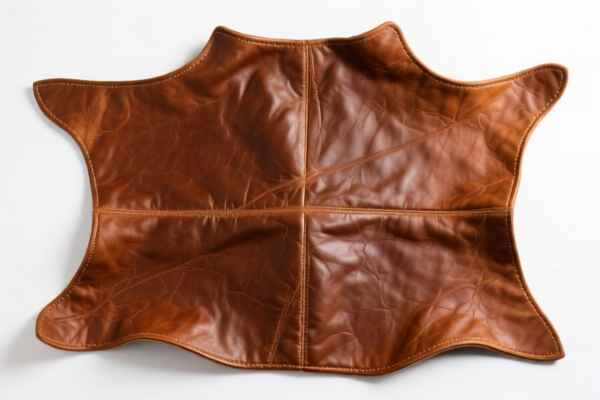
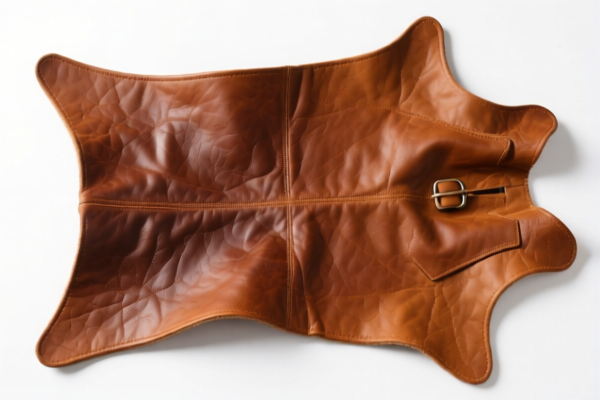
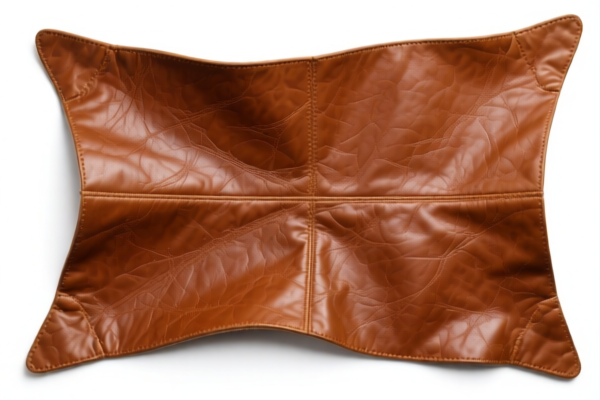
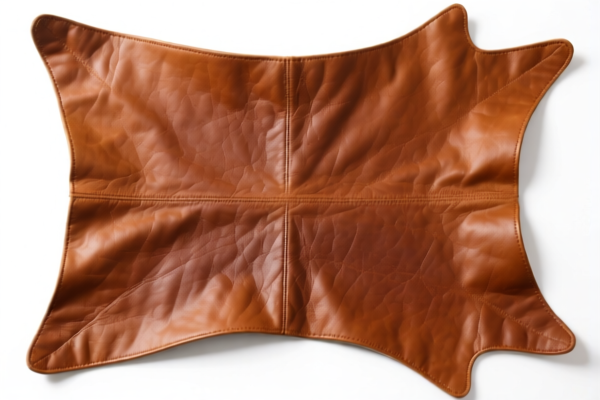
AI Analysis
🐑 Industrial Tanned Hairless Sheepskin (Industrial Use)
🌐 HS Code Reference & Customs Clearance Guide | 2026 Latest Tariff Analysis | Professional Customs Strategy
📌 I. Product Definition & Classification: What Exactly is "Tanned Hairless Sheepskin"?
Industrial Tanned Hairless Sheepskin refers to sheep or lamb hides that have undergone the tanning process to preserve them, while being processed to be hairless (hair removed) and typically used for industrial applications (e.g., lining, upholstery, gloves, or industrial leather goods).
Key Distinctions: * Tanned vs. Untanned: This is the most critical distinction. "Tanned" hides are classified under Chapter 41 Heading 4103 (Other tanned or crusted leather). "Untanned" (raw) hides fall under 4102. * Hairless vs. With Hair: Hair removal further specifies the processing stage but does not change the primary chapter if tanned. * Sheep vs. Goat: Material must be clearly identified as sheep/lamb (Ovis aries) rather than goat (Capra hircus), as this affects sub-heading selection.
⚠️ Critical Classification Point:
- If the skin is TANNED → Must use 4103.xx codes.
- If the skin is UNTANNED (Raw/Salted/Dried) → Must use 4102.xx codes.
- Note: The prompt specifies "Tanned," so the primary focus is 4103. However, we include 4102 codes from the provided data for completeness in case the user misidentified the state or needs to distinguish between raw vs. processed.
📦 II. HS Code Classification Details (Based on Provided Data)
| HS Code | Product Description | Applicability | Tanning State | Hair State |
|---|---|---|---|---|
4103.90.11.30 |
Tanned sheepskin, matched with specific animal hide characteristics | Tanned | Tanned | Not specified (Implied processed) |
4103.90.11.90 |
Tanned sheepskin, other than specified in 4103.90.11.30/4103.90.12 | Tanned | Tanned | Hairless (Implied by "Other") |
4103.90.12.00 |
Tanned goat skin (Note: Summary says "Sheepskin" but code often aligns with Goat in some systems; check local definition) | Tanned | Tanned | Not specified |
4102.10.10.00 |
Untanned sheepskin/lamb skin, without wool | Untanned | Raw | Hairless |
4102.29.10.90 |
Untanned sheep/lamb skin, other | Untanned | Raw | Hairless |
4103.90.11.90 |
Included in list for other tanned types | Tanned | Tanned | Hairless |
🔍 Key Reminder:
- Tanned products must NOT be declared under 4102 (Untanned). Misclassification can lead to severe penalties.
- Hairless indicates the hair follicles are removed, distinguishing it from "With Wool" hides (4101/4102).
- Ensure the commercial invoice clearly states "Tanned" and "Hairless" to avoid customs confusion with raw hides.
💰 III. 2026 Latest Tariff Rate Breakdown (Detailed Tax Clauses)
✅ Applicable Country: United States (US)
✅ Origin: China (CN)
✅ Effective Time: 2025 November 10 onwards (including subsequent imports)
✅ Total Tax Rate: 17.5% across all listed HS Codes
🎯 Tariff Structure Explanation
| Component | Rate | Legal Basis / Description |
|---|---|---|
| Base Duty | 0.0% | Most sheep/goat skins (tanned or untanned) typically have a low or zero base MFN rate under US HTS. |
| Section 301 / Additional Duty | +7.5% | This is a specific additional duty often applied to leather products or specific Chinese-origin goods. |
| Section 122 Tariff | +10.0% | Refers to the "122 Tariff" clause (likely Section 232 or specific administrative tariff for certain materials, often applied to strategic or industrial goods). |
| TOTAL EFFECTIVE RATE | 17.5% | Sum of Base (0%) + Additional (7.5%) + 122 Clause (10%). |
📌 Important Note on "122 Clause":
The "122 Tariff" (10%) appears to be a specific administrative duty. In US customs terminology, this often refers to duties under specific administrative orders or trade remedy cases. Ensure your customs broker is aware of this specific line item to ensure accurate filing.
All 6 HS Codes in the provided data carry this identical 17.5% total tax rate.
🛠️ IV. Customs Clearance Practical Advice (Battle-Tested Guide)
✅ 1. Required Documentation Checklist (Non-negotiable)
| Document | Required? | Description |
|---|---|---|
| ✅ Commercial Invoice | ✔️ | Must explicitly state: "Tanned Hairless Sheepskin", Weight, Value, Country of Origin. |
| ✅ Packing List | ✔️ | Detail packaging type (cartons, bundles) to show bulk industrial nature. |
| ✅ Bill of Lading / Air Waybill | ✔️ | Standard shipping document. |
| ✅ Product Specification Sheet | ✔️ | CRITICAL: Must specify "Tanned" (not raw) and "Hairless" (not with wool). Include tanning agent info if requested. |
| ✅ Origin Certificate | ✔️ | To prove CN origin for accurate tariff calculation. |
| ✅ Test Report (if available) | ✔️ | Chemical analysis showing no prohibited substances (e.g., Chromium VI limits) if intended for consumer goods. |
✅ 2. Declaration Tips (Key Mantras)
🔥 "Declare Tanned, Not Raw; Specify Hairless, Not Wool; Name It Clearly, Avoid Penalties!"
| Scenario | Correct Declaration | Incorrect Practice |
|---|---|---|
| Product is Tanned | Use 4103 codes (4103.90.11.30, etc.) |
Using 4102 codes → Classified as Raw Hide (Different duty rate/Regulations) |
| Product is Hairless | Specify "Hair Removed" or "Hairless" | Writing "With Wool" → Wrong Classification (4101/4102 with wool) |
| Material is Sheep | Specify "Sheepskin" or "Lamb Skin" | Writing "Goatskin" → Wrong Subheading (4104 vs 4105 nuances) |
| Usage is Industrial | Mark as "Industrial Use" or "For Manufacturing" | Marking as "Apparel Parts" prematurely → May trigger different inspection |
✅ 3. Special Cases Handling
| Situation | Handling Advice |
|---|---|
| Mixed Hides (Sheep + Goat) | If a shipment contains both, separate entries or accurate weight split is required. Do not mix codes. |
| Crust Leather (Further Processed) | If "crusted" but not dyed/finished, still 4103. Ensure description matches "Crusted". |
| Chemical Treatment | Ensure tanning agents are compliant. Some tanning agents may trigger additional environmental inspections. |
| Sample vs. Bulk | Commercial samples still subject to duty unless declared as "Non-commercial sample" with value < $2000 (de minimis may not apply to textiles/leathers under certain conditions). |
🌍 V. Global Market Comparison (2026 Latest)
| Country/Region | Recommended HS Code | Estimated Tariff | Certification/Requirements | Notes |
|---|---|---|---|---|
| 🇺🇸 USA | 4103.90.11.30 etc. |
17.5% (CN Origin) | None specific for raw leather | High administrative scrutiny on "Tanned" status |
| 🇨🇳 China | 4103.90.11.30 |
~5-10% | Standard | Lower base rate, no 301/122 duties |
| 🇪🇺 EU | 4103.90.91 |
~4.5% - 6.5% | REACH Compliance | No Section 122 equivalent, but strict chemical rules |
| 🇦🇺 Australia | 4103.90.91 |
~5% | None | Standard FTA rates may apply if eligible |
| 🇯🇵 Japan | 4103.90.11 |
~0% - 5% | JIS Standards | Low duties, focus on chemical safety |
📌 Conclusion:
- USA is the most costly market for this product due to the 17.5% combined duty (0% Base + 7.5% Additional + 10% 122 Clause).
- Diversify sourcing if possible, or factor this 17.5% cost into your FOB/CIF pricing.
📌 VI. Common Mistakes & Pitfalls (Lessons Learned)
❌ Mistake 1: Declaring Tanned sheepskin as Untanned (4102) to try to avoid duty.
👉 Consequence: Customs will reclassify, apply 17.5% + Penalties + Late Fees. Raw hides often have 0% base, but the Additional Tariffs may still apply depending on the specific chapter rules. Don't risk it.
❌ Mistake 2: Not specifying "Hairless" in the description.
👉 Consequence: Customs may classify as "With Wool" (4101.30), which has different regulations and potential inspection requirements.
❌ Mistake 3: Confusing Sheep (Ovis aries) with Goat (Capra hircus).
👉 Consequence: Wrong subheading (4103.90.11 vs 4103.90.12). While the tax rate is the same in this specific data set, errors cause delays in clearance.
❌ Mistake 4: Ignoring the "122 Tariff".
👉 Consequence: Under-declaration of duty. The 10% is mandatory. Ensure your broker includes it in the entry summary.
✅ Correct Declaration Example:
"Tanned Hairless Sheepskin, Industrial Use, 4103.90.11.30, China Origin, Tanning Agent: Vegetable/Chrome, No Wool, Weight: 1000kg"
🎯 VII. Conclusion: Professional Declaration, Safe Passage, Cost Control!
🎯 Remember the Mantra:
🔹 "Tanned = 4103, Untanned = 4102; Hairless ≠ Wool; 17.5% is Real, Don't Hide!"
🔹 "HS Code 4103 is Key, Tariff 17.5% is Fixed, Declare Clearly, Stay Relaxed!"
📌 Pro Tip:
If your sheepskin is not from China (e.g., from Australia, New Zealand, Argentina), the Section 301 and 122 tariffs may NOT apply. Check the Country of Origin carefully!
- Non-CN Origin: Likely 0% - 5% total duty.
- CN Origin: 17.5% total duty.
📣 Immediate Action:
📞 Verify Tanning Process (Tanned vs Raw)
📞 Confirm Country of Origin (China vs Non-China)
📞 Apply for Advance Ruling if shipment volume is high
🚀 Ensure smooth clearance and optimal tax efficiency!
✨ Professional Customs Clearance Starts with Accurate Classification!
💼 Every Dollar Saved is a Dollar Earned!
Customer Reviews
About HS Code Classification
The Harmonized System (HS) is an internationally standardized nomenclature developed by the World Customs Organization (WCO) to classify traded products. Over 200 countries use the HS system as the basis for customs tariffs, trade statistics, and import/export regulations.
Each HS code follows a hierarchical structure:
- Chapter (2 digits) — Broad category of goods (e.g., Chapter 84: Machinery and Mechanical Appliances)
- Heading (4 digits) — More specific grouping within the chapter
- Subheading (6 digits) — Internationally standardized breakdown, used by all WCO member countries
- National subdivisions (8-10 digits) — Country-specific extensions for further classification, such as US HTSUS 10-digit codes
Correct HS code classification is essential for smooth customs clearance, accurate duty payment, and compliance with trade regulations. Misclassification can lead to customs delays, overpayment of duties, or penalties.
When importing from CN to US, the applicable tariff rates may include:
- Most-Favored-Nation (MFN) rate — The standard duty rate applied to WTO members
- General rate — Applied to countries without trade agreements
- Trade remedy duties — Additional tariffs such as Section 301 (anti-dumping), Section 232 (national security), or countervailing duties
The information provided on this page is for reference purposes only. For official classification, please consult with your local customs authority or a licensed customs broker.