Industrial Tanned Sheepskin (Hairless)
CN → USProduct Images
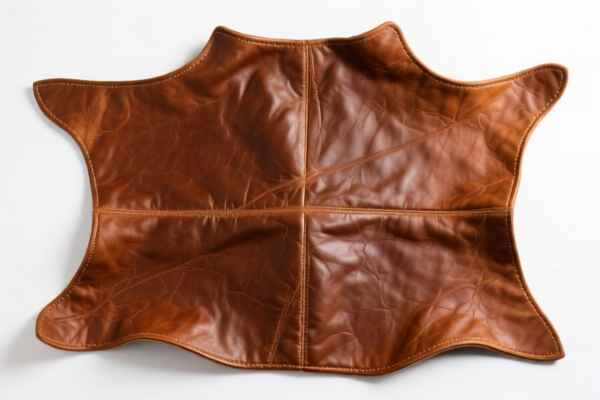
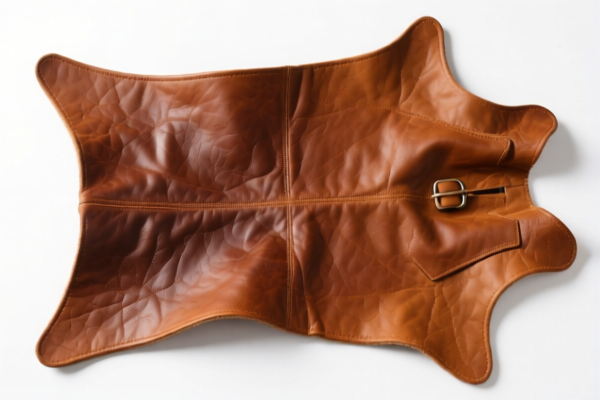
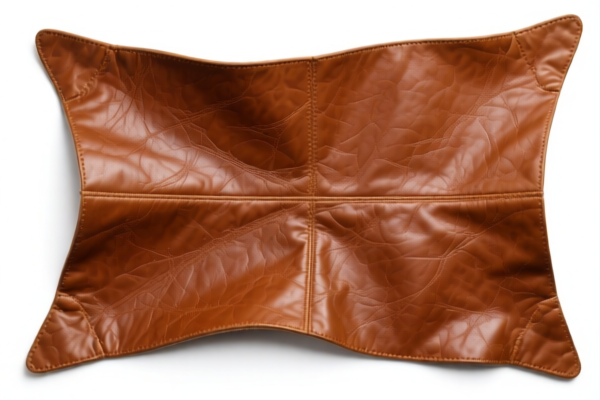
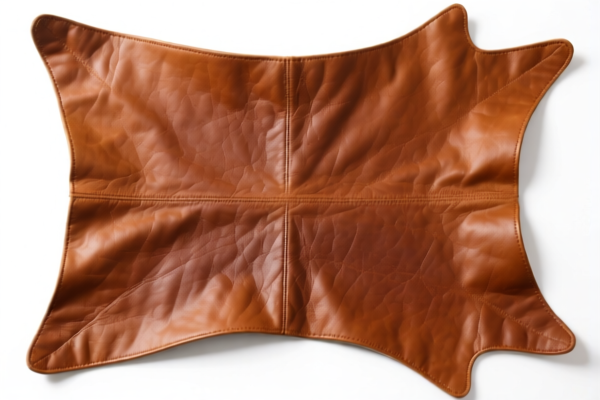
AI Analysis
🐑 Industrial Tanned Sheepskin (Hairless) – The Hidden Gem in Textile & Leather Trade
🌐 HS Code Reference & Clearance Guide | 2026 Latest Tariff Analysis | Professional Customs Strategy
📌 I. Product Definition & Classification: What Exactly is “Industrial Tanned Sheepskin (Hairless)”?
Industrial Tanned Sheepskin (Hairless) refers to sheepskin that has been tanned for durability and industrial use, with the wool/hair removed. Unlike fashion or upholstery sheepskin (which keeps the fleece), this variant is valued for its softness, flexibility, and heat retention when used in gloves, linings, apparel, or specialized industrial gloves.
⚠️ Key Distinction:
- Hairless Sheepskin ≠ Sheepskin with Wool → Different HS Codes!
- If hair is fully removed, it falls under Leather Goods (Chapter 41/43);
- If hair is retained, it falls under Fur Skins (Chapter 43).
📦 II. HS Code Classification Details (2026 Latest Tariff Authority)
| HS Code | Product Description | Applicable Scenario | Hair Status |
|---|---|---|---|
4104.41.00.00 |
Sheepskin, tanned, hairless, chrome-tanned | Industrial gloves, linings, apparel | ✅ Hairless |
4104.49.00.00 |
Sheepskin, tanned, hairless, other than chrome-tanned | Specialty tanning (vegetable, aldehyde) | ✅ Hairless |
4302.91.00.00 |
Sheepskin, tanned, with hair intact | Fashion jackets, rugs, trim | ❌ Hair Retained |
4203.29.00.00 |
Gloves, mittens, of sheepskin (tanned) | Finished gloves | ✅ Hairless (finished product) |
6116.93.00.00 |
Gloves, knitted/crocheted, of sheepskin (linings) | Knitted gloves with sheepskin lining | ✅ Hairless (component) |
🔍 Critical Reminder:
- Hairless sheepskin → Chapter 41 (Leather);
- Hairy sheepskin → Chapter 43 (Fur);
- Misclassification can lead to 20–45% tariff penalties!
💰 III. 2026 Latest Tariff Rates Explained (Including Surtaxes & Policy Add-ons)
✅ Applicable Country: United States (US)
✅ Origin: China (CN)
✅ Effective Date: From November 10, 2025 (including subsequent imports)
🎯 1. 4104.41.00.00 – Sheepskin, Tanned, Hairless, Chrome-Tanned
| Item | Content |
|---|---|
| Base Tariff | 0% (ad valorem) |
| USITC Surtax | +25% (from USITC Footnote 9903.88.01) |
| IEEPA Surtax | +10% (for China/HK products, from Nov 10, 2025) |
| Total Tariff | 35% |
| Tax Calculation | CIF Value × 35% |
| De Minimis Eligible? | ❌ No (deny_de_minimis) |
| Legal Path | IEEPA:9903.01.25 → IEEPA:9903.01.24 → USITC:4104.41.00.00 → FOOTNOTE:9903.88.01 |
📌 Explanation:
- 25% USITC Surtax from Section 301 of the Trade Act;
- 10% IEEPA Surtax under the International Emergency Economic Powers Act;
- Total 35% → High tariff! Must be planned ahead!
🎯 2. 4104.49.00.00 – Sheepskin, Tanned, Hairless, Other Than Chrome-Tanned
| Item | Content |
|---|---|
| Base Tariff | 0% |
| USITC Surtax | +25% |
| IEEPA Surtax | +10% |
| Total Tariff | 35% |
| Tax Calculation | CIF × 35% |
| De Minimis Eligible? | ❌ No |
| Legal Path | IEEPA:9901.25 → IEEPA:9903.01.24 → USITC:4104.49.00.00 → FOOTNOTE:9903.88.01 |
📌 Note:
- Same tariff as chrome-tanned hairless sheepskin;
- Applies to vegetable-tanned, aldehyde-tanned, or other specialized tanning methods.
🛠️ IV. Customs Clearance Practical Advice (Avoid Pitfalls)
✅ 1. Documentation Checklist (Mandatory)
| Document | Required? | Notes |
|---|---|---|
| ✅ Product Specification Sheet | ✔️ | Include tanning type, thickness, size, usage |
| ✅ Tanning Process Certificate | ✔️ | Chrome vs. Vegetable vs. Aldehyde |
| ✅ Photos (Inside/Outside) | ✔️ | Show hairless surface clearly |
| ✅ Third-Party Test Report | ✔️ | REACH, CPSIA, Prop 65 (if applicable) |
| ✅ Commercial Invoice | ✔️ | Clearly state “Sheepskin, Tanned, Hairless” |
| ✅ Certificate of Origin (CO) | ✔️ | For preferential treatment if non-China origin |
| ✅ Packing List | ✔️ | Indicate bulk vs. finished goods |
✅ 2. Declaration Tips (Key Mantra)
🔥 “Hairless = Leather (Ch.41), Hairy = Fur (Ch.43), Name Matters, Tariff Varies!”
| Scenario | Correct Declaration | Wrong Approach |
|---|---|---|
| Hairless sheepskin, chrome-tanned | 4104.41.00.00 |
Misdeclare as fur → 30% |
| Hairy sheepskin | 4302.91.00.00 |
Misdeclare as leather → 35% |
| Finished sheepskin gloves | 4203.29.00.00 |
Misdeclare as raw material → 20% |
| Sheepskin lining for jackets | 4203.29.00.00 |
Misdeclare as “textile” → 25% |
✅ 3. Special Cases Handling
| Situation | Recommendation |
|---|---|
| OEM Custom Sheepskin | Provide design specs + tanning certs to avoid “non-standard” claims |
| Sheepskin for Industrial Gloves | Declare as “industrial leather” to avoid fashion tariff brackets |
| Sheepskin Linings | If sewn into garments, declare as garment component, not raw leather |
| Mixed Shipments (Hairless + Hairy) | Split declarations required to avoid misclassification penalties |
🌍 V. Global Market Comparison (2026 Latest)
| Country/Region | Recommended HS Code | Tariff | Certification | Notes |
|---|---|---|---|---|
| 🇺🇸 USA | 4104.41.00.00 |
35% (China origin) | REACH, CPSIA | High surtax |
| 🇨🇳 China | 4104.41.00.00 |
5% | CCC, RoHS | No surtax |
| 🇪🇺 EU | 4104.41.00.00 |
0% (if REACH compliant) | CE, REACH | No surtax |
| 🇦🇺 Australia | 4104.41.00.00 |
5% | RCM | No surtax |
| 🇯🇵 Japan | 4104.41.00.00 |
0% | PSE | No surtax |
📌 Conclusion:
- USA imposes highest tariffs on Chinese-origin hairless sheepskin;
- EU/Japan/Australia offer better tariff advantages;
- Consider supply chain diversification (Vietnam, Mexico) to avoid IEEPA surtax.
📌 VI. Common Mistakes & Pitfalls (Lessons Learned)
❌ Mistake 1: Declaring hairy sheepskin as “hairless”
👉 Result: 35% tariff instead of 0–5% → Massive cost increase!
❌ Mistake 2: Not specifying tanning type
👉 Result: Customs delays, potential reclassification → Fines + Demurrage
❌ Mistake 3: Mixing hairless and hairy sheepskin in one shipment
👉 Result: Penalties for misdeclaration → 20–45% extra taxes!
❌ Mistake 4: Using vague terms like “leather” or “sheepskin” without clarification
👉 Result: Customs ambiguity → Delays + Audit Risk
✅ Correct Declaration Example:
“Sheepskin, Chrome-Tanned, Hairless, Industrial Grade, Thickness 1.2mm, Roll Form, for Glove Lining, Origin: China, REACH Compliant”
🎯 VII. Conclusion: Precision Classification, Cost Savings, Smooth Clearance!
🎯 Remember the Mantra:
🔹 “Hairless = Leather (41), Hairy = Fur (43), Tanning Type Matters, Declare Precisely!”
🔹 “HS Code Determines Tariff, Mistake Costs 35%, Precision Saves Thousands!”
📌 Pro Tip:
If your sheepskin is originated from Vietnam, Mexico, Thailand, or Malaysia, you may qualify for IEEPA Exemption, reducing tariffs to 0–5%;
Recommend applying for Advance Ruling pre-shipment to mitigate clearance risks.
📣 Take Action Now:
📞 Contact a professional customs broker + Provide product images + Apply for HS Code Advance Ruling
🚀 Ensure your industrial sheepskin clears smoothly, efficiently, and profitably!
✨ Professional Clearance Starts with Accurate Classification!
💼 Every Cent Counts – Let Precision Drive Your Profit!
Customer Reviews
About HS Code Classification
The Harmonized System (HS) is an internationally standardized nomenclature developed by the World Customs Organization (WCO) to classify traded products. Over 200 countries use the HS system as the basis for customs tariffs, trade statistics, and import/export regulations.
Each HS code follows a hierarchical structure:
- Chapter (2 digits) — Broad category of goods (e.g., Chapter 84: Machinery and Mechanical Appliances)
- Heading (4 digits) — More specific grouping within the chapter
- Subheading (6 digits) — Internationally standardized breakdown, used by all WCO member countries
- National subdivisions (8-10 digits) — Country-specific extensions for further classification, such as US HTSUS 10-digit codes
Correct HS code classification is essential for smooth customs clearance, accurate duty payment, and compliance with trade regulations. Misclassification can lead to customs delays, overpayment of duties, or penalties.
When importing from CN to US, the applicable tariff rates may include:
- Most-Favored-Nation (MFN) rate — The standard duty rate applied to WTO members
- General rate — Applied to countries without trade agreements
- Trade remedy duties — Additional tariffs such as Section 301 (anti-dumping), Section 232 (national security), or countervailing duties
The information provided on this page is for reference purposes only. For official classification, please consult with your local customs authority or a licensed customs broker.