Industrial Textiles
CN → US| HS Code | Tariff Rate | Origin | Destination | Doc |
|---|---|---|---|---|
| 5906993000 | 38.3% | CN | US | Official Doc |
| 6006901000 | 42.0% | CN | US | Official Doc |
| 5903102010 | 35.0% | CN | US | Official Doc |
| 6307909882 | 24.5% | CN | US | Official Doc |
| 6307909884 | 24.5% | CN | US | Official Doc |
Product Images
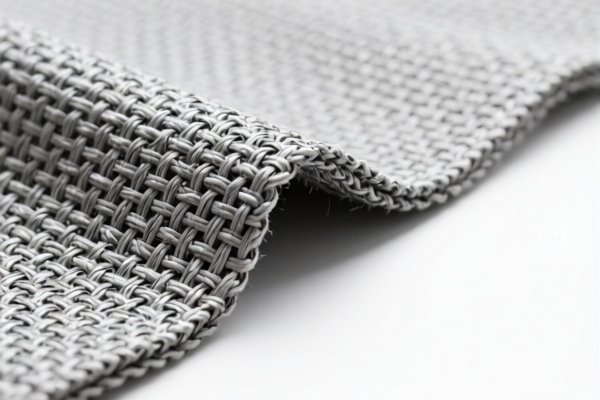
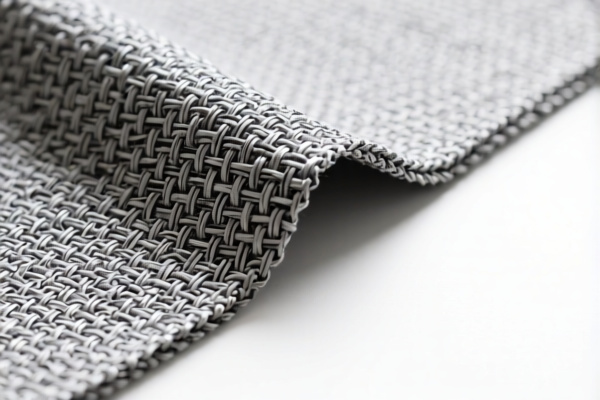
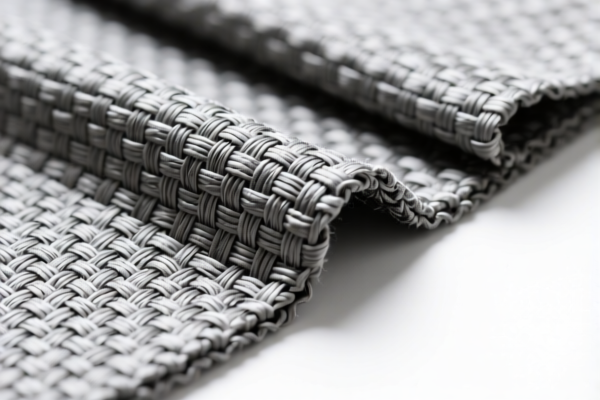
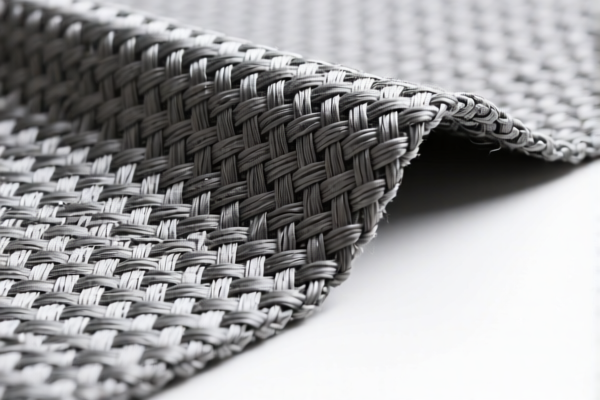
AI Analysis
🧵 Industrial Textiles (Fabric & Apparel Accessories)
🌐 HS Code Reference & Customs Clearance Guide | 2026 Latest Tariff Analysis | Professional Customs Strategy
📌 Part 1: Product Definition & Classification: Do You Really Understand "Industrial Textiles"?
Industrial textiles are a broad category of fabric products used primarily for functional, rather than aesthetic, purposes. In international trade, they are often misclassified due to their diverse end-uses. They generally fall into two main buckets:
Raw/Processed Fabrics (Chapter 59-60): Fabrics that have been impregnated, coated, covered, or laminated with rubber, plastics, or other substances for durability, water resistance, or insulation.
Finished Goods (Chapter 63): Finished articles made from textile materials, such as bags, sacks, filters, or protective covers, which do not have a specific dedicated chapter heading.
⚠️ Key Distinction Point:
- If the product is bare fabric (even if coated/rubberized) used for further manufacturing → Classified under 5906, 5903, or 6006.
- If the product is a finished item (e.g., a tarp, bag, or cover) with no specific heading elsewhere → Classified under 6307.
📦 Part 2: HS Code Classification Details (2026 Latest Authorized Comparison)
| HS Code | Product Description | Application Scenario | Key Characteristics |
|---|---|---|---|
5906.99.30.00 |
Rubberized textile fabrics, other (Industrial Grade) | Conveyor belts, hoses, waterproof industrial covers, automotive interiors | ✅ Contains rubber coating/lamination; retains fabric structure |
6006.90.10.00 |
Knitted or crocheted fabrics, other (incl. silk blends) | Flexible industrial sleeves, filtration fabrics, high-strength knit components | ✅ Knitted/Crocheted structure; potential silk/nylon/polyester blend |
5903.10.20.10 |
Textile fabrics impregnated/coated with plastics (PVC/EVA) | PVC tarpaulins, plastic-coated workwear lining, insulated bags | ✅ Plastic impregnation/coating; flat fabric form |
6307.90.98.82 |
Made-up articles of textiles, n.e.s. (incl. cotton components) | Industrial sacks, cotton-based filter bags, protective covers | ✅ Finished article; "Cotton" dominant material; general category |
6307.90.98.84 |
Made-up articles of textiles, n.e.s. (incl. man-made fibers) | Synthetic rope bags, nylon cargo nets, synthetic protective gear | ✅ Finished article; "Man-made fibers" dominant; general category |
6006.90.90.00 |
Knitted or crocheted fabrics, n.e.s. (Other) | General-purpose knit industrial fabrics, non-specific knit layers | ✅ Knitted structure; no specific rubber/plastic coating; general fallback |
🔍 Key Reminder:
- Products under 6307 are "catch-all" categories for finished items. If you are importing raw fabric, do NOT use 6307.
- Products under 5906/5903/6006 are fabrics. If you are importing finished bags or covers, do NOT use these codes.
- Misclassification between "Fabric" (59/60) and "Made-up Article" (63) is the #1 cause of customs delays.
💰 Part 3: 2026 Latest Tariff Rate Breakdown (Including Surtaxes & Policy Add-ons)
✅ Applicable Country: United States (US)
✅ Country of Origin: China (CN)
✅ Effective Date: November 10, 2025 (and subsequent imports)
🎯 1. 5906.99.30.00 – Rubberized Textile Fabrics (Industrial)
| Item | Details |
|---|---|
| Base Tariff Rate | 3.3% |
| Section 301 Surtax | +25.0% |
| Section 122 Surtax | +10.0% |
| Total Tax Rate | 38.3% |
| Tax Calculation | CIF Value × 38.3% |
| De Minimis Eligibility | ❌ Not Eligible (deny_de_minimis) |
| Legal Basis Path | USITC:5906.99.30.00 → 301:25.0% → 122:10.0% |
📌 Explanation:
- "Rubberized" fabrics are considered durable industrial goods, attracting full Section 301 tariffs.
- The 10% Section 122 surcharge applies to certain textile/cotton-related imports under specific trade actions.
🎯 2. 6006.90.10.00 – Knitted/Crocheted Fabrics (Silk/Blend)
| Item | Details |
|---|---|
| Base Tariff Rate | 7.0% |
| Section 301 Surtax | +25.0% |
| Section 122 Surtax | +10.0% |
| Total Tax Rate | 42.0% |
| Tax Calculation | CIF Value × 42.0% |
| De Minimis Eligibility | ❌ Not Eligible |
| Legal Basis Path | USITC:6006.90.10.00 → 301:25.0% → 122:10.0% |
📌 Note:
- Knitted fabrics often have higher base rates due to perceived labor intensity.
- Includes silk blends or synthetic knits intended for industrial use.
🎯 3. 5903.10.20.10 – Plastic-Impregnated Textile Fabrics
| Item | Details |
|---|---|
| Base Tariff Rate | 0.0% |
| Section 301 Surtax | +25.0% |
| Section 122 Surtax | +10.0% |
| Total Tax Rate | 35.0% |
| Tax Calculation | CIF Value × 35.0% |
| De Minimis Eligibility | ❌ Not Eligible |
| Legal Basis Path | USITC:5903.10.20.10 → 301:25.0% → 122:10.0% |
📌 Explanation:
- Despite a 0% base rate, the high surtaxes make the effective cost significant.
- Typically applies to PVC-coated fabrics, common in tarps and industrial sheeting.
🎯 4. 6307.90.98.82 – Other Made-Up Textile Articles (Cotton)
| Item | Details |
|---|---|
| Base Tariff Rate | 7.0% |
| Section 301 Surtax | +7.5% |
| Section 122 Surtax | +10.0% |
| Total Tax Rate | 24.5% |
| Tax Calculation | CIF Value × 24.5% |
| De Minimis Eligibility | ❌ Not Eligible |
| Legal Basis Path | USITC:6307.90.98.82 → 301:7.5% → 122:10.0% |
📌 Key Insight:
- Lowest Surtax in Category! Section 301 for general made-up articles is often lower (7.5%) than for raw fabrics (25%).
- Ideal for finished cotton sacks, bags, or filters.
🎯 5. 6307.90.98.84 – Other Made-Up Textile Articles (Man-Made Fibers)
| Item | Details |
|---|---|
| Base Tariff Rate | 7.0% |
| Section 301 Surtax | +7.5% |
| > Section 122 Surtax | +10.0% |
| Total Tax Rate | 24.5% |
| Tax Calculation | CIF Value × 24.5% |
| De Minimis Eligibility | ❌ Not Eligible |
| Legal Basis Path | USITC:6307.90.98.84 → 301:7.5% → 122:10.0% |
📌 Key Insight:
- Same favorable rate as cotton made-up articles.
- Applies to nylon, polyester, or synthetic finished goods (e.g., rope bags, synthetic covers).
🎯 6. 6006.90.90.00 – Other Knitted/Crocheted Fabrics (Fallback)
| Item | Details |
|---|---|
| Base Tariff Rate | 0.0% |
| Section 301 Surtax | +25.0% |
| Section 122 Surtax | +10.0% |
| Total Tax Rate | 35.0% |
| Tax Calculation | CIF Value × 35.0% |
| De Minimis Eligibility | ❌ Not Eligible |
| Legal Basis Path | USITC:6006.90.90.00 → 301:25.0% → 122:10.0% |
📌 Note:
- This is a "catch-all" for knitted fabrics not covered elsewhere.
- High surtax applies because it is still classified as a raw fabric/int intermediate good, not a finished article.
🛠️ Part 4: Customs Clearance Practical Advice (Real-World Pitfall Avoidance)
✅ 1. Documentation Checklist (Must-Haves)
| Document | Required | Explanation |
|---|---|---|
| ✅ Product Specifications | ✔️ | Detailed description: Material composition (e.g., 100% Polyester), Weave type (Knit/Woven), Coating type (Rubber/PVC) |
| ✅ Product Photos | ✔️ | Must clearly show if the item is a roll of fabric or a finished bag/cover |
| ✅ Bill of Lading / Invoice | ✔️ | Must specify "Industrial Textile Fabric" or "Made-up Textile Article" accurately |
| ✅ Material Test Report | ✔️ | Proof of composition (e.g., fiber analysis) to distinguish between Cotton (6307.98.82) and Man-Made (6307.98.84) |
| ✅ Declaration of End-Use | ✔️ | Confirm if it is for further manufacturing (fabric) or direct use (finished good) |
✅ 2. Declaration Tips (Key Mantra)
🔥 “Fabric is Raw, Finished is Done; Know the Code, Avoid the Fine!”
| Scenario | Correct Declaration | Wrong Practice |
|---|---|---|
| Roll of PVC-coated fabric | 5903.10.20.10 |
Declare as "Bag" → 24.5% (Lower rate, but illegal misclassification) |
| Finished cotton sack | 6307.90.98.82 |
Declare as "Fabric" → 38.3% (Higher rate, but illegal misclassification) |
| Roll of knitted synthetic fabric | 6006.90.90.00 |
Declare as "Finished Item" → 24.5% (Illegal, risk of seizure) |
| Rubberized conveyor belt material | 5906.99.30.00 |
Declare as "General Fabric" → Incorrect |
📌 Critical Advice:
- Do not arbitrarily choose the lowest tax rate. Customs will audit the physical product. If you declare a finished bag as "fabric" to pay 35% instead of 24.5%, you risk penalties and delays.
- Accuracy is Key: Use precise terms like "Impregnated" (for 5903) or "Made-up" (for 6307).
✅ 3. Special Cases Handling
| Situation | Handling Advice |
|---|---|
| Mixed Materials (Cotton + Nylon) | Determine the dominant material by weight. Cotton → 6307.90.98.82; Nylon → 6307.90.98.84. |
| OEM Custom Bags | Provide design specs. If it’s a standard shape, use 6307. If it’s a unique industrial component, consult a broker. |
| Samples for R&D | Still subject to tariffs. Ensure samples are clearly marked "Not for Resale" but still declare correctly. |
| Duty Drawback Claims | If imported as fabric (59/60) and exported as finished goods, check if duty drawback applies under specific trade agreements. |
🌍 Part 5: Global Market Customs Comparison (2026 Latest)
| Country/Region | Recommended HS Code | Tariff (China Origin) | Certification | Notes |
|---|---|---|---|---|
| 🇺🇸 USA | 6307.90.98.82 / 5903.10.20.10 |
24.5% - 42.0% | No specific CE/FCC | High Surtaxes Apply |
| 🇨🇳 China | 6307.90.98.82 / 5903.10.20.10 |
7.0% - 10.0% | No CCC needed | No Surtaxes |
| 🇪🇺 EU | 6307.90.98 / 5903.10 |
0% - 12.0% | REACH Compliant | No US-style Surtaxes |
| 🇨🇦 Canada | 6307.90.98 / 5903.10 |
0% - 15.0% | Standard | CUSMA Eligible if Canadian |
| 🇲🇽 Mexico | 6307.90.98 / 5903.10 |
0% - 12.0% | NOM | USMCA Eligible if Mexican |
📌 Conclusion:
- USA is the most expensive market due to Section 301 and 122 surtaxes.
- EU/Canada/Mexico have standard MFN rates without US-style punitive surtaxes.
- Consider supply chain diversification if targeting the US market to mitigate tax costs.
📌 Part 6: Common Errors & Pitfall Guide (Blood & Tears Lessons)
❌ Error 1: Declaring "Industrial Bag" as "Fabric" to avoid higher base rates
👉 Consequence: Customs inspection finds a finished item → Fine + Retention
❌ Error 2: Declaring "PVC Coated Fabric" as "General Fabric"
👉 Consequence: Misclassification → Audit + Back Taxes
❌ Error 3: Ignoring the "Section 122" surcharge
👉 Consequence: Underpayment → Additional 10% Tax + Interest
❌ Error 4: Using vague terms like "Textile Product"
👉 Consequence: CBP Request for Information → Delay in Release
✅ Correct Approach:
"PVC-Coated Polyester Fabric, 1000 denier, for industrial conveyor use, rolled on cardboard core"
OR
"Finished Cotton Sack, 50kg capacity, with handles, for agricultural use"
🎯 Part 7: Conclusion: Professional Declaration Saves Money!
🎯 Remember the Mantra:
🔹 "Fabric is Raw, Finished is Done; Surtaxes Apply, Be Known!"
🔹 "HS Code Defines the Cost; A Small Mistake Costs Big Money!"
📌 Pro Tip:
If your industrial textiles are originating from Vietnam, Mexico, Thailand, or Malaysia, you may qualify for IEEPA Exemptions or Free Trade Agreement (FTA) benefits, reducing tariffs to 0%~5%.
Consider applying for Advance Rulings for complex coated fabrics to avoid classification disputes.
📣 Take Action Now:
📞 Contact a licensed customs broker + Provide Product Photos + Request HS Code Advance Ruling
🚀 Let your Industrial Textiles clear customs smoothly, efficiently, and profitably!
✨ Professional Customs, Starting with Accurate Classification!
💼 Your Every Penny Should Be Precisely Calculated!
Customer Reviews
About HS Code Classification
The Harmonized System (HS) is an internationally standardized nomenclature developed by the World Customs Organization (WCO) to classify traded products. Over 200 countries use the HS system as the basis for customs tariffs, trade statistics, and import/export regulations.
Each HS code follows a hierarchical structure:
- Chapter (2 digits) — Broad category of goods (e.g., Chapter 84: Machinery and Mechanical Appliances)
- Heading (4 digits) — More specific grouping within the chapter
- Subheading (6 digits) — Internationally standardized breakdown, used by all WCO member countries
- National subdivisions (8-10 digits) — Country-specific extensions for further classification, such as US HTSUS 10-digit codes
Correct HS code classification is essential for smooth customs clearance, accurate duty payment, and compliance with trade regulations. Misclassification can lead to customs delays, overpayment of duties, or penalties.
When importing from CN to US, the applicable tariff rates may include:
- Most-Favored-Nation (MFN) rate — The standard duty rate applied to WTO members
- General rate — Applied to countries without trade agreements
- Trade remedy duties — Additional tariffs such as Section 301 (anti-dumping), Section 232 (national security), or countervailing duties
The information provided on this page is for reference purposes only. For official classification, please consult with your local customs authority or a licensed customs broker.