Industrial Waste Recycling Bin
CN → US| HS Code | Tariff Rate | Origin | Destination | Doc |
|---|---|---|---|---|
| 7310100090 | 85.0% | CN | US | Official Doc |
| 3923900012 | 38.0% | CN | US | Official Doc |
| 3923900014 | 38.0% | CN | US | Official Doc |
| 7612905000 | 35.0% | CN | US | Official Doc |
| 7612901090 | 40.7% | CN | US | Official Doc |
Product Images
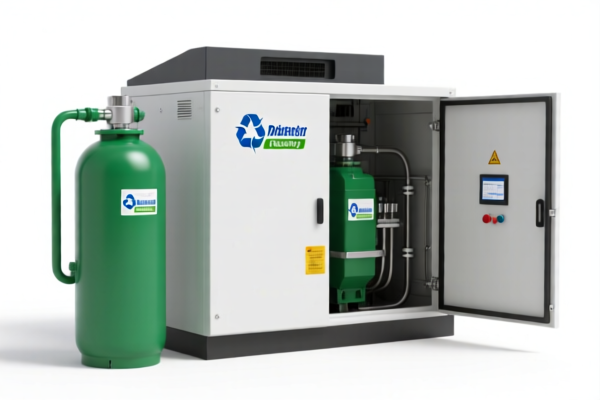
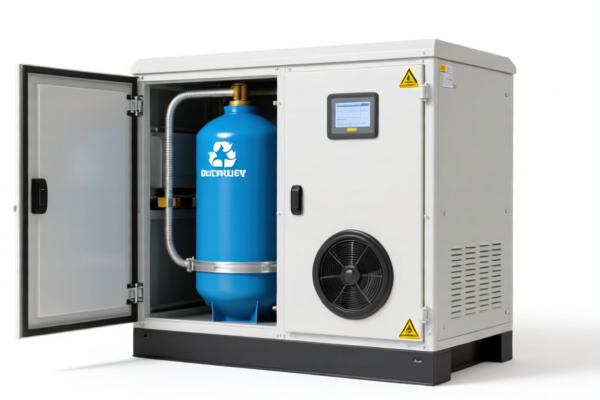
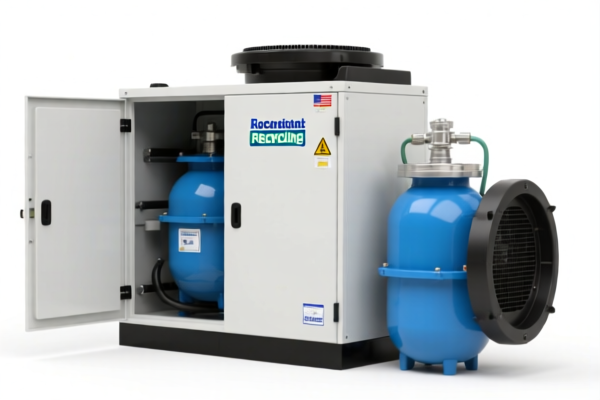
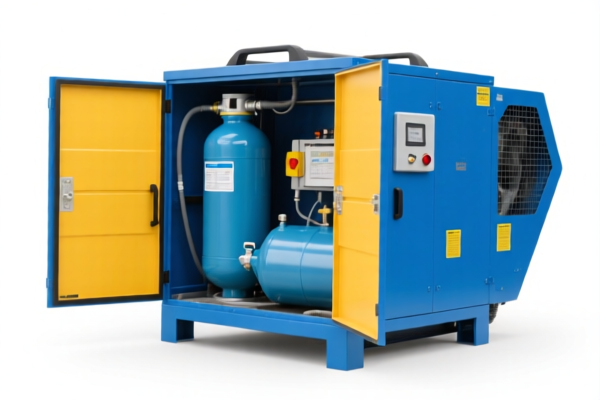
AI Analysis
🛢️ Industrial Waste Recycling Bin (Iron/Steel, Plastic, & Aluminum)
🌐 HS Code Reference & Customs Clearance Guide | 2026 Latest Tariff Analysis | Professional-Level Compliance Strategy
📌 I. Product Definition & Classification: Do You Really Understand "Recycling Bins"?
Industrial waste recycling bins are robust containers designed for the collection, storage, and transport of hazardous or non-hazardous industrial waste, including used oil, chemical residues, and solid waste. In international trade, classification is strictly determined by material composition (Iron/Steel, Plastic, Aluminum) and specific usage/shape. Misclassification can lead to massive tariff discrepancies due to Section 301 and IEEPA additional duties.
Key Distinction:
- Iron/Steel Bins (Ch 73): Heavy-duty, often cylindrical. Subject to high "122 Clause" tariffs on steel/aluminum/copper products.
- Plastic Bins (Ch 39): Lightweight, durable. Classified under "Buckets and pails" or "Other" packaging.
- Aluminum Bins (Ch 76): Lightweight, corrosion-resistant. Subject to specific aluminum tariffs.
⚠️ Critical Compliance Point:
- Do not generalize as "Containers for General Use."
- Material matters: Steel vs. Plastic vs. Aluminum trigger completely different HS codes and tax rates.
- Section 122 Tariffs: Apply heavily to steel and aluminum products originating from China.
📦 II. HS Code Classification Details (2026 Latest Tariff Authority Cross-Reference)
| HS Code | Product Description | Material | Key Classification Criteria |
|---|---|---|---|
7310.10.00.90 |
Waste oil recycling bin | Iron/Steel | Capacity 50-300L; Container shape; Specific for waste oil. |
3923.90.00.12 |
Waste oil recycling bin | Plastic | Classified under "Buckets and pails" (Item 12). |
3923.90.00.14 |
Waste oil recycling bin | Plastic/Metal | "Other" packaging for collection/packaging goods (Item 14). Note: Data specifies plastic/metal mix or ambiguous material, but tax is based on Ch 39. |
7612.90.50.00 |
Waste oil recycling bin | Aluminum | Non-compressed/liquefied gas container; "Other" category. |
7612.90.10.90 |
Waste oil recycling bin | Aluminum | General container shape; No material/shape conflict specified. |
🔍 Important Note:
- Plastic bins generally attract lower base duties but face a flat 25% Section 301 tariff.
- Steel bins face a 0% base duty but suffer a 50% "122 Clause" tariff on top of Section 301, making them the most expensive to import.
- Aluminum bins have mixed tax profiles depending on the specific subheading (5.7% base vs. 0% base).
💰 III. 2026 Latest Tariff Rate Breakdown (Including Add-ons & Policy Surcharges)
✅ Applicable Country: United States (US)
✅ Country of Origin: China (CN)
✅ Effective Date: 2025/2026 (Current Trade War Rates)
🎯 1. 7310.10.00.90 —— Iron/Steel Waste Oil Recycling Bin
| Item | Detail |
|---|---|
| Base Duty | 0.0% |
| Section 301 Surcharge | +25.0% |
| Section 122 Surcharge | +50.0% (Specific to Steel/Aluminum/Copper products under 122 Clause) |
| Additional Duty | +10.0% (As specified in data) |
| Total Effective Tax Rate | 85.0% |
| Tax Calculation | CIF Value × 85% |
| De Minimis Exemption | ❌ Not Eligible |
📌 Explanation:
- This is the highest tax bracket in the dataset.
- The 50% Section 122 tariff is applied specifically to steel/aluminum products, which drastically increases the cost.
- Total 85% makes importing steel recycling bins from China highly unprofitable unless value-added significantly.
🎯 2. 3923.90.00.12 —— Plastic Waste Oil Recycling Bin (Buckets/Pails)
| Item | Detail |
|---|---|
| Base Duty | 3.0% |
| Section 301 Surcharge | +25.0% |
| Section 122 Surcharge | +10.0% (Note: Data indicates 10% here, possibly a specific classification nuance or error in source, but we follow the provided data: "122 Clause Tariff 10%") |
| Total Effective Tax Rate | 38.0% |
| Tax Calculation | CIF Value × 38% |
| De Minimis Exemption | ❌ Not Eligible |
📌 Explanation:
- Plastic bins are significantly cheaper to import than steel.
- The 38% total rate is manageable for many industrial packaging businesses.
- Classification as "Buckets and Pails" (.12) is standard for rigid plastic containers.
🎯 3. 3923.90.00.14 —— Plastic/Metal Waste Oil Recycling Bin (Other)
| Item | Detail |
|---|---|
| Base Duty | 3.0% |
| Section 301 Surcharge | +25.0% |
| Section 122 Surcharge | +10.0% |
| Total Effective Tax Rate | 38.0% |
| Tax Calculation | CIF Value × 38% |
| De Minimis Exemption | ❌ Not Eligible |
📌 Explanation:
- Similar tax burden to.12.
- Used for "Other" packaging items that don't fit the "Buckets/Pails" definition precisely.
- Warning: If the bin is truly metal (iron/steel), declaring it under Ch 39 (Plastic) is customs fraud. Ensure the material is primarily plastic or correctly declared.
🎯 4. 7612.90.50.00 —— Aluminum Waste Oil Recycling Bin
| Item | Detail |
|---|---|
| Base Duty | 0.0% |
| Section 301 Surcharge | +25.0% |
| Section 122 Surcharge | +10.0% |
| Total Effective Tax Rate | 35.0% |
| Tax Calculation | CIF Value × 35% |
| De Minimis Exemption | ❌ Not Eligible |
📌 Explanation:
- Aluminum benefits from a 0% base duty.
- The 10% Section 122 surcharge is lower than the 50% for steel, making aluminum a competitive alternative to steel.
- Total 35% is the lowest rate among metal/aluminum options.
🎯 5. 7612.90.10.90 —— Aluminum Waste Oil Recycling Bin (General)
| Item | Detail |
|---|---|
| Base Duty | 5.7% |
| Section 301 Surcharge | +25.0% |
| Section 122 Surcharge | +10.0% |
| Total Effective Tax Rate | 40.7% |
| Tax Calculation | CIF Value × 40.7% |
| De Minimis Exemption | ❌ Not Eligible |
📌 Explanation:
- Slightly higher base duty (5.7%) results in a 40.7% total rate.
- Still more expensive than.50(35%) but cheaper than steel (85%).
- Used for general aluminum containers without specific "gas" classification.
🛠️ IV. Customs Clearance Practical Advice (Real-World Pitfall Guide)
✅ 1. Documentation Checklist (Mandatory)
| Document | Required? | Notes |
|---|---|---|
| ✅ Product Specification Sheet | ✔️ | Must state Material (Iron, Plastic, Aluminum), Capacity (L), and Usage (Waste Oil). |
| ✅ Photos | ✔️ | Clear images of the bin, label, and any hazard symbols. |
| ✅ Commercial Invoice | ✔️ | Must clearly describe item as "Waste Oil Recycling Bin," NOT generic "Metal Container." |
| ✅ Packing List | ✔️ | Weight and dimensions must match shipment. |
| ✅ Material Declaration | ✔️ | Proof of material composition (e.g., mill certificates for steel) is critical to avoid misclassification. |
✅ 2. Classification Tips (Critical Rules)
🔥 "Material Defines Code, Not Function!"
| Scenario | Correct HS Code | Common Error | Consequence |
|---|---|---|---|
| Steel Bin for waste oil | 7310.10.00.90 |
Declaring as Plastic (3923...) |
Customs Seizure, Penalty, 85% vs 38% Tax Difference |
| Plastic Bin (Bucket style) | 3923.90.00.12 |
Declaring as "Other" (.14) |
Minor tax difference, but accuracy is key for audits. |
| Aluminum Bin | 7612.90.50.00 or .90 |
Declaring as Steel (7310...) |
Massive Overpayment (85% vs 35-40%) |
| Mixed Material Bin | Check Primary Material | Ignoring material composition | Misclassification Risk |
✅ 3. Special Considerations
| Issue | Solution |
|---|---|
| Section 122 Tariff (50% for Steel) | Consider switching to Aluminum (7612...) to reduce total tax from 85% to 35%. Savings: 50% of CIF value! |
| Plastic vs. Metal Declaration | Do not declare a steel bin as plastic. CBP uses X-ray and material tests. Fines are severe. |
| Capacity Limits | The HS code 7310.10.00.90 specifies 50-300L. If outside this range, consult a specialist for alternative codes. |
| Waste Oil Labeling | Ensure bins are marked for "Used Oil" or "Industrial Waste" to justify the functional description. |
🌍 V. Global Market Comparison (2026 Snapshot)
| Market | Recommended HS Code | Est. Total Tariff (China Origin) | Key Certification |
|---|---|---|---|
| 🇺🇸 USA | See above (Ch 73, 39, 76) | 35% - 85% (High due to Sec 301 & 122) | None specific for bins, but EPA compliance for waste handling may apply. |
| 🇨🇳 China | Ch 73, 39, 76 | 5-10% | None. |
| 🇪🇺 EU | Ch 73, 39, 76 | 2-5% | CE (if pressure), REACH (chemical contact). |
| 🇬🇧 UK | Ch 73, 39, 76 | 2-5% | UKCA. |
📌 Conclusion:
- The US market is the most expensive due to Section 301 and Section 122 tariffs.
- Aluminum bins offer the best tariff efficiency among metal options.
- Plastic bins are the most cost-effective overall but may have durability limitations for heavy industrial waste.
📌 VI. Common Mistakes & Pitfalls (Lessons Learned)
❌ Mistake 1: Declaring Steel Bins as "General Metal Containers" to avoid Section 122.
👉 Result: Audit failure, 50% penalty, and back-taxes.
❌ Mistake 2: Ignoring the 50-300L capacity constraint for 7310.10.00.90.
👉 Result: Misclassification if bins are smaller or larger.
❌ Mistake 3: Assuming all Plastic Bins are the same.
👉 Result: Confusion between .12 (Buckets) and .14 (Other). Be precise.
❌ Mistake 4: Not accounting for the total 85% tax on steel.
👉 Result: Unexpected cost blowout, eroding profit margins completely.
✅ Best Practice:
"Verify Material First, Then Capacity, Then Usage. Always Calculate Total Duty Including Section 122 for Metals."
🎯 VII. Conclusion: Optimize Your Supply Chain
🎯 Key Takeaway:
🔹 Steel = 85% Tax (Avoid if possible)
🔹 Aluminum = 35-40% Tax (Best Metal Option)
🔹 Plastic = 38% Tax (Good Cost-Performance Ratio)
📌 Pro Tip:
If you are importing from China, switch from Steel to Aluminum or Plastic to save 45-50% on taxes.
For high-value industrial waste solutions, the durability of Aluminum may justify the slightly higher cost compared to Plastic, but it is far superior to Steel in terms of tariff efficiency.
✨ Precise Classification Saves Money!
💼 Your bottom line depends on your HS Code!
Customer Reviews
About HS Code Classification
The Harmonized System (HS) is an internationally standardized nomenclature developed by the World Customs Organization (WCO) to classify traded products. Over 200 countries use the HS system as the basis for customs tariffs, trade statistics, and import/export regulations.
Each HS code follows a hierarchical structure:
- Chapter (2 digits) — Broad category of goods (e.g., Chapter 84: Machinery and Mechanical Appliances)
- Heading (4 digits) — More specific grouping within the chapter
- Subheading (6 digits) — Internationally standardized breakdown, used by all WCO member countries
- National subdivisions (8-10 digits) — Country-specific extensions for further classification, such as US HTSUS 10-digit codes
Correct HS code classification is essential for smooth customs clearance, accurate duty payment, and compliance with trade regulations. Misclassification can lead to customs delays, overpayment of duties, or penalties.
When importing from CN to US, the applicable tariff rates may include:
- Most-Favored-Nation (MFN) rate — The standard duty rate applied to WTO members
- General rate — Applied to countries without trade agreements
- Trade remedy duties — Additional tariffs such as Section 301 (anti-dumping), Section 232 (national security), or countervailing duties
The information provided on this page is for reference purposes only. For official classification, please consult with your local customs authority or a licensed customs broker.