Industrial composite leather belting
CN → US| HS Code | Tariff Rate | Origin | Destination | Doc |
|---|---|---|---|---|
| 3926906090 | 39.2% | CN | US | Official Doc |
| 5910001090 | 39.0% | CN | US | Official Doc |
| 5910009000 | 37.6% | CN | US | Official Doc |
| 3926905900 | 37.4% | CN | US | Official Doc |
| 4017000000 | 37.7% | CN | US | Official Doc |
Product Images
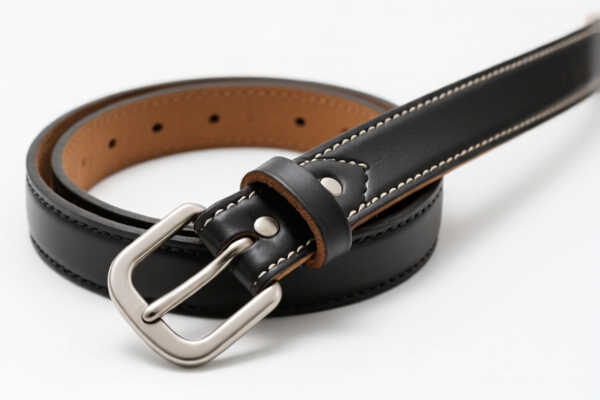
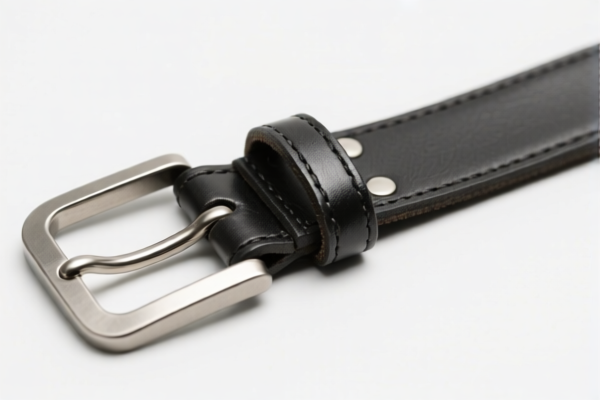
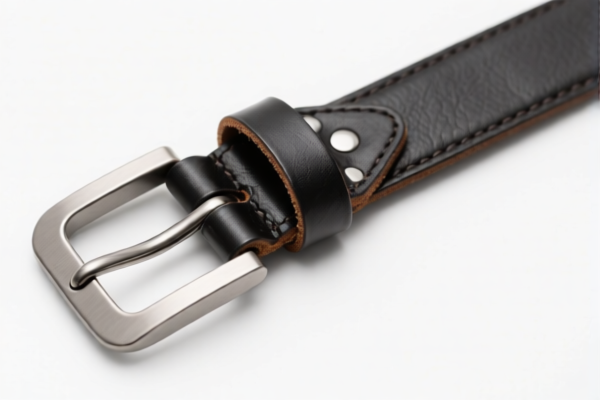
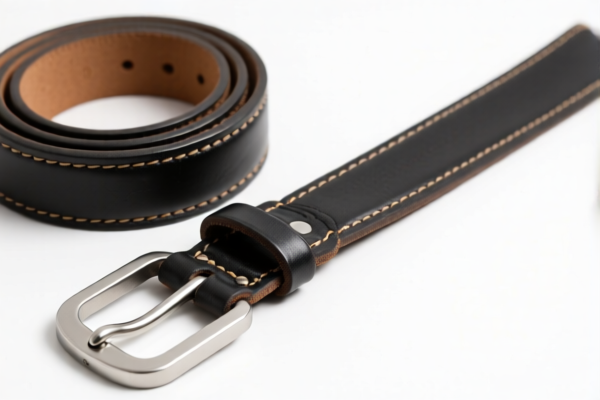
AI Analysis
🏭 Industrial Composite Leather Belting (Synthetic Leather Conveyor Belts)
🌐 HS Code Reference & Customs Clearance Guide | 2026 Latest Tariff Analysis | Professional Entry Strategy 📌 I. Product Definition & Classification: What is "Composite Leather Belting"?
Industrial composite leather belting, often referred to as synthetic leather conveyor belts, is a critical component in material handling systems. In international trade, these belts are classified based on their material composition (whether they fall under plastics, rubber, or textile/cotton/canvas bases) and their form (continuous loops, endless belts, or cut-to-length).
The classification primarily hinges on the core material: * Plastic/Polymer-based: If the belt is primarily made of synthetic leather (a plastic product), it may fall under Chapter 39. * Textile/Rubber-based: If the belt uses a textile backing (canvas/cotton) with synthetic leather coating or is classified as a transmission/conveyor belt under Chapter 40 or 59, it falls under different headings.
⚠️ Key Distinction: - If the material is predominantly plastic/synthetic polymer (e.g., PVC, PU leather) → Look to Chapter 39. - If the material is rubberized or has a textile backing (canvas/cotton) → Look to Chapter 40 or Chapter 59. - Note: The "Composite" nature often leads to disputes between HS Codes 3926 (Articles of plastic) and 5910/4010 (Transmission/Conveyor belts).
📦 II. HS Code Classification Details (2026 Latest Tariff Authority Comparison)
| HS Code | Product Description | Applicable Scenario | Material Basis | Total Tax Rate (China Origin, US Import) |
|---|---|---|---|---|
3926.90.60.90 |
Other articles of plastic: Conveyor belting of synthetic leather | Plastic-based synthetic leather belts; articles of plastic not elsewhere specified. | Plastic/Composite Material | 39.2% |
5910.00.10.90 |
Transmission or conveyor belts, whether or not made of textile materials: Made of cotton or other vegetable textiles | Synthetic leather belts on a textile/canvas backing; fits "conveyor belt" description under textile materials. | Textile/Synthetic Leather | 39.0% |
5910.00.90.00 |
Transmission or conveyor belts, whether or not made of textile materials: Other (Non-cotton) | Synthetic leather belts on non-cotton textile or non-metallic materials; general conveyor belt category. | Textile/Non-Metallic | 37.6% |
3926.90.59.00 |
Other articles of plastic: Other | Synthetic leather belts classified as general plastic articles; fits "belt" but under plastic category. | Plastic/Composite Material | 37.4% |
4017.00.00.00 |
Articles of hard rubber (e.g., ebonite) except hardened paper; Hard rubber and articles thereof | Industrial grade conveyor belts made primarily of rubber or rubberized materials; hard rubber articles. | Rubber | 37.7% |
🔍 Key Reminder: - 3926 applies when the belt is viewed primarily as an article of plastic (synthetic leather is often treated as plastic). - 5910 applies when the belt is viewed as a conveyor belt with a textile base (common for industrial durability). - 4017 applies if the belt is made of hard rubber (ebonite) or similar rubber articles. - Tax Rates Vary: The total tax burden ranges from 37.4% to 39.2%, depending on the precise material composition declared.
💰 III. 2026 Latest Tariff Rate Details (Including Additional Duties & Policy Add-ons)
✅ Applicable Country: United States (US) ✅ Country of Origin: China (CN) ✅ Effective Date: 2025/2026 (Current Import Period)
🎯 1. 3926.90.60.90 — Articles of Plastic: Conveyor Belting of Synthetic Leather
| Item | Detail |
|---|---|
| Basic Tariff | 4.2% (Ad Valorem) |
| Section 301 Tariff | +25.0% (Additional duty on Chinese goods) |
| Section 122 Tariff | +10.0% (Specific surcharge for certain Chinese imports) |
| Total Rate | 39.2% |
| Tax Calculation | CIF Value × 39.2% |
| De Minimis Exemption | ❌ Not Available (Section 301 goods are generally excluded) |
| Legal Basis Path | USITC:3926.90.60.90 → 301:Footnote 9903.88 → Section 122:10% surcharge |
📌 Explanation: - The 4.2% is the standard Most Favored Nation (MFN) rate for plastic articles. - The 25% is the standard Section 301 tariff on Chinese plastic articles. - The 10% is an additional surcharge under Section 122 (or similar administrative provisions for Chinese imports). - Total 39.2% is significant. Importers must ensure the "synthetic leather" is correctly classified to avoid misclassification penalties.
🎯 2. 5910.00.10.90 — Transmission/Conveyor Belts: Made of Cotton/Vegetable Textiles
| Item | Detail |
|---|---|
| Basic Tariff | 4.0% |
| Section 301 Tariff | +25.0% |
| Section 122 Tariff | +10.0% |
| Total Rate | 39.0% |
| Tax Calculation | CIF Value × 39.0% |
| De Minimis Exemption | ❌ Not Available |
| Legal Basis Path | USITC:5910.00.10.90 → 301:Footnote 9903.88 → Section 122:10% surcharge |
📌 Note: - This code is used if the belt has a cotton or vegetable textile base coated with synthetic material. - The basic rate (4.0%) is slightly lower than plastic articles (4.2%), but the additional duties remain the same.
🎯 3. 5910.00.90.00 — Transmission/Conveyor Belts: Other (Non-Cotton)
| Item | Detail |
|---|---|
| Basic Tariff | 2.6% |
| Section 301 Tariff | +25.0% |
| Section 122 Tariff | +10.0% |
| Total Rate | 37.6% |
| Tax Calculation | CIF Value × 37.6% |
| De Minimis Exemption | ❌ Not Available |
| Legal Basis Path | USITC:5910.00.90.00 → 301:Footnote 9903.88 → Section 122:10% surcharge |
📌 Note: - If the belt is made of synthetic textile (polyester, nylon) or other non-cotton materials, this code applies. - The basic rate (2.6%) is the lowest among the textile-based codes, resulting in a 37.6% total rate.
🎯 4. 3926.90.59.00 — Other Articles of Plastic
| Item | Detail |
|---|---|
| Basic Tariff | 2.4% |
| Section 301 Tariff | +25.0% |
| Section 122 Tariff | +10.0% |
| Total Rate | 37.4% |
| Tax Calculation | CIF Value × 37.4% |
| De Minimis Exemption | ❌ Not Available |
| Legal Basis Path | USITC:3926.90.59.00 → 301:Footnote 9903.88 → Section 122:10% surcharge |
📌 Note: - This is the lowest total tax rate (37.4%) in the dataset. - It applies if the belt is classified as a general "article of plastic" rather than a specific "conveyor belt" or if it doesn't fit the textile description. - Critical: Misclassifying a textile-based belt as a plastic article to save tax can lead to severe penalties.
🎯 5. 4017.00.00.00 — Articles of Hard Rubber
| Item | Detail |
|---|---|
| Basic Tariff | 2.7% |
| Section 301 Tariff | +25.0% |
| Section 122 Tariff | +10.0% |
| Total Rate | 37.7% |
| Tax Calculation | CIF Value × 37.7% |
| De Minimis Exemption | ❌ Not Available |
| Legal Basis Path | USITC:4017.00.00.00 → 301:Footnote 9903.88 → Section 122:10% surcharge |
📌 Note: - This code is for rubber-based belts. If your "composite leather" is actually rubberized fabric, this may apply. - The rate is competitive (37.7%), but only applicable if the material is rubber.
🛠️ IV. Customs Clearance Practical Advice (Pitfall Avoidance Guide)
✅ 1. Documentation Checklist (Essential)
| Document | Required | Description |
|---|---|---|
| ✅ Product Specification Sheet | ✔️ | Must detail: Material composition (e.g., "PVC on Cotton Canvas"), thickness, width, length. |
| ✅ Material Composition Statement | ✔️ | Explicitly state: "Is the base textile or plastic?" "Is it rubber or plastic leather?" |
| ✅ Product Photos | ✔️ | Show cross-section if possible, to prove layer structure (textile vs. solid plastic). |
| ✅ Commercial Invoice | ✔️ | Clearly describe as "Industrial Conveyor Belt, Synthetic Leather, [Material Base]" |
| ✅ Packing List | ✔️ | Detail dimensions and weight. |
| ✅ Test Reports | ✔️ | Flammability, tensile strength, material safety (if applicable). |
✅ 2. Classification Strategy (Key Tips)
🔥 "Material Dictates Code: Plastic vs. Textile vs. Rubber"
| Scenario | Recommended HS Code | Reason |
|---|---|---|
| Belt is solid plastic/synthetic leather with no textile base | 3926.90.59.00 or 3926.90.60.90 |
Classified as plastic articles. |
| Belt has a cotton canvas base with synthetic coating | 5910.00.10.90 |
Classified as textile-based conveyor belt. |
| Belt has a synthetic textile (polyester) base | 5910.00.90.00 |
Classified as other textile-based conveyor belt. |
| Belt is made of hard rubber | 4017.00.00.00 |
Classified as rubber article. |
📌 Critical Warning: - Do NOT declare "Synthetic Leather" without specifying the base material. - If you declare it as "Plastic" but it has a cotton base, customs may reclassify it to
5910and assess penalties. - If you declare it as "Textile" but it is solid plastic, customs may reclassify it to3926.
✅ 3. Special Circumstances
| Scenario | Handling Advice |
|---|---|
| Mixed Materials | Provide a detailed breakdown of % composition. Customs will classify based on essential character. |
| OEM/Custom Orders | Provide design drawings to prove the belt is a specialized industrial component, not a general consumer good. |
| Sample Shipments | Even samples are subject to full duties. Declare accurately. |
🌍 V. Global Market Comparison (2026 Latest)
| Country/Region | Recommended HS Code | Total Tax Rate (China Origin) | Notes |
|---|---|---|---|
| 🇺🇸 USA | 3926.90.59.00 - 5910.00.90.00 |
37.4% - 39.2% | High Section 301 + Section 122 duties. |
| 🇨🇳 China | 5910.00.10.90 (Import) |
Varies | Low or 0% for some materials, check FTA. |
| 🇪🇺 EU | 5910.00.00 |
~2.7% + VAT | No Section 301/122 equivalent, but CBAM may apply. |
| 🇯🇵 Japan | 5910.00.00 |
~5-8% | Generally lower tariffs, no US-style surcharges. |
📌 Conclusion: - The US market is the most expensive for Chinese-origin composite leather belts due to the 25% Section 301 and 10% Section 122 surcharges. - Tax Planning: Consider if the belt can be classified under
3926.90.59.00(37.4%) vs.3926.90.60.90(39.2%) by adjusting material composition slightly (e.g., ensuring no cotton base if possible, or vice versa for textile codes). However, accuracy is paramount.
📌 VI. Common Mistakes & Pitfall Guide (Lessons Learned)
❌ Mistake 1: Declaring "Synthetic Leather Belt" without specifying the base. 👉 Consequence: Customs will use the "worst-case" rate or reject the declaration, causing delays.
❌ Mistake 2: Classifying a cotton-based belt under 3926 (Plastic) to save tax.
👉 Consequence: Re-classification to 5910, back taxes, and potential fines for misdeclaration.
❌ Mistake 3: Ignoring Section 122 Tariff. 👉 Consequence: Underpayment by 10%, leading to customs holds and audits.
❌ Mistake 4: Using "Leather Belt" as a generic term. 👉 Consequence: Customs may assume animal leather, which has different tariffs and restrictions.
✅ Correct Approach:
"Industrial Conveyor Belt, 500mm Width, Synthetic Leather Surface on Cotton Canvas Base, PVC Coated, Model XYZ, Made in China"
🎯 VII. Conclusion: Precision in Classification Saves Money
🎯 Remember the Formula:
🔹 "Base Material = Tax Rate" 🔹 Plastic Base: ~37.4% - 39.2% 🔹 Textile Base: ~37.6% - 39.0% 🔹 Rubber Base: ~37.7% 🔹 Total Tax = Basic + 25% (301) + 10% (122)
📌 Pro Tip:
If your product qualifies for HS Code 3926.90.59.00 (37.4%), ensure it is clearly a plastic article. If it has a textile base, use
5910.00.90.00 (37.6%). The 0.2% difference is negligible compared to the risk of misclassification penalties.
📣 Immediate Action:
📞 Contact a Licensed Customs Broker to review your product specifications. 📄 Request an Advance Ruling from US Customs if the shipment is high-value. 🚀 Optimize Your Supply Chain by ensuring accurate material declarations to avoid costly delays.
✨ Professional Customs Clearance Starts with Accurate Classification! 💼 Every percentage point matters in international trade!
Customer Reviews
About HS Code Classification
The Harmonized System (HS) is an internationally standardized nomenclature developed by the World Customs Organization (WCO) to classify traded products. Over 200 countries use the HS system as the basis for customs tariffs, trade statistics, and import/export regulations.
Each HS code follows a hierarchical structure:
- Chapter (2 digits) — Broad category of goods (e.g., Chapter 84: Machinery and Mechanical Appliances)
- Heading (4 digits) — More specific grouping within the chapter
- Subheading (6 digits) — Internationally standardized breakdown, used by all WCO member countries
- National subdivisions (8-10 digits) — Country-specific extensions for further classification, such as US HTSUS 10-digit codes
Correct HS code classification is essential for smooth customs clearance, accurate duty payment, and compliance with trade regulations. Misclassification can lead to customs delays, overpayment of duties, or penalties.
When importing from CN to US, the applicable tariff rates may include:
- Most-Favored-Nation (MFN) rate — The standard duty rate applied to WTO members
- General rate — Applied to countries without trade agreements
- Trade remedy duties — Additional tariffs such as Section 301 (anti-dumping), Section 232 (national security), or countervailing duties
The information provided on this page is for reference purposes only. For official classification, please consult with your local customs authority or a licensed customs broker.